
When we talk about preventing falls, we usually start with the environment. We look at the loose rug in the hallway, the dim lighting in the stairwell, or the lack of a sturdy handrail in the bathroom. These are all incredibly important pieces of the puzzle. But there is a silent, internal component to fall prevention that is often overlooked until a fracture has already occurred: nutrition.
The way we fuel our bodies dictates the strength of our skeletal frame and the responsiveness of our muscles. If our "internal scaffolding" is weak, even a minor stumble can lead to a life-altering injury. Conversely, a body that is well-nourished is more resilient, better balanced, and more likely to recover quickly if a slip does happen.
By shifting our focus toward diet and bone health, we move from a reactive stance to a proactive one. We aren't just trying to avoid the floor; we are building a body that can withstand the demands of movement.
More Than Just Strong Bones
It is a common misconception that diet only affects bone density. While bone density is a massive part of the equation, nutrition actually influences fall prevention through a multi-system approach.
Proper nutrition supports:
- Muscle Strength: Protein and minerals allow muscles to react quickly to a loss of balance.
- Neurological Function: Vitamins B12 and D are essential for the nerves that tell your brain where your feet are in space.
- Energy Levels: Stable blood sugar prevents the fatigue and dizziness that often precede a fall.
- Vision: Nutrients like Vitamin A and Lutein keep your sight sharp, helping you spot hazards before they become problems.
When you look at it this way, your plate becomes your first line of defense. Research has shown that a nutrient-rich diet can reduce the risk of injurious falls by over 40%. That is a statistic we cannot afford to ignore.
The Calcium and Vitamin D Foundation
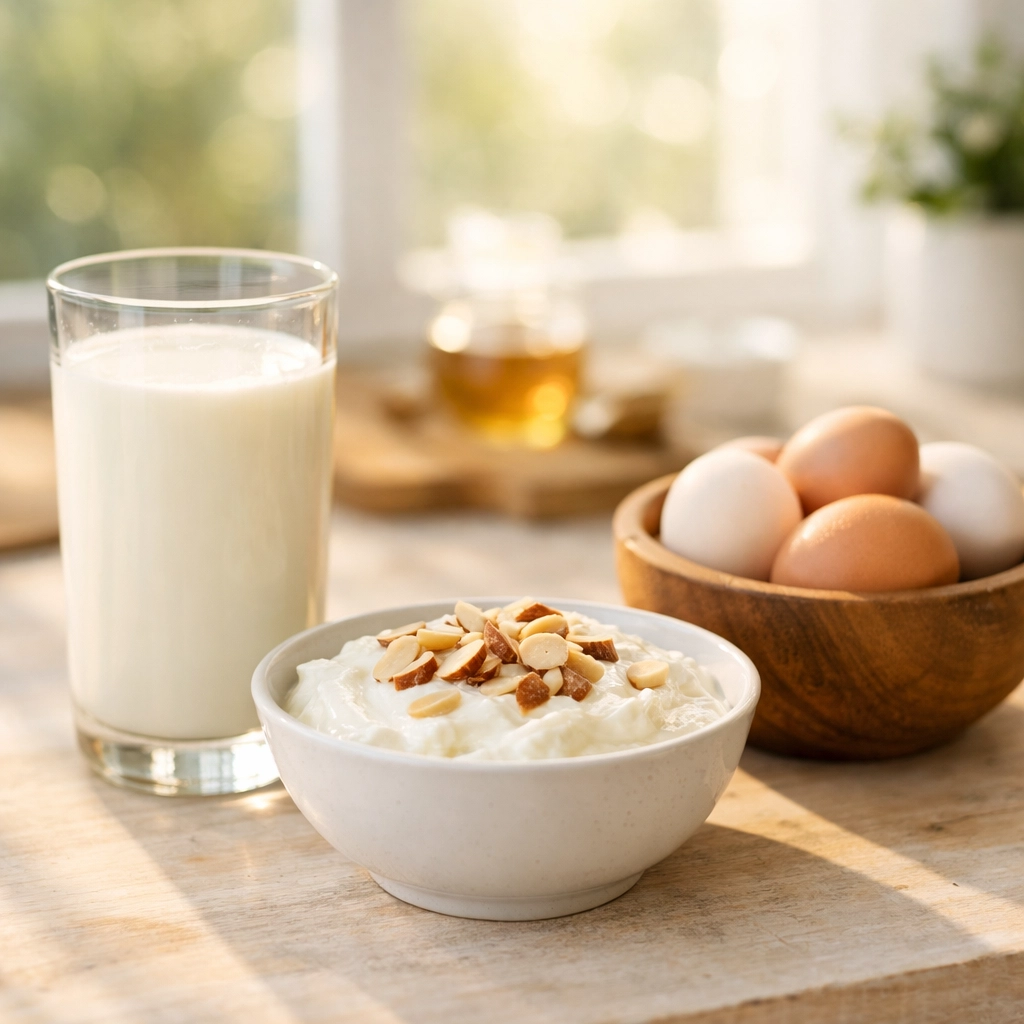
We’ve heard it since we were children: "Drink your milk for strong bones." While it sounds simple, the biological relationship between calcium and Vitamin D is the bedrock of skeletal integrity.
Calcium is the primary structural component of bone. However, calcium cannot do its job alone. Think of calcium as the bricks and Vitamin D as the mortar. Without enough Vitamin D, your body cannot effectively absorb the calcium you consume.
As we age, our bones naturally undergo a process called remodeling, where old bone is broken down and replaced by new bone. If we don’t have enough calcium in our bloodstream, the body will actually "steal" it from our bones to keep our heart and muscles functioning. Over time, this makes the bones porous and brittle: a condition known as osteoporosis.
For most adults over 65, the goal is roughly 1,000 to 1,200 mg of calcium daily. This shouldn't just come from a pill; your body absorbs calcium best from food sources like yogurt, leafy greens, and fortified cereals. Pair this with 800 to 1,000 IU of Vitamin D, often sourced from sunlight or fatty fish, to ensure that calcium actually makes it into your skeletal structure.
Protein: The Foundation of Muscle Mass
While bones provide the frame, muscles provide the power and the "brakes." Sarcopenia, or the age-related loss of muscle mass, is one of the leading contributors to falls. When muscles are weak, your gait becomes unsteady, and your ability to "catch yourself" during a trip diminishes.
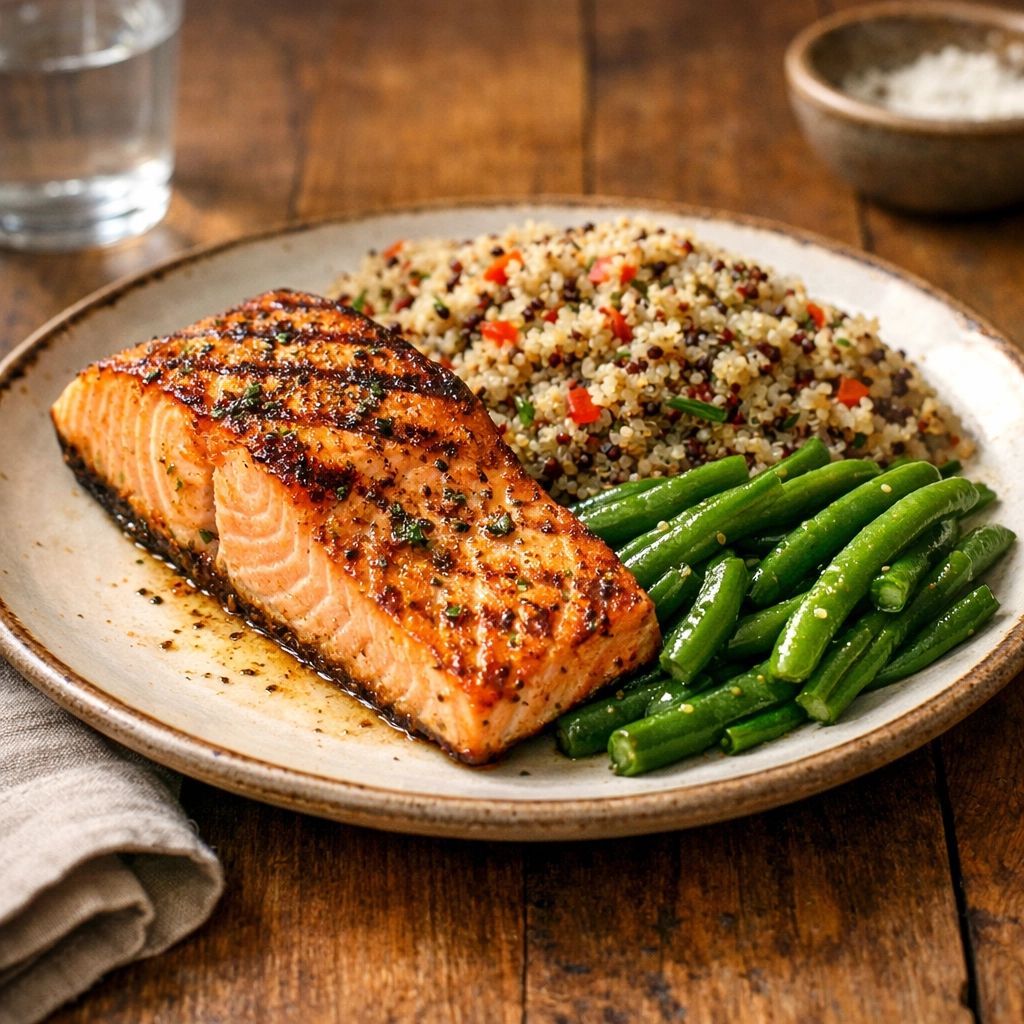
Protein is the building block of muscle tissue. Many seniors unknowingly consume far less protein than they need to maintain their strength. To actively prevent falls, the target is often higher than the standard adult recommendation. Aiming for 1.2 to 1.5 grams of protein per kilogram of body weight can help preserve the lean muscle needed for balance.
This doesn't mean you need to eat a steak at every meal. High-quality protein can be found in:
- Eggs and dairy products.
- Beans, lentils, and chickpeas.
- Lean poultry and fish.
- Quinoa and soy products.
By maintaining muscle mass through protein intake, you create a natural "cushion" and a stabilizing force that keeps you upright.
The Power of Vegetables and Nitrates
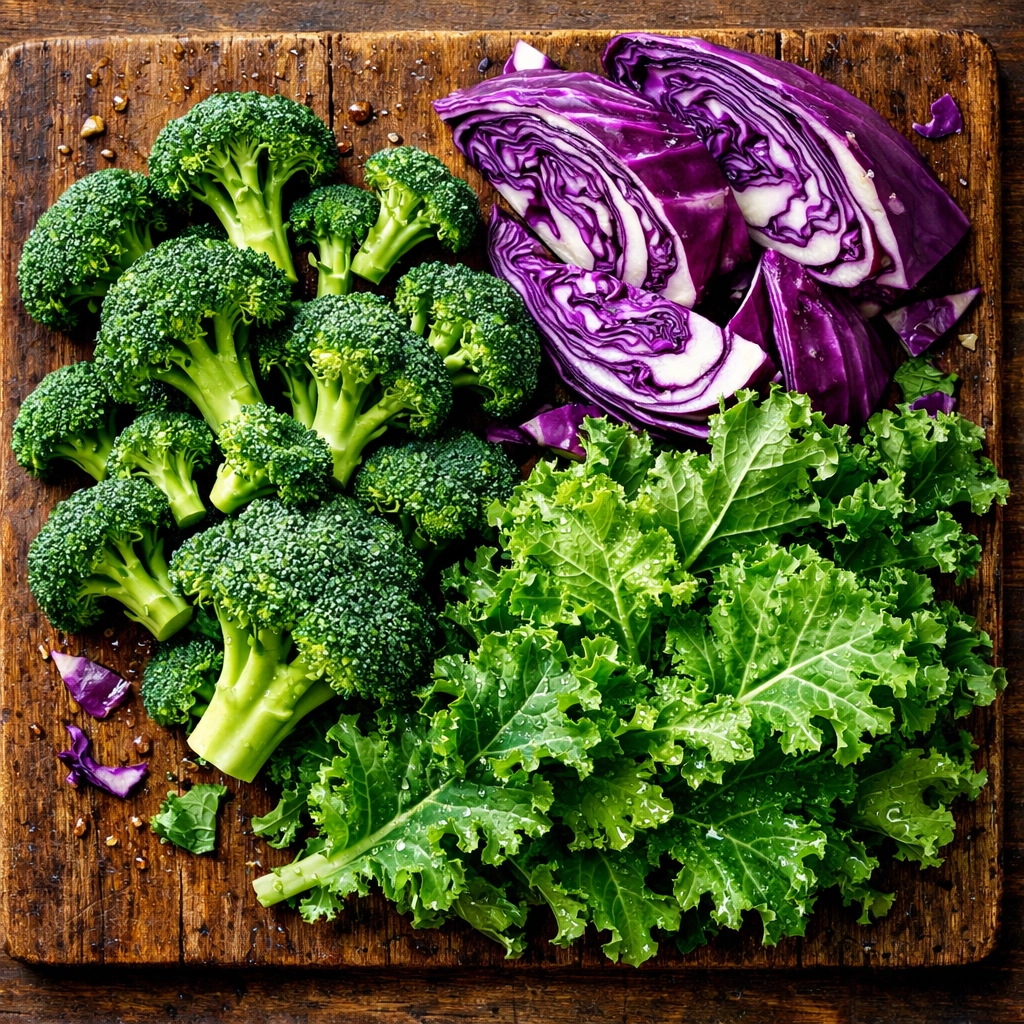
Recent studies have brought a surprising hero to the forefront of fall prevention: cruciferous vegetables. We’re talking about broccoli, cabbage, cauliflower, and Brussels sprouts.
Research indicates that people who consume three or more servings of vegetables a day have a significantly lower risk of hospitalizations related to falls and fractures. One reason for this is the presence of nitrates and Vitamin K1.
Vegetable-derived nitrates are converted into nitric oxide in the body, which helps improve blood flow to the muscles. Better blood flow means better muscle function and less fatigue. Vitamin K1, on the other hand, plays a crucial role in "bone mineralization": essentially helping the bone stay dense and tough rather than brittle.
If you find it difficult to eat large amounts of these vegetables, consider steaming them to make them softer or blending them into soups. The goal is consistency; making these greens a staple of your daily routine provides a cumulative protective effect.
Magnesium and Potassium: The Balance Minerals
While calcium gets all the spotlight, magnesium and potassium are the "quiet partners" in bone health and fall prevention.
Magnesium helps the body regulate calcium levels and is vital for muscle relaxation. If you’ve ever experienced a leg cramp that made you stumble, you know how important muscle control is. Magnesium helps prevent those sudden, involuntary contractions. You can find it in almonds, spinach, and pumpkin seeds.
Potassium works by neutralizing acids in the body that would otherwise leach calcium out of the bones. It also supports nerve health, ensuring that the signals between your brain and your legs are sent quickly and accurately. Bananas, sweet potatoes, and avocados are excellent sources of this essential mineral.
Hydration: The Invisible Fall Risk
It might seem strange to include water in a discussion about bone health, but dehydration is a major, yet preventable, cause of falls.
When the body is dehydrated, blood pressure can drop suddenly, especially when you stand up after sitting or lying down. This is called orthostatic hypotension, and it causes a "head rush" or dizziness that frequently leads to a fall.
Furthermore, water is necessary for joint lubrication. If your joints are stiff and dry, your movement becomes jerky and less fluid, increasing the likelihood of a trip.
A simple rule of thumb is to look at the color of your urine; it should be pale yellow. If it’s dark, you need more fluids. Don’t wait until you feel thirsty to drink, as the thirst sensation often dulls as we get older. Keep a reusable water bottle nearby and take small sips throughout the day.

Building a Fall-Prevention Menu
Transitioning to a bone-healthy diet doesn't require a complete pantry overhaul. It’s about making intentional choices that prioritize density and strength.
A "fall-safe" day of eating might look like this:
- Breakfast: Oatmeal made with milk (calcium), topped with walnuts (magnesium) and blueberries (antioxidants).
- Lunch: A large salad with spinach (Vitamin K), grilled chicken (protein), and sliced avocado (potassium).
- Snack: Greek yogurt or a piece of cheese.
- Dinner: Baked salmon (Vitamin D and protein) with a side of steamed broccoli (nitrates) and a sweet potato.
By focusing on whole foods and minimizing highly processed snacks that are high in sodium (which can actually cause you to lose calcium through your urine), you create an internal environment that supports longevity and mobility.
The Synergy of Diet and Movement
Diet is powerful, but it reaches its full potential when paired with movement. Think of nutrition as providing the raw materials and exercise as the construction crew that puts those materials to work.
Weight-bearing exercises, such as walking, dancing, or light weightlifting, signal to the body that the bones need to stay strong. When the body senses the stress of gravity and movement, it triggers the bone-building process. Without the right nutrients, however, the body has nothing to build with.
When you combine a diet rich in protein, calcium, and vegetables with a consistent balance and strength program, you are tackling fall prevention from every possible angle. You are strengthening the frame, fueling the engine, and sharpening the navigation system.
A Reassuring Path Forward
The idea that our bones inevitably become "thin" or "weak" as we age is a myth we need to dispel. While our bodies do change, we have an incredible amount of control over the rate and extent of that change.
Fall prevention is about more than just clearing the floor of clutter. It is an act of self-care that begins at the kitchen table. By nourishing your body with the minerals, vitamins, and proteins it needs, you are investing in your independence.
Every healthy meal is a step toward stability. Every glass of water is a safeguard against dizziness. By prioritizing your bone health today, you are ensuring a steadier, safer, and more confident tomorrow. Focus on the internal, and the external will become much easier to manage.

