
Maintaining independence is one of the most important goals as we get older. We want to keep gardening, visiting friends, and moving around our own homes without that nagging worry in the back of our minds about taking a tumble.
I’m Brian Kerr, the founder of Fall Guys Products, and if there is one thing I’ve learned in this industry, it’s that falling isn’t an inevitable part of aging. It’s often a result of small changes in our strength and balance that go unnoticed until a "close call" happens. The good news is that balance is a skill: and like any skill, it can be practiced and improved.
Research shows that consistent exercise can reduce fall rates by about 23%. When you focus specifically on balance and multi-component programs, those numbers get even better. In this guide, I want to walk you through five practical, easy-to-follow steps that can help you feel more stable on your feet and much more confident in your daily life.
Understanding Why Our Balance Changes
Before we jump into the steps, it’s helpful to understand what’s actually happening. Our balance relies on three main systems: our vision, our inner ear (vestibular system), and "proprioception": which is basically your brain’s ability to know where your feet are without looking at them.
As we age, these systems can get a little "fuzzy." Our muscles might lose a bit of their quick-reaction strength, and our vision might not pick up on small changes in floor height as quickly. By following a structured plan, we’re essentially "re-tuning" these systems to work together more effectively.
Step 1: Start with Foundational Standing Exercises
The best place to start is right where you are. You don't need a gym membership or fancy equipment to begin improving your stability. Foundational exercises focus on "static balance": the ability to stay steady while standing still.
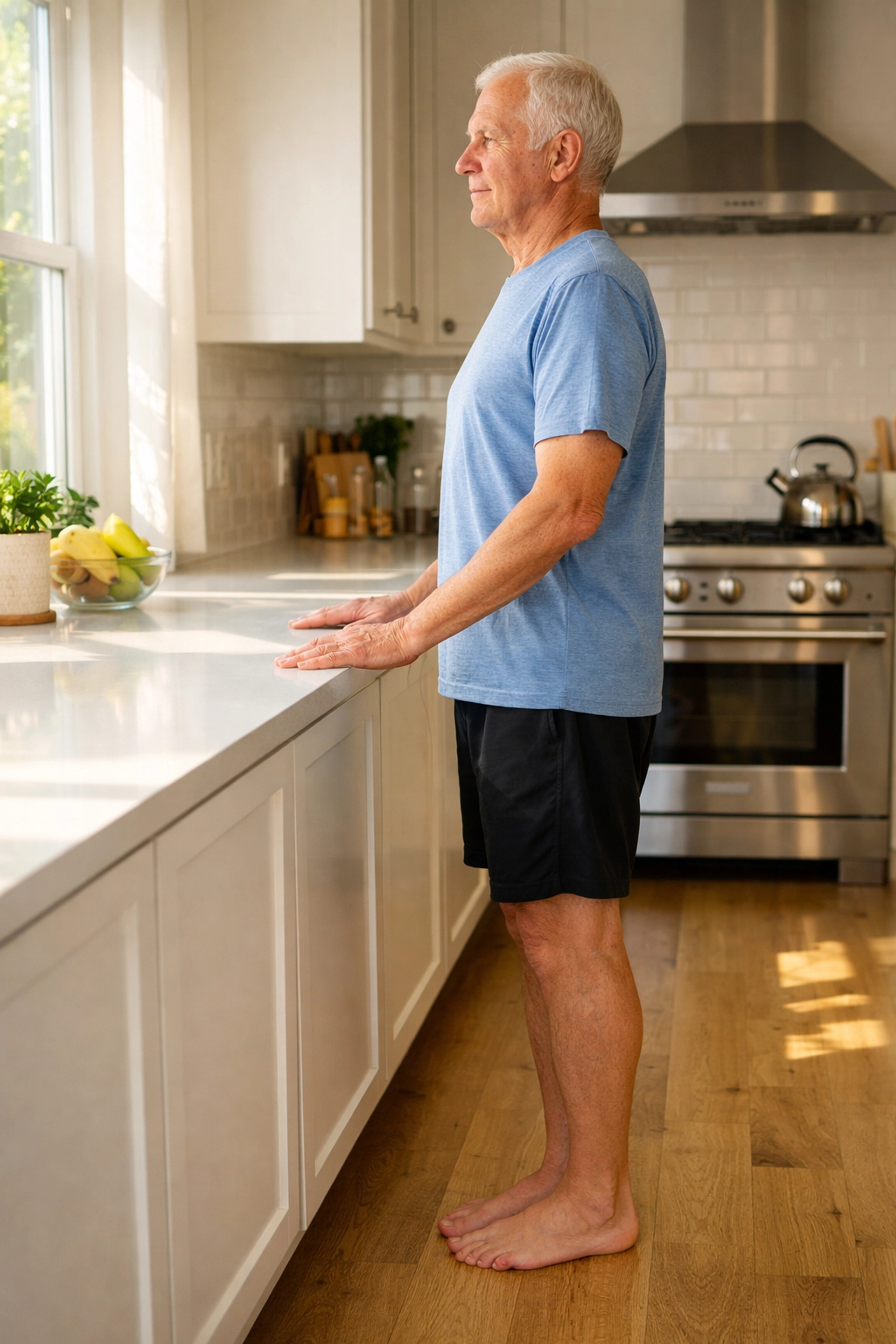
The Countertop Support Method
Safety is the priority. Always perform these exercises near a sturdy surface, like a kitchen countertop or the back of a heavy sofa. Do not use something that can move, like a rolling chair.
- Feet Apart: Stand with your feet shoulder-width apart. Lightly touch the counter with your fingertips if you need to. Try to hold this position for 30 seconds. If you feel steady, try to hover your hands just an inch above the counter.
- Feet Together: Once the first exercise feels easy, bring your feet together so they are touching. This narrows your "base of support," making your body work harder to stay upright. Again, aim for 30 seconds.
- The Staggered Stance: Place one foot slightly in front of the other, like you’re taking a very small step. Hold this position, then switch feet.
By practicing these for just a few minutes a day, you are training your ankles and core muscles to make the tiny micro-adjustments needed to keep you upright.
Step 2: Practice Sit-to-Stand Movements Daily
One of the most common times people lose their balance is when they are transitioning: moving from sitting to standing or vice versa. Strengthening the muscles used for this movement is one of the most effective ways to prevent falls.
This exercise is often called the "Chair Stand." It builds functional strength in your quadriceps (thighs) and glutes (buttocks), which act as the "engine" for your mobility.
How to Do It Safely
Find a sturdy chair (without wheels). Sit near the front of the seat with your feet flat on the floor, shoulder-width apart.
- Lean your chest forward slightly over your toes.
- Squeeze your leg and hip muscles.
- Slowly rise to a full standing position.
- Pause for a second, then slowly lower yourself back down.
Try to do this 10 times in a row, twice a day. At first, you might need to use the armrests to push off. That’s perfectly fine. As you get stronger, try to use your hands less and less until you can do the movement with your arms crossed over your chest. This simple habit turns a daily necessity into a powerful balance-builder.
Step 3: Incorporate Dynamic Balance Exercises
Once you feel steady while standing still, it’s time to move. Dynamic balance is the ability to stay stable while your center of gravity is shifting. This is what helps you navigate a crowded grocery store or walk across a rug.
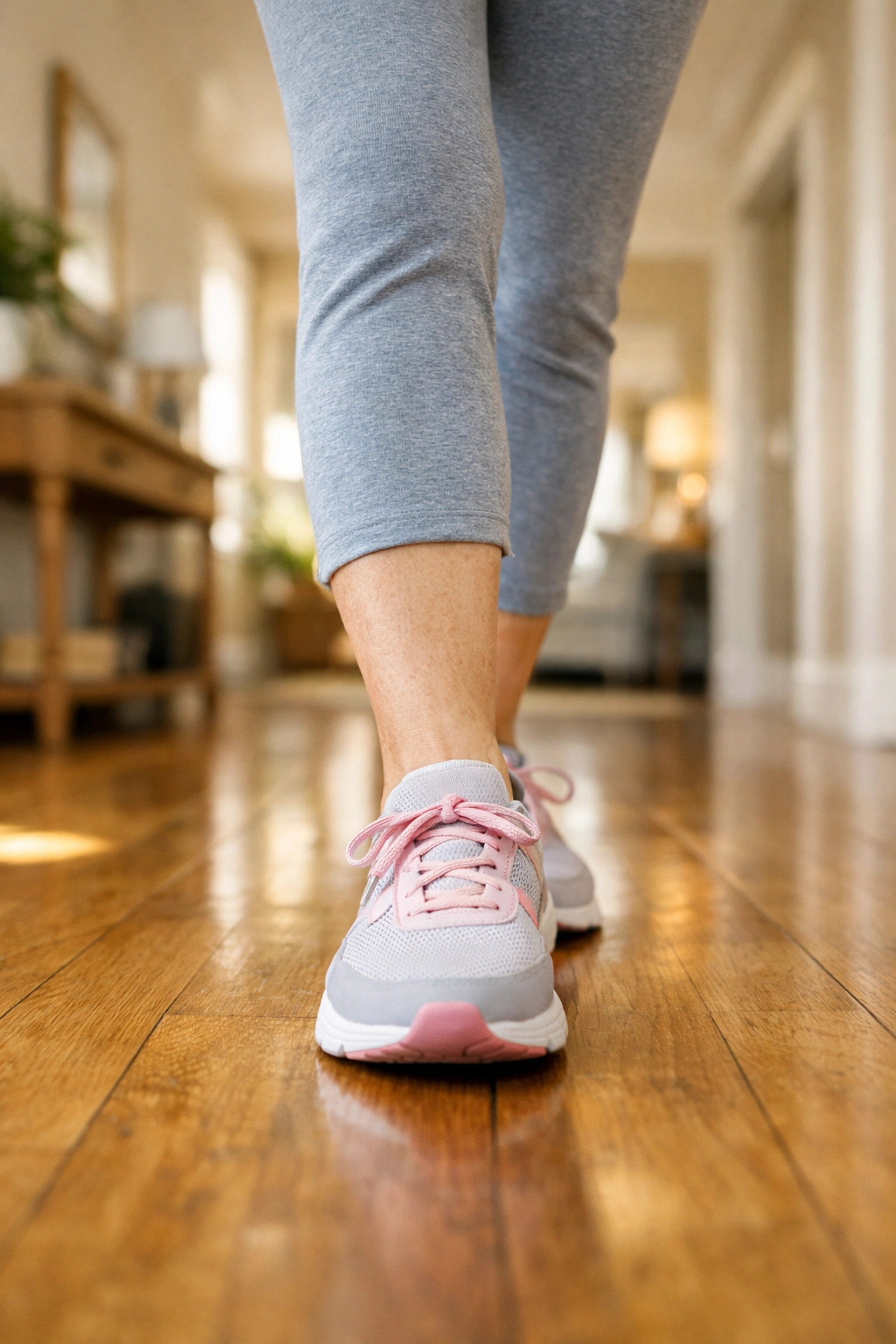
Heel-to-Toe Walking
Think of this as "tightrope walking" on solid ground. Find a hallway or a clear stretch of wall you can use for support.
- Place the heel of one foot directly in front of the toes of the other foot. They should be touching or very close.
- Take a step forward, again putting your heel right in front of your toes.
- Focus on a spot on the wall ahead of you rather than looking down at your feet.
- Aim for 10 to 20 steps.
Single-Leg Stance
This is the ultimate balance test. While holding onto your countertop, lift one foot off the ground. Try to hold it for 10 seconds, then 20, eventually building up to 30. This strengthens the stabilizing muscles around your hips and ankles. If you can do this comfortably, you’ll find that walking on uneven surfaces becomes much easier.
Step 4: Create a Consistent Weekly Schedule
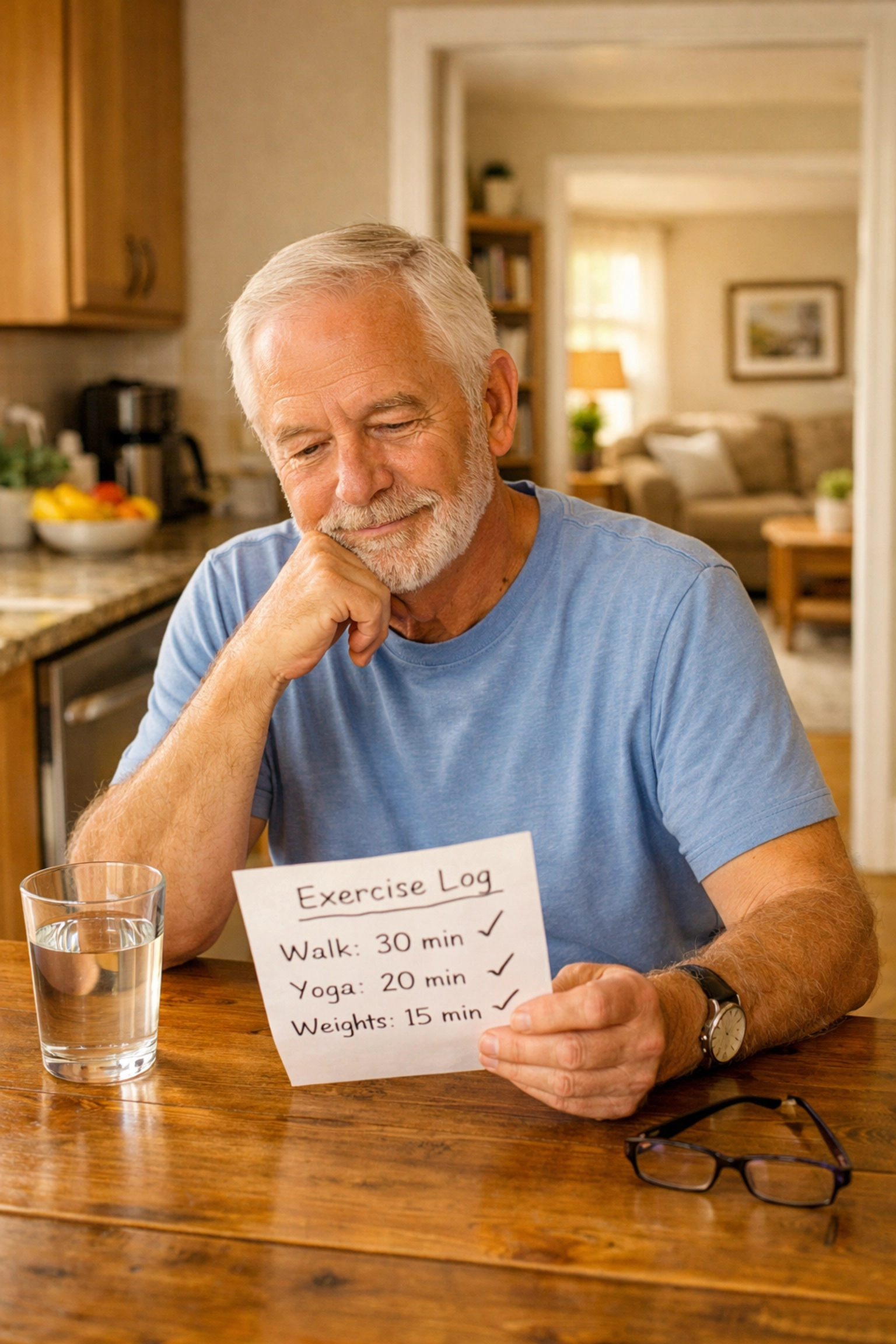
The real "secret sauce" to fall prevention isn't a specific exercise: it's consistency. Your brain and muscles need regular reminders to stay sharp. Research suggests that a balance routine should be performed at least three times per week to see significant results.
A Simple Weekly Template
You don't need to spend hours on this. A 15-to-20-minute session is plenty.
- Monday: 5 minutes of foundational standing, 10 sit-to-stands, and 2 sets of heel-to-toe walking.
- Tuesday: Active rest (a gentle walk around the house or yard).
- Wednesday: Repeat the Monday routine, but try to hold the single-leg stance for 5 seconds longer.
- Thursday: Active rest.
- Friday: A full routine, focusing on slow, deliberate movements.
- Weekend: Focus on "functional" balance, like practicing sitting and standing without using your hands during your normal day.
Step 5: Seek Professional Guidance and Group Support
While home exercises are great, you don't have to do this alone. Sometimes, having an expert eye can make all the difference.
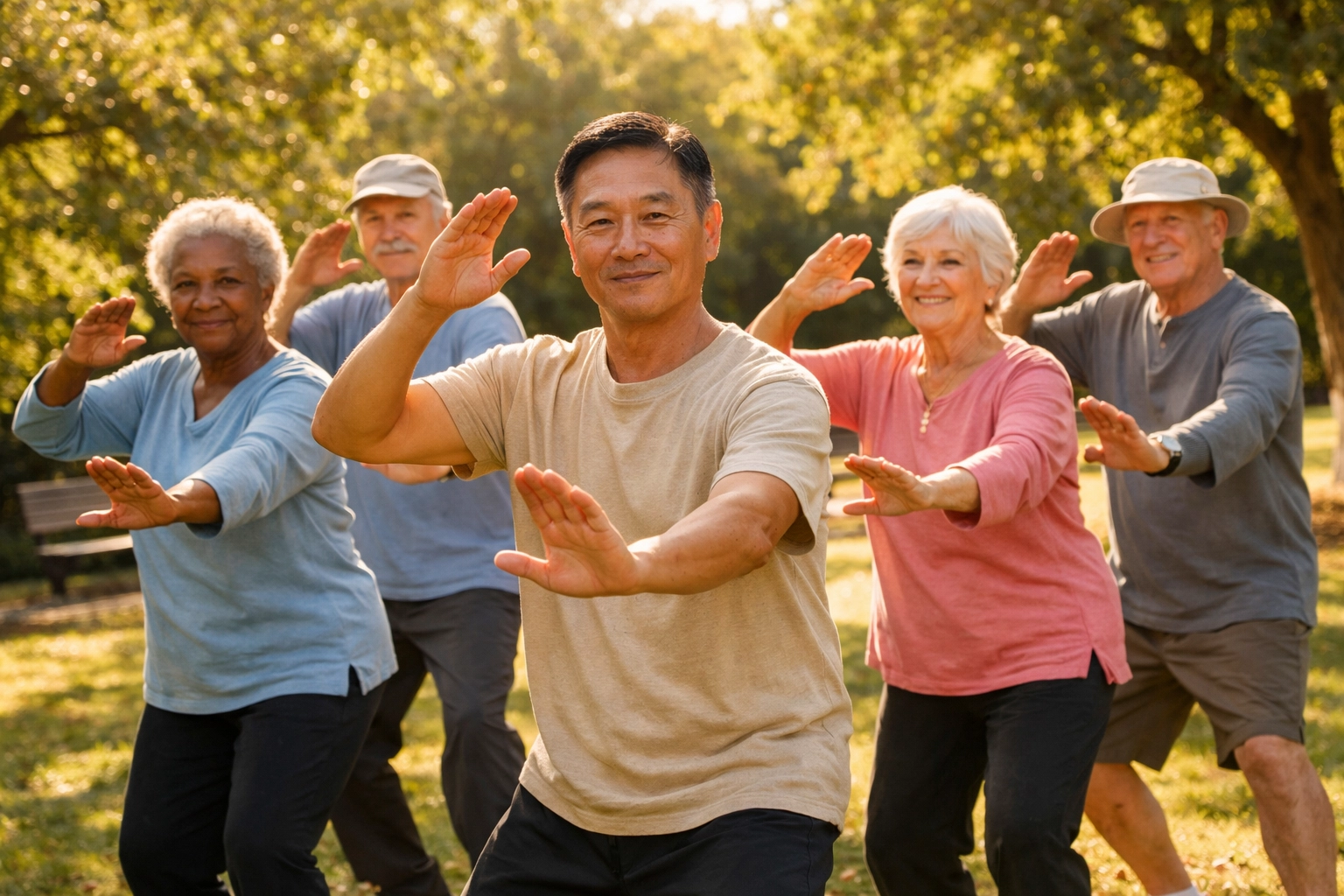
Tai Chi for Balance
Tai Chi is a gentle form of exercise that involves slow, flowing movements and deep breathing. It has been studied extensively and is proven to reduce falls by about 23%. Because it focuses on weight shifting and mindful movement, it’s incredibly effective for seniors. Many community centers and senior centers offer "Tai Chi for Arthritis and Fall Prevention" classes.
Physical Therapy
If you’ve had a fall in the past or feel particularly unsteady, a few sessions with a physical therapist can be life-changing. They can identify specific weaknesses: perhaps your left ankle is weaker than your right: and give you a "prescription" of exercises tailored exactly to your body.
Bonus: Making Your Environment Work for You
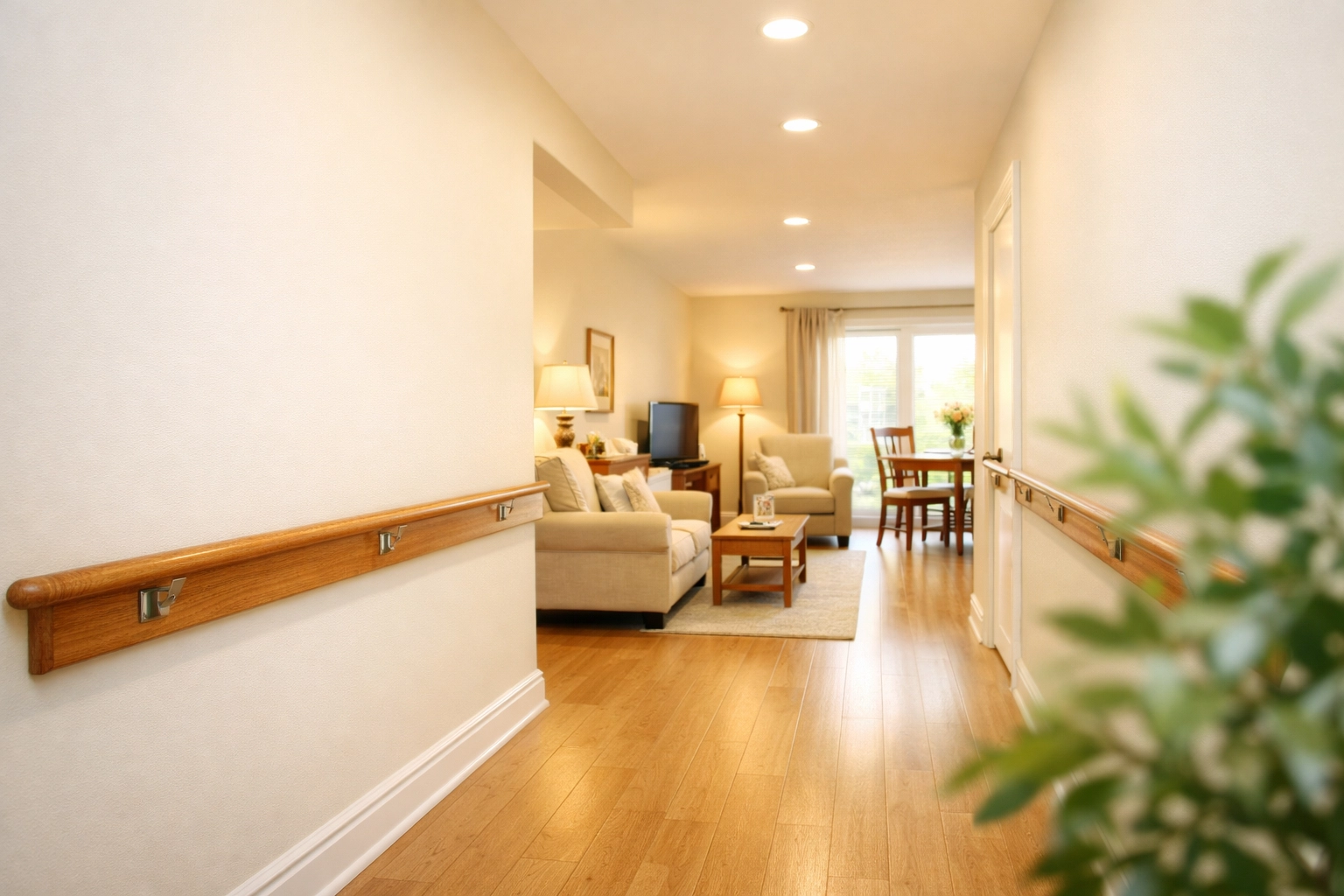
Improving your physical balance is half the battle. The other half is making sure your home isn't working against you. Even the most balanced person can trip if the conditions aren't right.
- Lighting is Everything: As we age, our eyes need more light to see clearly. Ensure your hallways, stairs, and bathrooms have bright, non-glare bulbs. Motion-sensor nightlights are a fantastic addition for those midnight trips to the kitchen.
- Clear the Path: Remove "tripping hazards" like loose throw rugs, electrical cords across walkways, and clutter on the floor.
- Mobility Aids as Tools, Not Crutches: If a doctor suggests using a cane or a walker, try to view it as a tool for freedom. A mobility aid can provide that extra point of contact with the ground that keeps you moving safely while you work on your balance exercises.
A Reassuring Path Forward
I know that talking about falls can feel a bit overwhelming, or even a little scary. But I want you to remember that taking these steps is an act of empowerment. Every time you practice a sit-to-stand or spend a few seconds on one leg, you are investing in your future independence.
Start small. Maybe today you just practice standing with your feet together while the tea kettle boils. Tomorrow, maybe you try five sit-to-stands. Progress isn't measured in giant leaps; it’s measured in the quiet confidence you feel the next time you step off a curb or reach for something on a shelf.
You have the ability to improve your balance, and there is a whole community of professionals and peers ready to support you. Keep moving, stay consistent, and take it one step at a time. We’re here to help you stay upright and active for years to come.

