
Stairs are a fundamental part of many homes, yet they are often the one area we overlook when it comes to long-term safety planning. Whether you’re looking out for yourself or helping a loved one stay independent in their own home, understanding the nuances of stair safety is crucial. It’s not just about avoid falls; it’s about feeling confident and secure in your own space.
At Fall Guys Products, we see the home as a place of comfort. However, even the most familiar staircase can hide subtle hazards. Many of the most common mistakes people make with stairs are easily fixable once you know what to look for. Let’s walk through the seven most common mistakes and, more importantly, how you can fix them to create a safer environment.
1. The Missing or Unstable Handrail
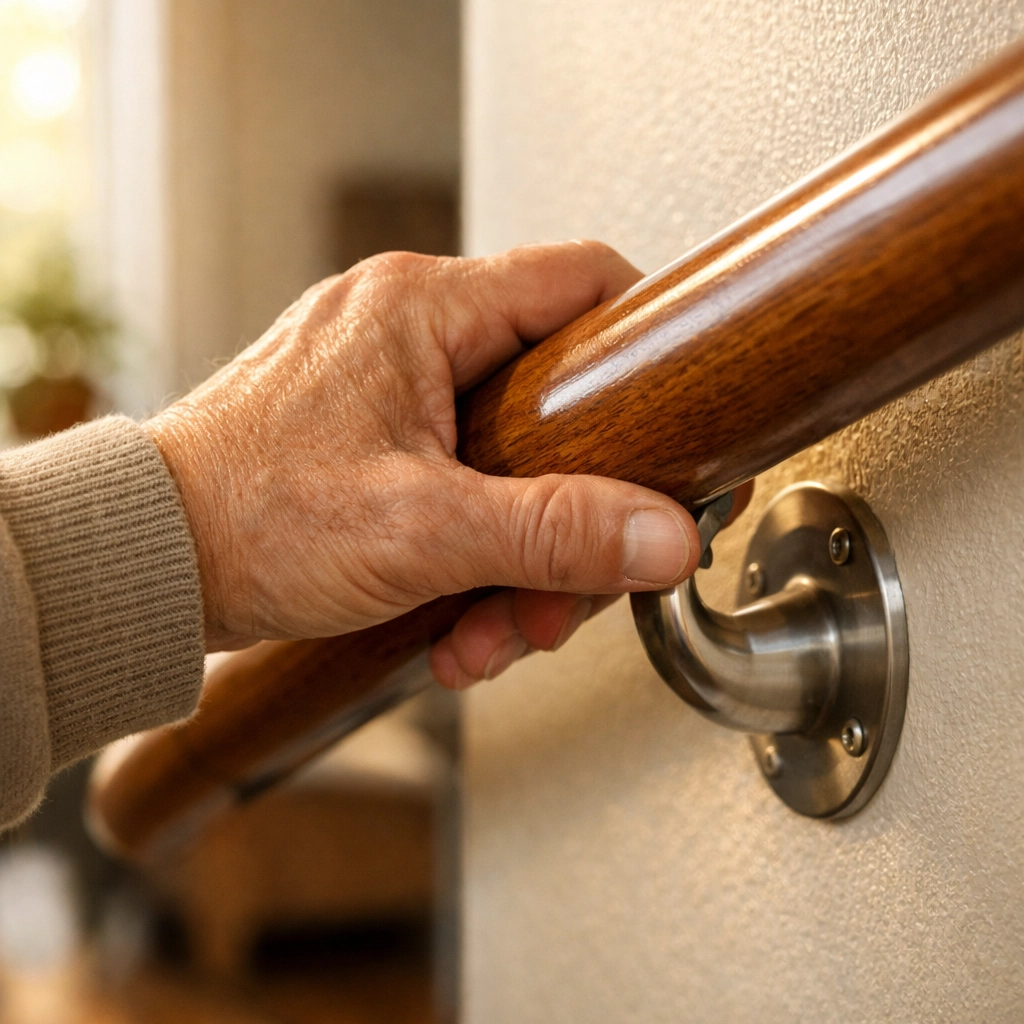
One of the most frequent issues we see in older homes is a lack of adequate handrails. Sometimes there is only one rail when there should be two, or the existing rail is loose, wobbly, or simply too short. A handrail isn't just a guide; it’s a critical safety device that provides leverage and balance.
The Mistake: Relying on a single handrail or a rail that isn't secured into the wall studs. Many people also make the mistake of having a "decorative" rail that is too thick to grip properly or too low to be useful.
The Fix:
- Install Dual Rails: If your staircase only has a rail on one side, consider adding a second one. Having support for both hands significantly increases stability.
- Check for Sturdiness: Give your handrail a firm shake. If it moves at all, it needs to be tightened or re-anchored into the wall studs.
- Prioritize Grip: A safe handrail should allow for a "power grip," where you can wrap your fingers and thumb completely around it. If the rail is too wide, it’s much harder to hold onto if you lose your balance.
- Ensure Proper Height: Standard safety guidelines usually recommend handrails be between 34 and 38 inches high.
2. Neglecting the "Visual Cues" and Lighting
As we age, our depth perception and vision can change. A staircase that looked perfectly clear twenty years ago might now look like a blurry incline, especially in the evening. Inadequate lighting is a major contributor to missteps.
The Mistake: Using low-wattage bulbs or having light switches located only at the bottom or top of the stairs. Shadows cast by poor lighting can hide the edge of a step, leading to a trip.
The Fix:
- Increase Brightness: Replace old bulbs with high-lumen LED bulbs that provide bright, clear light without high energy costs.
- Motion Sensors: Consider installing motion-activated lights along the baseboards or under the lip of each step. These ensure the path is always lit the moment you approach the stairs.
- Dual Switches: Ensure there is a light switch at both the top and the bottom of the staircase so you never have to navigate the steps in the dark to reach a switch.
- Contrast Strips: Apply a strip of high-contrast tape or paint to the edge (the "nosing") of each step. This helps the eye distinguish where one step ends and the next begins.
3. Ignoring Wear and Tear on Step Surfaces
Stair surfaces take a lot of abuse over the years. Carpet can become loose and bunched up, wooden steps can become slick from wear, and outdoor steps can crack or tilt due to the elements.
The Mistake: Assuming that because a staircase has "always been that way," it’s safe. Worn-down carpet or polished wood can be as slippery as ice, especially if you’re wearing socks.
The Fix:
- Secure Loose Carpet: If you have carpeted stairs, check for any "waves" or loose spots. These are major tripping hazards. Have a professional re-stretch the carpet or replace it with a low-pile, slip-resistant version.
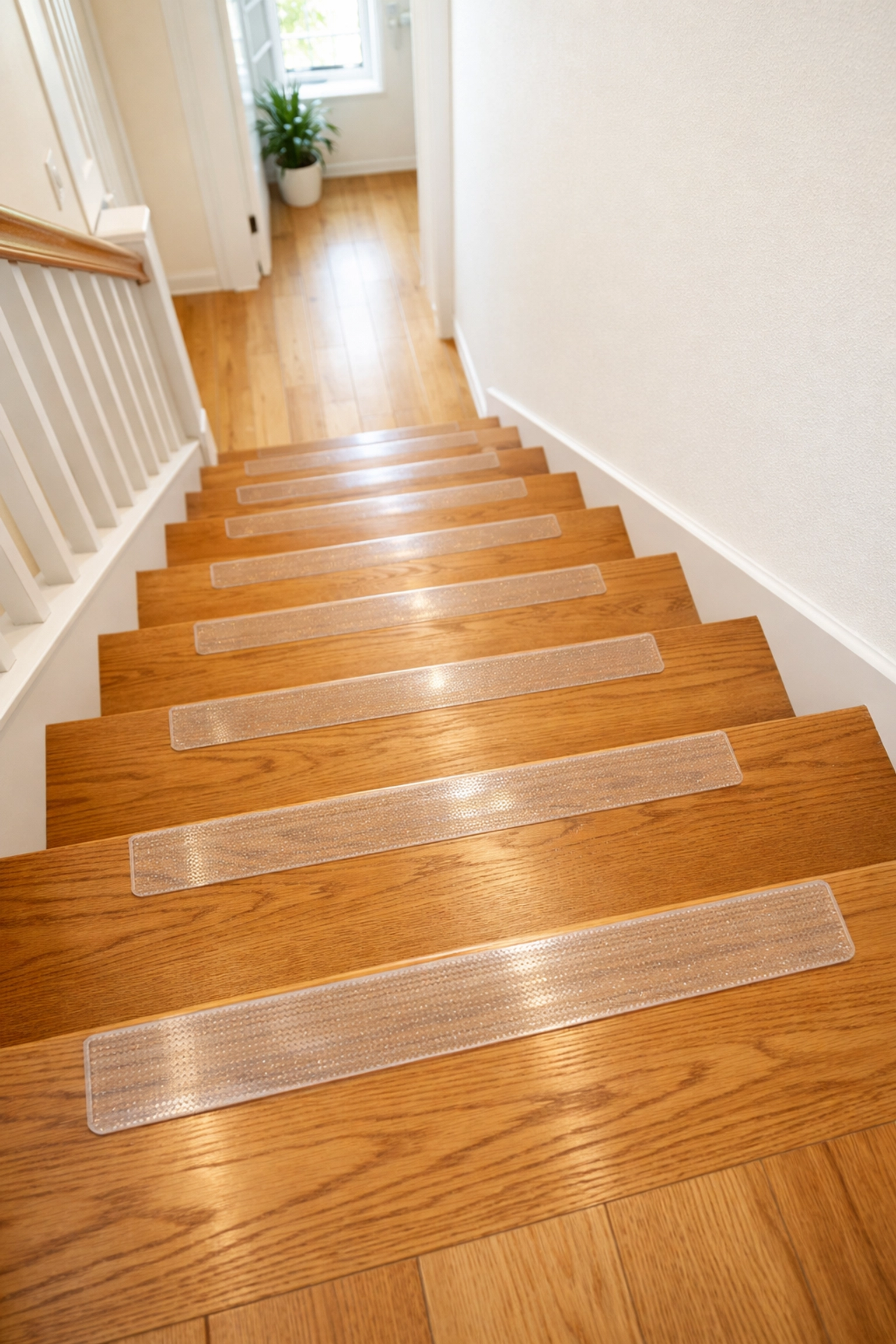
- Non-Slip Treads: For wooden or tile stairs, add non-slip adhesive treads. These provide much-needed friction.
- Repair Damage: If a step is cracked, sagging, or uneven, it needs immediate repair. A difference of even a quarter-inch in step height can be enough to cause a stumble.
- Clear the Nosing: Ensure the front edge of the step is rounded and secure, not sharp or splintered.
4. Using the Stairs as a Temporary Storage Unit
We’ve all done it: "I’ll just leave these shoes on the bottom step and take them up later." Or, "I’ll set this basket of laundry here for my next trip." While it feels efficient, it’s one of the most dangerous habits you can have.
The Mistake: Treating stairs as a shelf. Even a small item like a stray sock or a piece of mail can lead to a slip. Obstructions force you to change your gait or look down, which can throw off your balance.
The Fix:
- The "Zero-Tolerance" Rule: Make it a household rule that nothing: ever: is placed on the stairs.
- Landing Baskets: If you have items that need to go up or down, place a dedicated basket at the very top and very bottom of the stairs, but off the walking path. Only carry the basket when you are ready to go, and ensure you have a hand free for the rail.
- Immediate Clearing: If you see something on the stairs, pick it up immediately. Don't assume someone else will do it.
5. Rushing and Distraction
In our busy lives, we often treat the stairs as something to get over with quickly. We might be checking a phone, carrying a heavy load that blocks our view, or rushing to answer the door.
The Mistake: Moving too fast or not focusing on the task at hand. Distraction is a leading cause of missteps. If your eyes aren't on where you’re stepping, you can easily miss the last step or overstep.
The Fix:
- The Three-Point Rule: Always try to have three points of contact when moving on stairs (two feet and one hand on the rail).
- Eyes on the Prize: Look at the stairs, not your phone. Avoid carrying large items that block your view of your feet. If you have a large load, ask for help or make two trips.
- The "Last Step" Awareness: Many falls happen at the very bottom because people assume they’ve reached the floor when they haven't. Consciously count your steps or look specifically for the floor landing.
6. Making Poor Footwear Choices
What you wear on your feet matters just as much as the stairs themselves. While it’s tempting to walk around the house in just socks or loose slippers, these choices can be disastrous on stairs.
The Mistake: Walking on stairs in socks, stockings, or "backless" slippers. Socks provide zero grip on wood or tile, and loose slippers can easily slide off your foot mid-step.
The Fix:
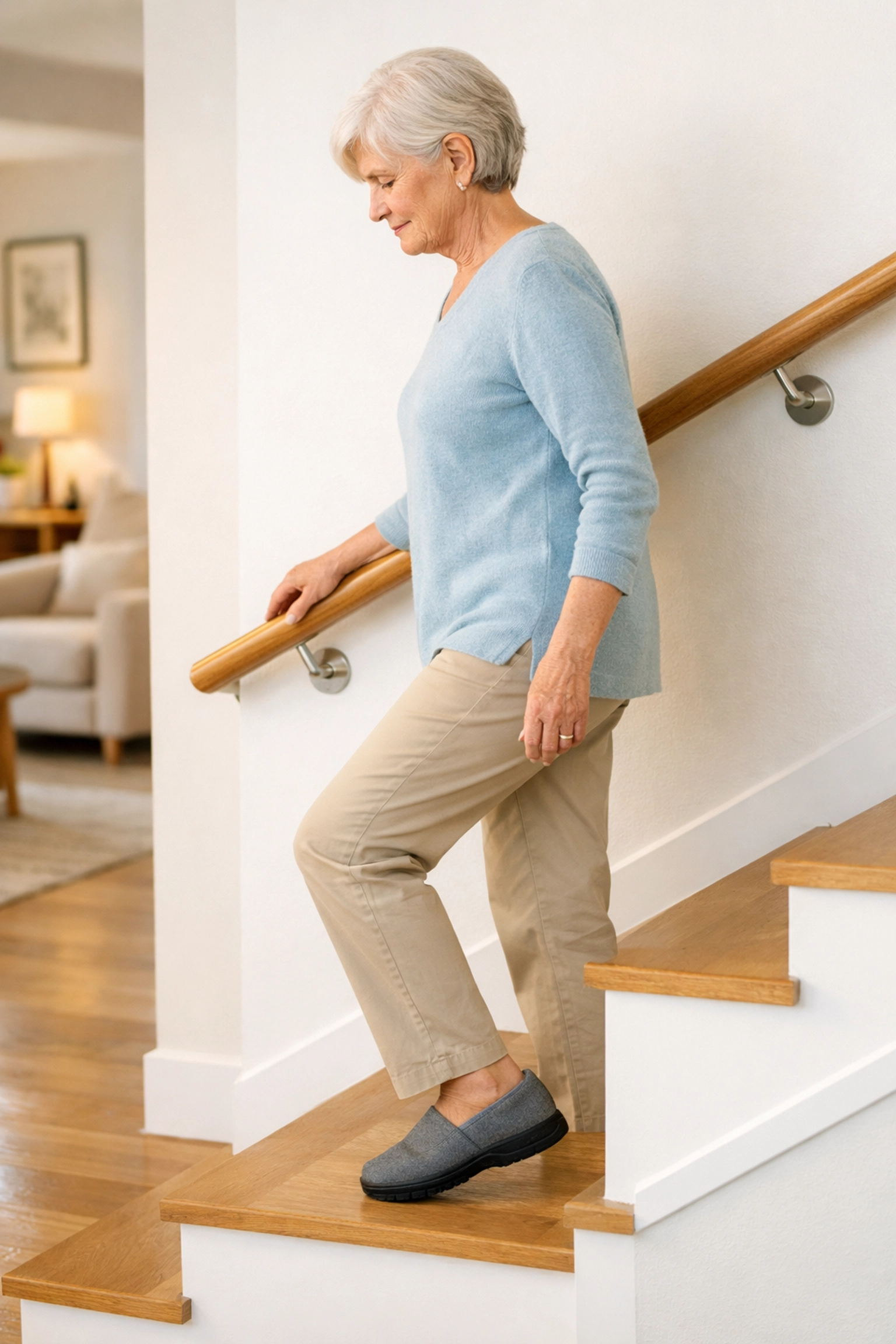
- Proper Indoor Shoes: Wear well-fitting shoes with rubber soles, even inside the house. If you prefer not to wear outdoor shoes inside, keep a pair of "indoor-only" sneakers.
- Non-Slip Socks: If you absolutely must wear socks, ensure they have high-quality rubber grips on the bottom. However, shoes are always the safer bet.
- Avoid Heels or Floppy Soles: High heels change your center of gravity, while floppy flip-flops can catch on the edge of a step.
7. Overlooking the Landing Areas
Safety doesn't end at the last step. The areas immediately at the top and bottom of the stairs: the landings: are just as important.
The Mistake: Placing loose throw rugs at the top or bottom of the stairs. These can slide out from under you as you transition from the stairs to the floor. Another mistake is having furniture too close to the landing, which can cramp your movement.
The Fix:
- Remove Rugs: Eliminate all throw rugs near the stairs. If you must have a rug, ensure it is taped down with heavy-duty double-sided rug tape or has a high-quality non-slip backing.
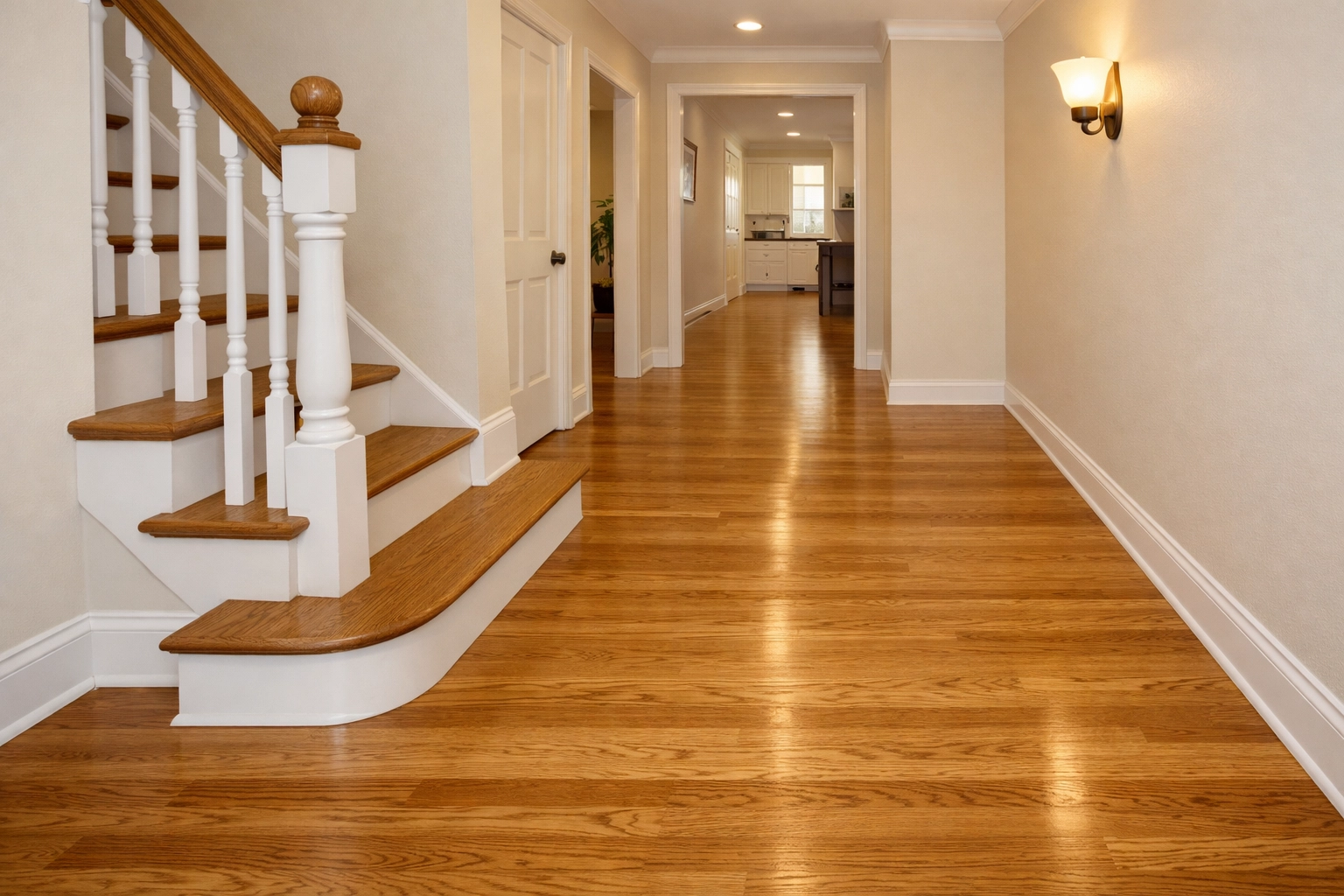
- Clear the Path: Ensure there is at least three feet of clear space at both the top and bottom of the stairs. You should be able to step off the stairs and have plenty of room to regain your full stride before encountering furniture or doors.
- Check the Transition: Ensure the flooring at the landing is level with the stairs. A small lip or "transition strip" between different types of flooring (like carpet to tile) can be a trip hazard.
Assessing Your Home
Improving stair safety is a journey, not a one-time event. It’s a good idea to perform a "stair audit" every few months. Walk up and down your stairs slowly and ask yourself:
- Does anything feel loose?
- Can I see every step clearly?
- Is there any clutter creeping back onto the steps?
- Am I holding the handrail every single time?
If you live with others, involve them in the process. Safety is a team effort. Sometimes, a fresh set of eyes: like a family member or a professional physical therapist: can spot a hazard that you’ve become "blind" to because you see it every day.
The Role of Physical Health
While we’ve focused on the physical environment, your personal physical health plays a massive role in stair safety. Strength and balance are the two "internal" tools you have to prevent falls.
- Balance Exercises: Simple exercises like standing on one leg (while holding onto a sturdy chair) can improve your stability.
- Leg Strength: Keeping your quadriceps and calves strong makes it easier to lift your weight up each step and, perhaps more importantly, control your descent.
- Vision Checks: Regularly visiting an eye doctor ensures your prescription is up to date. If you wear bifocals or trifocals, be extra careful on stairs, as these lenses can sometimes distort depth perception when looking down.
A Reassuring Step Forward
It's natural to feel a bit concerned about stairs as we get older or as we care for aging parents. However, stairs don't have to be an enemy. By addressing these seven common mistakes, you are taking proactive steps to maintain independence and peace of mind.
Remember, the goal isn't to stop using the stairs: in fact, for many, using the stairs is a great way to maintain leg strength. The goal is to make sure that every trip up and down is as safe and predictable as possible. A few small changes today, like tightening a handrail or adding a motion-sensor light, can make a world of difference for years to come.
Take a look at your stairs today. Which of these fixes can you implement right now? Maybe it's just clearing off that one pair of shoes or checking a lightbulb. Every small action counts toward a safer, more comfortable home.

