
When we talk about our homes, we usually use words like "sanctuary," "comfort," or "refuge." It’s the place where we’ve raised families, hosted holiday dinners, and shared countless cups of coffee. But as we get older, the very places that once felt the most familiar can start to present challenges we didn’t see coming.
Falls are one of those topics that many of us prefer to brush under the rug. It can feel a bit clinical or even a little scary to talk about. However, at Fall Guys Products, we look at fall prevention differently. We don't see it as a loss of independence; we see it as a strategy for maintaining it.
Mastering home safety isn't about turning your house into a hospital ward. It’s about making smart, subtle adjustments that allow you to move through your day with confidence. Whether you’re a senior looking to "age in place" or a caregiver helping a loved one stay safe, this guide is designed to take the guesswork out of the process.
Why Fall Prevention is About Empowerment
The goal of a safer home is simple: to keep you doing what you love for as long as possible. When you aren't worried about a slippery floor or a dark hallway, you can focus on gardening, cooking, or playing with your grandkids.
Prevention is a proactive choice. It’s about looking at your environment with a fresh set of eyes and identifying the small things that could cause a big problem later. Most falls aren’t the result of one major mistake; they are usually the result of a combination of environment, physical health, and timing. By addressing the environment first, we remove a massive part of that equation.
The Room-by-Room Safety Audit
The best way to tackle home safety is to break it down. Trying to fix the whole house in one afternoon is overwhelming. Instead, let's take a walk through the home, room by room, and look for "quick wins": simple changes that make a massive difference.
The Bathroom: High Impact, High Priority
If you only have the energy to focus on one room today, make it the bathroom. Because of the combination of water, hard surfaces, and tight spaces, the bathroom is statistically the most common place for falls to occur.
- Secure Your Foothold: Standard bath mats often have a habit of sliding around. Replace them with non-slip mats that have a strong rubber backing. Better yet, consider adhesive non-slip strips inside the tub or shower itself.
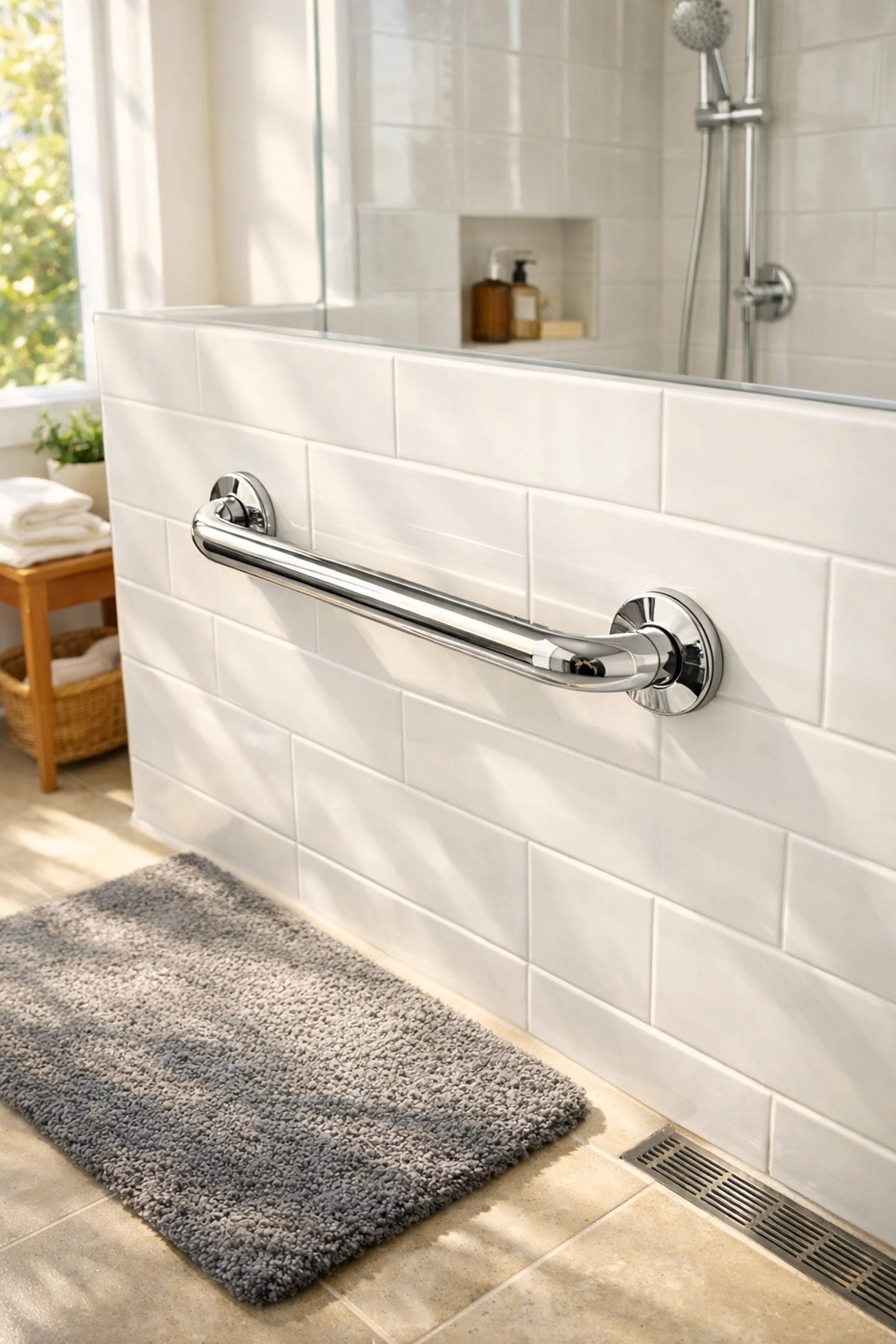
- Support, Not Towel Racks: Many people instinctively grab the towel rack for balance when getting out of the shower. The problem is that towel racks aren't designed to hold human weight. Installing dedicated grab bars: properly anchored into the wall studs: is a game changer.
- Raising the Bar: If the toilet is too low, it can be a struggle to stand up, which leads to fatigue. A raised toilet seat can make a significant difference in daily comfort.
The Bedroom: Transitions and Nighttime Navigation
The bedroom is where we start and end our days. Many falls occur during "transitions": the act of getting in or out of bed: especially in the middle of the night when we’re still a bit sleepy.
- The Three-Foot Rule: Ensure there is a clear, wide path (at least three feet) from the bed to the door and the bathroom. This means moving that decorative ottoman or clearing away loose shoes.
- Bed Height: Your bed should be at a height where your feet touch the floor comfortably when you’re sitting on the edge. If it’s too high or too low, it puts unnecessary strain on your knees and affects your balance.
- Lighting within Reach: You should never have to walk across a dark room to find a light switch. Keep a lamp on the nightstand, or better yet, install a motion-activated light under the bed frame that glows softly when your feet hit the floor.
The Kitchen: Reaching for Success
The kitchen is the heart of the home, but it’s often designed for people who don't mind climbing on step stools. As we focus on safety, we want to bring the kitchen to you.
- The "Waist-High" Strategy: Take the items you use every single day: the coffee pot, your favorite heavy skillet, the toaster: and move them to counter level or the middle shelves.
- Ditch the Step Stool: If you can't reach it without a stool, it’s time to find a new home for that item. If you absolutely must use one, ensure it has a sturdy handrail and never use a regular chair as a substitute.
- Spill Response: Keep a roll of paper towels or a microfiber cloth handy. In a kitchen, a small splash of water on a tile floor is a major hazard.
Lighting: Your First Line of Defense
You can’t avoid a hazard you can’t see. As we age, our eyes require more light to process the same information. Often, we don't realize our homes have become "dim" because we’ve lived in them so long.
- The Power of Lumens: Check your lightbulbs. If you’re using old 40-watt bulbs, consider switching to higher-lumen LED bulbs that mimic natural daylight. They are brighter and last for years, meaning you won't have to climb a ladder to change them anytime soon.
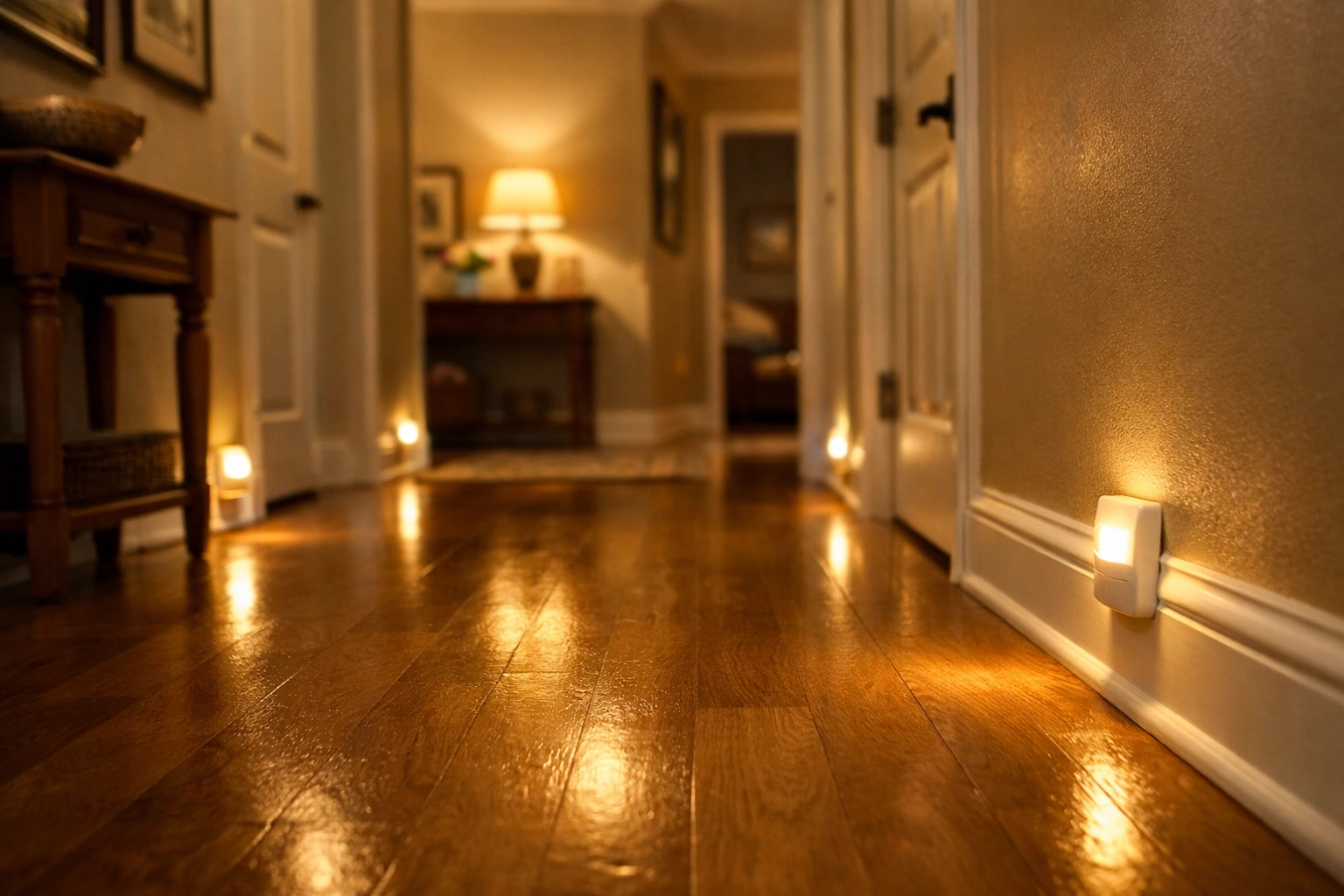
- Path Lighting: Use plug-in motion-sensor nightlights in every hallway and bathroom. These are inexpensive and ensure that even if you’re up at 3:00 AM, the path is illuminated without you having to fumbled for a switch.
- Stairwell Clarity: Stairs should be the brightest part of the house. Ensure there are light switches at both the top and the bottom of the staircase.
Flooring and the "Throw Rug" Conversation
We know, we know: that rug in the hallway really ties the room together. But in the world of fall prevention, loose rugs are one of the leading causes of trips.
- The Tape Test: If you aren't ready to get rid of a rug, it must be secured. Use double-sided rug tape or a high-quality non-slip pad. If the edges are curling up, it’s a trip hazard and needs to go.
- Clear the Cords: We live in a world of electronics, which means a world of charging cables. Coil cords along the baseboards and use cord covers to ensure they aren't crossing walking paths.
- Contrast Matters: Sometimes, a dark rug on a dark floor can be hard to see. Using contrasting colors helps our brains map out the room more effectively.
Mobility Aids: Tools for Living Well
There is sometimes a stigma around using mobility aids, but we like to think of them like glasses. You wear glasses to see better; you use a mobility aid to move better.
Depending on your needs, there are several types of equipment that can provide a "third point of contact" for balance.
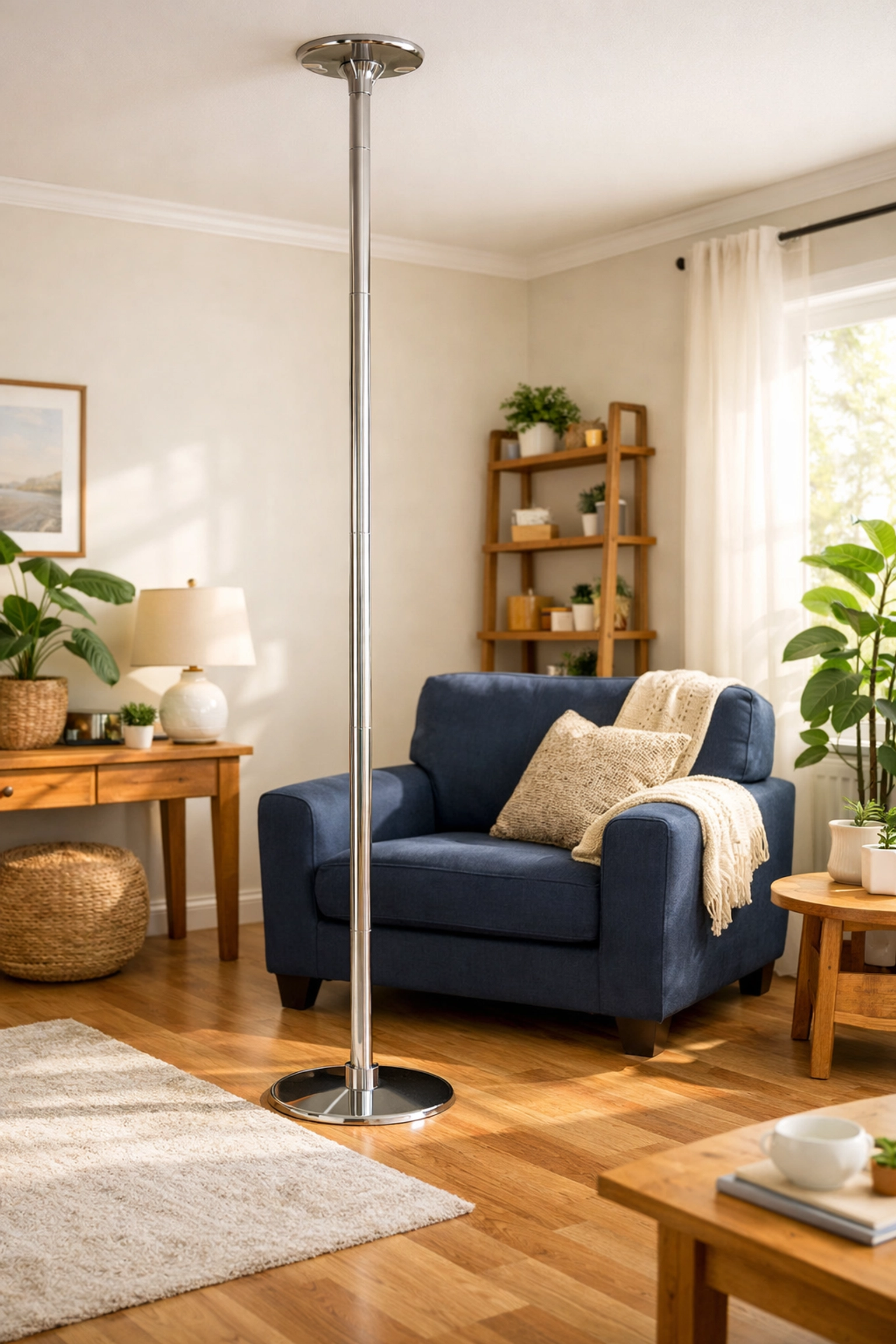
- Stability Poles and Rails: In open areas where there are no walls to hold onto, floor-to-ceiling poles or bedside rails can provide a sturdy point of support for sitting down or standing up.
- Parallel Bars: For those working on regaining strength, small indoor rails can provide a safe space to practice walking and balance exercises.
- Proper Fit: No matter what aid you use, it must be the right height for you. A cane that is too tall or a walker that is too low can actually cause more balance issues than it solves.
The Physical Connection: Strength and Balance
While we spend a lot of time talking about the house, we also have to talk about the person living in it. Keeping your body "fall-proof" involves three main pillars: strength, balance, and vision.
Gentle Movement
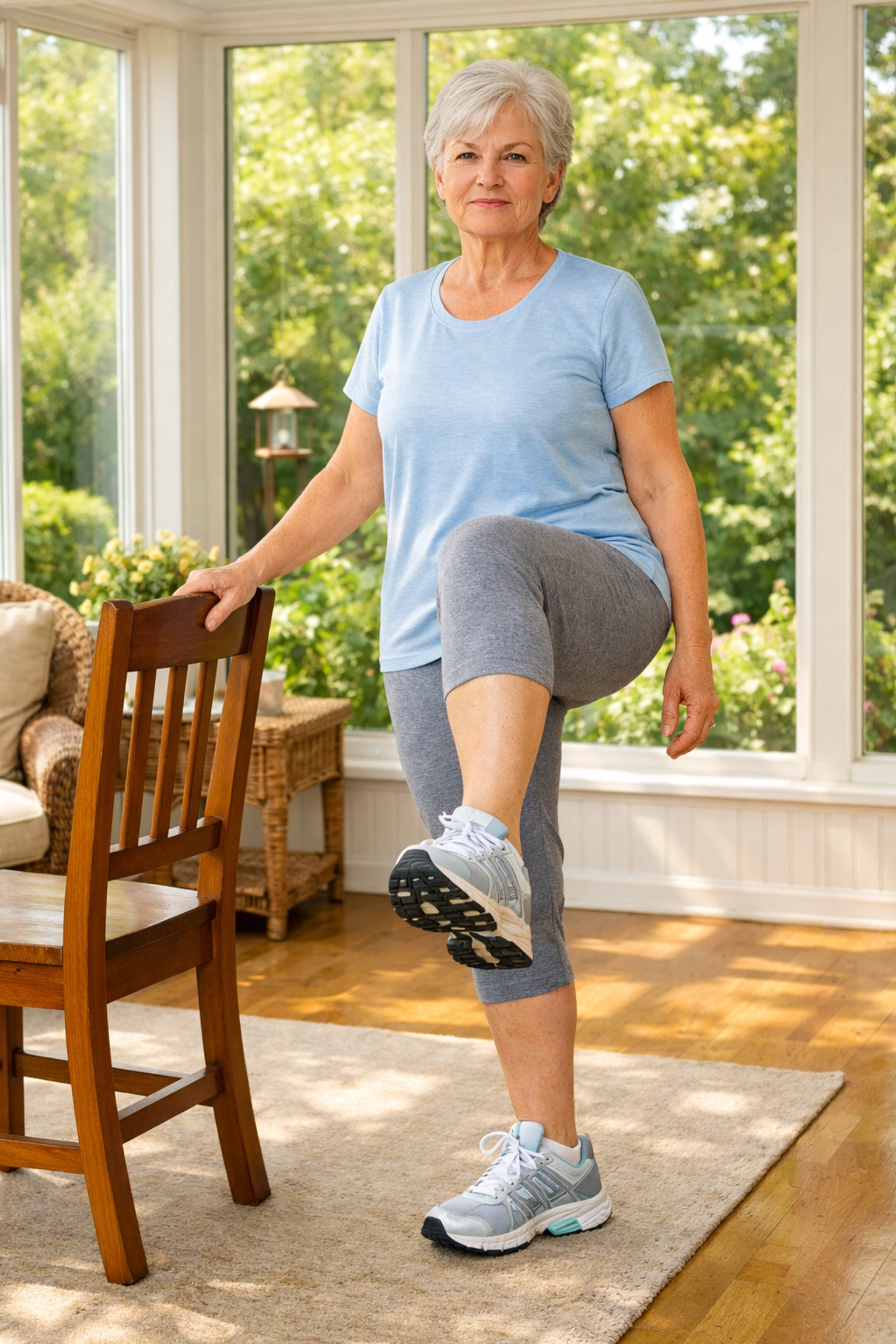
You don't need to be an Olympic athlete to improve your balance. Activities like Tai Chi or seated yoga are fantastic for building core strength and body awareness. Even simple calf raises while holding onto the kitchen counter can help strengthen the muscles used for walking.
The Role of Footwear
What you wear on your feet inside the house is just as important as what you wear outside.
- Avoid "Floppy" Slippers: Slippers without a back or those that are too loose can easily catch on a carpet edge.
- Grip is Key: Look for footwear with a non-slip rubber sole.
- No "Socks Only": Walking on hardwood or tile in just socks is incredibly slippery. If you prefer not to wear shoes, look for "gripper socks" with rubber treads on the bottom.
Managing Medications
Sometimes, dizziness isn't about balance; it’s a side effect of a pill. Some medications, or combinations of them, can cause drops in blood pressure when you stand up. It’s always a good idea to have a yearly "medication review" with your doctor to ensure your prescriptions aren't contributing to a fall risk.
Creating a Routine for Maintenance
Home safety isn't a "one and done" task. Our homes change, and so do our needs. We recommend doing a "Safety Sweep" at the start of every season.
- Check the Bulbs: Walk through and make sure every light is working.
- Test the Rails: Give your grab bars and handrails a firm shake to make sure they haven't loosened.
- Clear the Clutter: It’s easy for magazines, mail, and packages to pile up. Take ten minutes to clear the walkways.
- Outside the Home: Don't forget the porch! Check for loose bricks, uneven gravel, or slippery moss on the steps.
A Reassuring Path Forward
Taking these steps might feel like a lot to process, but remember: you don't have to do it all at once. Start with the bathroom. Next week, focus on the lighting. The week after that, look at your footwear.
Fall prevention is a gift you give to yourself and your family. It provides peace of mind for your loved ones and, more importantly, it protects your ability to live your life on your own terms. Your home should be the place where you feel safest, and with a few thoughtful changes, it can stay that way for years to come.
If you ever feel stuck, don't hesitate to reach out to a professional, like an occupational therapist. They are experts at looking at a home and finding the exact modifications that will work for your specific lifestyle.
Stay safe, stay active, and keep moving forward with confidence.

