
Stairs are often the most intimidating part of a home, especially as we get older or start to experience changes in our mobility. They represent a paradox: they connect the different levels of our lives, yet they also pose one of the highest risks for falls. At Fall Guys Products, we talk to families every day who are looking for ways to stay in the homes they love without the constant worry of a "trip-and-fall" incident.
The truth is, many of the hazards associated with stairs aren't structural: they’re habitual. We develop routines over decades that served us well in our thirties but might be working against us now. Understanding these common mistakes is the first step toward reclaiming your independence and moving through your home with confidence.
I’m Brian Kerr, and I’ve spent a lot of time looking at how people navigate their living spaces. Let’s walk through the seven most common mistakes people make with stair safety and, more importantly, how you can fix them today.
1. The "I Don't Need the Railing" Habit
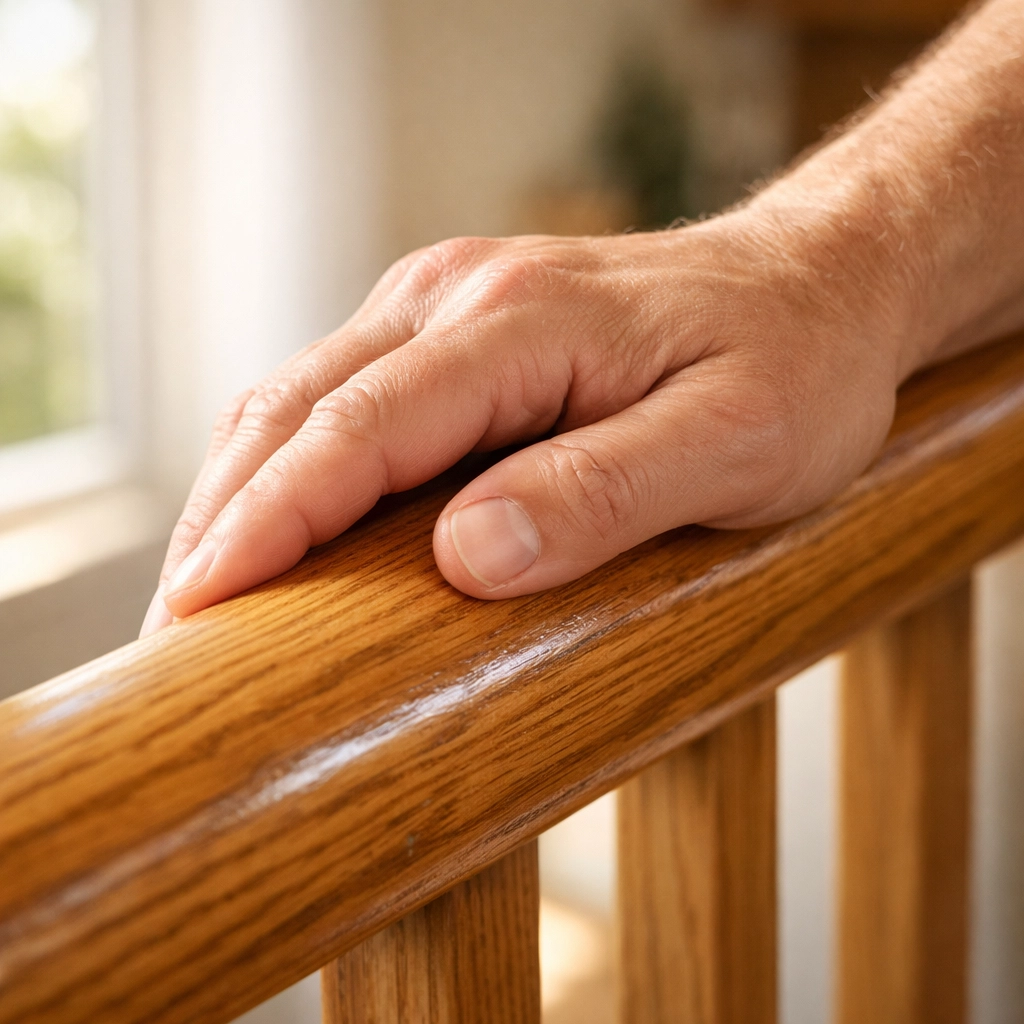
One of the most frequent mistakes I see is the "one-handed" or "no-handed" approach. Many of us take pride in our balance and feel that reaching for the handrail is a sign of decline. However, using a handrail isn't about admitting weakness; it’s about physics.
A handrail provides a third point of contact. In the world of stability, three points are significantly more secure than two. If you happen to catch the edge of your slipper or misjudge the depth of a step, that handrail is the difference between a minor stumble and a serious fall.
How to Fix It:
- The Two-Handed Technique: Whenever possible, use two handrails if your staircase is wide enough to have them on both sides. If not, always keep at least one hand firmly on the rail.
- Check the Grip: A handrail is only useful if you can actually grip it. If your railing is too thick to wrap your fingers around, or too thin to provide leverage, it needs to be replaced.
- Structural Integrity: Give your railing a firm shake. Does it wiggle? If the brackets are loose, they won't support your weight in an emergency. Ensure your handrails are at a height of about 34 to 38 inches (roughly 90 cm) for optimal ergonomics.
2. Rushing or the "Just One Quick Trip" Mentality
We live in a fast-paced world, and that often carries over into how we move between floors. Whether the phone is ringing, someone is at the door, or we simply want to get a chore finished, rushing is the primary cause of missteps.
When we rush, our brain skips the "feedback loop" of ensuring our foot is fully planted before moving the next one. This is especially dangerous when descending. Statistically, more falls happen on the way down than on the way up, primarily because the momentum of gravity is working against your balance.
How to Fix It:
- The Landing Pause: Every time you reach the top or bottom of a flight of stairs, stop for three seconds. This "reset" allows your blood pressure to stabilize and your eyes to adjust to the new perspective.
- One Step at a Time: It might feel slow, but placing both feet on a single step before moving to the next is a gold-standard safety technique.
- Mindfulness: Make the staircase a "no-phone zone." If you need to check a text or answer a call, do it before you start climbing or after you finish.
3. Using the Stairs as a Temporary Storage Shelf
We’ve all done it. You have a pair of shoes that needs to go upstairs, or a book that belongs in the bedroom, so you set it on the bottom two steps to grab "the next time you head up." This creates a "tripwire" effect.
Stairs are designed for feet, not for storage. Even if you think you’ll remember the object is there, your brain often goes onto autopilot. In dim light or a moment of distraction, that pile of mail or those slippers become a major hazard.
How to Fix It:
- The Zero-Object Rule: Commit to a strict rule that nothing: ever: sits on the stairs.
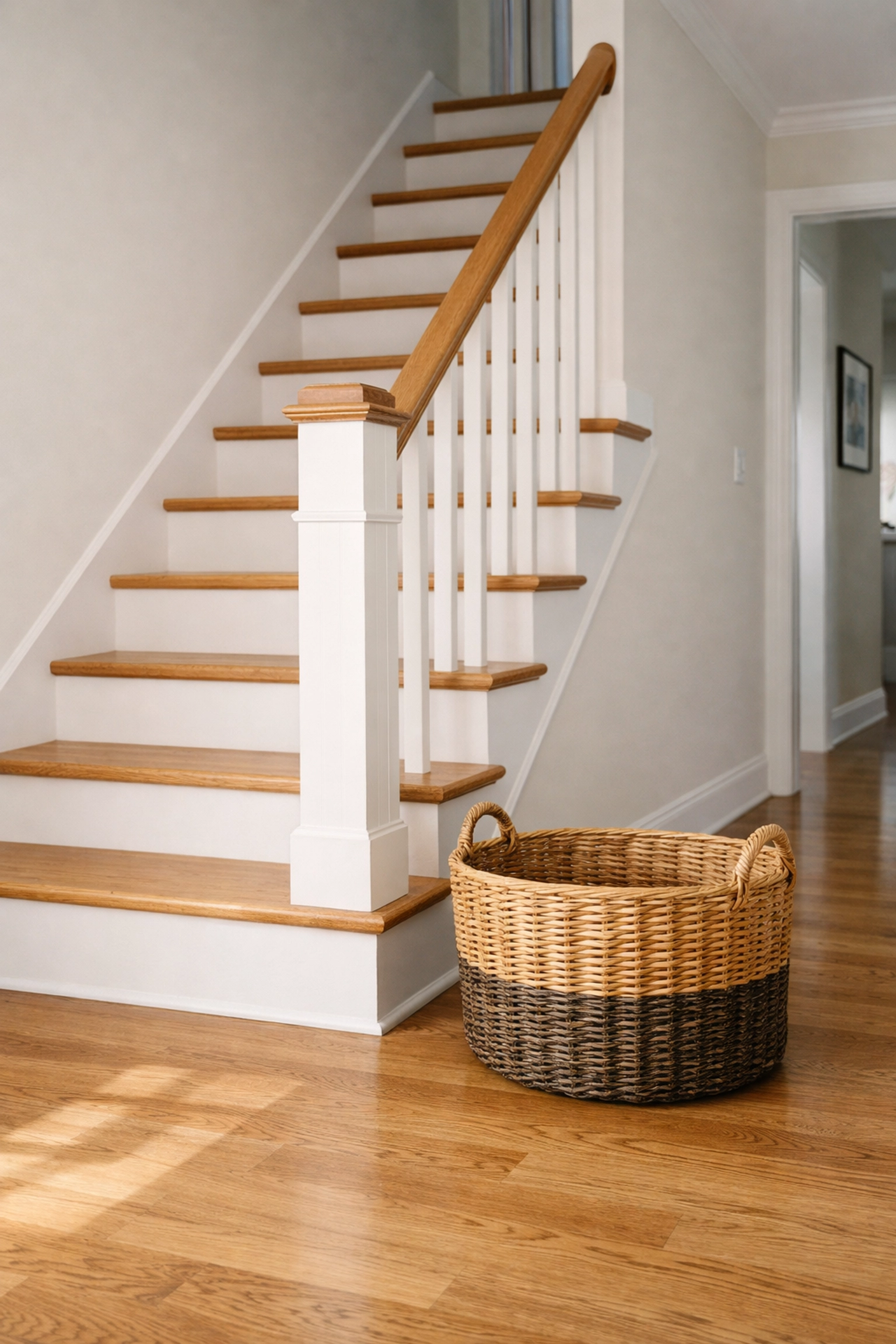
- Basket System: If you need to transport items, place a sturdy basket at the base of the stairs (on the floor, not on a step) to collect items throughout the day. Only carry the basket up when your hands are free and you can maintain a safe grip on the railing.
- Clear the Path: Regularly check for stray electrical cords or decorative rugs near the top or bottom of the stairs. These can easily get bunched up and cause a trip before you even reach the first step.
4. Inadequate or Deceptive Lighting
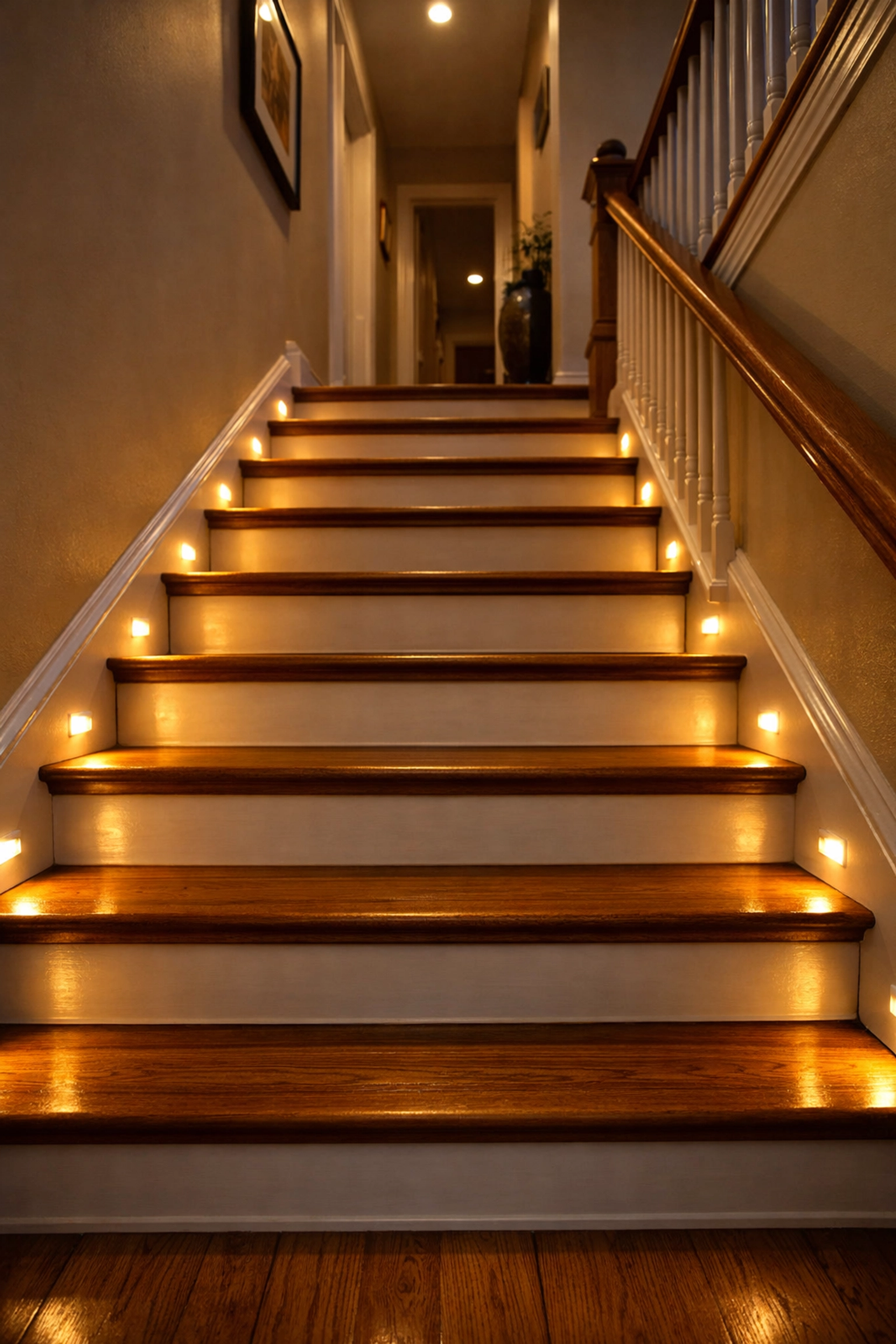
Lighting is often overlooked, but it is critical for depth perception. As we age, our eyes require more light to distinguish between the edge of a step and the shadow it casts. If your stairwell has "yellowish" dim bulbs or significant shadows, you are essentially climbing partially blind.
Furthermore, the transition from a bright room to a dark hallway can cause temporary "vision lag," where your eyes haven't yet adjusted to the lower light levels, making the first few steps particularly dangerous.
How to Fix It:
- Motion-Sensing Lights: Battery-operated LED motion sensors are fantastic. They light up the path as you approach, ensuring you never have to "fumble" for a switch in the dark.
- Contrast Strips: If your stairs are all one color (like dark wood or uniform carpet), it’s hard to see where one step ends and the next begins. Adding a strip of high-contrast tape or paint to the edge of each step can drastically improve visibility.
- Dual Switches: Ensure there are light switches at both the top and the bottom of the stairs so you never have to navigate in the dark to turn the lights on.
5. The "Laundry Basket Blindfold"
Carrying bulky items is one of the most dangerous things you can do on a staircase. When you carry a large laundry basket, a stack of boxes, or a heavy vacuum cleaner, two things happen: you lose your ability to use the handrail, and you block your line of sight to your feet.
If you cannot see the edge of the step you are about to step on, you are relying entirely on muscle memory, which is risky. Additionally, carrying a heavy load shifts your center of gravity, making you more prone to tipping forward or backward.
How to Fix It:
- The "One Hand Free" Rule: Never carry anything that requires two hands. If it needs two hands, it needs a second person or a different solution.
- Smaller Loads: Break one large laundry load into three smaller ones that you can carry in one arm while keeping your other hand on the railing.
- Alternative Transport: Consider using a "stair slide" or simply dropping soft items (like laundry) down the stairs before you descend, then picking them up once you are safely at the bottom.
6. Wearing the Wrong "Equipment" (Footwear)
The "mistake" isn't just about the stairs themselves; it’s about what’s on your feet. Walking on stairs in stocking feet (socks) is incredibly dangerous, especially on wood, tile, or laminate surfaces. Socks provide zero traction and essentially turn the stairs into a slide.
Similarly, loose-fitting slippers or "flip-flops" can easily slip off or catch the edge of a step, causing a stumble. Even heavy boots can be a problem if the soles are too thick, as they reduce the "proprioception" (the feedback your brain gets from your feet about where they are in space).
How to Fix It:
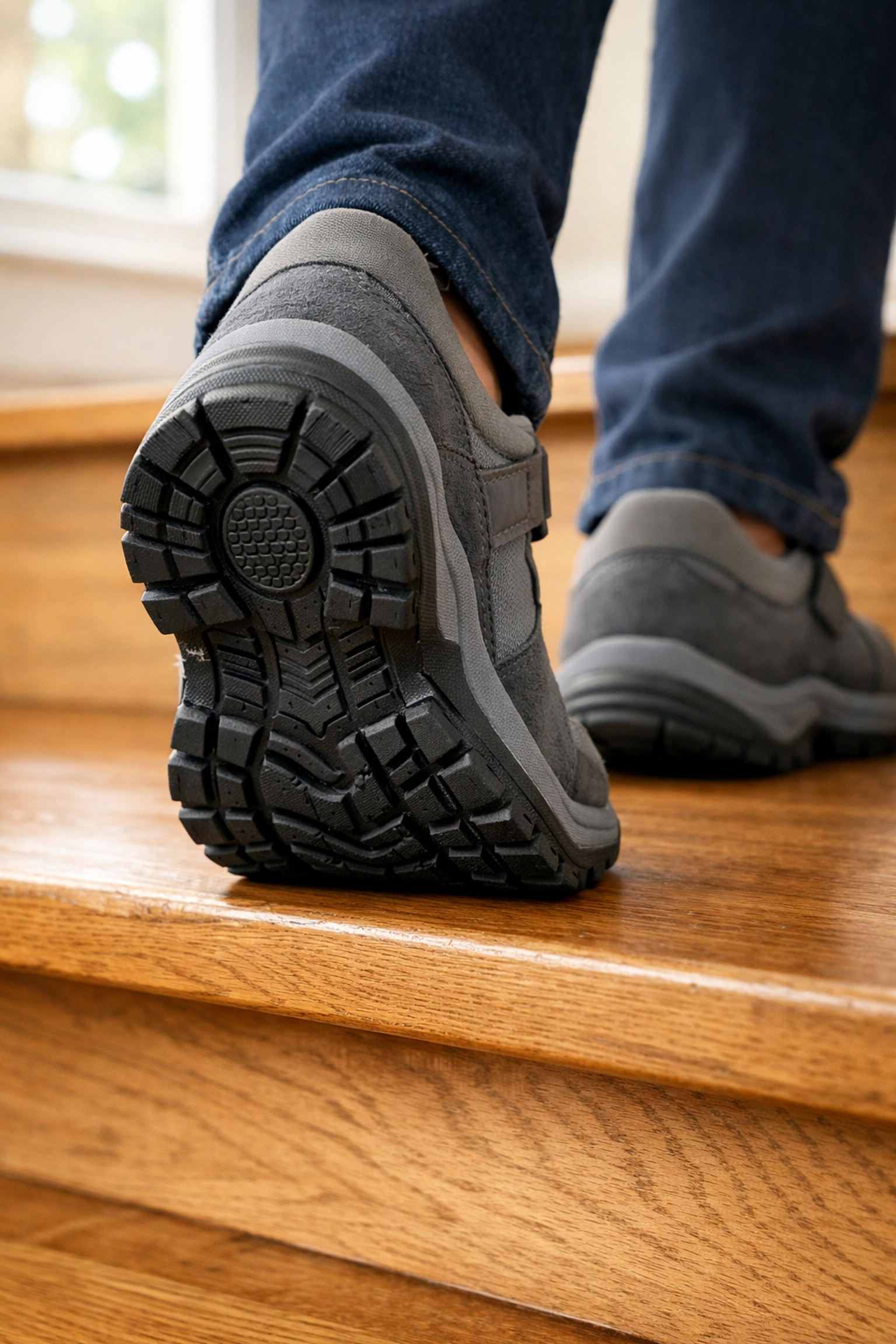
- Non-Slip Soles: Wear sturdy, well-fitting shoes with rubber soles that grip the surface.
- Grip Socks: If you prefer not to wear shoes in the house, invest in high-quality socks with rubberized treads on the bottom.
- Check the Fit: Ensure your footwear isn't stretched out. If your heel slips out of your shoe while walking on flat ground, it is not safe for the stairs.
7. Neglecting Basic Maintenance
A staircase is a mechanical part of your home, and like any machine, it requires maintenance. Over time, carpet can become loose and "bubble up," creating a loop that catches toes. Wooden treads can become slick as the finish wears down, and outdoor stairs can accumulate moss or ice.
Many people ignore a "creak" or a slightly loose board, but these are early warning signs. A step that gives way even a fraction of an inch under your weight can be enough to throw off your balance.
How to Fix It:
- The Monthly Inspection: Once a month, walk your stairs specifically to look for hazards. Check for loose carpet staples, peeling grip tape, or cracked wood.
- Non-Slip Treads: For wooden stairs, consider adding clear non-slip adhesive strips. They don't ruin the aesthetic of the wood but provide much-needed friction.
- Outdoor Care: Ensure outdoor steps are treated for ice in the winter and scrubbed of any slippery algae or moss in the spring.
Creating a Culture of Safety
At the end of the day, stair safety is about more than just hardware; it’s about a mindset of self-care. We often think of these changes as "concessions" to age, but I prefer to think of them as smart optimizations for a long and healthy life.
Taking an extra thirty seconds to clear the stairs, or choosing to carry a smaller load of laundry, isn't an inconvenience: it's an investment in your ability to keep living in the home you love.
By identifying these seven mistakes and making the simple fixes we’ve discussed, you can turn a source of anxiety into just another part of your home. Remember, the goal isn't just to get up and down the stairs; it's to do so with total peace of mind. Stay safe, move slowly, and always keep a hand on that rail.

