
Hi there. I’m Brian Kerr, the founder of Fall Guys Products. If you’re reading this, you’re likely looking for ways to keep yourself or a loved one safe and independent at home. I know that the topic of falling can feel a bit heavy, maybe even a little scary. But here’s the thing: while falls are common as we get older, they aren't an inevitable part of aging.
Most falls are the result of several factors coming together at once: a bit of clutter, a slightly dim hallway, or a moment of dizziness. The good news is that most of these factors are things we can control. This guide is designed to give you a clear, manageable roadmap to making your home and your lifestyle as safe as possible. We’re going to look at everything from physical exercises to simple home hacks, all with the goal of giving you peace of mind.
Understanding Why We Fall
Before we dive into the "how-to," it’s helpful to understand the "why." As we age, our bodies undergo subtle changes. Our reflexes might slow down just a fraction, our vision might not be as sharp in low light, and our balance might feel a little less "automatic" than it used to.
Often, a fall isn't caused by one big mistake. It’s usually a combination of "intrinsic" factors (things happening inside our bodies) and "extrinsic" factors (things in our environment). By addressing both, we create a safety net that significantly reduces the risk of injury.
Step 1: Assessing Your Personal Risk
The first step in any successful prevention plan is knowing where you stand. You don't need to be a doctor to do a basic check, but it is always a good idea to involve a healthcare professional.
The "Timed Up and Go" Concept
One common way physical therapists check mobility is by seeing how easily someone can get up from a chair, walk a short distance, and sit back down. If you find yourself using your arms to push off the chair every single time, or if you feel unsteady during the "turn" part of a walk, your balance might need a little extra attention.
Talk to Your Doctor
Next time you have a check-up, bring up fall prevention. Ask your doctor to review your medications. Some prescriptions for blood pressure or sleep can cause dizziness or "orthostatic hypotension" (that head-rush feeling when you stand up too fast). Simply adjusting the timing of a dose can sometimes make a world of difference.

Step 2: Strengthening the Foundation
Your muscles and joints are your body’s primary defense against a fall. When your legs are strong and your core is stable, you can catch yourself if you trip.
The Power of Balance Training
Balance isn't just something you have; it’s a skill you can practice. Programs like Tai Chi are world-renowned for fall prevention because they focus on slow, deliberate movements and weight shifting. It teaches your brain and your body how to communicate more effectively.
Simple Home Exercises
You don't need a gym membership to build stability. Here are a few things you can do in your living room:
- Sit-to-Stands: Sit in a sturdy chair. Try to stand up without using your hands. Sit back down slowly. Repeat this 10 times. This builds the "quad" strength needed for getting out of cars or off toilets.
- Heel-to-Toe Walk: Imagine you are on a tightrope. Place the heel of one foot directly in front of the toes of the other. Take ten steps forward. (Make sure you have a counter or wall nearby for safety!)
- Single Leg Stand: While holding onto a kitchen counter, try to balance on one leg for 10–15 seconds. Switch sides.
Remember, the goal isn't to become an athlete. The goal is "functional fitness": having the strength to navigate your daily life with confidence.
Step 3: Managing Your Health and Senses
Our bodies rely on our senses to navigate the world. If those senses aren't giving us the right information, our risk of tripping goes up.
Vision and Hearing
Have your eyes checked at least once a year. Glare can be a major issue for seniors, so talk to your eye doctor about anti-reflective coatings. Also, don't overlook your hearing. Our inner ear is the command center for balance. If you're struggling to hear, your brain is working harder to process sound, which can actually distract you from maintaining your balance.
Foot Health
If your feet hurt, you’ll change the way you walk to compensate for the pain. This "antalgic gait" is often less stable. Seeing a podiatrist to handle bunions, thick nails, or numbness (neuropathy) is a key part of staying upright.

Step 4: The Comprehensive Home Safety Audit
Most falls happen in the home, often in the places we feel most comfortable. Because we know our homes so well, we tend to stop "seeing" the hazards. Let’s take a walk through the house together.
Lighting: The Easiest Fix
As we age, we need more light to see clearly.
- The Hallway: Replace dim bulbs with bright LEDs.
- The Path to the Bathroom: This is the most dangerous route in the house at 2:00 AM. Install motion-activated night lights along the baseboards so the path is lit before your feet hit the floor.
- Switches: If your light switches are hard to find in the dark, consider glow-in-the-dark tape or illuminated switches.
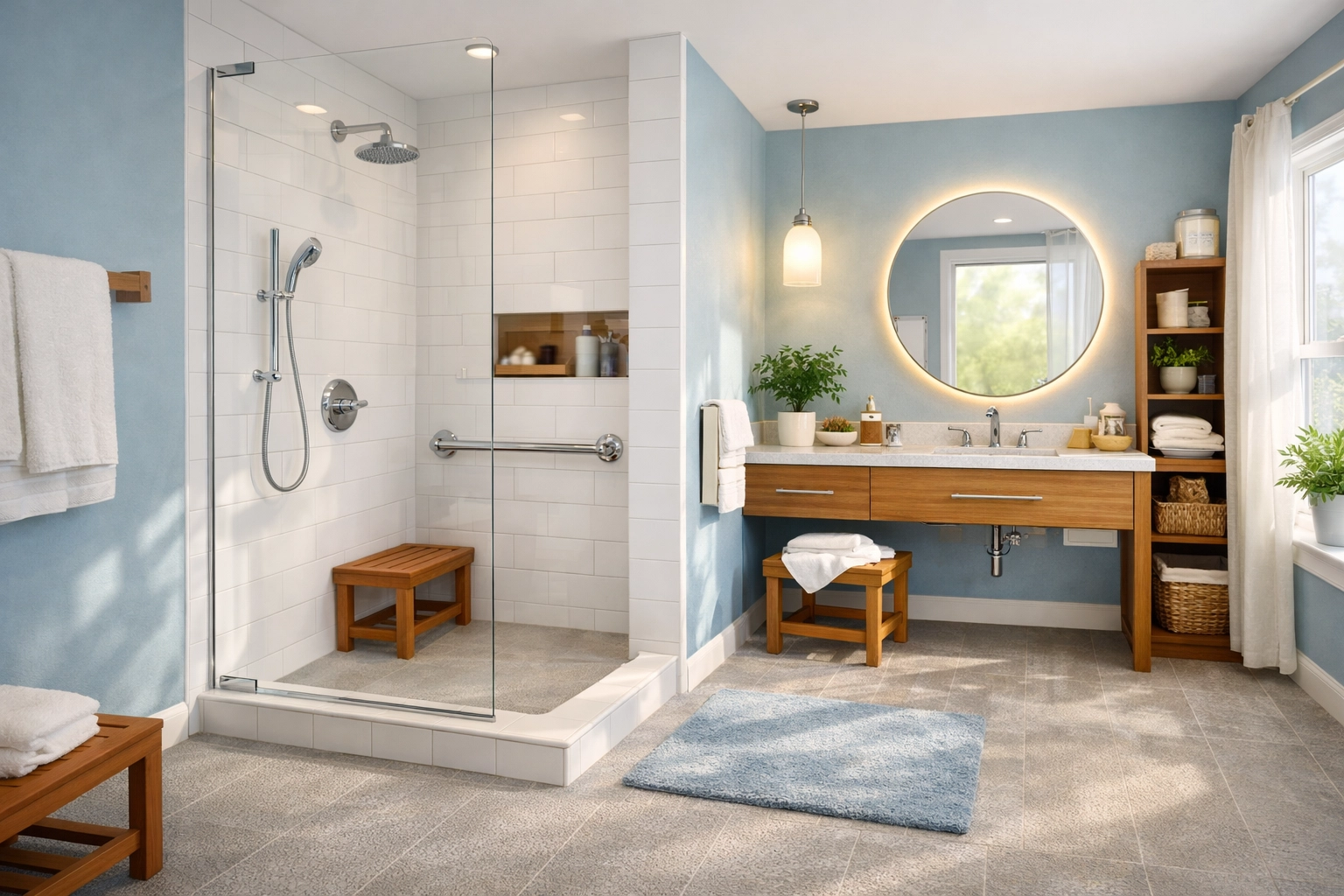
The Bathroom: Ground Zero for Safety
The bathroom is often full of hard, slippery surfaces. It’s the room where we are most vulnerable.
- Grab Bars: Forget the "towel rack." A towel rack is held in by tiny screws and will pull out of the wall the moment you put weight on it. Real grab bars are bolted into the wall studs. You want one by the toilet and at least two in the shower/tub area.
- Non-Slip Surfaces: Use high-quality rubber mats inside the tub. Outside the tub, use rugs with a full rubber backing that won't slide.
- Raised Toilet Seats: These make the "sit-to-stand" motion much easier on the knees and hips.
The Living Room and Bedroom
- Throw Rugs: These are the "banana peels" of the home. Ideally, remove them entirely. If you must keep them, use heavy-duty double-sided tape to secure every edge to the floor.
- Clutter: Keep walking paths clear. Watch out for oxygen tubing, phone chargers, and "pet zones" (dog toys or water bowls).
- Furniture Height: Ensure your favorite chair and your bed aren't so low that you have to "lunge" to get out of them.
The Kitchen
- Reachability: Move the items you use most often (the coffee pot, your favorite skillet) to waist-high counters. Avoid using step stools whenever possible. If you must use one, ensure it has a high handrail to hold onto.
Step 5: Footwear Matters
I can’t stress this enough: walking in socks on a hardwood or tile floor is one of the easiest ways to have an accident. Socks provide zero traction.
What Makes a Safe Shoe?
- Sturdy Soles: Look for non-slip rubber soles with a good grip.
- Supportive Backs: Avoid "scuffs" or backless slippers. Your foot can easily slide out of them, causing a trip.
- Proper Fit: Shoes that are too big can cause you to stumble, while shoes that are too tight can cause pain that changes your gait.
If you prefer to be "shoeless" at home, look for specialized grippy socks that have rubber treads across the entire bottom, or better yet, a dedicated pair of "indoor only" supportive sneakers.
Step 6: Using Mobility Aids the Right Way
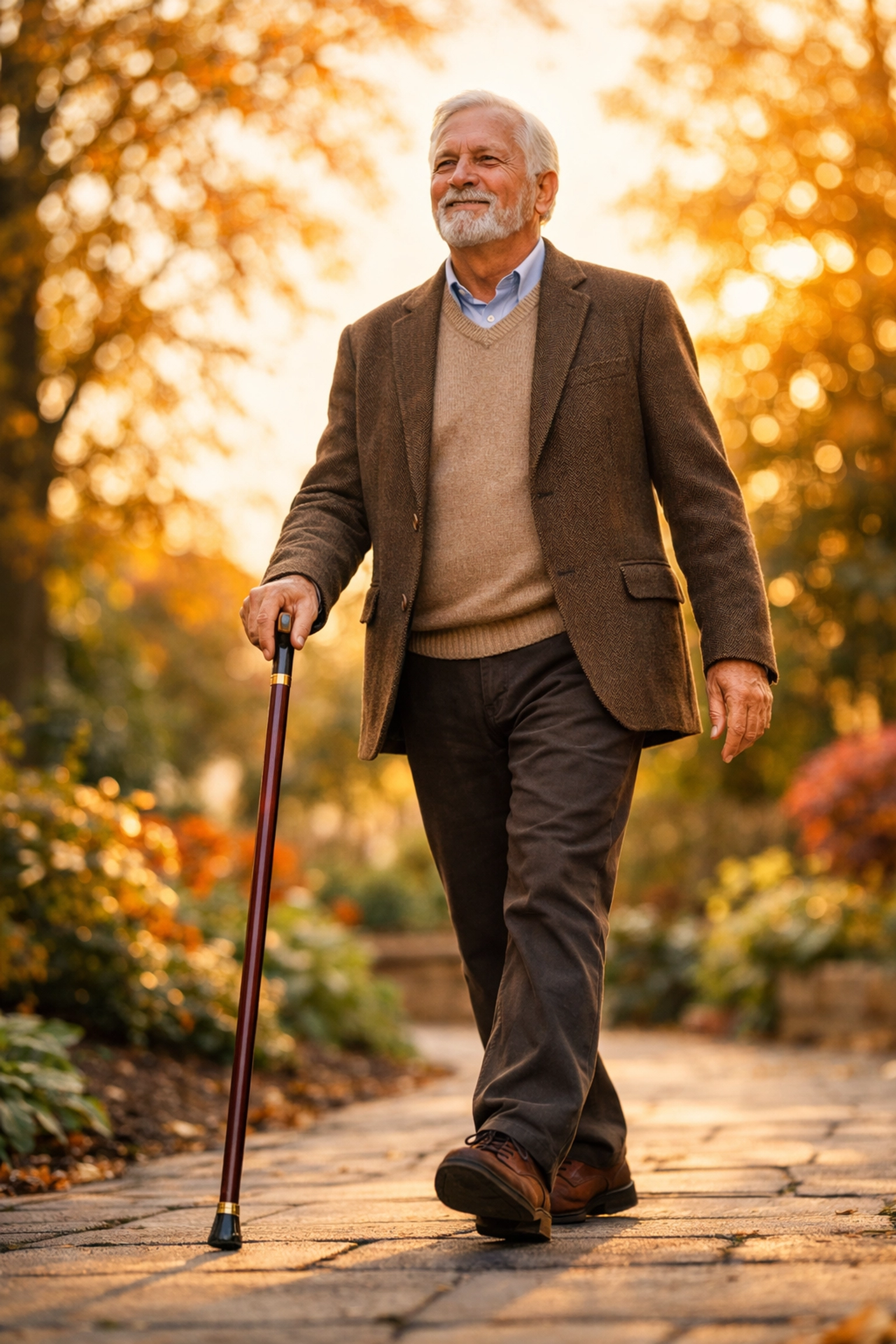
There is sometimes a bit of a "stigma" around using a cane or a walker. I often hear people say, "I’m not ready for that yet." But think of it this way: a mobility aid isn't a sign of weakness; it’s a tool for independence. It’s the difference between staying home and being able to go for a walk in the park.
Choosing the Right Tool
- Canes: Great for minor balance issues or single-sided weakness.
- Walkers/Rollators: Better for those who need more stability or get tired easily (since many come with a built-in seat).
- The Fit: This is crucial. If your cane is too high, it will hurt your shoulder. If it’s too low, it will make you slouch. Your physical therapist can help you "size" your device so that your elbow has a comfortable 15-degree bend when you hold the handle.
Step 7: Daily Precautions and Habits
Sometimes, it’s the small habits that keep us safe.
- Slow Down: Many falls happen when the phone rings or someone is at the door. Practice "conscious walking." Tell yourself, "The phone can wait, I am taking my time."
- Stay Hydrated: Dehydration is a leading cause of dizziness and fainting in seniors.
- The "Hands-Free" Rule: Try not to carry large loads that block your view of your feet. Use a backpack or a fanny pack to keep your hands free to grab a railing if you lose your balance.
- Weather Awareness: If it’s icy or rainy, it’s okay to stay in. Many grocery stores and pharmacies now offer delivery. There’s no shame in choosing the safe option when the elements are against you.
What to Do if a Fall Happens
Even with the best preparation, accidents can happen. It’s important to have a plan.
- Don't Panic: Stay on the floor for a moment to catch your breath and check for pain.
- Test Your Limbs: Slowly move your arms and legs to see if anything feels broken or severely hurt.
- The "Crawl and Climb" Method: If you aren't hurt, crawl to the nearest sturdy piece of furniture (like a sofa or a heavy chair). Put your hands on the seat, bring one knee up, and use your strength to push yourself up into a sitting position.
Always tell your doctor if you fall, even if you aren't hurt. It’s a vital piece of information that helps them provide the best care for you.
Conclusion
Preventing falls is about taking control of your environment and your health. It’s a series of small, manageable steps: switching a lightbulb, doing a few leg lifts while the kettle boils, or finally installing that grab bar in the shower.
At Fall Guys Products, we believe that safety is the foundation of a happy, active life. You’ve spent a lifetime working hard; you deserve to feel secure in your own home. Take it one room at a time, one habit at a time, and don't be afraid to ask for help from family or professionals. You’ve got this!

