
Most of us want the same thing as we get older: to stay in the homes we love. There’s a certain comfort in the familiar creak of the floorboards, the way the light hits the kitchen table in the morning, and the memories tucked into every corner. This is what we call "aging in place," and it’s a wonderful goal.
However, staying home safely requires a bit of a strategy. One of the biggest hurdles to maintaining independence isn't a lack of desire: it’s the risk of a fall. Statistics often tell a scary story, noting that falls are a leading cause of injury for seniors. But here’s the part that doesn't get enough attention: most falls are preventable.
Preventing a fall isn't about wrapping yourself in bubble wrap or stopping the activities you love. It’s about being proactive, making smart adjustments to your environment, and keeping your body as strong as possible. In this guide, we’re going to walk through everything you need to know to make your home a safe haven for years to come.
Understanding Why Falls Happen
Before we dive into the "how" of prevention, it helps to understand the "why." Usually, a fall isn't caused by just one thing. It’s often a combination of environmental factors (like a slippery rug) and physical factors (like a momentary dizzy spell).
As we age, our bodies change in subtle ways. Our reflexes might slow down just a hair, our vision might shift, or we might lose a bit of muscle mass. When you combine these natural changes with a home that hasn't been updated for safety, the risk goes up. The good news is that by addressing both the home environment and your physical health, you can significantly tip the scales in your favor.
The Home Safety Audit: A Room-by-Room Approach
Your home should be your safest place, but many houses are full of small hazards that we’ve simply stopped noticing. A "home safety audit" is just a fancy way of saying we’re going to look at your living space with fresh eyes.
The Living Room and Walkways
Start where you spend the most time. Walk through your living room and hallways and look down.
- Clear the Path: Clutter is the enemy of stability. Ensure there is a clear, wide path through every room. Furniture should be arranged so you don’t have to weave through a maze to get to the kitchen or bathroom.
- The Rug Problem: We all love a good area rug, but they are one of the most common trip hazards. If a rug has curled edges or slides when you step on it, it needs to go. If you must keep it, use double-sided tape or a high-quality non-slip pad to secure it firmly to the floor.
- Cord Management: Check for phone chargers, lamp cords, or oxygen tubing stretching across walkways. Tuck these behind furniture or use cord organizers to keep them pinned against the baseboards.
The Kitchen
The kitchen is the heart of the home, but it’s also a place where spills and high-reaching can lead to trouble.
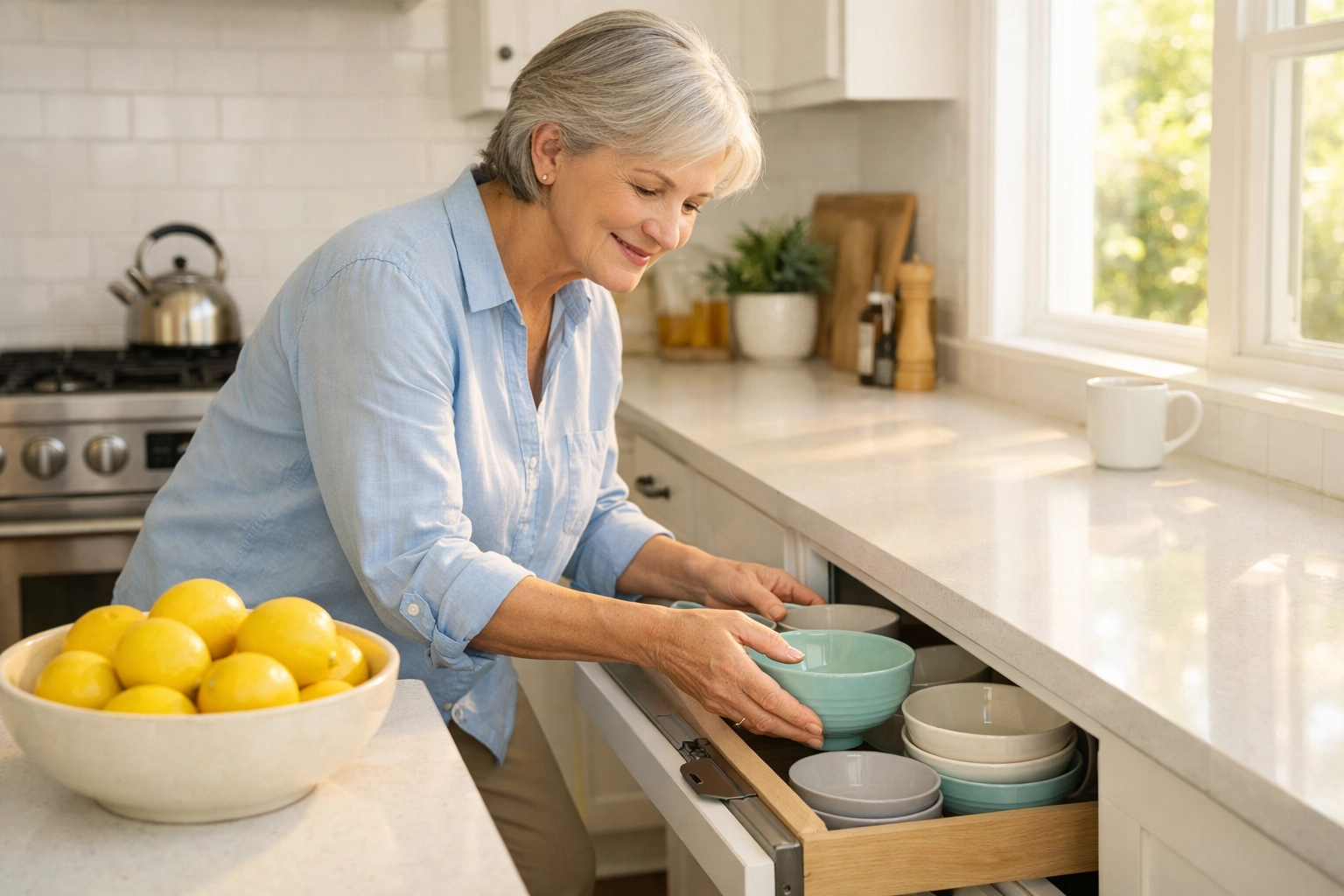
- Reachability: Re-organize your cabinets so that the items you use every single day: your favorite coffee mug, the heavy cast-iron skillet, the spices: are at waist height. You want to avoid using step stools whenever possible.
- Spill Response: Keep a dedicated mop or a roll of paper towels in an easy-to-reach spot. If water or oil hits the floor, it needs to be cleaned up immediately.
The Bathroom: A High-Priority Zone
Statistically, the bathroom is where the majority of home falls occur. Water, soap, and hard surfaces create a perfect storm for slips.
- Grab Bars are Essential: Forget the idea that grab bars look "clinical." Modern grab bars come in beautiful finishes that match your decor. You need them in two key spots: inside the shower/tub and next to the toilet. These provide the leverage you need when your balance is tested.
- Non-Slip Surfaces: Use non-slip mats or adhesive strips inside the tub. Outside the tub, use a bath mat with a solid rubber backing that won't budge.
- Raised Toilet Seats: Sometimes the act of sitting down and standing up is the hardest part. A raised toilet seat reduces the distance you have to move, which keeps your center of gravity more stable.
The Bedroom
Falls often happen in the middle of the night when we’re groggy and the room is dark.
- Bed Height: Your bed should be at a height where your feet flatly touch the floor when you sit on the edge. If it’s too high or too low, getting in and out becomes a physical chore.
- Night Lighting: Use motion-sensor nightlights that lead the way from your bed to the bathroom. You shouldn't have to fumble for a lamp switch in the dark.
- The Bedside Table: Ensure your phone, glasses, and a flashlight are always within arm's reach.
Lighting: Your Secret Weapon
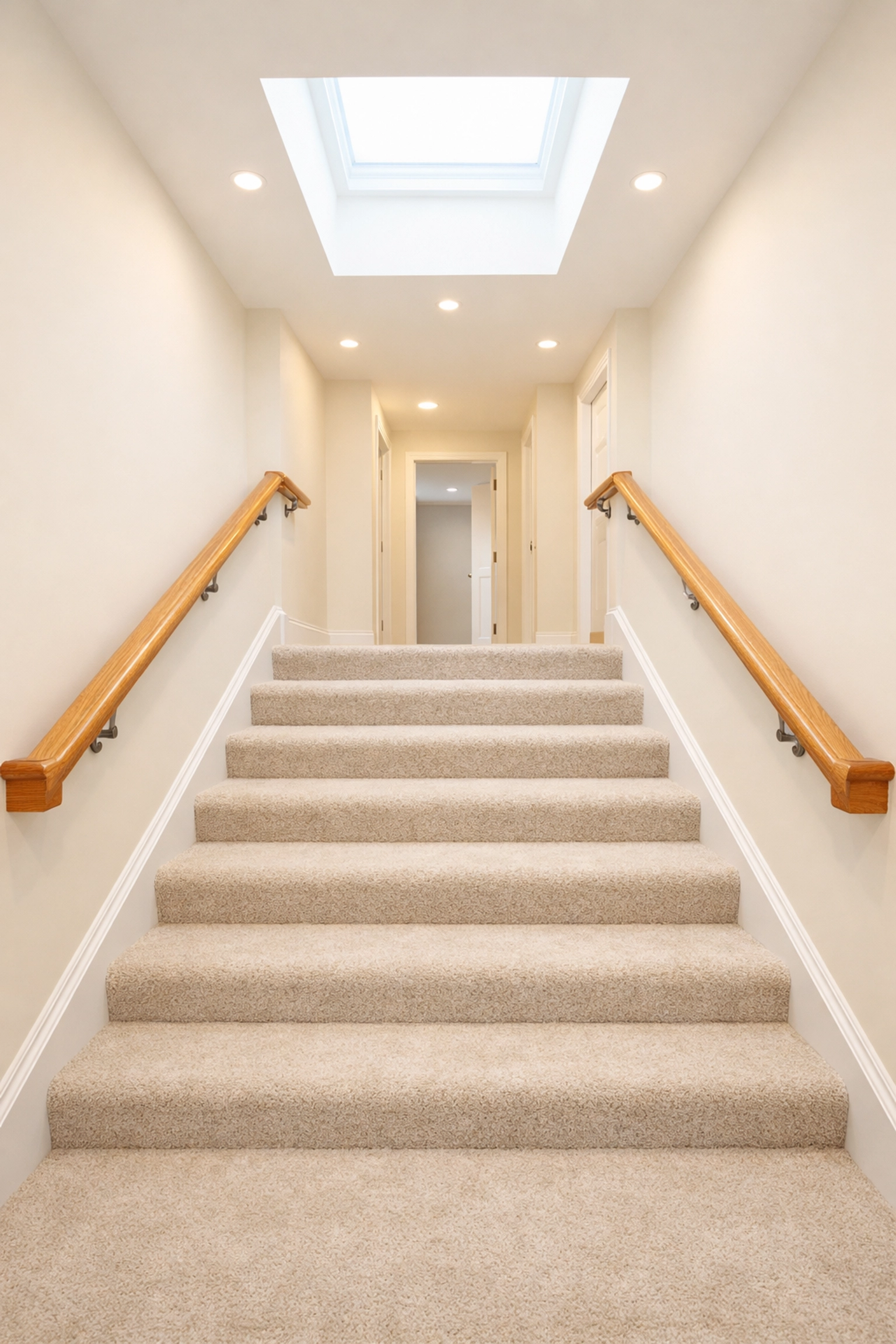
You can’t avoid what you can’t see. As we get older, our eyes require significantly more light to see clearly. Dimly lit hallways or shadows on the stairs can easily lead to a misstep.
- Upgrade Your Bulbs: Replace old, dim bulbs with bright LEDs. Look for "daylight" or "cool white" tones, which often provide better contrast than warm yellow lights.
- Two-Way Switches: Ensure you can turn on the light at the bottom of the stairs before you go up, and turn it off at the top. No one should ever have to navigate stairs in the dark.
- Exterior Paths: Don't forget the porch and the walkway to the car. Motion-activated floodlights are a great way to ensure you always have a clear view of where you’re stepping.
Physical Foundations: Strength and Balance
While modifying your home is crucial, the "equipment" you carry with you: your body: is just as important. Strength and balance aren't things that just disappear; they are skills that can be maintained and even improved at any age.
The Power of Movement
Physical activity is the single most effective way to prevent a fall. When your muscles are strong, they can catch you if you stumble. When your balance is honed, you’re less likely to stumble in the first place.
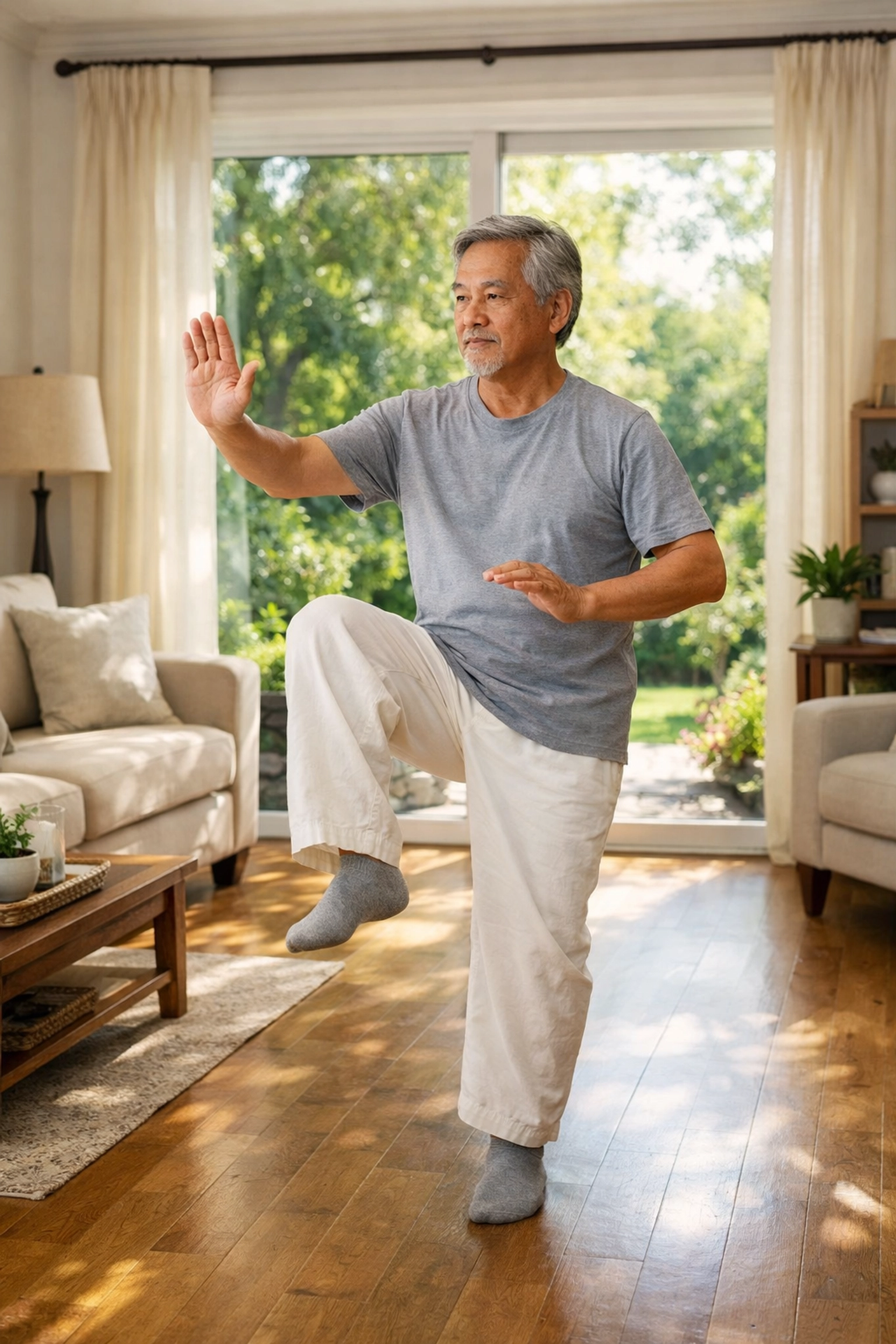
- Tai Chi: This ancient practice is often called "meditation in motion," and it is world-renowned for improving balance in seniors. It focuses on slow, controlled movements and weight shifting.
- Strength Training: You don't need to lift heavy barbells. Simple exercises like "sit-to-stands" (basically sitting in a chair and standing back up without using your hands) can build the leg strength necessary for stability.
- Walking: A simple daily walk helps maintain cardiovascular health and keeps your joints moving.
Before starting any new exercise routine, it's always a good idea to chat with your doctor or a physical therapist. They can help you find a program that fits your current mobility level.
Health and Lifestyle Considerations
Sometimes the risk of a fall comes from inside the body. Managing your overall health is a vital piece of the prevention puzzle.
Vision and Hearing
Your brain relies on your eyes and ears to tell it where you are in space. If your vision is blurry or your inner ear (which controls balance) isn't functioning correctly, your risk goes up.
- Annual Eye Exams: Make sure your prescription is up to date. If you use bifocals, be extra careful on stairs, as the bottom portion of the lens can distort your depth perception.
- Hearing Checks: Hearing loss has been linked to an increased risk of falls. Treating hearing issues can actually help your brain focus more on balance.
Medication Management
Many medications: even over-the-counter ones: can cause dizziness or sleepiness as a side effect. Some medications interact with each other in ways that affect your stability.
Take all your bottles (including vitamins and supplements) to your pharmacist or doctor once a year. Ask them to do a "medication review" to see if any of your prescriptions might be making you more prone to falling.
Footwear and Clothing
What you wear matters. That old pair of loose slippers might be comfortable, but they are a major trip hazard.
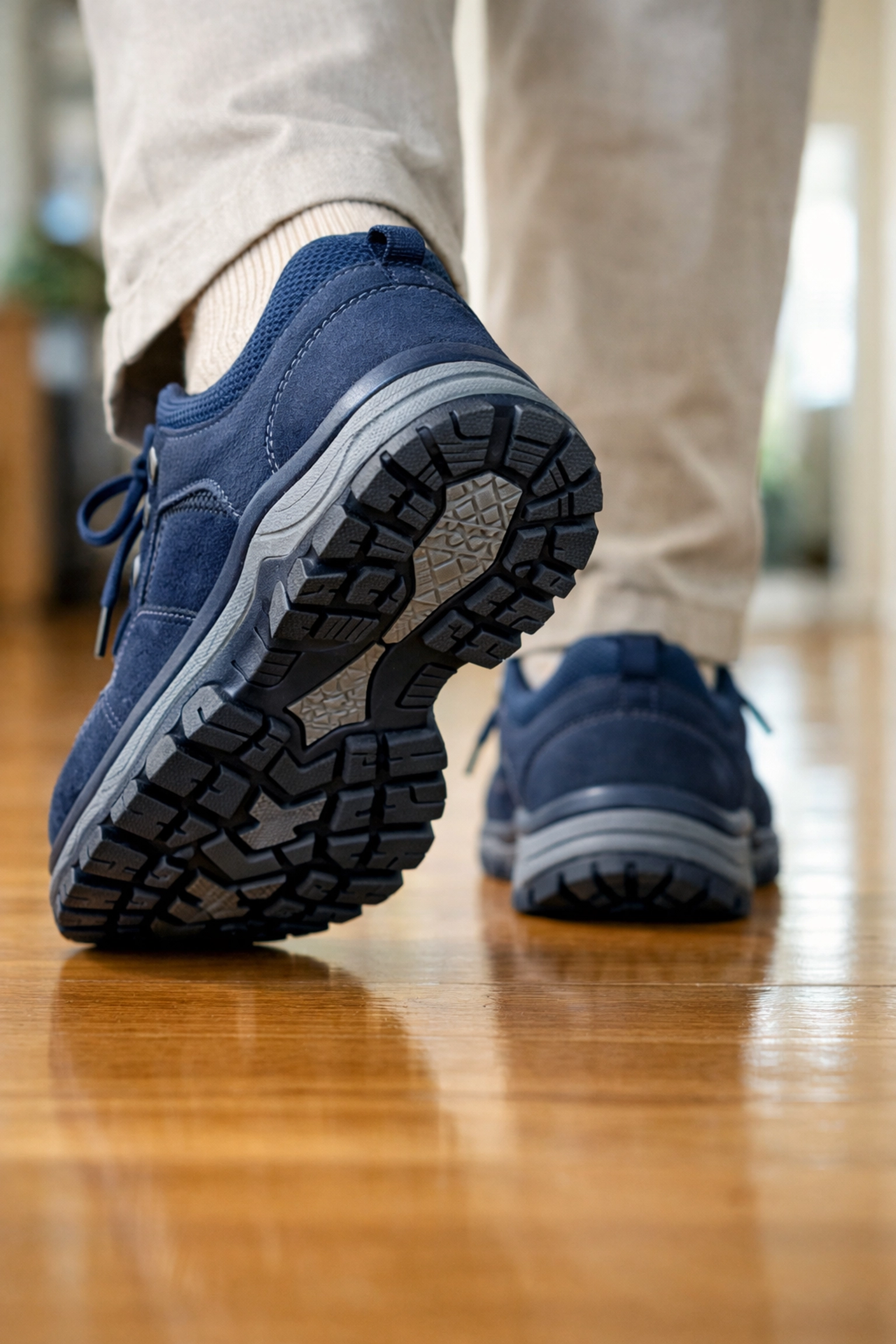
- Proper Shoes: Indoors and out, wear sturdy shoes with a non-slip sole and a back. Avoid walking in socks or stockings on smooth floors like wood or tile.
- Hem Your Pants: Long, flowy trousers or robes that drag on the floor are an easy way to trip yourself up. Ensure your clothing is the right length so it doesn't get caught under your heels.
The Psychological Side: The Fear of Falling
It’s important to talk about the "fear of falling." After a close call or a minor tumble, it’s natural to feel anxious. However, that fear can actually make you more likely to fall. When we're scared, we tend to take shorter, stiffer steps, which actually decreases our stability.
If you find yourself avoiding activities because you’re afraid of falling, talk to someone about it. Physical therapy can help rebuild your confidence by teaching you safe movement patterns and how to get up safely if you do happen to go down.
Technology and Mobility Aids
There is no shame in using a tool that keeps you moving. Canes, walkers, and rollators aren't signs of weakness; they are tools of independence. They allow you to go further and stay out longer without getting fatigued.
If you find yourself "furniture walking": touching walls and tables as you move through the house: it’s time to consider a mobility aid. A physical therapist can ensure you have the right device and that it’s fitted correctly to your height.
Creating Your Fall Prevention Plan
Preventing falls isn't a one-time task; it’s a lifestyle of awareness. Start small. Pick one room this weekend: maybe the bathroom: and make those changes. Next week, check your lighting. The week after, schedule that eye exam.
Aging in place is about more than just staying in your house; it’s about living there with confidence, safety, and dignity. By taking these steps today, you’re investing in your independence for tomorrow. You’ve worked hard for your home; now, let’s make sure your home works hard for you.

