
Hi, I’m Brian Kerr. If you’re reading this, you’re likely looking for ways to keep yourself or a loved one safe and independent. At Fall Guys Products, we spend a lot of time thinking about mobility, but more importantly, we think about the peace of mind that comes with knowing a home is safe.
Falls are often talked about as an inevitable part of aging, but I want to start by clearing that up: most falls are preventable. They aren't just "accidents" that happen by chance. They are usually the result of a combination of factors: some physical, some environmental, and some behavioral. By understanding these factors, seniors and caregivers can work together to create a lifestyle that prioritizes stability and confidence.
In this guide, we’re going to walk through everything you need to know to stay steady. We’ll cover how to spot risks, how to fix up the house, and how to keep your body ready for the day ahead.
Why Do Falls Happen? Understanding the Risk Factors
Before we can prevent a fall, we have to understand why they occur. Usually, it isn't just one thing. It's often a "perfect storm" of several small issues.
Physical changes are a big part of the equation. As we get older, our muscle mass naturally decreases, which can affect our balance and reaction time. Vision changes make it harder to spot a stray rug or a sudden change in floor height. Even something as simple as a change in medication can cause temporary dizziness or low blood pressure when standing up.
Environmental factors are the second half of the story. Most falls happen right at home: the place where we should feel safest. A loose carpet, a dimly lit hallway, or a lack of support in the bathroom can turn a familiar room into a hazard.
The good news is that almost all of these factors can be managed. It starts with a shift in mindset: seeing fall prevention not as a loss of independence, but as the best way to maintain it.
The Room-by-Room Home Safety Audit
Most people think their homes are safe because they’ve lived there for decades. But the home that worked for you at fifty might need some adjustments at seventy or eighty. A great way to start is by doing a walk-through. Grab a notepad and look at each room with fresh eyes.
The Living Room and Hallways
These are high-traffic areas where clutter tends to build up.
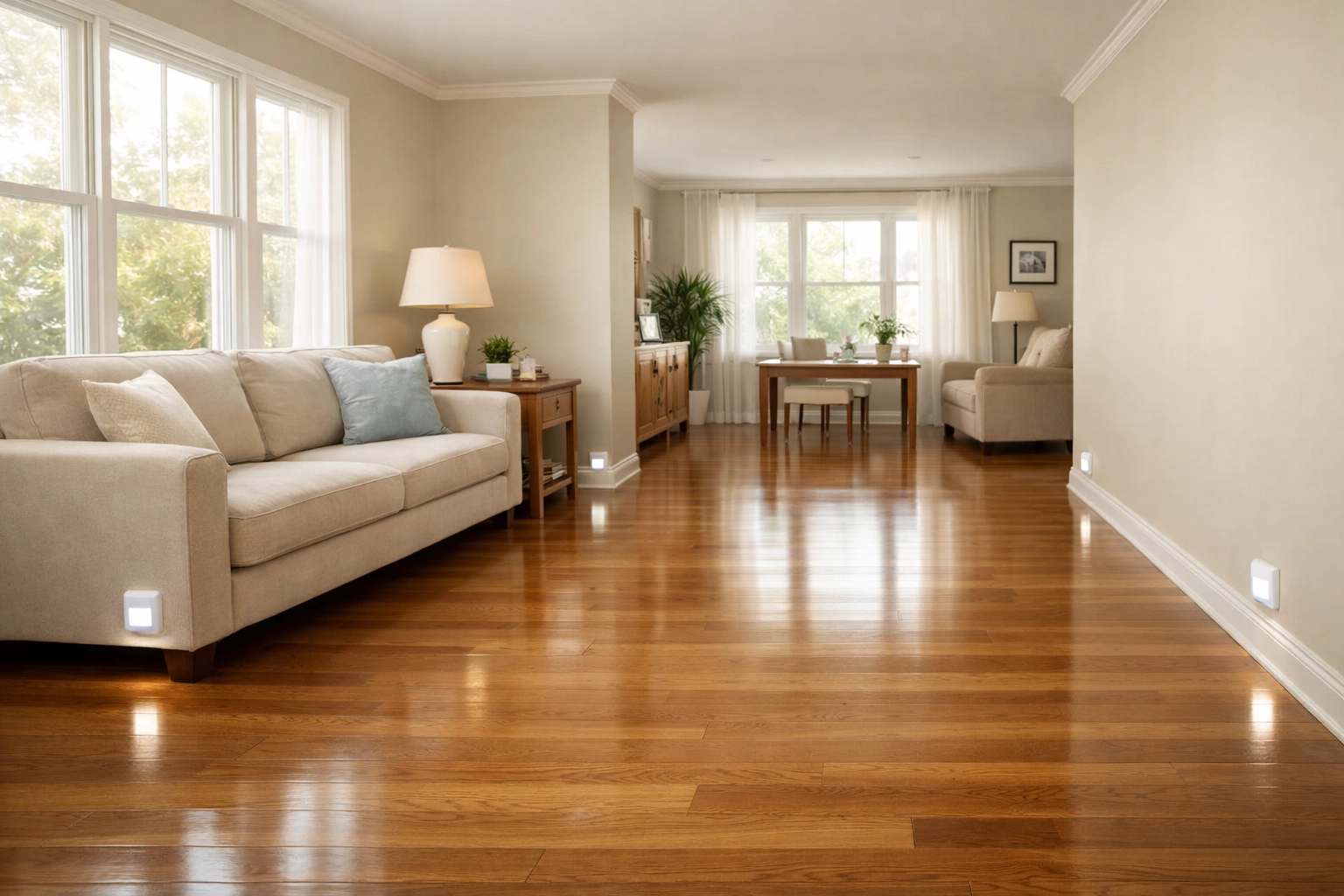
- Clear the paths: Ensure there is a wide, clear walkway through every room. Furniture should be arranged so you don't have to navigate a maze.
- Check the rugs: Throw rugs are one of the biggest trip hazards. If you love them, use double-sided tape or non-slip backing to secure them. Better yet, remove them entirely.
- Lighting is key: Many falls happen because someone couldn't see where they were stepping. Increase the wattage of your bulbs (within the fixture's safety limits) and add motion-sensor nightlights to hallways.
The Kitchen
The kitchen is a place of activity, but it can also be a place of spills and reaching.
- Keep it reachable: Move your most-used pots, pans, and plates to waist-level cabinets. You shouldn't have to use a step stool or reach high overhead for your morning coffee mug.
- Clean spills immediately: A little bit of water on a tile floor is like ice. Keep a microfiber mop or paper towels handy.
The Bathroom
Statistically, the bathroom is the most dangerous room in the house. Between the water and the hard surfaces, it’s a high-risk zone.
- Install grab bars: These should be bolted into the wall studs, not just held on by suction cups. Place them in the shower and next to the toilet.
- Non-slip mats: Use non-slip strips or a high-quality rubber mat inside the tub.
- Raised toilet seats: If sitting down or standing up is getting difficult, a raised seat can reduce the strain and keep you balanced.
The Bedroom
Falls often happen in the middle of the night when we are groggy.
- Bed height: Your feet should touch the floor comfortably when sitting on the edge of the bed.
- Light the way: Keep a lamp or a flashlight within arm's reach of the bed.
- Clear the floor: Make sure there are no shoes, books, or charging cables near the bedside.
Building Strength and Balance
Environmental fixes are important, but your body is your best tool for staying upright. You don't have to be a marathon runner to improve your stability.
Physical Activity
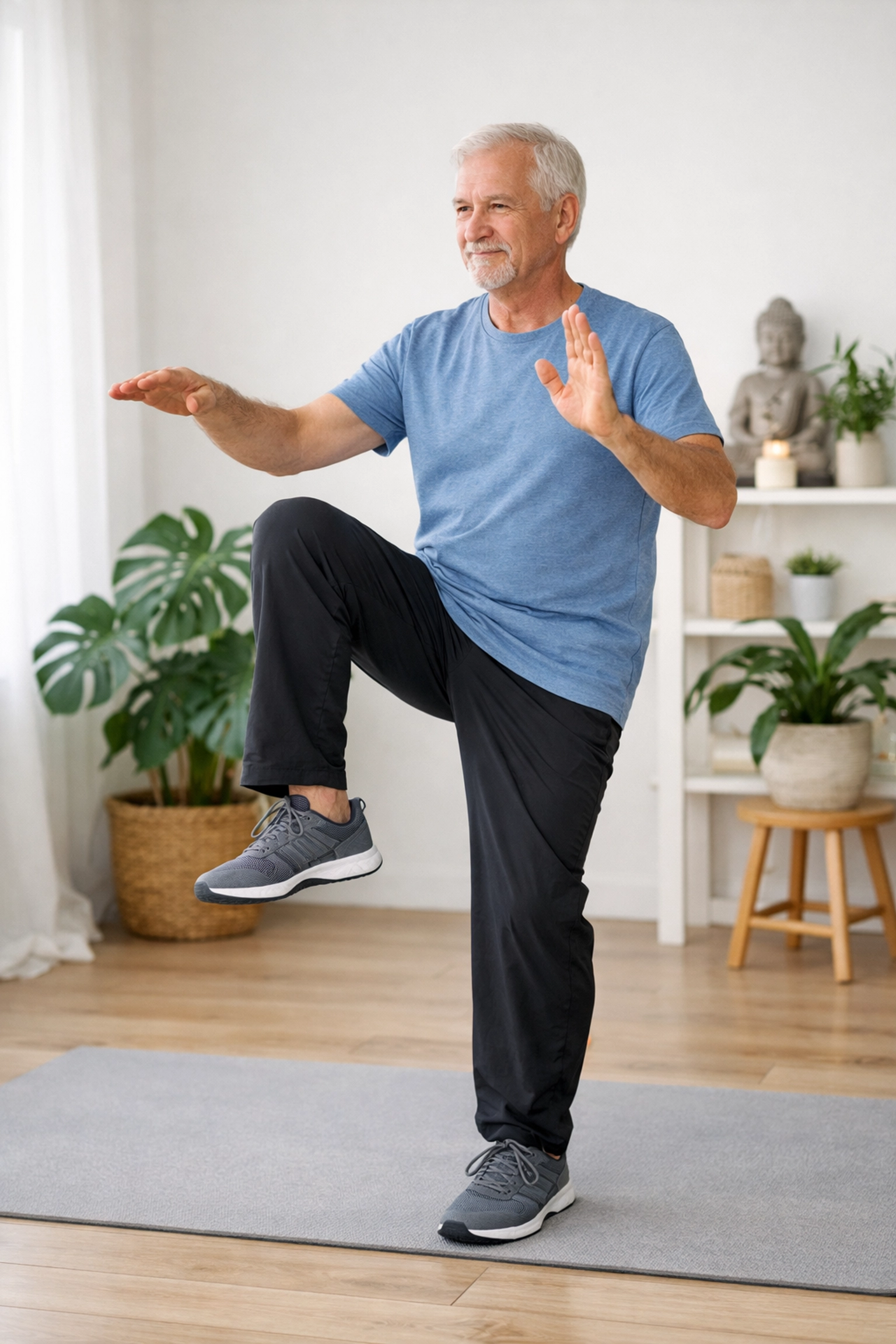
Regular movement keeps joints limber and muscles engaged. Walking is excellent, but adding balance-specific exercises like Tai Chi or gentle yoga can significantly improve your coordination. These practices teach your body how to shift weight safely, which is exactly what you need to do when you're walking on uneven ground or navigating stairs.
Hydration and Nutrition
Believe it or not, what you eat and drink affects your balance. Dehydration can lead to dizziness and confusion. Likewise, a lack of Vitamin D or calcium can weaken bones, making the consequences of a fall more serious.
Vision and Hearing
Our ears help with balance, and our eyes tell us where we are in space. If your prescription is outdated, or if you have earwax buildup, your brain isn't getting the right signals about your environment. An annual check-up with an eye doctor and an audiologist is a critical part of a fall prevention plan.
Choosing the Right Footwear
We often think about "senior shoes" as being clunky, but there’s a reason for their design. Fashion shouldn't trump safety when it comes to footwear.
- The Fit: Shoes should be snug but not tight. Avoid "slip-ons" that don't have a back; your foot can easily slide out of them.
- The Sole: Look for thin, firm soles with a good grip. Very thick, cushioned soles might feel comfortable, but they can actually make it harder to "feel" the ground, which is vital for balance.
- Avoid socks only: Walking around in socks on wood or tile floors is a recipe for a slip. If you don't want to wear shoes indoors, look for high-quality slippers with rubberized bottoms.
The Role of Mobility Aids and Assistive Devices
There often comes a time when we need a little extra support. I’ve noticed that many people resist using a cane or a walker because they feel it makes them look "old." But I like to look at it differently: these tools are like an extra set of legs. They give you the stability to keep going to the grocery store, visiting friends, and enjoying the outdoors.
Canes and Walkers
If you feel a bit "wobbly" when you first stand up, a cane might be all you need. If you find yourself holding onto furniture as you walk across the room (we call this "furniture surfing"), a walker provides a much broader base of support.
Stability Poles and Rails
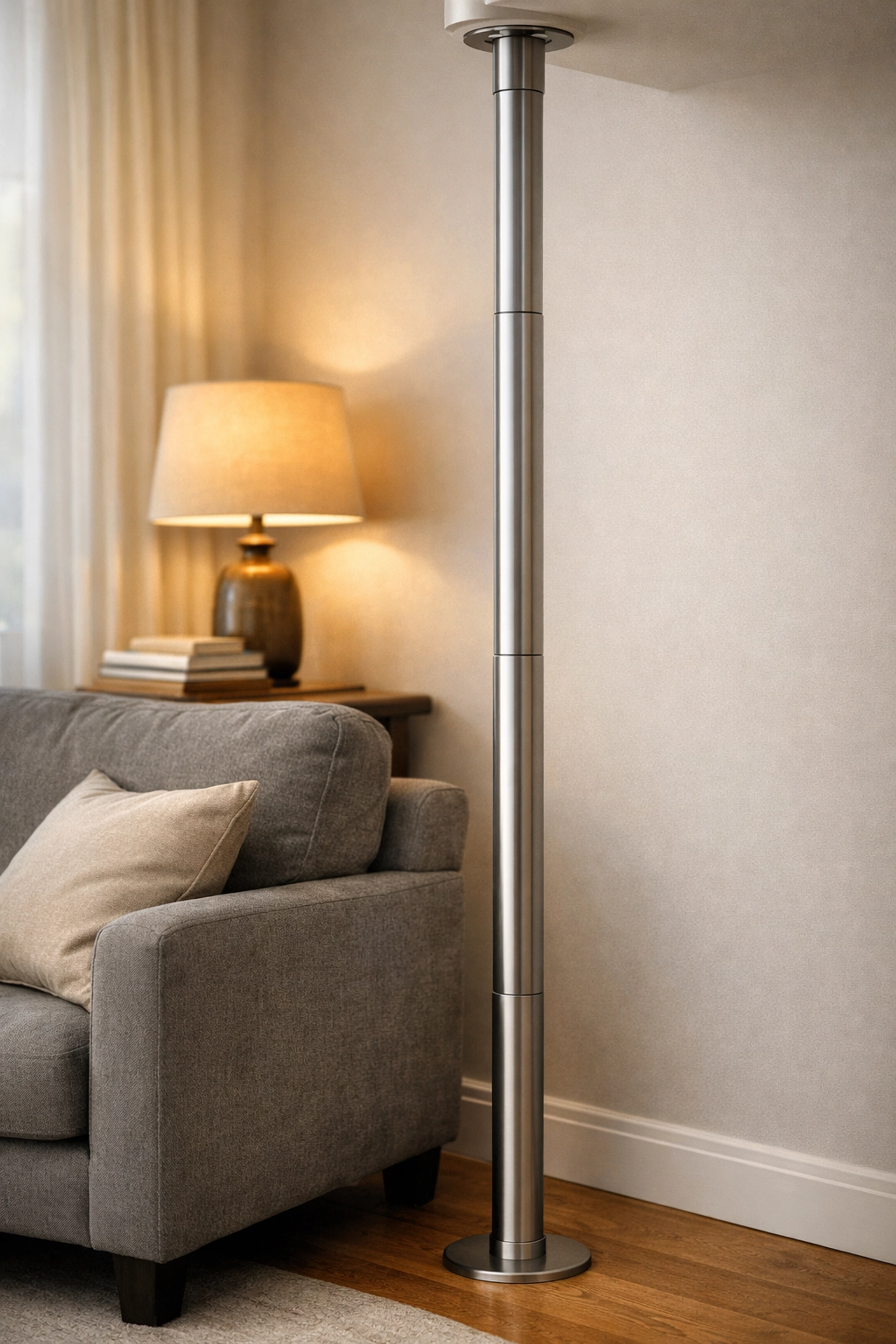
Sometimes you just need a steady handhold in a specific spot: like next to your favorite recliner or by the bed. Floor-to-ceiling poles or bed rails offer a fixed point of contact that doesn't move, giving you leverage to stand up safely without straining your back.
Managing Medications
This is a topic that often gets overlooked. Many common medications: including those for blood pressure, sleep, or anxiety: can have side effects that impact balance. Some medications can interact with each other in ways that cause "orthostatic hypotension," which is that head-rush feeling you get when you stand up too fast.
It is worth sitting down with your doctor or pharmacist once a year to do a "medication review." Ask them: "Do any of these increase my risk of falling?" They might be able to adjust the dosage or the time of day you take them to keep you steadier on your feet.
Having the Conversation: A Note for Caregivers
If you are a caregiver, you might find that your loved one is resistant to making changes. It’s understandable. Nobody likes to feel like they are losing their independence.
The best approach is to make it a collaboration. Instead of saying, "You need to get rid of this rug," try saying, "I’m worried about this rug being a trip hazard; let's find a way to make the living room safer together."
Frame the changes as a way to stay in the home longer. Most seniors want to age in place. By making these modifications, they are actually ensuring they don't have to move to a facility due to an injury.
What to Do If a Fall Happens
Despite our best efforts, falls can still happen. Knowing what to do in the moment can prevent further injury.
- Don't rush to get up: If you fall, stay still for a moment. Take a few deep breaths and check for pain.
- Assess the damage: Try to move your arms and legs. If you feel sharp pain or think you’ve broken something, don't try to get up.
- The "Roll and Crawl" method: If you aren't hurt, roll onto your side, then get onto your hands and knees. Crawl to a sturdy piece of furniture (like a chair or the bed).
- Rise slowly: Put your hands on the seat of the chair, bring one foot forward so it's flat on the floor, and slowly rise. Turn around and sit down.
For caregivers, if you find someone who has fallen, don't immediately try to lift them. You might hurt your back or worsen their injury. Talk to them, keep them warm, and call for help if they can't get up easily on their own.

Final Thoughts
Fall prevention isn't about living in fear; it's about preparation. It’s about taking small, manageable steps to ensure that your home and your body are ready for the years ahead.
By auditing your environment, staying active, and being open to using tools that help, you are taking control of your safety. Remember, staying upright is a team effort. Talk to your doctors, involve your family, and don't be afraid to make the changes necessary to stay independent and confident.
Stay safe out there.

