
Hi there, I’m Brian Kerr. If you’re like me, there is nothing quite like the feeling of getting your hands in the dirt and watching something you planted grow. Gardening isn't just a hobby; it’s a way to stay active, clear your head, and enjoy the fresh air. But as we get older, the backyard that used to be our sanctuary can start to feel a bit like an obstacle course.
A stray garden hose, a slightly tilted paving stone, or even just a patch of wet grass can turn a relaxing afternoon into a dangerous situation. At Fall Guys Products, we talk a lot about making the inside of your home safe, but the truth is, the great outdoors requires just as much attention.
In this guide, I want to walk you through how to audit your garden for risks and how to make smart changes so you can keep enjoying your flower beds for years to come. We’re going to cover everything from the ground up, literally.
The Foundation: Evaluating Your Paths and Walkways
The most common place for an outdoor fall isn't actually in the flower bed; it’s on the way to it. Your garden paths are the arteries of your outdoor space, and if they aren't in top shape, they pose a significant risk.
Surface Materials Matter
Not all path materials are created equal. While loose gravel or pea shingle might look charming and "English cottage-style," they are often unstable underfoot. They shift when you step on them, which can easily cause a loss of balance.
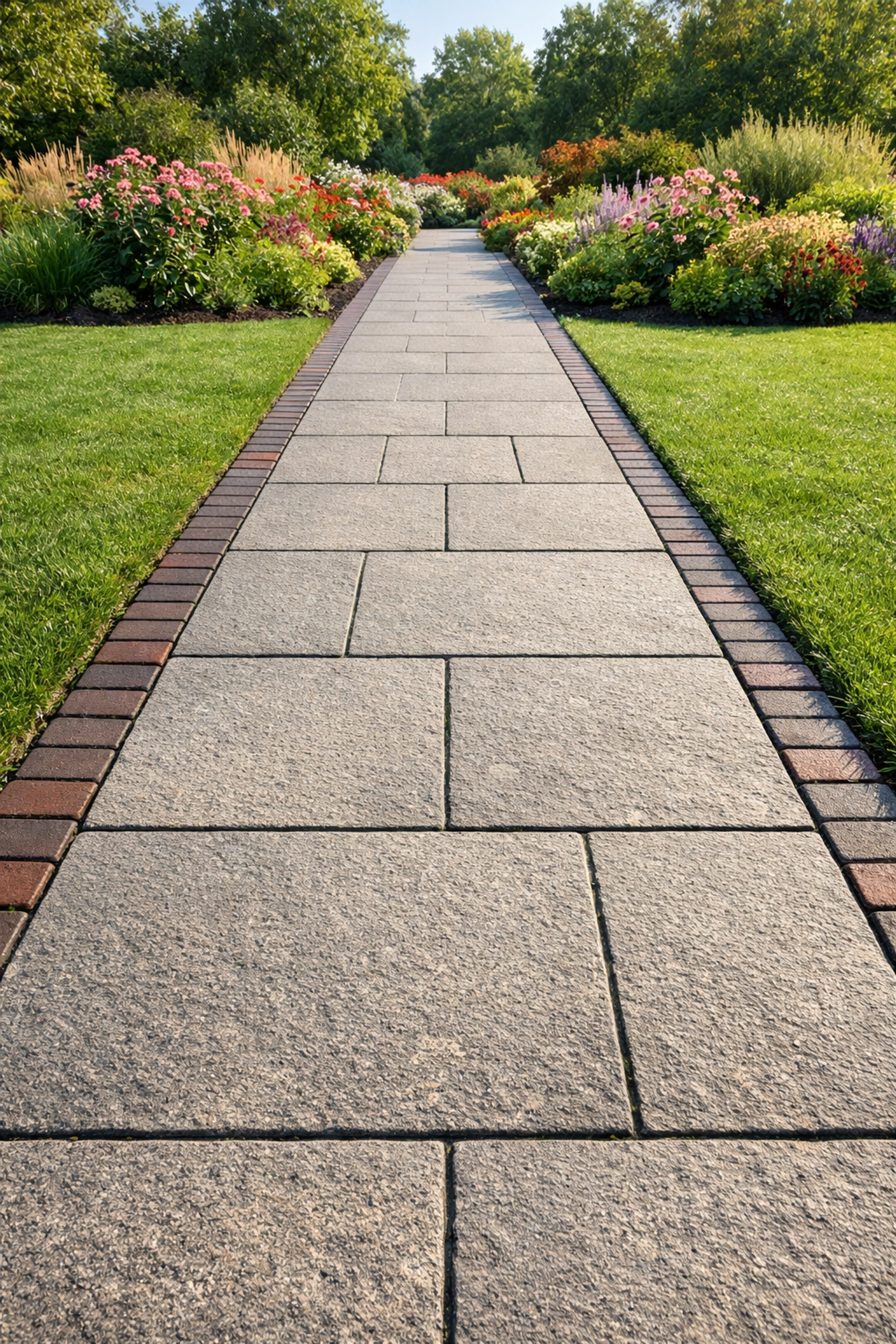
If you are looking for the safest possible surface, poured concrete or large, flat pavers are your best bet. However, even these need to be maintained. Over time, tree roots can push up concrete, and pavers can settle unevenly.
What to look for:
- The "Toe-Catchers": Walk your paths slowly. Are there any edges sticking up more than a quarter of an inch? That’s enough to catch the toe of a shoe.
- The "Wobblers": Step on the corners of your pavers. If they tilt or rock, they need to be re-leveled with sand or crushed stone immediately.
- Texture: Smooth surfaces become ice rinks when it rains. Look for materials with a "broom finish" or a natural grit to provide traction even when damp.
Edging and Contrast
As our vision changes, it becomes harder to distinguish where a grey path ends and green grass begins, especially in the bright afternoon sun or at dusk. This is called loss of contrast sensitivity.
Installing high-contrast edging can solve this. For example, if you have a dark mulch garden bed next to a light concrete path, that natural contrast helps your brain map out where it is safe to step. If the colors are too similar, consider a physical border like white stones or a raised brick edge to give your feet and eyes a clear boundary.
Lighting: Extending Safety Into the Evening
Many of us like to do our watering or weeding in the "golden hour" when the sun is setting and the temperature drops. The problem is that shadows stretch out, making it much harder to see small trip hazards like a discarded trowel or a rogue root.
Layered Lighting Strategies
You don’t need to turn your backyard into a stadium, but you do need "task lighting" for your walkways.
- Solar Path Lights: These are the easiest to install. Place them every few feet along your main walking routes. Make sure they point downward toward the ground, not up into your eyes, which can cause temporary glare blindness.
- Motion Sensors: Having a bright light kick on when you step onto the patio or near the back door is a lifesaver. It ensures you never have to navigate those first few steps in the dark while fumbling for a switch.
- Step Lights: If your garden has even a single step or a slight change in elevation, it needs its own dedicated light source. LED strip lights or small "puck" lights tucked under the lip of a step are excellent for highlighting changes in height.
Designing an "Ergonomic" Garden
One of the biggest contributors to falls outdoors is fatigue and loss of center of gravity. When we spend a long time bending over at the waist or reaching far into a garden bed, we get tired. A tired body is a wobbly body.
The Rise of Raised Beds
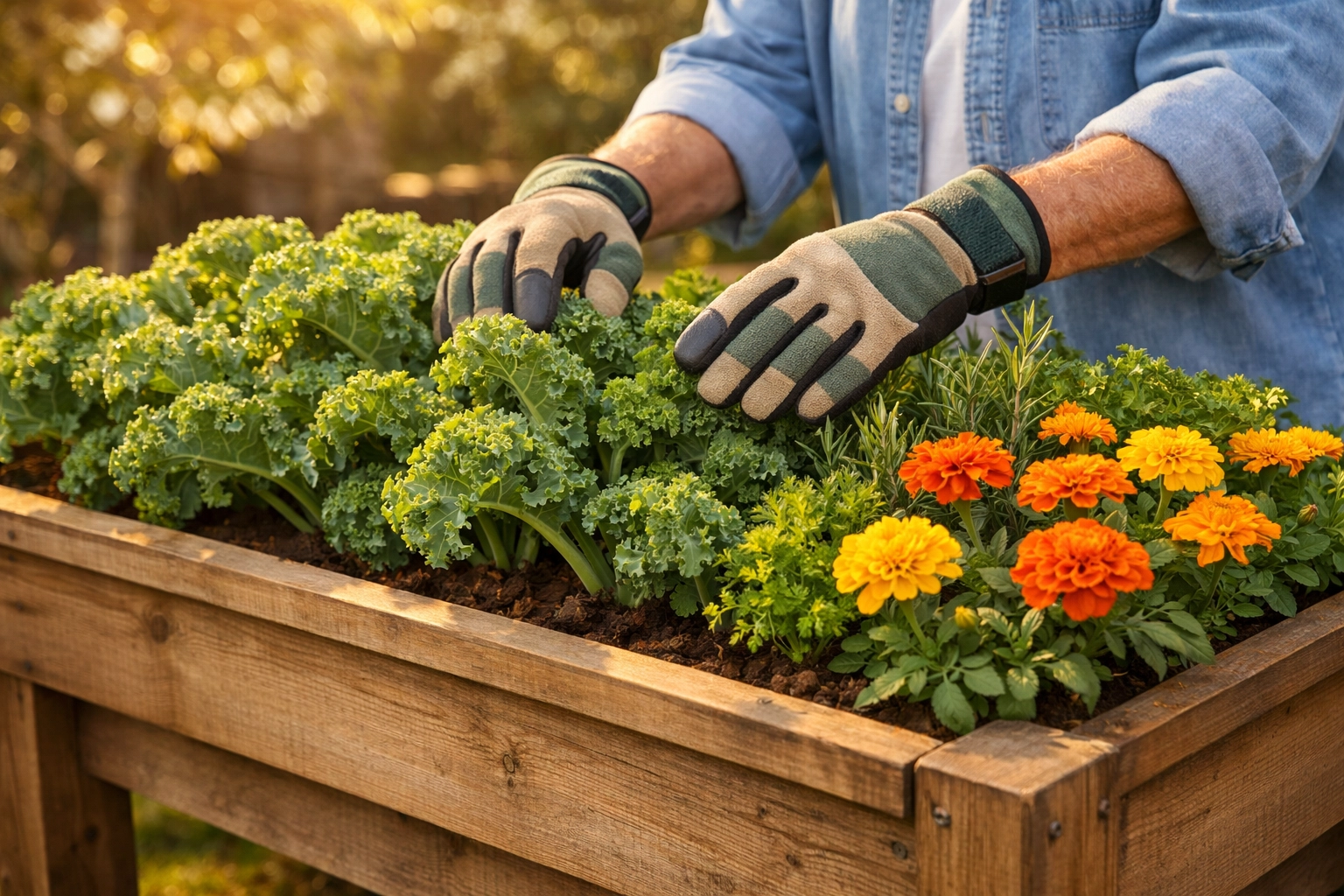
I cannot recommend raised beds enough. By bringing the soil level up to waist or knee height, you eliminate the need to kneel on the hard ground or bend over excessively.
- Waist-High Planters: These are perfect for herbs and smaller vegetables. You can stand comfortably while you work, keeping your spine neutral and your feet firmly planted.
- Vertical Gardening: Use trellises and wall-mounted planters. If your tomatoes are growing up a wall instead of sprawling across the ground, you don’t have to stoop to pick them. It also keeps the walkways clear of vines.
Tool Selection
The tools you use can either help your balance or hinder it. Heavy, traditional steel tools can be taxing on your joints.
- Long-Handled Tools: Look for hoes and rakes with telescoping handles. This allows you to stand upright rather than leaning forward, which keeps your weight centered over your feet.
- Ergonomic Grips: Tools with larger, padded handles are easier to hold if you have arthritis, reducing the chance of a tool slipping and causing you to lose your balance.
- Lightweight Materials: Modern carbon fiber or high-grade plastic tools are significantly lighter than old wooden and iron versions, meaning you can garden longer without getting exhausted.
Footwear: Your Most Important Piece of Equipment
I see a lot of people gardening in old "backless" clogs, flip-flops, or even just socks. This is a recipe for disaster. When you are on uneven terrain like grass or soil, your feet need to be locked into your shoes.
What makes a good gardening shoe?
- Heel Support: Your shoe should have a back. Slip-on clogs can easily slip off at the wrong moment.
- Tread: Look for a deep, rubberized lug sole. It needs to be able to grip mud and wet grass.
- Waterproofing: Wet feet are uncomfortable, but they also slide around inside a shoe, which reduces your stability.
- Fit: Your shoes should be snug but not tight. If your foot is sliding around inside the shoe, your brain isn't getting accurate feedback from the ground about where you are.
The "15-Minute Safety Audit"
I suggest doing a quick walk-through of your yard once a month. Think of it like a "pre-flight check" for a pilot.
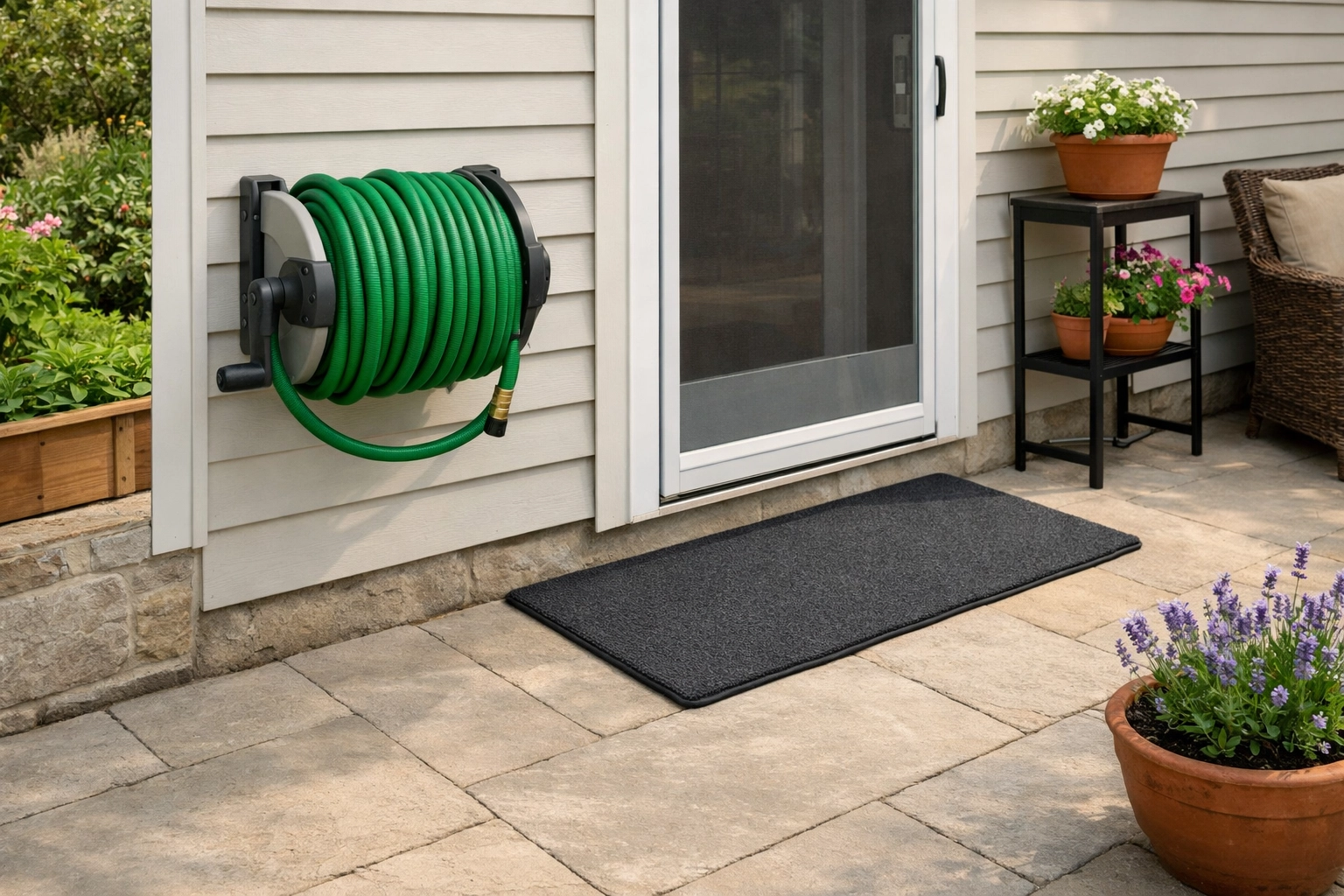
- The Hose Check: Are your hoses coiled up on a reel? A hose left across a path is the number one trip hazard in the American backyard.
- The Debris Sweep: Are there fallen branches, wet leaves, or overgrown bushes encroaching on the path? Keep your walking lanes at least 36 inches wide.
- The Moss Factor: Look for green slime or moss growing on north-facing concrete or wooden decks. This stuff is incredibly slippery. A quick scrub with a stiff brush and some vinegar usually clears it up.
- The "Landing Pad": Check the area right outside your back door. This is a high-traffic zone. Is the doormat flat? Does it have a non-slip backing? If it curls at the corners, throw it away and get a new one.
Managing Fatigue and Hydration
We often forget that gardening is a workout. You are lifting, pulling, and walking. Dehydration and heat exhaustion can cause dizziness, which leads directly to falls.
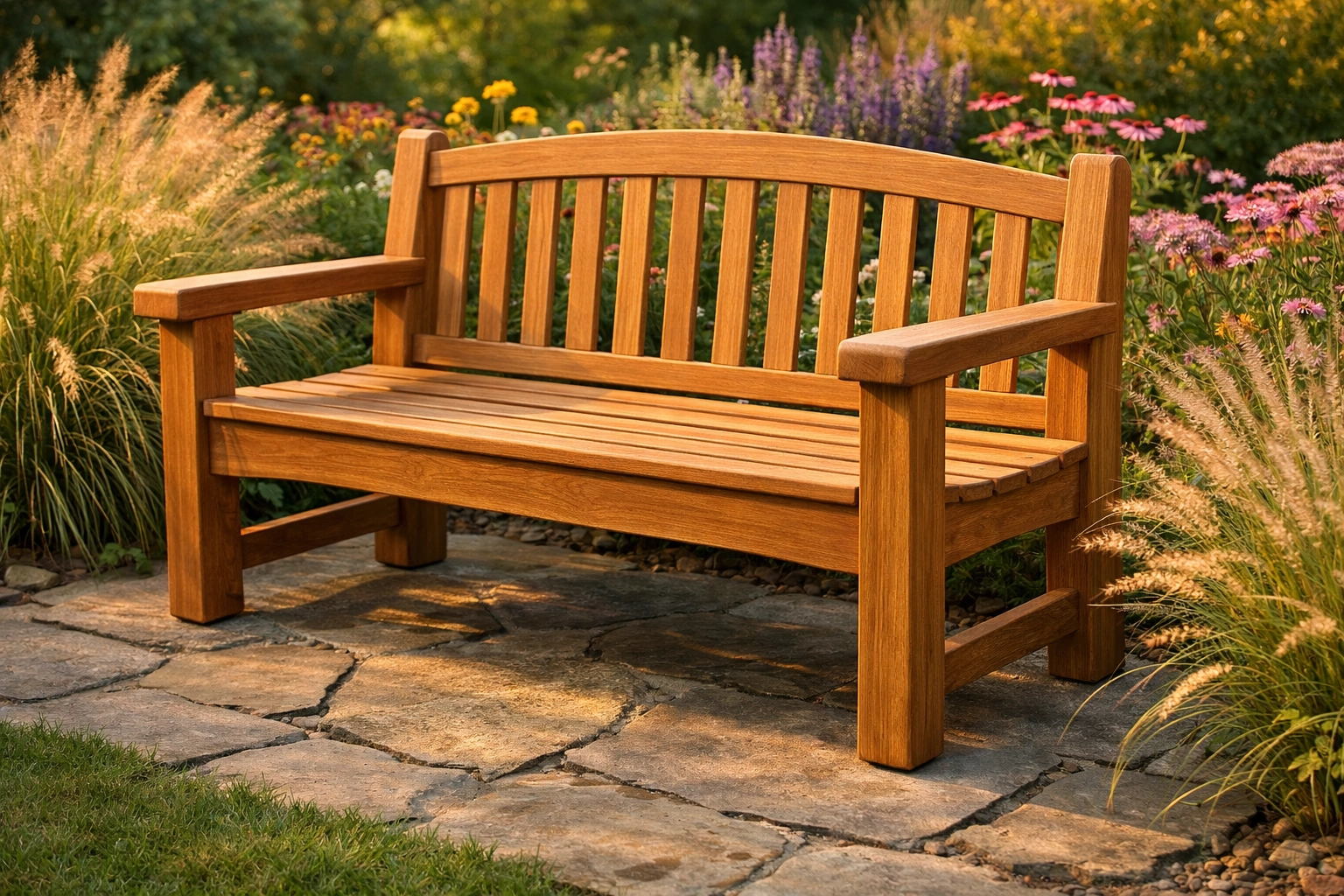
- The "Waypoint" System: Place a sturdy chair or a bench every 20-30 feet in your garden. This gives you a place to sit down, catch your breath, and reassess your energy levels. Don't wait until you're exhausted to sit down.
- Timing Your Tasks: Avoid the midday sun. Plan your heavy work for the early morning or late afternoon.
- The "Buddy System": If you’re going to be doing something a bit more strenuous: like pruning higher branches or moving bags of mulch: make sure someone knows you’re outside. Carry your cell phone in a pocket or wear a medical alert device.
What to Do if You Lose Your Balance
Despite our best efforts, accidents happen. Knowing how to react can prevent a minor tumble from becoming a major injury.
If you feel yourself starting to fall:
- Don't fight it too hard: Sometimes trying to "catch" yourself with a rigid arm is what causes a broken wrist.
- Aim for the "soft" spots: If you have a choice, aim for the grass or a mulch bed rather than the concrete path.
- Stay down for a minute: If you do fall, don't rush to get up. Your adrenaline will be pumping, and you might not feel an injury right away. Take a few deep breaths, wiggle your toes and fingers, and slowly assess if anything hurts.
- The Crawl: If you can’t get up immediately, crawl to a sturdy object like a garden bench or a heavy planter to help pull yourself up.
Final Thoughts
Gardening is one of life’s great pleasures. It keeps us moving, connects us to nature, and provides a sense of accomplishment that’s hard to find elsewhere. I don't want anyone to give that up because they are afraid of falling.
By taking a proactive approach: fixing those shaky pavers, switching to raised beds, and wearing the right shoes: you aren't just preventing a fall; you’re investing in your independence. A safe garden is a garden you can enjoy for decades.
So, take a look out your back window today. Is there one small thing you can fix? Maybe it's just coiling up that hose or ordering a couple of solar lights. Start small, and keep growing.
Stay safe out there,
Brian

