Maintaining independence at home is a goal many of us share as we get older. We want to enjoy our morning coffee in our own kitchens, navigate our hallways without a second thought, and feel secure in our own space. However, as our bodies change, the way we interact with our environment changes, too. This is where a mobility assessment comes into play.
Think of a mobility assessment not as a "test" you can pass or fail, but as a roadmap. It’s a professional evaluation designed to look at how you move through your world and identify where things might be getting a little tricky. By understanding your unique movement patterns and the layout of your home, you can make informed decisions that keep you safe, active, and: most importantly: independent.
What Exactly is a Mobility Assessment?
At its core, a mobility assessment is an evaluation of your functional capabilities. It looks at the intersection of your physical health and your physical environment. It isn't just about whether you can walk; it’s about how you perform the essential tasks of daily life. Can you get out of bed easily? Is the transition from sitting to standing in the living room chair becoming a chore? How do you handle the threshold between the kitchen and the dining room?
A comprehensive assessment usually involves two main parts: the physical evaluation of the person and the environmental audit of the home. When these two pieces are put together, they provide a clear picture of what is working well and what might need a little adjustment to prevent a fall or an injury.
Why These Assessments are a Game Changer
It’s easy to overlook small changes in our physical abilities. We might start "furniture walking" (grabbing onto tables or backs of chairs as we move) without even realizing it. We might stop using a certain bathroom because the tub is too high, or we might start avoiding the stairs. These are all subtle signs that our mobility is shifting.
A professional assessment brings these patterns to light. Here is why they are so valuable:
- Objective Insight: It’s hard to be objective about our own movement. A professional, like a physical therapist (PT) or occupational therapist (OT), can see things you might miss, such as a slight lean to one side or a hesitation during a turn.
- Proactive Prevention: Most people wait until after a fall to look into mobility aids or home modifications. An assessment allows you to be proactive, fixing the "trip hazards" before they cause an accident.
- Tailored Solutions: Everyone’s needs are different. One person might need more light in the hallway, while another needs a specific type of support near the bed. An assessment ensures the solutions fit the person, rather than a one-size-fits-all approach.
- Peace of Mind: For both the individual and their family, knowing that the home has been vetted for safety reduces anxiety. It allows everyone to focus on living life rather than worrying about "what if."
The Difference Between Professional and Self-Assessments
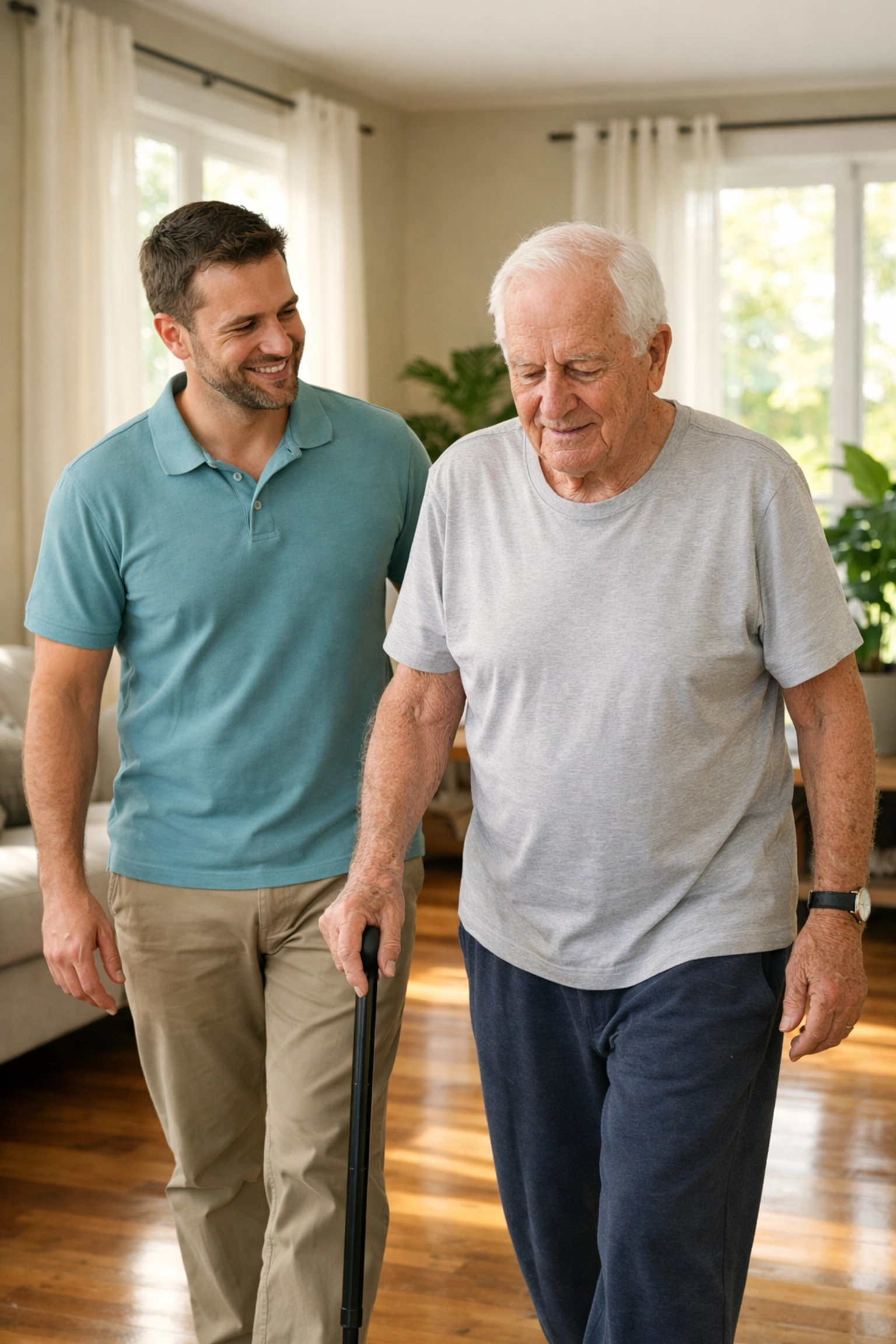
You can: and should: keep an eye on your own mobility, but it is important to understand the difference between a DIY check-in and a professional evaluation.
The Self-Check
A self-check is something you can do today. It involves observing your daily routine with a critical eye. Do you feel winded after walking to the mailbox? Do you feel dizzy when you stand up quickly? Are there areas in your home where you feel "unsure" of your footing? Keeping a simple journal of these moments can be incredibly helpful when you eventually speak with a professional.
The Professional Evaluation
A professional assessment is usually conducted by a Physical Therapist, Occupational Therapist, or an Assistive Technology Professional (ATP). These experts have clinical training to understand the mechanics of the human body. They look at muscle strength, joint range of motion, balance, and neurological factors. They also understand how different medical conditions: like arthritis, Parkinson's, or heart disease: specifically impact movement.
Key Components of the Physical Assessment
When a professional performs a mobility assessment, they aren't just watching you walk down the hall. They use specific, validated tools to measure your capabilities.
Functional Tasks and "Transfers"
In the world of mobility, a "transfer" is the act of moving from one surface to another. This includes:
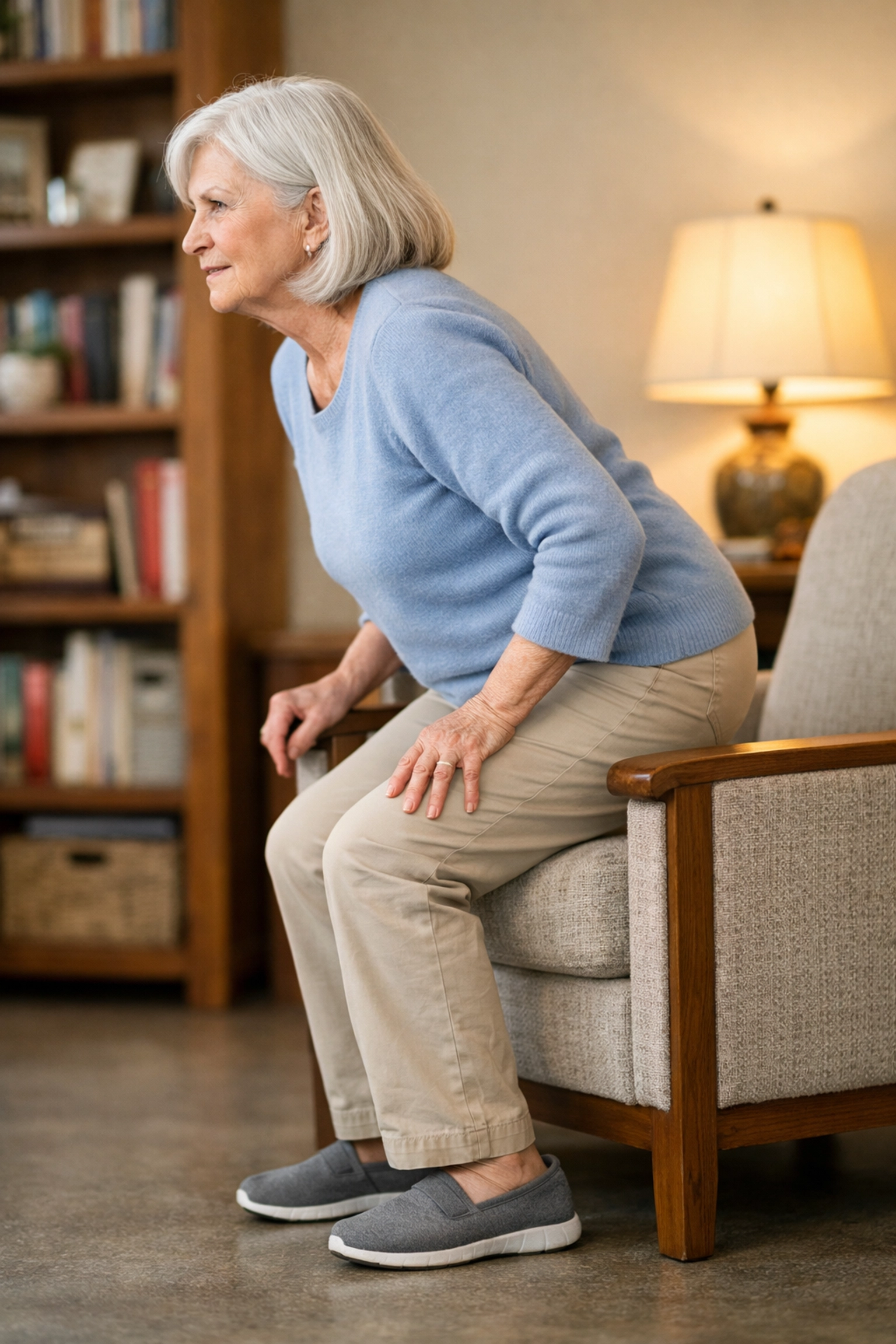
- Sit-to-Stand: Moving from a chair, sofa, or toilet to a standing position.
- Bed Transfers: Getting into and out of bed.
- Car Transfers: Getting in and out of a vehicle.
The therapist will watch how much effort these tasks take and whether you are using your arms to "push off" or if you have enough leg strength to stand unsupported.
Balance and Gait
"Gait" is simply the way you walk. The assessor will look at your step length, the width of your stance, and how you pick up your feet. They are looking for "foot drop" (where the toes drag) or a "shuffling gait," both of which are significant fall risks. Balance is tested both while you are standing still and while you are moving.
Standardized Tests
You might encounter a few common tests during an assessment, such as:
- The TUG Test (Timed Up and Go): You start seated, stand up, walk three meters, turn around, walk back, and sit down. The time it takes to complete this gives a great indication of your fall risk.
- The 30-Second Chair Stand: This measures lower body strength by counting how many times you can stand up from a chair without using your arms in 30 seconds.
- The BMAT (Bedside Mobility Assessment Tool): Often used in clinical settings, this helps determine the level of assistance or equipment needed for safe movement.
The Environmental Audit: Room by Room
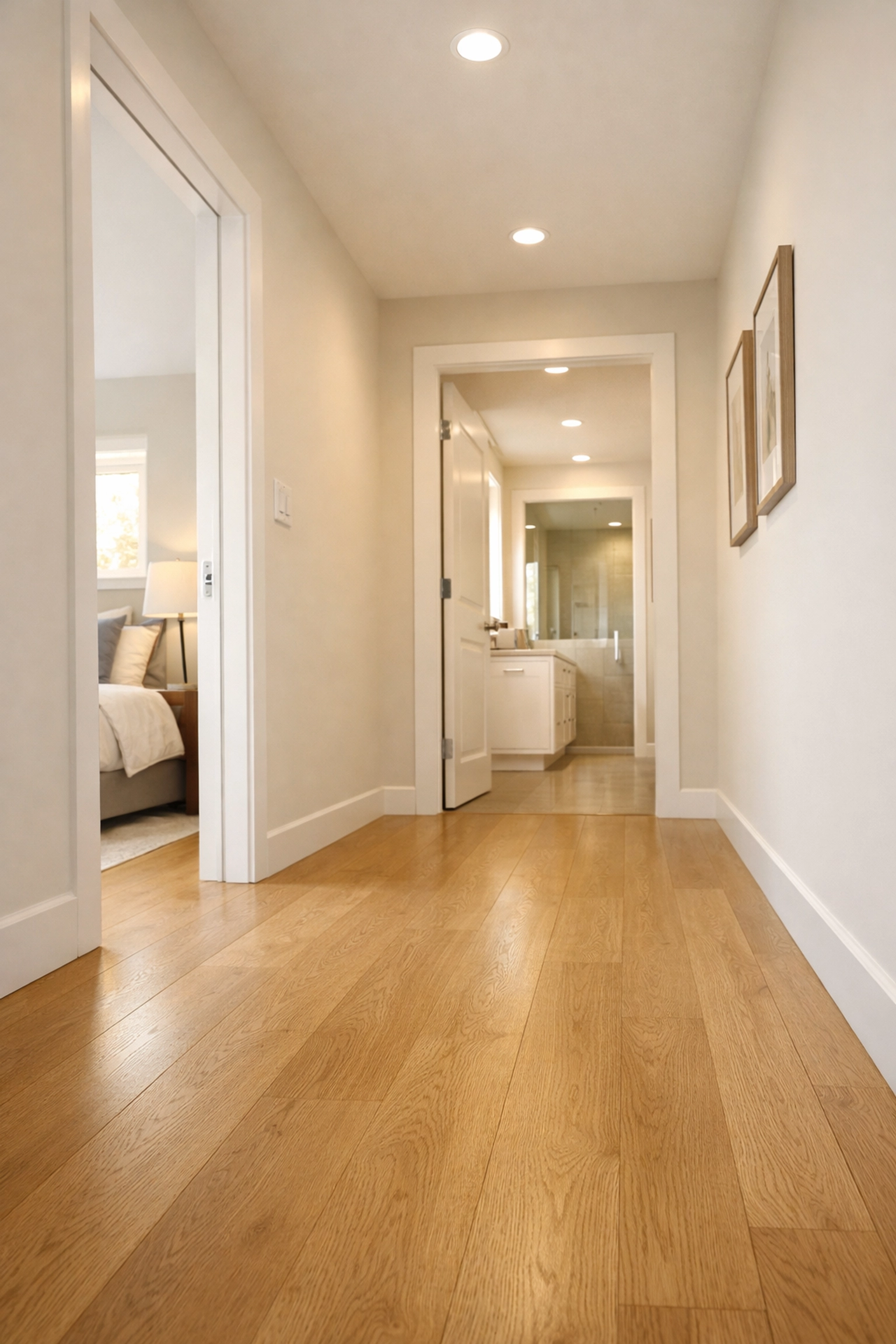
The second half of a mobility assessment focuses on the home itself. Even a very strong person can be tripped up by a poorly designed environment. A professional will walk through your home and look for specific "friction points."
The Bathroom
The bathroom is often the most hazardous room in the house due to slippery surfaces and low seating. An assessment will look at:
- The height of the toilet.
- The height of the bathtub or shower threshold.
- The presence (or lack) of secure handholds.
- The slip-resistance of the flooring.
The Bedroom
We spend a third of our lives in the bedroom, and many falls happen in the middle of the night when we are groggy.
- Bed Height: Is it too low (making it hard to stand up) or too high (making it hard to get into)?
- Lighting: Is there a clear, well-lit path from the bed to the bathroom?
- Pathways: Are there rugs or clutter that could cause a trip during a midnight bathroom run?
The Kitchen and Living Areas
In these common areas, the focus is on "flow."
- Furniture Placement: Is there enough room to navigate a walker or wheelchair if one is being used?
- Flooring: Are there transitions from carpet to tile that are uneven?
- Reach: Are frequently used items (like a coffee mug or a favorite book) kept at waist height to avoid reaching or bending?
Preparing for a Professional Assessment
If you’ve scheduled a professional mobility assessment, there’s no need to be nervous. It’s a collaborative process. To get the most out of it, keep these tips in mind:
- Be Honest: Don't try to "perform" your best. If you usually grab the wall when you walk down the hall, do that during the assessment. The goal is to see how you actually live, not how you can move for five minutes while someone is watching.
- Wear Your Regular Shoes: Don't put on special sneakers if you usually wear slippers or loafers at home. The assessor needs to see how your everyday footwear affects your balance.
- Have a Caregiver Present: If someone helps you around the house, it’s a great idea to have them there. They might notice things you don't, and they can learn the safety techniques the therapist recommends.
- Ask Questions: If the therapist suggests a change, ask why. Understanding the "reason" behind a recommendation makes it much easier to follow through with it.
After the Assessment: Creating an Action Plan
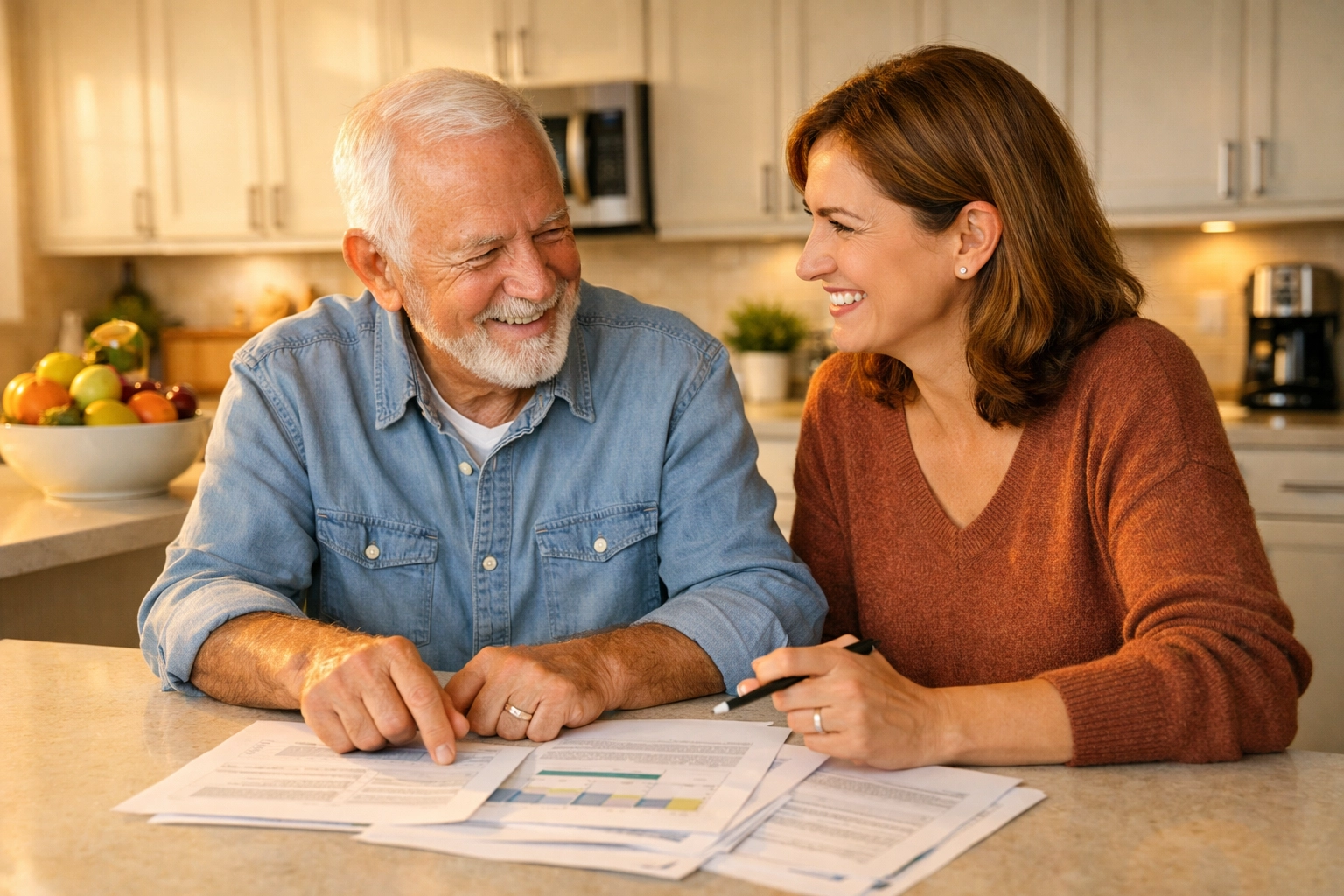
Once the assessment is complete, you will likely receive a set of recommendations. This is your action plan for independence. These recommendations usually fall into three categories:
1. Behavioral Changes
Sometimes, the safest change is a change in habit. This might include "purposeful movement" techniques, like pausing for ten seconds after standing up to ensure you aren't dizzy before you start walking. It might also include specific exercises to strengthen your core or improve your balance.
2. Minor Home Tweaks
Many safety issues can be solved with small adjustments. This could be removing a decorative rug, adding brighter LED bulbs to a dark hallway, or rearranging the furniture to create wider paths.
3. Assistive Equipment
If the assessment shows that transfers are becoming difficult, the professional might recommend equipment. This could range from simple grab bars in the shower to more specialized supports like bed rails or floor-to-ceiling poles that provide a steady handhold where walls aren't available.
The Role of Technology and Modern Aids
In 2026, we have more tools than ever to help maintain independence. Mobility assessments today often take into account modern technology, such as smart lighting that turns on automatically when you step out of bed, or wearable devices that can detect a fall and alert family members. While these don't replace physical strength or home safety, they are excellent "layers" of protection that can be discussed during an assessment.
Conclusion: Empowering Your Future
A mobility assessment isn't about admitting defeat or acknowledging "old age." It is about empowerment. It is a proactive, intelligent way to ensure that you can stay in the home you love for as long as possible.
By taking the time to understand your body’s needs and your home’s challenges, you are taking control of your future. Whether it results in a few new exercises, a brighter lightbulb, or a new piece of equipment, every adjustment made following an assessment is a step toward a safer, more independent life.
Remember, the goal isn't just to stay safe: it's to stay active, stay involved, and stay home. A mobility assessment is simply the first step on that journey.