
When we decide to invest in fall prevention products, we do it for the most important reason there is: peace of mind. We want to know that our loved ones, or we ourselves, can move around the home with confidence and dignity. However, a common frustration for many families is discovering that despite having the "right" equipment, falls are still happening or near-misses are frequent.
Hi, I’m Brian Kerr. Over the years, I’ve seen that the presence of a safety device doesn't always equal safety. A fall prevention product is only as good as its installation, its suitability for the user, and the environment it lives in. If you’ve ever felt that a grab bar or a walker isn't doing its job, it’s likely due to one of several common but fixable issues.
Let’s look at the ten most common reasons these products fail to provide the protection they promise and, more importantly, how you can fix them.
1. Improper Installation and Anchor Points
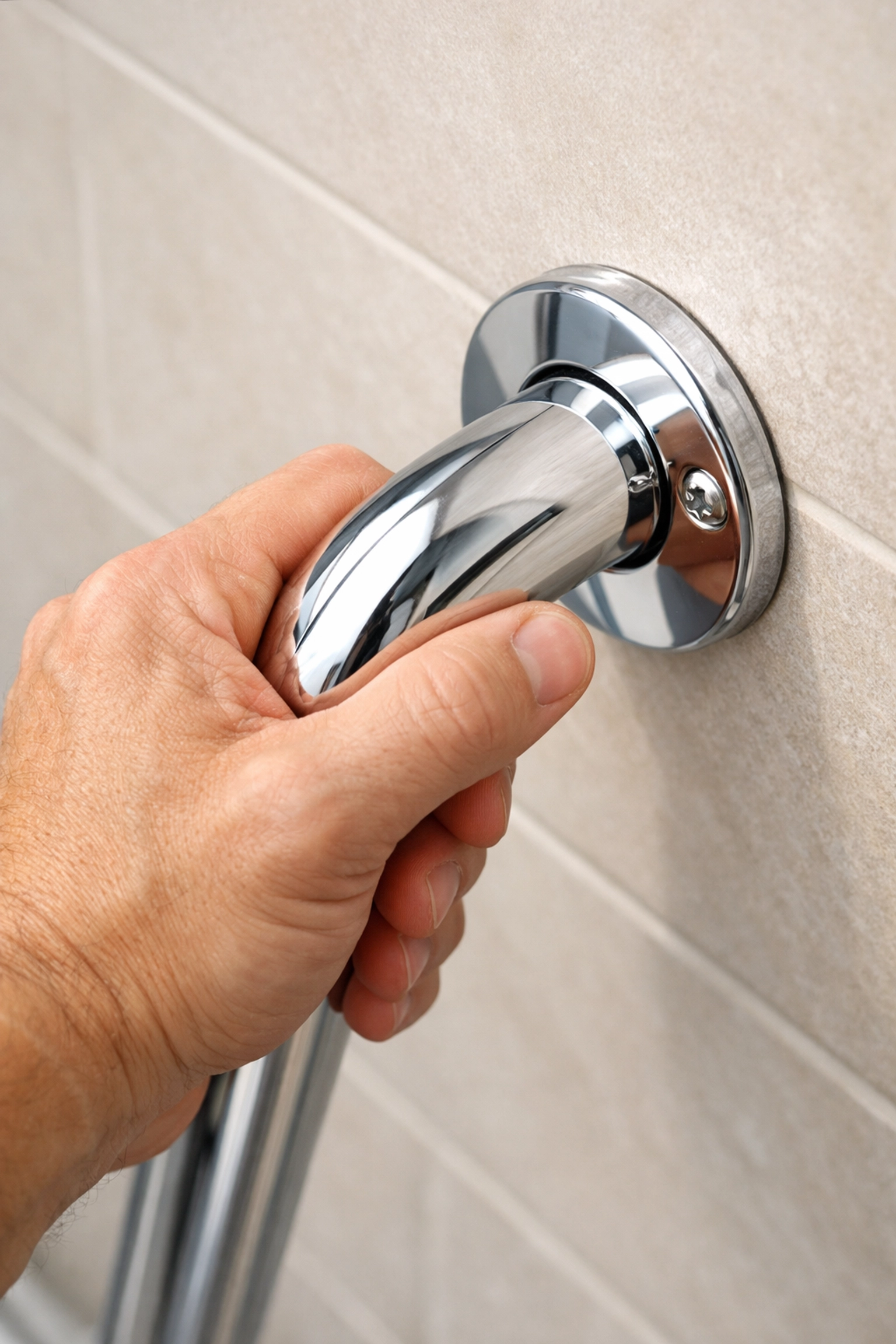
One of the most frequent reasons fall prevention equipment fails is that it wasn't installed into a structural "anchor point." For example, a grab bar installed solely into drywall or thin fiberglass shower inserts will likely pull away from the wall the moment real weight is applied to it. In the world of industrial safety, we talk about anchorage points; in the home, that means finding the wall studs.
The Fix:
Always ensure that weight-bearing products like grab bars or wall-mounted rails are anchored into solid wood studs. If studs aren't available where you need them, you must use specialized heavy-duty toggles or anchors designed specifically for grab bars. Furthermore, for non-permanent solutions like floor-to-ceiling poles, ensure the tension is checked weekly. Changes in temperature or humidity can cause the home’s structure to shift slightly, loosening the tension.
2. The "Wrong Tool for the Task" Trap
Many people mistake general home items for safety equipment. A classic example is using a towel bar as a grab bar. Towel bars are designed to hold the weight of a damp piece of fabric, not a 180-pound person who has lost their balance. Similarly, using a standard piece of furniture for "furniture surfing" (grabbing onto chairs or tables as you walk) is a recipe for disaster because furniture can slide or tip.
The Fix:
Conduct a "hazard walk" through your home. Identify which items you are currently grabbing for support. If that item isn't a rated medical device designed for weight-bearing, it needs to be replaced with a proper mobility aid. If you find yourself reaching for the vanity edge in the bathroom, install a dedicated bathroom safety rail or a permanent grab bar in that exact spot.
3. Ergonomic Mismatch: Poor Fit for the User
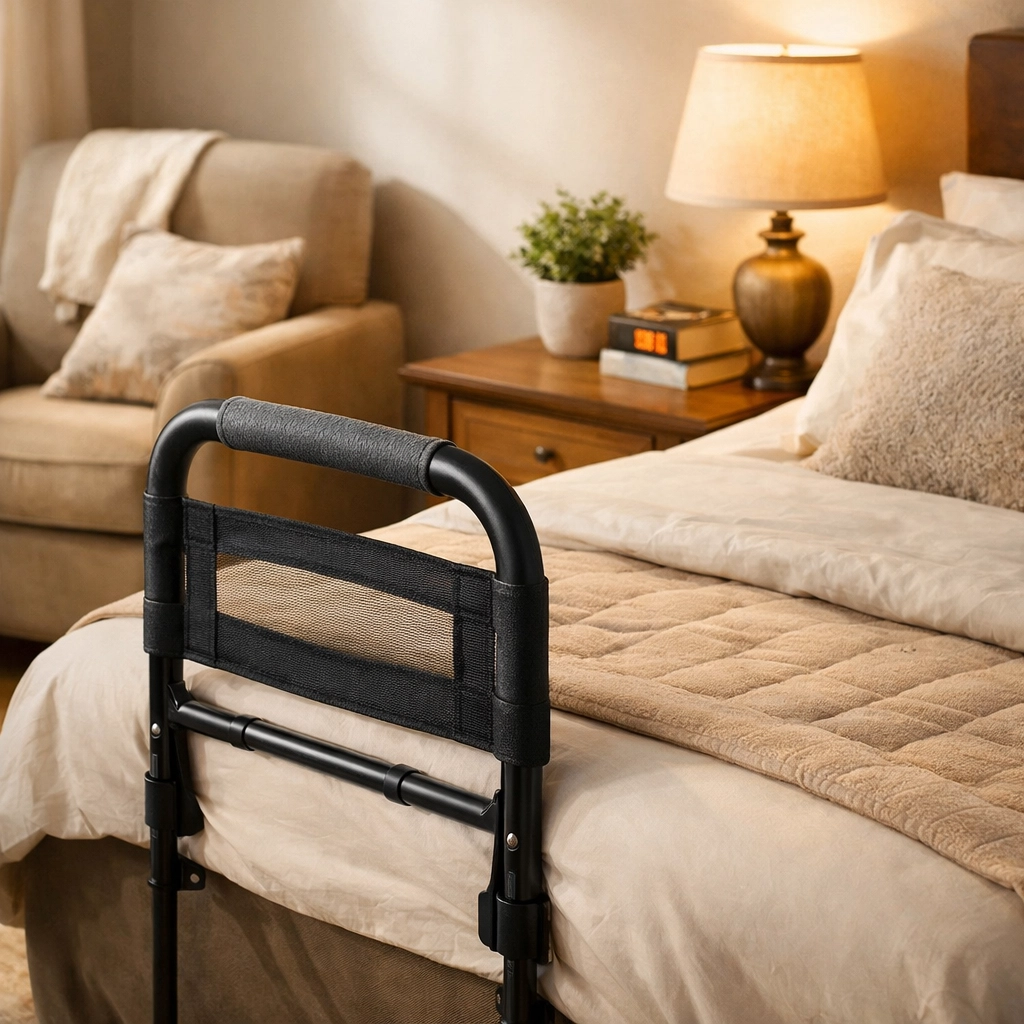
A walker that is too high causes the user to hunch their shoulders, leading to fatigue and poor balance. A walker that is too low causes a stooped posture, which shifts the center of gravity too far forward. We see this often with bed rails as well; if they are too short, they don't provide enough leverage for someone trying to stand up from a deep mattress.
The Fix:
Adjust your equipment to the specific measurements of the user. For walkers and canes, the handle should generally be at the level of the user's wrist crease when their arms are hanging naturally at their sides. This allows for a slight bend in the elbow (about 15 to 30 degrees) when gripping the device. For bed rails, ensure the height is sufficient to clear the top of the mattress by at least 10 to 12 inches to provide a proper grip point.

4. Neglected Maintenance of Wear Parts
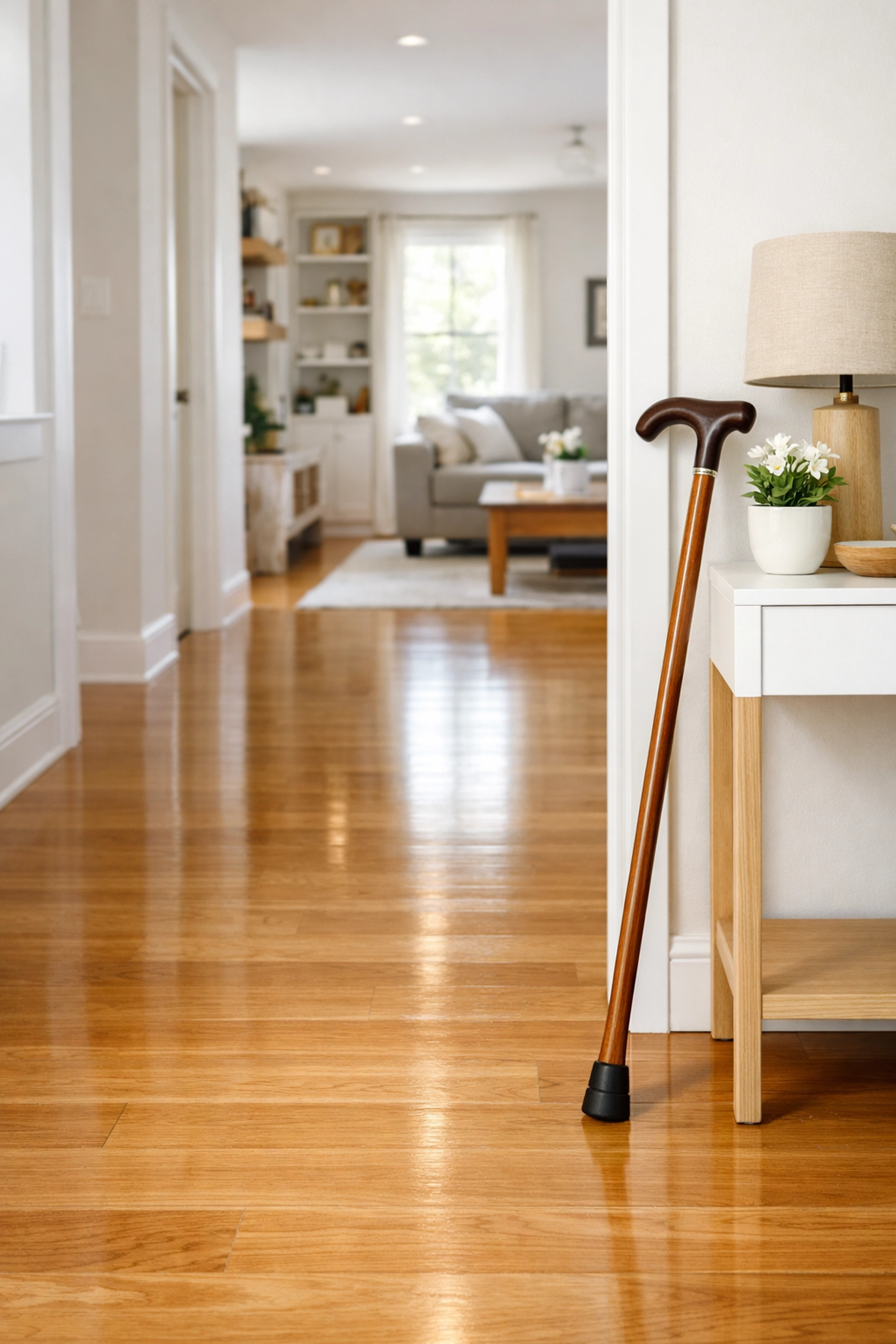
Fall prevention products aren't "set it and forget it" tools. They have components that wear down over time. The rubber tips (ferrules) on the bottom of canes and walkers are designed to provide friction. When these tips become smooth or cracked, they lose their grip on tile or hardwood floors, turning a safety tool into a sliding hazard. Similarly, the brakes on rollators can loosen over time, meaning they won't hold firm when the user tries to sit down.
The Fix:
Create a monthly maintenance schedule. Check the rubber tips on all mobility aids for signs of wear. If the tread is gone, replace the tip immediately. Test the brakes on all wheeled devices to ensure they lock the wheels completely. Tighten any bolts or screws on bed rails or chairs that may have vibrated loose over months of use.
5. The "Trip Hazard" Irony
Sometimes, the very product designed to prevent a fall becomes the cause of one. We see this most often with bulky walker frames that don't fit through narrow doorways, or the baseplates of portable poles that stick out into a walking path. If a user has to "navigate" around their safety equipment, the equipment is failing.
The Fix:
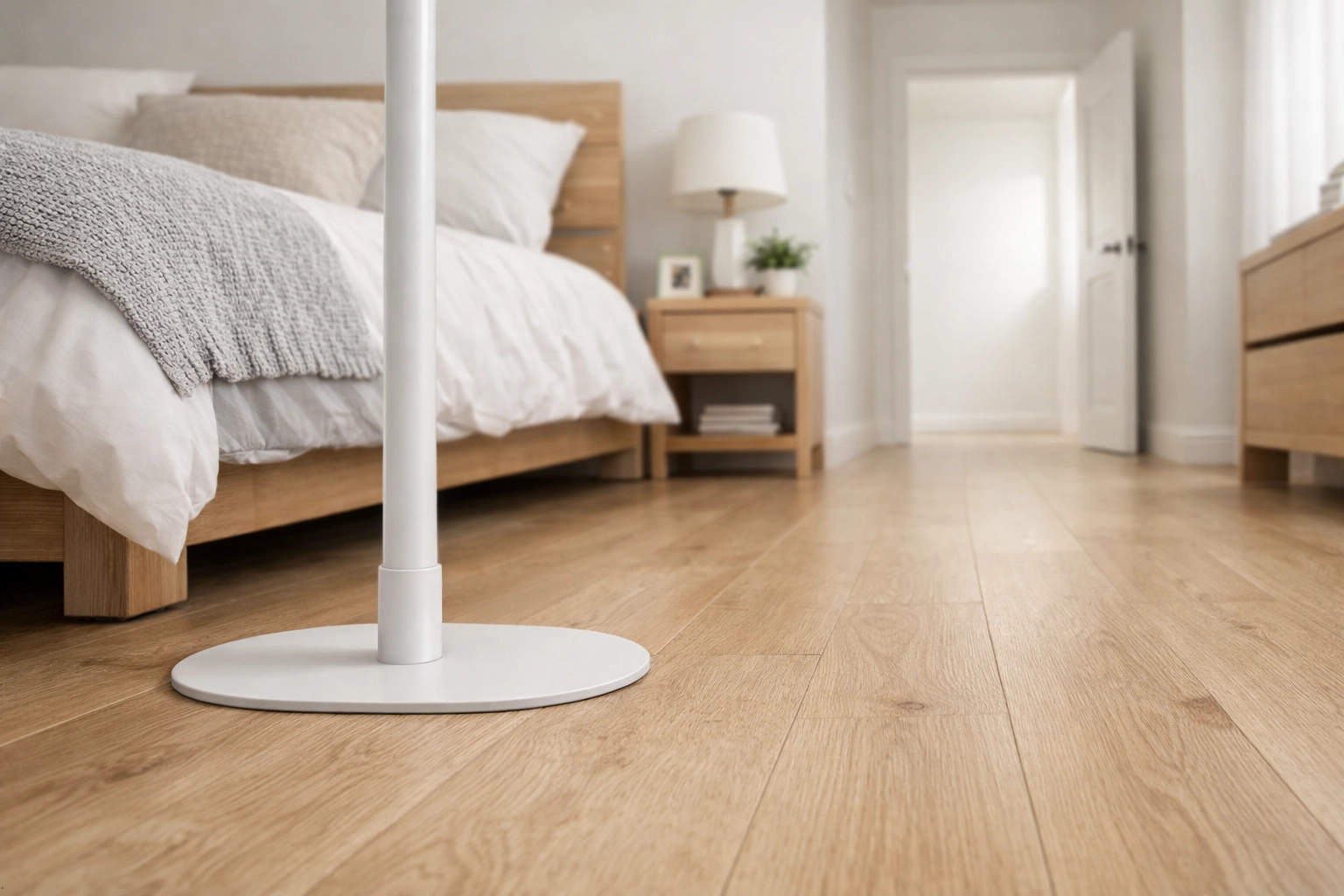
Measure your home’s "pinch points", doorways, the space between the bed and the dresser, and the bathroom entrance. Choose products with a "low-profile" footprint. For example, some floor-to-ceiling poles have smaller, flatter bases that are less likely to catch a toe. If a walker is too wide for a doorway, it might be time to look at a different style of mobility aid or consider widening the doorway.
6. Inadequate Lighting Around the Product
A grab bar is only useful if you can see it in time to grab it. Many falls occur at night when a senior is moving from the bed to the bathroom. If the safety rails or poles are shrouded in shadows, the user might reach out, miss the handle, and lose their balance in the process.
The Fix:
Enhance the visibility of your safety equipment. You can use motion-activated LED strip lighting along the underside of bed rails or near the base of transfer poles. Another simple fix is to use high-contrast colors. If you have white walls, a chrome or bronze grab bar is much easier to see than a white one that blends into the background.
7. Over-Reliance and the False Sense of Security
One of the most subtle reasons products "fail" is psychological. When a person gets a new mobility aid, they may feel so secure that they stop being cautious. They might move faster than their physical strength allows or stop performing the balance exercises recommended by their physical therapist. A product can support you, but it cannot replace the muscle strength and proprioception needed to move safely.
The Fix:
Treat fall prevention products as a supplement to physical activity, not a replacement for it. Continue working on leg strength and balance exercises (under professional guidance). Use the equipment as a "safety net" while maintaining the same level of focus and care you would use if the equipment wasn't there.
8. Failure to Adapt to Changing Health Needs
Human health is dynamic. A product that worked perfectly two years ago may no longer be sufficient if a condition like Parkinson’s, arthritis, or general frailty has progressed. For instance, a simple bed handle might have been enough for someone who just needed a little help turning over, but now they might require a full-length rail or an electric lift because their core strength has diminished.
The Fix:
Re-assess the home and the user’s mobility every six months. Ask simple questions: Is it getting harder to get out of this chair? Does the walker feel heavy? If the answer is yes, the current setup needs an upgrade. Don't wait for a fall to signal that your needs have changed.
9. Lack of Proper Technique and Training
We often give someone a walker or install a pole and assume they know how to use it. However, there is a specific technique to using these tools safely. For example, many people try to pull themselves up using a walker's handles while the walker is in front of them, which can cause the walker to tip backward toward them.
The Fix:
If possible, have a physical therapist (PT) or occupational therapist (OT) visit the home to "fit" the user to the equipment. They can teach the correct way to transition from sitting to standing: usually by pushing off the surface you are sitting on rather than pulling on the mobility aid. Understanding the physics of your equipment is key to making it work.
10. The Environment Overpowers the Product
Even the best fall prevention products struggle in an unsafe environment. If a room is cluttered with throw rugs, loose extension cords, or stacks of magazines, a walker or cane will eventually get caught. A grab bar in the shower won't help much if the floor is covered in oily soapsuds and there is no non-slip mat.
The Fix:
Clear the path. Fall prevention is a holistic endeavor. You must combine high-quality products with a "clutter-free" philosophy. Remove all throw rugs, secure cords behind furniture, and ensure that the floor surfaces are as slip-resistant as possible. Your equipment needs a clear, flat surface to do its job effectively.
Final Thoughts
Fall prevention is about more than just buying a gadget; it’s about creating a system of safety. By focusing on proper installation, maintenance, and the specific needs of the person using the equipment, you can ensure that these tools provide the protection they were meant to.
Remember, the goal is to keep our homes as the places where we feel the most secure. Taking the time to "fix" these ten common issues is one of the best ways to honor that goal and keep your loved ones moving safely for years to come.

