
Hi, I’m Brian Kerr, founder of Fall Guys Products. When we talk about staying safe at home, most of us think we’ve got the basics covered. We might have a grab bar in the shower or we make sure to watch our step. But after years of working with seniors and their families, I’ve noticed that it’s rarely the big, obvious things that cause a fall. Usually, it’s the small, everyday habits or environmental "blind spots" that catch us off guard.
Falling isn't just a part of getting older. It is often a result of a home environment that hasn't evolved with our needs. My goal today is to walk you through seven of the most common mistakes I see people making in their homes and, more importantly, give you the clear, practical steps to fix them.
1. The "Sentimental" Rug Trap
We all have them: that beautiful Persian rug in the hallway or the cozy throw rug in the kitchen that’s been there for twenty years. You might feel like you know exactly where it is and how to step over it. But throw rugs are one of the most common environmental causes of falls.
The mistake isn't just having the rug; it’s assuming that because it’s been there forever, it isn’t a hazard. As we age, our gait changes. We might lift our feet slightly less than we used to, and a curled edge or a rug that slides just an inch can be enough to cause a trip.
The Fix:
The safest option is to remove throw rugs entirely, especially in high-traffic areas like hallways and doorways. If you can’t bear to part with a rug, you must secure it. Use double-faced carpet tape or specialized non-slip rug pads that grip the floor. If the edges are frayed or curling, it’s time to retire the rug. A flat, clear floor is your best friend.
2. Thinking "Dim" Lighting is "Enough" Lighting
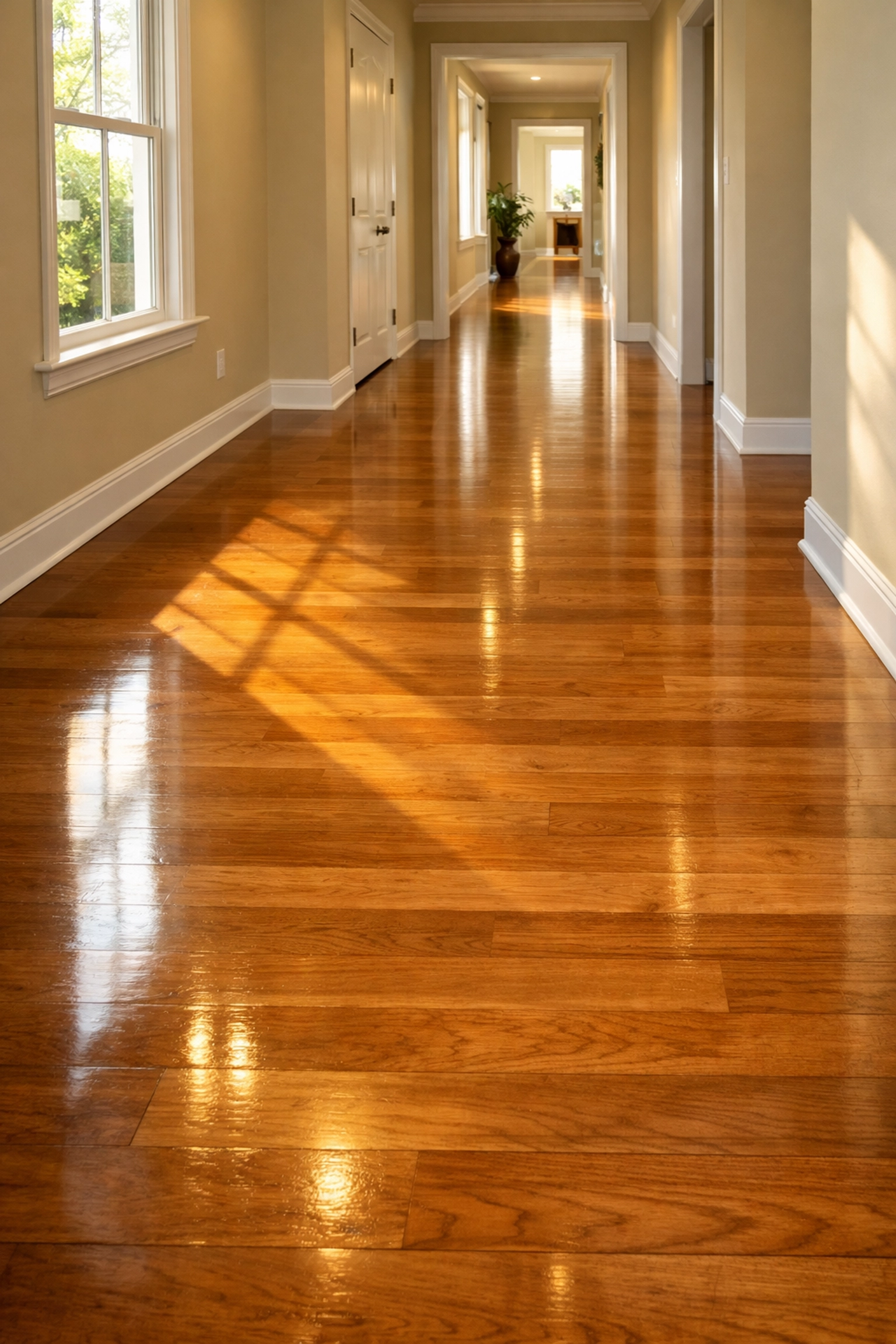
A common mistake I see is people relying on the same lighting they used thirty years ago. Our eyes naturally need more light to see clearly as we get older. What felt bright and cheery in your 40s might feel like walking through a fog in your 70s or 80s.
Shadows are particularly dangerous. If a hallway is dimly lit, it’s hard to tell where the floor ends and a rug begins, or where a pet might be lounging. Many people also make the mistake of leaving the lights off during a midnight trip to the bathroom to avoid "waking themselves up" fully.
The Fix:
First, replace all your old incandescent bulbs with high-lumen LED bulbs. They are brighter and last for years, so you don’t have to climb ladders to change them often. Second, install motion-sensor nightlights in every hallway and the bathroom. These lights turn on automatically when they detect movement, providing a clear path without you having to fumble for a switch. Finally, ensure there is a light switch at both the top and bottom of every staircase.
3. The "Furniture Surfing" Habit
I see this all the time: someone walks through their living room by touching the back of the sofa, then the edge of the coffee table, then the doorframe. We call this "furniture surfing." While it feels like you’re being safe by holding onto things, furniture is often unstable. A chair with wheels or a lightweight end table can slide away from you if you put your weight on it, leading to a fall.
The mistake here is relying on items that weren't designed to support human weight.
The Fix:
If you feel the need to touch furniture to move through a room, it’s a sign that your home needs dedicated support structures. This means installing professionally mounted handrails and grab bars. Unlike a towel rack or a sofa, a properly installed handrail is bolted into the wall studs and can support hundreds of pounds. Make sure you have handrails on both sides of every stairway, and don’t be afraid to add a wall-mounted rail in a long hallway if you feel unsteady.
4. Allowing "Pathways" to Become Storage Zones
We all have that one spot where mail piles up, or where we kick off our shoes. Over time, these small items start to bleed into the walking paths. In the world of fall prevention, clutter isn't just an aesthetic issue: it’s a safety crisis.
The mistake is thinking, "I'll just walk around it." When you have to change your natural walking path to avoid an object, you are shifting your center of gravity and increasing the chance of a stumble. This is especially true for extension cords running across the floor or pet toys left in the middle of the room.
The Fix:
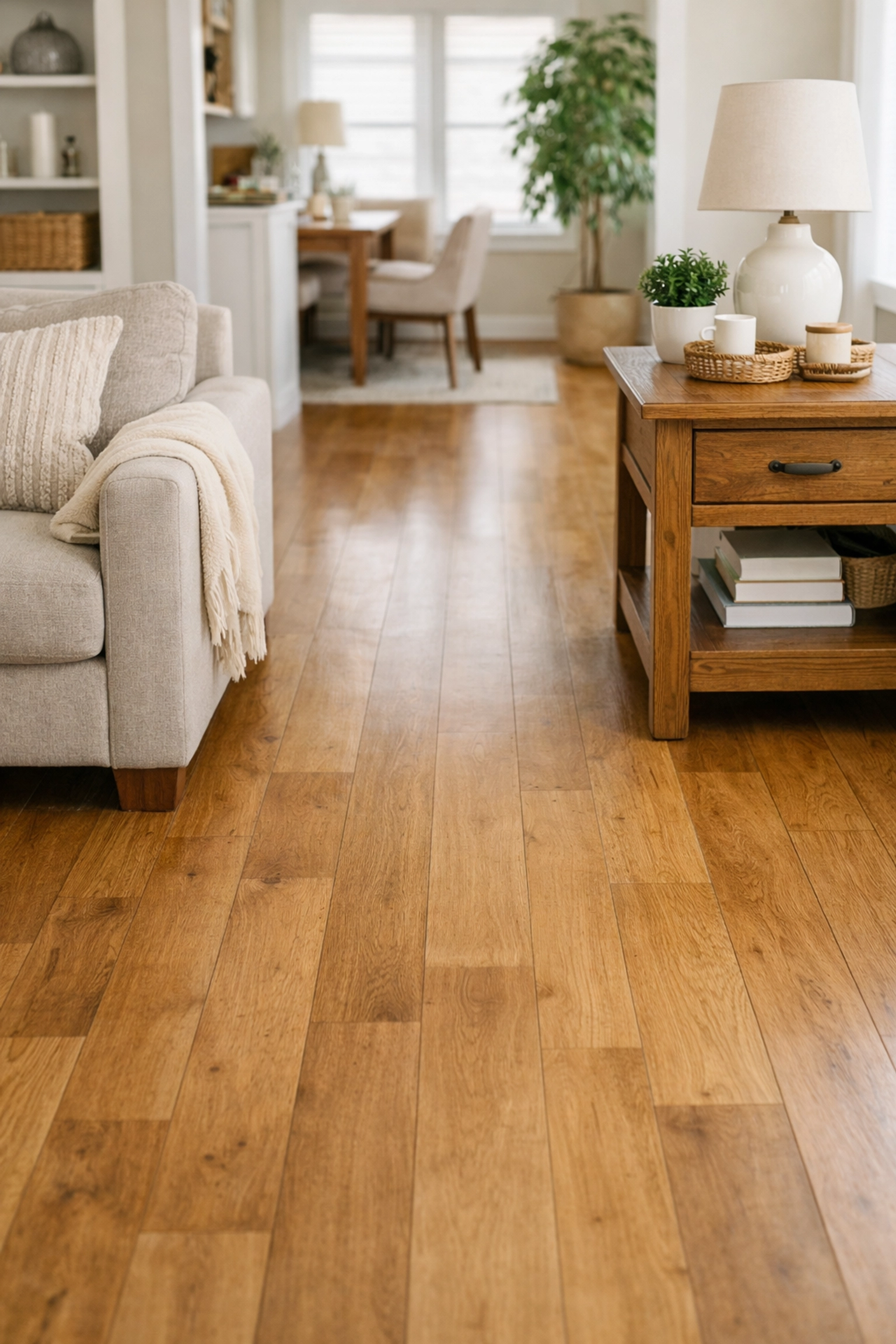
Create a "clear path" rule. Walkways should be at least 30 to 36 inches wide and completely free of any objects. This includes shoes, magazines, plants, and floor fans. If you have cords running across a walkway, have an electrician install a new outlet or use cord covers that adhere firmly to the floor. Regularly check for "invisible" clutter, like the edge of a bedspread that hangs too low or a pet’s water bowl placed in a high-traffic corner.
5. Prioritizing Comfort Over Footwear Structure
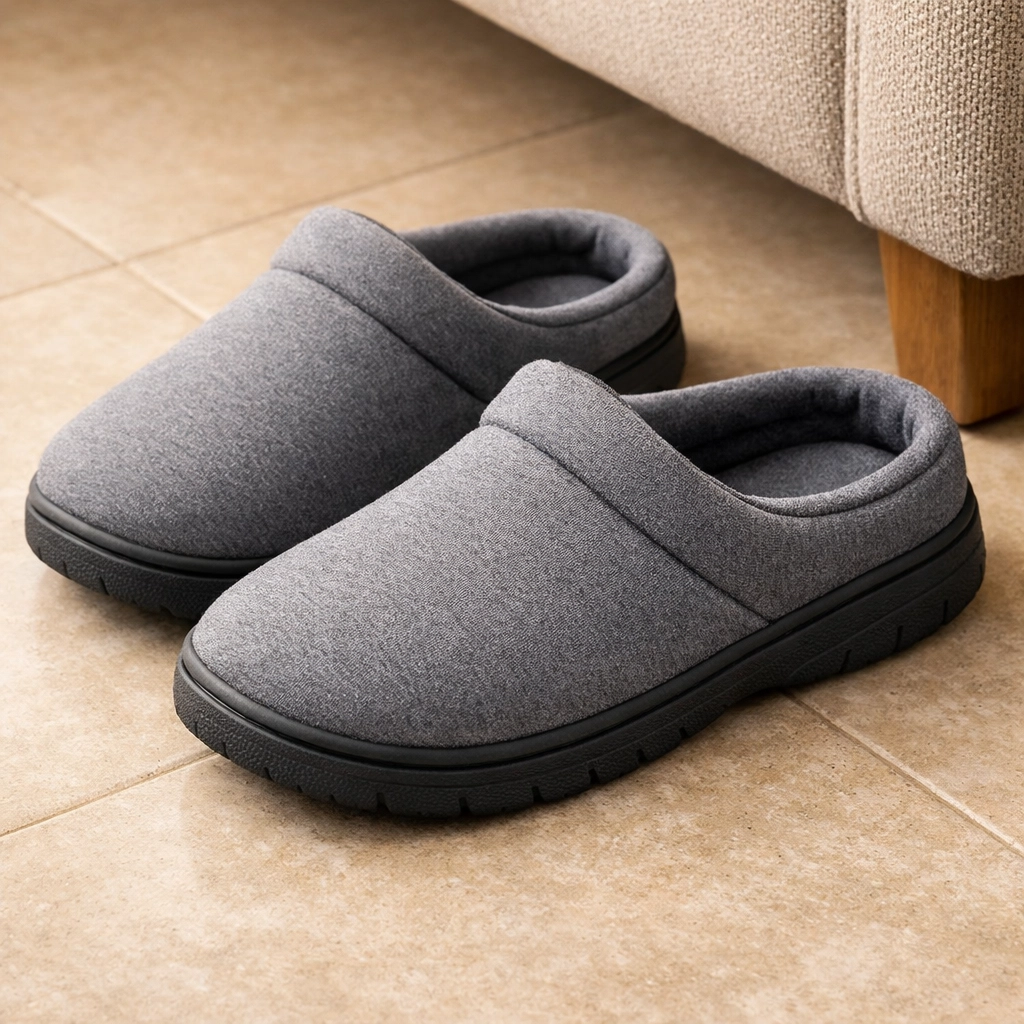
Many people think that being at home means they can be barefoot or wear loose, fluffy slippers. While they feel comfortable, slippers are often the culprit in many indoor falls. Backless slippers can slip off your heel, and smooth soles provide zero traction on wood or tile floors. Barefoot walking, while comfortable for some, offers no arch support and leaves your toes vulnerable to stubs that can throw off your balance.
The Fix:
Treat your indoor footwear with the same importance as your outdoor shoes. Look for "indoor shoes" that have a firm, non-slip rubber sole and a closed back. A shoe with a velcro or lace-up closure is ideal because it stays snug to your foot. If you absolutely prefer socks, make sure they are "grip socks" with rubberized treads on the bottom, though a structured shoe is always the safer bet for total stability.
6. The "Towel Bar" Safety Misconception
The bathroom is the most dangerous room in the house because of the combination of water, hard surfaces, and tight spaces. The biggest mistake I see caregivers and seniors make is using the towel bar for balance.
Towel bars are designed to hold the weight of a damp towel: maybe five pounds at most. They are usually held into the drywall with small plastic anchors. If you start to slip and grab that bar, it will likely pull right out of the wall, and you’ll fall with a piece of metal in your hand.
The Fix:
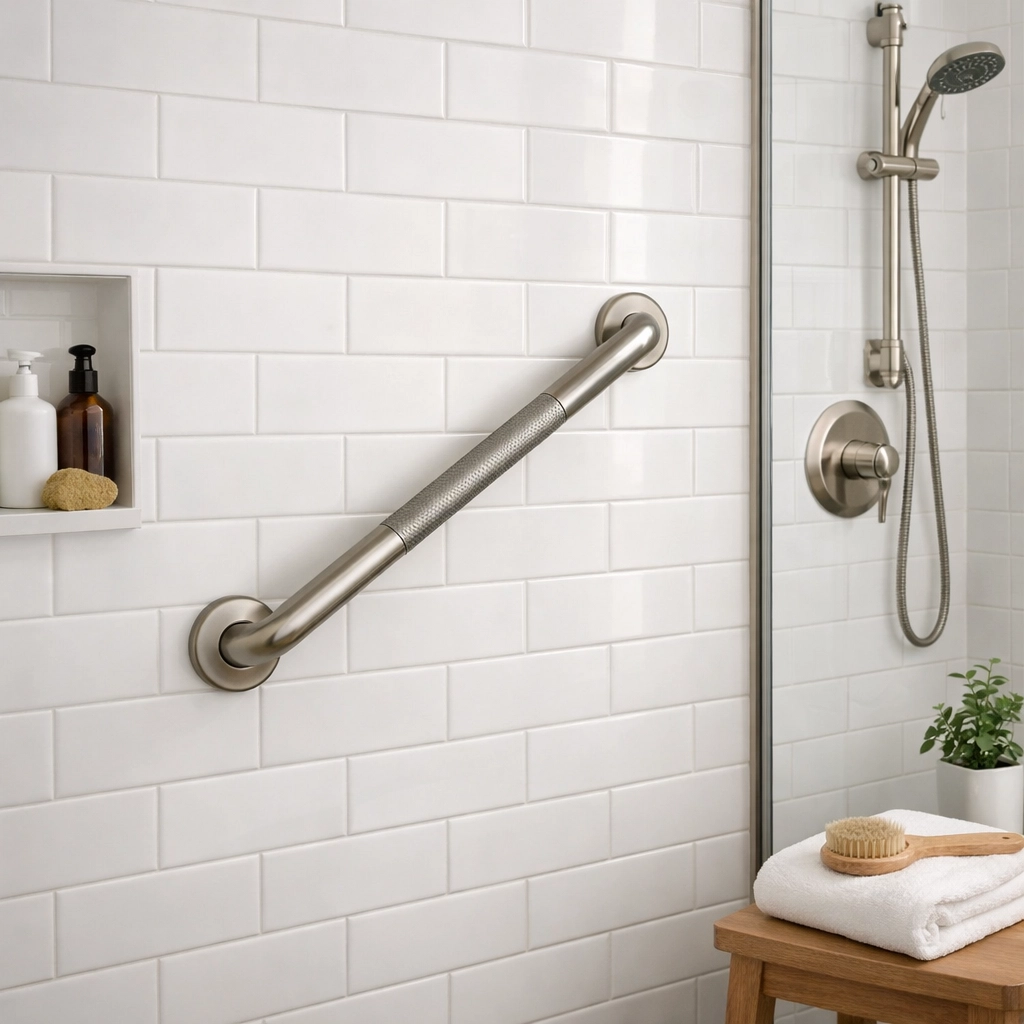
Replace towel bars with "dual-purpose" grab bars if you need support in those specific spots. Better yet, install dedicated grab bars inside the shower, outside the tub, and next to the toilet. Make sure they have a textured surface for a better grip when your hands are wet. Additionally, use non-skid mats both inside the tub and on the floor where you step out. Ensure the floor mat has a rubberized backing so it doesn't slide when you put weight on it.
7. Reaching for the "High Shelf"
We all have that one heavy pot or the box of holiday decorations on the top shelf of the pantry. The mistake is reaching for these items or, worse, standing on a kitchen chair to get to them. Reaching overhead shifts your center of gravity backward and can cause dizziness in some people, leading to a quick loss of balance. Using a chair as a step stool is incredibly dangerous because chairs are not balanced for vertical weight on their edges.
The Fix:
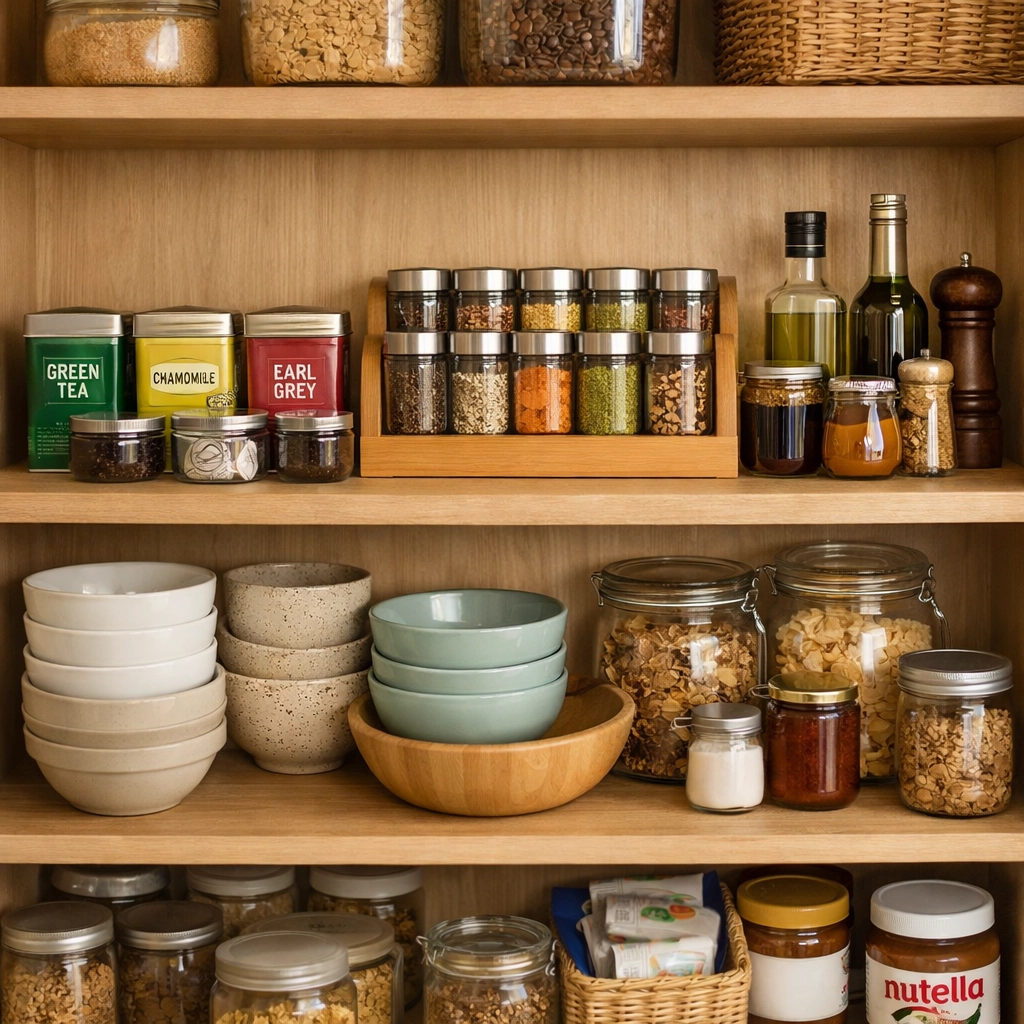
Reorganize your home based on the "Waist-to-Shoulder" rule. Any item you use more than once a month should be stored between your waist and shoulder height. Move heavy items to lower shelves where you don't have to reach up. If you must reach something high, use a specialized reacher tool or a high-quality step stool with a tall, sturdy handrail that you can hold onto with one hand while you reach with the other.
The Human Element: Strength and Balance
While fixing your environment is crucial, fall prevention is a two-part equation. The first part is your home; the second part is you.
Many people make the mistake of thinking that if they are feeling a bit wobbly, the best thing to do is sit down more. In reality, the opposite is true. Disuse leads to muscle atrophy, which makes falls more likely. Keeping your legs strong and your balance sharp is a form of "internal" fall prevention.
Simple exercises, like standing on one leg while holding onto a sturdy counter or doing "chair stands" (sitting and standing without using your arms), can make a massive difference in your stability. Always consult with a physical therapist or your doctor before starting a new routine, but remember that movement is medicine.
A Final Thought from Brian
At Fall Guys Products, we want you to feel confident in your own home. It’s easy to feel overwhelmed by a "safety checklist," but you don't have to fix everything in one afternoon. Start with one room: maybe the bathroom or the entryway: and make those small corrections.
By removing that one rug, changing a few lightbulbs, and being mindful of your footwear, you are significantly lowering your risk. Fall prevention isn't about living in fear; it's about setting up your environment so you can live with peace of mind.
Take a look around your living room right now. Is there a cord that needs moving? A rug that needs taping? A little bit of effort today can prevent a lot of trouble tomorrow. Stay safe, stay active, and keep your pathways clear.

