
For many of us, home is more than just a building. It is a collection of memories, a place of comfort, and a symbol of independence. As we age, the desire to stay in our own homes: a concept known as "aging in place": becomes a top priority. However, to do this successfully and with peace of mind, we have to talk about a topic that many people prefer to avoid: fall prevention.
Statistics tell us that more than 75% of falls among seniors occur right inside the home. This might sound a bit daunting, but there is a significant silver lining. Most falls are not "accidents" in the sense that they are random or unpreventable. Instead, they are the result of specific environmental hazards or physical changes that we can address.
In this guide, I want to walk you through a comprehensive, step-by-step approach to making your home a safer place. We’ll look at everything from the shoes on your feet to the layout of your bathroom, all with the goal of keeping you or your loved one moving confidently.
Assessing the Risk: Where to Start
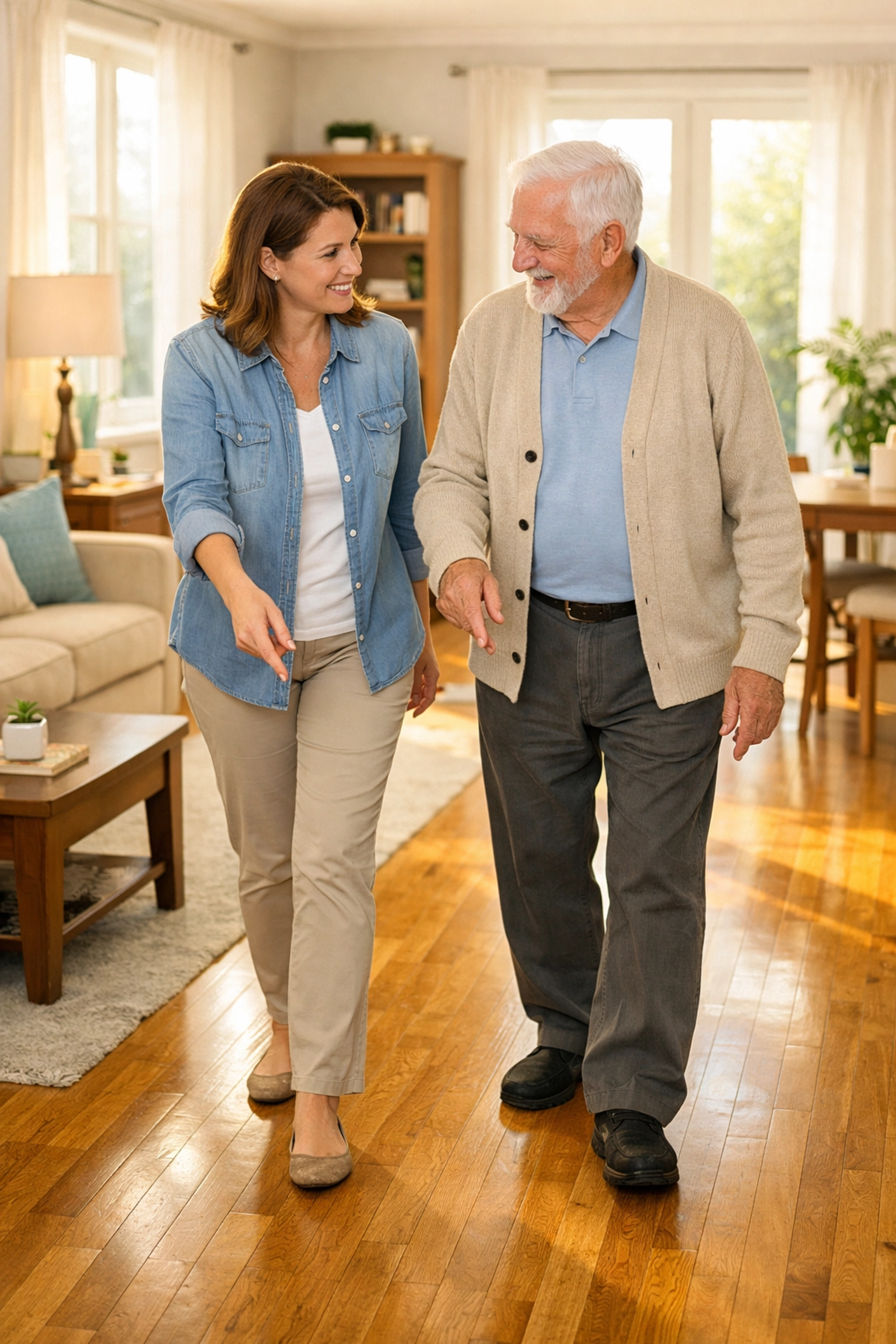
The first step in any safety plan is an honest assessment. We often become "blind" to our own surroundings because we see them every day. You might not notice that the rug in the hallway has a curled edge, or that you’ve started "furniture walking" (touching tables and chairs for balance) as you move through the living room.
A proper assessment involves looking at the home through a different lens. You are looking for trip hazards, slip risks, and areas where lighting is insufficient. It’s often helpful to have a family member, a friend, or even a professional like an occupational therapist walk through the house with you. They can offer a fresh perspective on things you might have overlooked.
Modifying the Home Environment
The physical layout of your home is often the biggest factor in fall risk. Fortunately, many of the most effective changes are relatively simple and don't require a full renovation.
Floors and Walkways
Clear pathways are your best friend. Clutter is a primary culprit in home falls. Ensure that high-traffic areas are free of books, shoes, and electrical cords.
- Area Rugs: These are notorious trip hazards. The safest option is to remove them entirely. If you must keep them, use double-sided tape or non-slip backing to secure them firmly to the floor.
- Transitions: Be mindful of where the flooring changes, such as moving from carpet to tile. If there is a slight lip or "threshold," it can easily catch a toe.
The Bathroom: A High-Priority Zone
The bathroom is statistically the most dangerous room in the house due to wet surfaces and the physical exertion required for bathing and using the toilet.
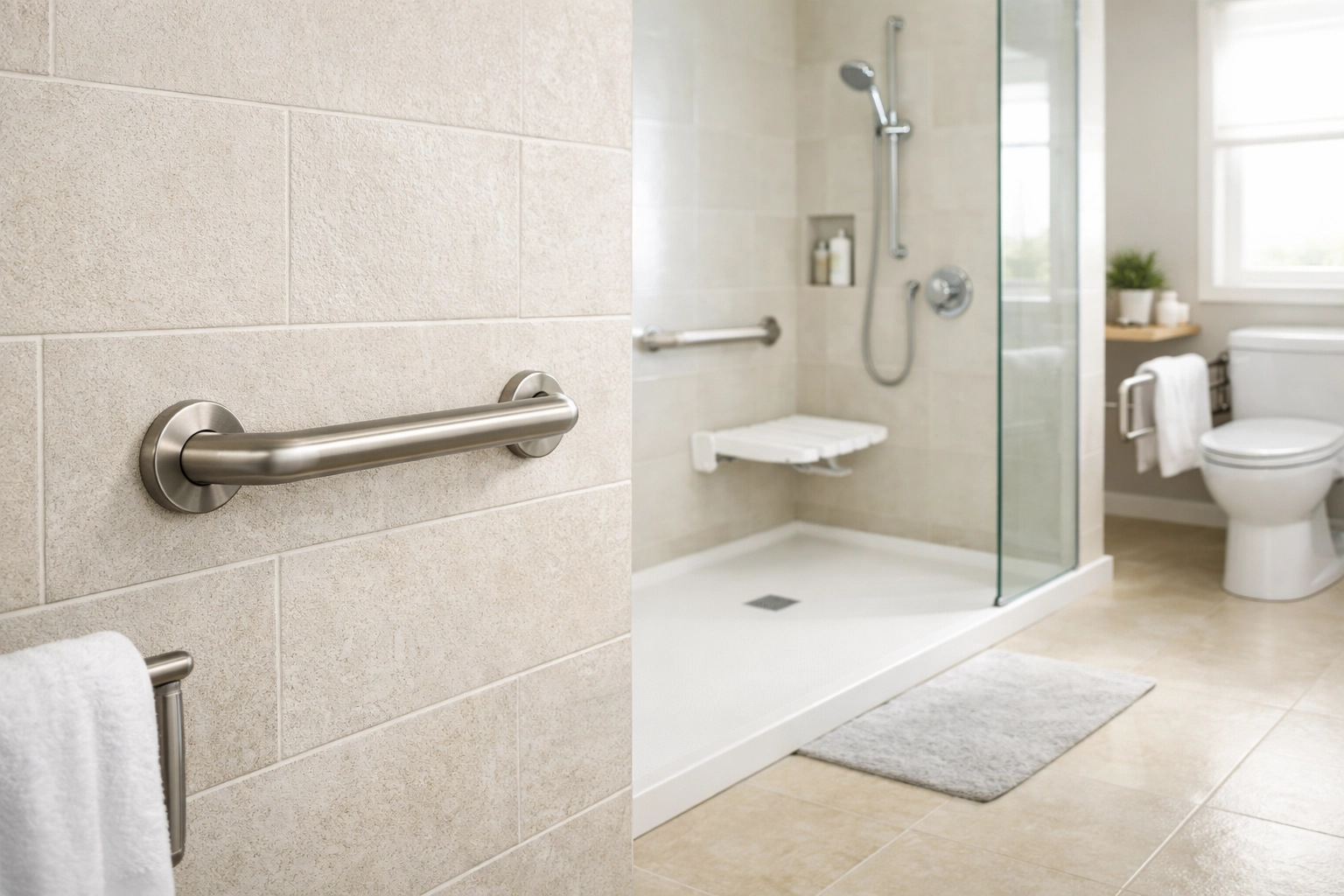
- Grab Bars: These are essential. Unlike towel racks, which are not designed to hold human weight, grab bars are bolted into the wall studs. You should have them in the shower and near the toilet.
- Non-Slip Surfaces: Use non-slip mats or apply a non-slip treatment to the floor of your tub or shower.
- Seating: A shower chair or transfer bench can take the fatigue out of bathing, significantly reducing the risk of a slip while standing on a soapy surface.
Lighting the Way
As we age, our eyes need more light to see clearly, and our ability to adjust to changes in light levels slows down.
- Brighten Up: Replace dim bulbs with brighter, energy-efficient LED bulbs.
- Night Lights: Install motion-sensor night lights in the hallways and bathrooms so you don't have to fumble for a switch in the dark.
- Contrast: Consider placing brightly colored tape on the edges of steps. This helps your brain distinguish where one step ends and the next begins.
Building Strength and Balance
While the environment is half of the equation, the "human" element is the other half. Fall prevention is just as much about what you do with your body as it is about what you do with your house.
Movement is Medicine
Research consistently shows that physical activity is the first line of defense against falls. Exercise reduces the risk of falling by about 23%. The goal isn't necessarily to become a marathon runner; it’s about maintaining the muscle mass and balance needed for daily life.
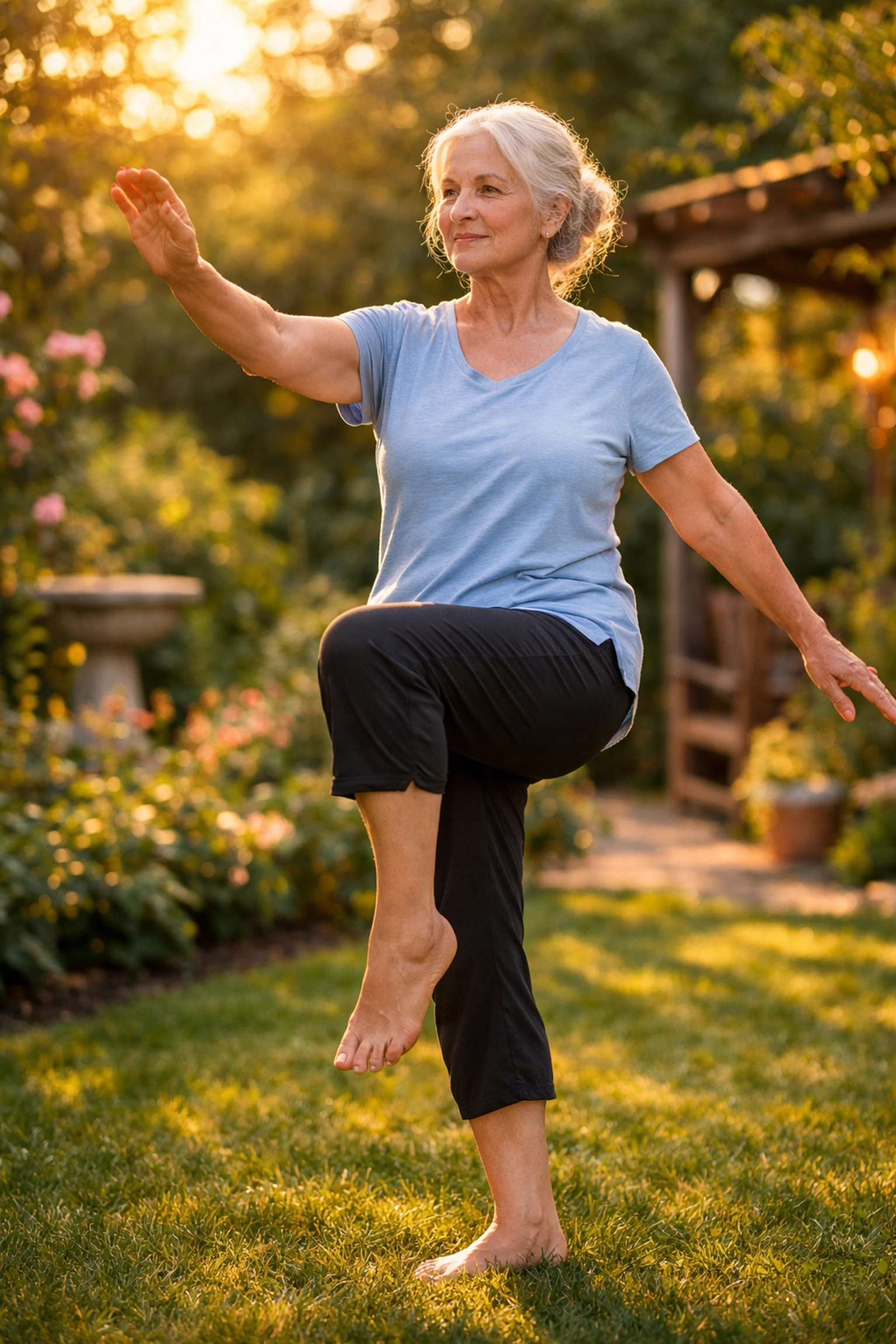
- Tai Chi: This ancient practice is incredibly effective for seniors. Programs like "Tai Ji Quan: Moving for Better Balance" have been shown to reduce the risk of recurrent falls by over 50%. It focuses on slow, controlled movements that improve "proprioception": your body's ability to sense its position in space.
- Resistance Training: Strengthening the legs and core provides the stability needed to recover if you do happen to trip.
- Professional Guidance: Before starting a new routine, talk to a doctor or a physical therapist. They can help you design a program that is safe for your specific mobility level.
The Role of Health and Lifestyle
Sometimes the risk of a fall comes from the inside. Our general health plays a massive role in how steady we are on our feet.
Vision and Hearing
We rely on our eyes and ears to navigate the world. If your vision is blurry or your depth perception is off, you are much more likely to misstep. Similarly, the inner ear is responsible for balance.
- Annual Checks: Ensure you are getting regular eye and hearing exams.
- Bifocals: Be extra careful if you wear bifocals or trifocals, as they can sometimes distort your view of the ground when you are looking down at stairs.
Medication Management
Many medications, or combinations of medications, can cause side effects like dizziness, drowsiness, or a drop in blood pressure when you stand up.
- Review with a Pharmacist: At least once a year, have a doctor or pharmacist review all your medications (including over-the-counter supplements) to check for interactions that might increase your fall risk.
Nutrition and Hydration
Strong bones and muscles require fuel.
- Vitamin D: This is crucial for bone health. Many doctors recommend a Vitamin D supplement (often around 800 IU daily) to help keep muscles and bones strong.
- Hydration: Dehydration can lead to lightheadedness. Make sure you are drinking enough water throughout the day.
Using Mobility Aids Correctly
There is often a stigma associated with using a cane, a walker, or a safety rail. I like to encourage people to view these not as "signs of aging," but as tools for independence. A good mobility aid is like a high-quality pair of hiking boots: it’s equipment that allows you to go further and stay active longer.
The Importance of a Proper Fit
A mobility aid that is the wrong height can actually make you less stable.
- If a cane is too high, it won't provide the right support.
- If it’s too low, it will cause you to slouch, throwing off your center of gravity.
- Work with a physical therapist to ensure your equipment is adjusted correctly for your height and gait.
Consistency is Key
The most common time for a fall to occur is during a "short trip": like getting up in the middle of the night to go to the bathroom. Often, people think, "It's only a few steps, I don't need my walker." However, those few steps are when you are most vulnerable. Use your aids consistently, every time you stand up.
Creating a Fall Response Plan
Despite our best efforts, falls can still happen. Part of being prepared is knowing exactly what to do if you or a loved one ends up on the floor.
- Don't Panic: Stay still for a few moments. Check for pain and catch your breath. Trying to get up too quickly can lead to a second fall or worsen an injury.
- Assess the Situation: Can you move your arms and legs? If you are injured or feel you cannot get up safely, do not force it. This is where having a medical alert button or a phone nearby is vital.
- The "Crawl and Climb" Method: If you aren't hurt, crawl to a sturdy piece of furniture, like a heavy chair or the bed. Put your hands on the seat, bring one leg forward so your foot is flat on the floor, and use your arms and legs to push yourself up.
- Report the Fall: Even if you aren't hurt, tell your doctor. A fall can be a "warning sign" of a change in your health or a medication side effect that needs to be addressed.
Final Thoughts
Fall prevention isn't about living in fear; it's about empowerment. When you take the time to secure your rugs, brighten your hallways, and strengthen your body, you are investing in your future independence.
Aging in place safely is a team effort. Reach out to family, talk to your healthcare providers, and don't be afraid to make the changes necessary to keep your home the sanctuary it should be. By taking these proactive steps today, you are ensuring that you can continue to enjoy the comfort of your own home for many years to come.
Remember, the goal isn't just to prevent a fall: it's to maintain the freedom to live life on your own terms. Stay safe, stay active, and keep moving forward.

