
Stairs are a fundamental part of many homes, yet they are also one of the most common sites for serious accidents. As we age, or as we care for aging loved ones, the way we perceive and interact with our environment changes. What once felt like a simple climb can become a source of anxiety or a genuine physical hazard.
The goal of fall prevention isn't to restrict movement or create fear; it is to empower independence by making the home as safe as possible. Often, the risks associated with stairs aren't the result of a single catastrophic failure, but rather a collection of small, overlooked habits or design flaws. By identifying these common mistakes, you can take practical steps to secure your home and provide peace of mind for everyone who uses the stairs.
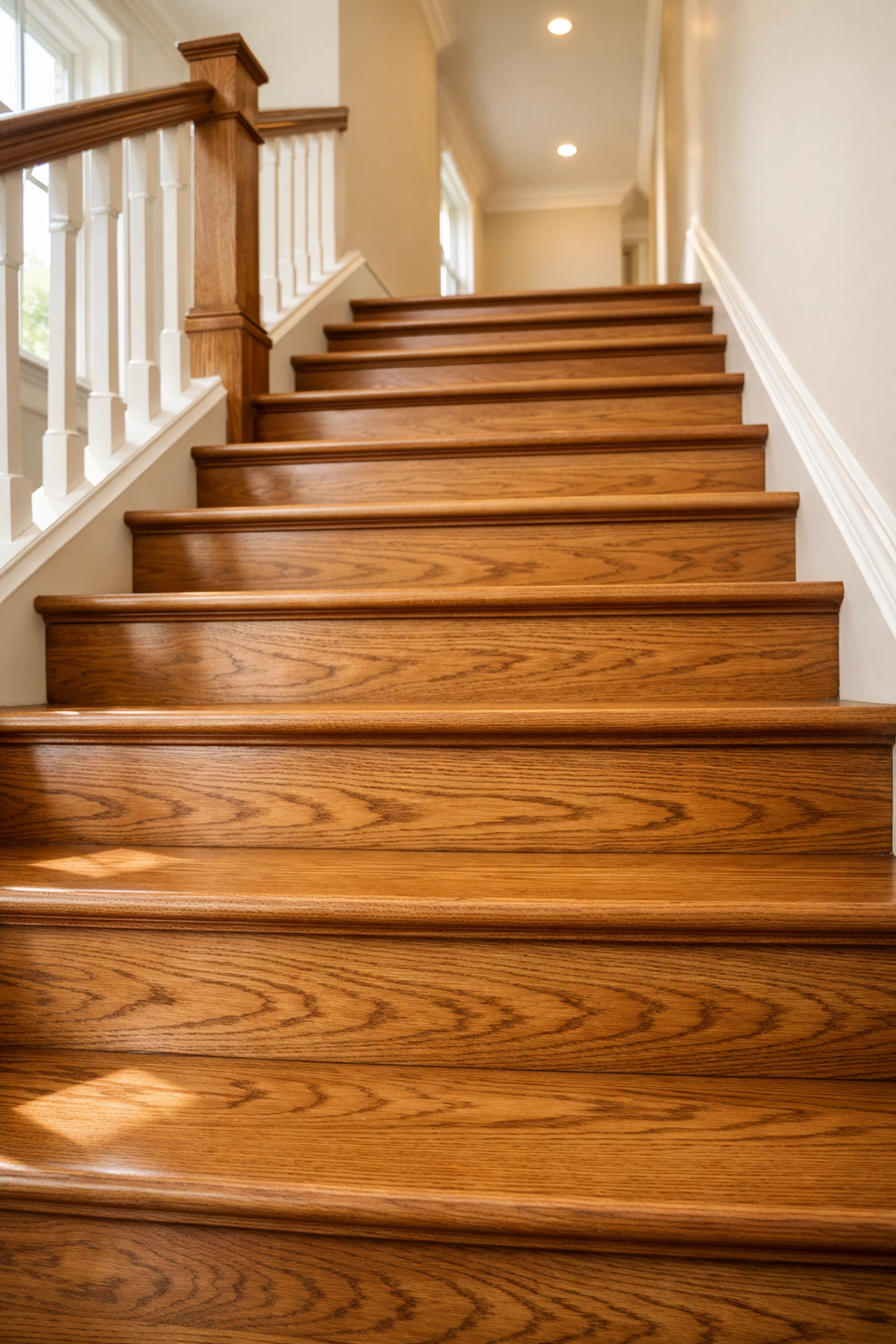
1. Ignoring Inconsistent Step Heights and Depths
The human brain is remarkably efficient at establishing a rhythm. When you start climbing a flight of stairs, your brain calculates the exact amount of lift and forward momentum required based on the first two steps. Once that rhythm is set, you effectively go on "autopilot."
The mistake many homeowners make is assuming that all steps in a flight are uniform. In older homes, or even in some DIY renovations, the height of a step (the riser) or the depth of the step (the tread) can vary by as little as a quarter of an inch. While that sounds negligible, it is more than enough to catch a toe or cause a heel to slip. This is especially dangerous at the top of the stairs, where a wider-than-average step can cause a person to over-extend their stride, leading to a loss of balance.
How to Fix It:
Take a measuring tape and check each step. If you find significant variations, it may be time for a professional assessment. For minor discrepancies, you can sometimes use high-visibility "nosing": the edge of the step that hangs over the riser: to help the eye better judge the distance. Ensuring that the horizontal and vertical surfaces are as uniform as possible is the first step in preventing "rhythm-break" trips.
2. Choosing Decorative Handrails Over Functional Support
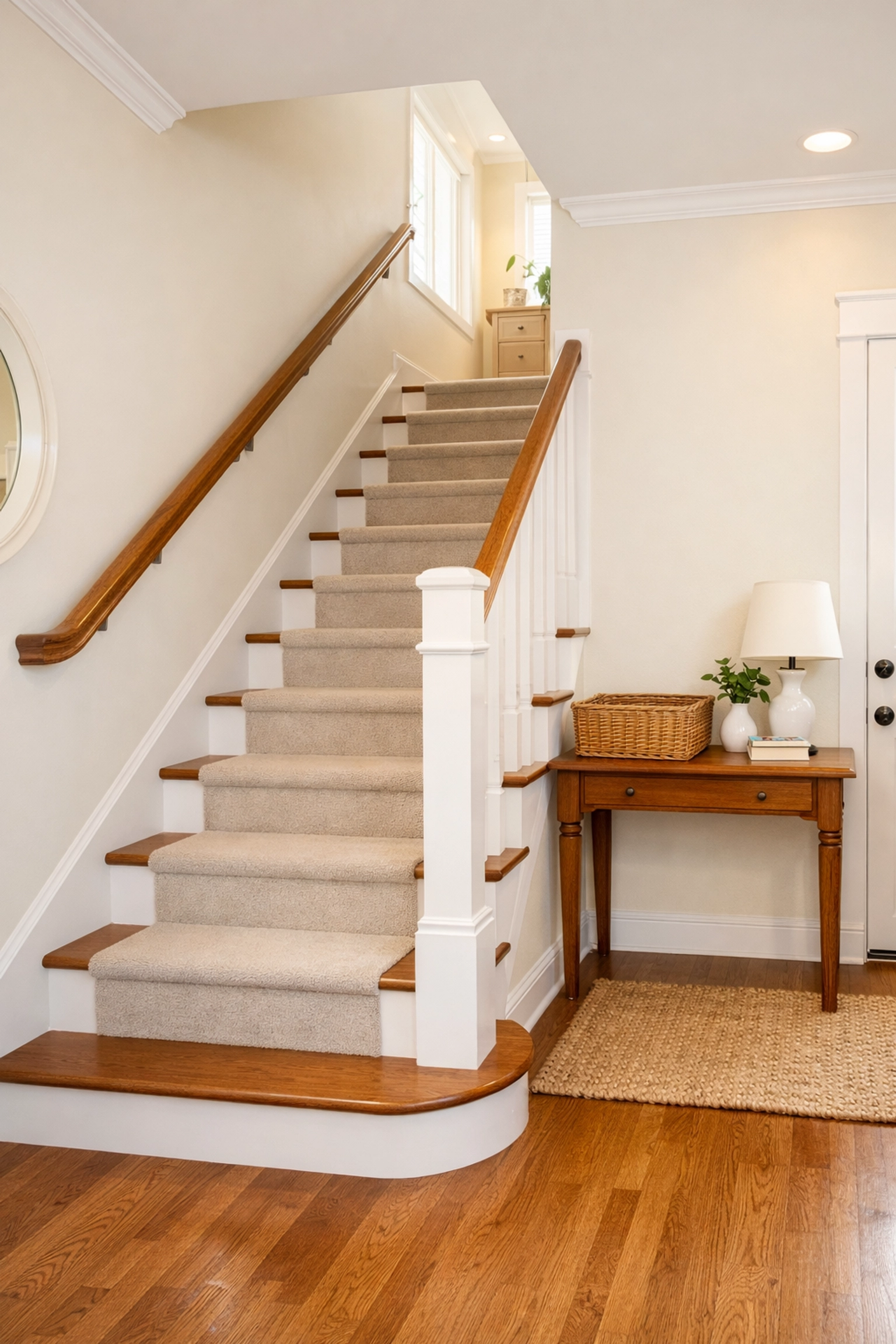
It is common for home design to prioritize aesthetics. Many staircases feature handrails that are beautifully carved, rectangular, or oversized to match the architectural style of the house. However, a handrail is not just a piece of furniture; it is a safety device intended to provide a "power grip."
The mistake here is having a rail that is too wide or too oddly shaped to be fully grasped. If your hand cannot wrap completely around the rail, you are relying on a "pinch grip" (using just your fingers). In the event of a slip, a pinch grip is rarely strong enough to support your full body weight or stop a fall. Furthermore, many homes only have a railing on one side, leaving the user vulnerable on their weaker side.
How to Fix It:
If your current handrail is purely decorative, consider replacing it with a round or oval rail with a diameter of about 1.25 to 2 inches. This size allows the hand to firmly encircle the wood or metal. Additionally, installing a second handrail on the opposite wall provides "dual-point" support, which is significantly safer for those with balance issues or unilateral weakness. Ensure the rail is mounted between 30 and 38 inches from the leading edge of the steps.
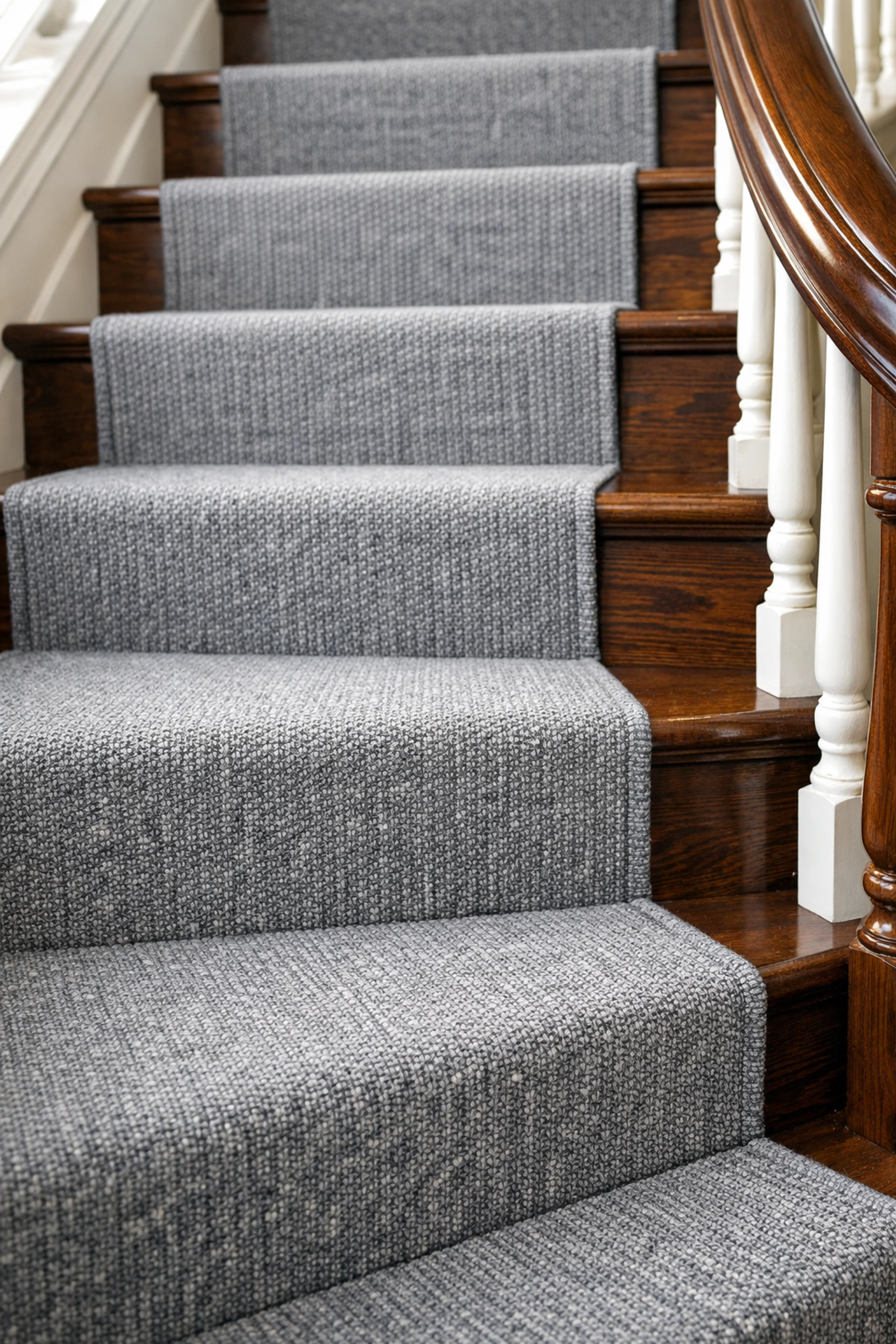
3. Allowing Slippery Surfaces to Persist
Polished hardwood, sleek tile, and high-gloss finishes are popular for their clean look, but they offer virtually zero traction. The danger is compounded when individuals walk in socks or smooth-soled slippers. Even a small amount of moisture from a rainy day or a spilled drink can turn a wooden staircase into a slide.
Many people recognize the slipperiness but hesitate to fix it because they don't want to cover up expensive flooring with carpet. However, leaving a slick surface as-is is a gamble that rarely pays off in the long run.
How to Fix It:
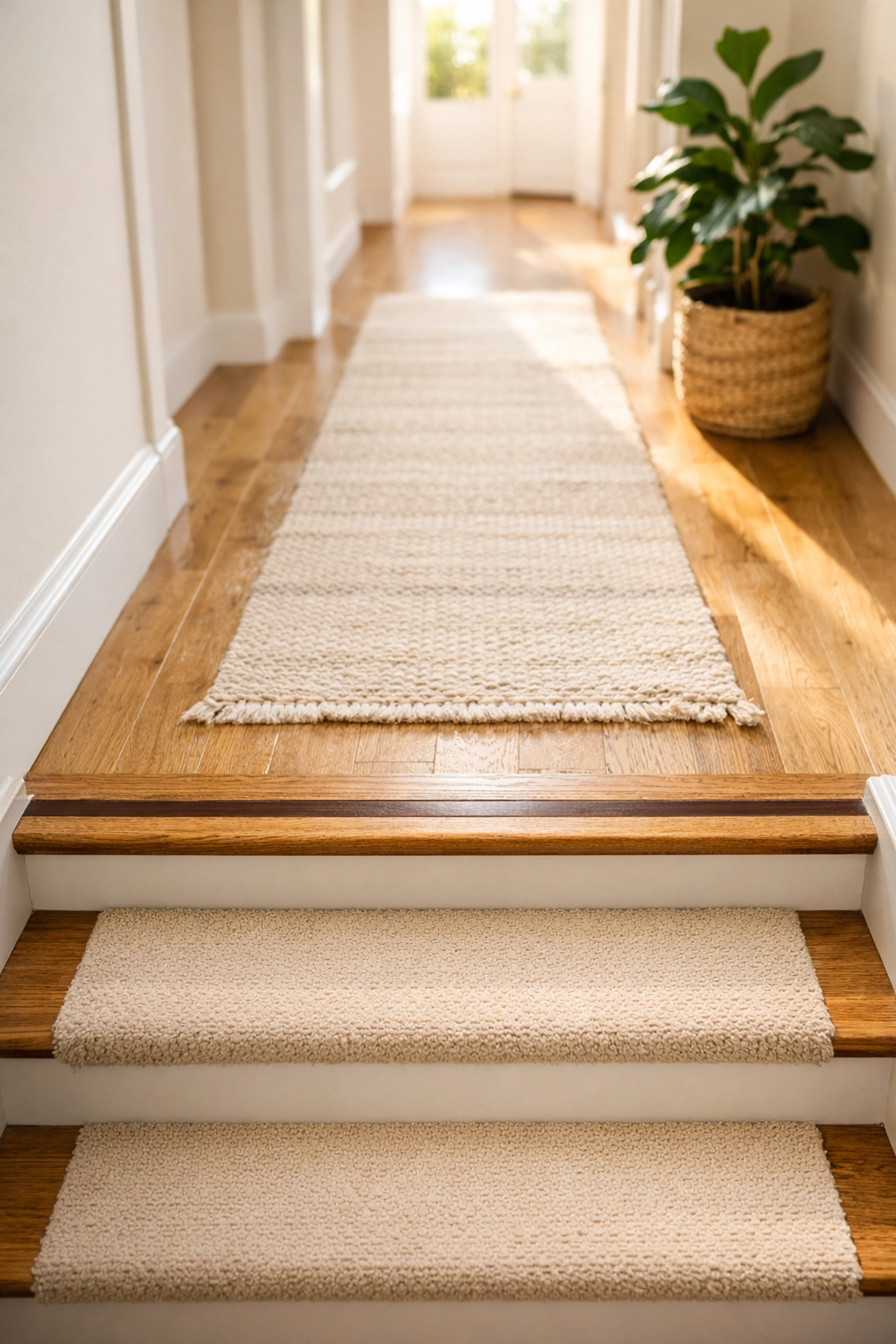
You don't have to hide your beautiful floors to make them safe. Anti-slip transparent adhesive strips can be applied to the edge of each tread to provide grip without obscuring the wood grain. If you prefer a more tactile solution, rubber stair treads or low-pile carpet runners are excellent options. The key is to ensure that whatever you add is securely fastened; a loose rug on a staircase is often more dangerous than the slippery floor itself.
4. Neglecting Proper Lighting and Contrast
Vision plays a massive role in balance. As we age, our eyes require more light to see clearly, and our ability to perceive depth can diminish. A common mistake is relying on a single overhead light at the top of the stairs that casts long, confusing shadows over the middle steps. When the edge of a step blends into the shadow of the riser below it, misjudging the distance becomes almost inevitable.
How to Fix It:
Effective stair lighting should be bright and uniform. Consider installing motion-activated LED lighting along the baseboards or under the lip of each step. This ensures the path is lit the moment someone approaches.
Beyond brightness, contrast is essential. If your stairs and the floor at the bottom are the same color, it can be hard to tell where the staircase ends. Adding a strip of high-contrast tape or a different colored tread to the edge of each step helps the eyes distinguish the boundaries of each level, making it much easier to navigate in low light.
5. The "Stair Basket" and Clutter Trap
We have all done it: we find something downstairs that belongs upstairs, so we place it on the bottom step to take up "on the next trip." Sometimes, people even buy decorative baskets designed specifically to sit on the stairs to hold these items.
While it seems efficient, this is one of the most preventable causes of stair falls. Stairs should be treated as a "no-fly zone" for objects. Even a small pair of shoes or a stray power cord can cause a catastrophic trip. When you are descending, these objects may be hidden from your line of sight until it is too late.
How to Fix It:
Implement a strict "nothing on the stairs" rule. If items need to go up or down, place them on a table or in a designated bin near the stairs, but never on them. If you find it difficult to carry items while using the stairs, consider installing a small shelf at both the top and bottom. This allows you to move items to the landing, keep your hands free for the handrail, and then move the items to their final destination once you are safely off the stairs.
6. Failing to Maintain Structural Integrity
Stairs endure a lot of stress over the years. Over time, wood can warp, nails can work their way loose, and treads can begin to creak or shift. Many homeowners ignore these "quirks" of an older home, viewing them as character rather than hazards.
A loose tread is particularly dangerous because it can shift unexpectedly underfoot, throwing off your center of gravity. Similarly, a handrail that wobbles when you put weight on it will not provide the necessary leverage if you actually start to fall.
How to Fix It:
Perform a seasonal "stair audit." Walk up and down the stairs slowly, feeling for any movement in the steps. Check the handrail brackets to ensure they are screwed firmly into the wall studs. If you find a loose tread, secure it with screws rather than nails, as screws are much less likely to pull out over time. If the wood is splintering or cracked, sand it down or replace the tread to prevent snagging on socks or clothing.
7. Falling Victim to the "Bottom-of-Flight" Illusion
The "bottom-of-flight illusion" is a documented architectural phenomenon where the final step of a staircase blends visually with the floor of the landing. This often happens when the flooring material is the same on the stairs and the landing. People mistakenly believe they have reached the flat ground, fail to lift their foot for the final step, and end up overbalancing.
In many cases, the final step in a flight is also slightly shorter or taller than the others due to the way the floor was leveled, which further confuses the body's internal sense of rhythm.
How to Fix It:
The best fix for this illusion is visual signaling. Mark the final step with a different color or a high-visibility strip. This acts as a "stop sign" for the brain, signaling that the descent is not yet finished. You can also improve safety by ensuring that the handrail extends about 12 inches beyond the final step. This allows the user to maintain a solid grip until both feet are firmly planted on the level landing.
Establishing Safe Habits
While physical modifications are vital, the way we use stairs is just as important. Even the safest staircase in the world can be dangerous if used incorrectly.
- The Two-Point Rule: Always aim to have two points of contact. This usually means both feet on a step before moving to the next, or one hand on the rail and one foot moving.
- Footwear Matters: Avoid walking on stairs in stocking feet. Bare feet or shoes with non-slip soles provide the best grip. If you prefer slippers, ensure they have a rubberized bottom and a back that keeps your heel secure.
- Don't Rush: Many falls occur when someone rushes to answer a door or a ringing phone. Remind yourself that no phone call is worth a fall.
- Keep Hands Free: If you must carry something, try to keep one hand on the railing at all times. If the object is too heavy or bulky to allow for this, ask for help or move the item in smaller loads.
Conclusion
Securing a staircase doesn't always require a major construction project. Most of the risks can be mitigated by paying attention to the small details: lighting, contrast, grip, and clutter. By taking a proactive and reassuring approach to home safety, you can ensure that the stairs remain a functional part of the home rather than a source of stress.
Regularly assessing the environment and making incremental improvements is the hallmark of a safe and accessible home. It is about creating a space that supports you, providing the stability and confidence needed to navigate every floor of your home with ease.

