
Hi, I’m Brian Kerr, founder of Fall Guys Products. When we talk about making a home safe, the conversation almost always moves toward the stairs. It makes sense: staircases are one of the most complex areas of a home to navigate, especially as we age or deal with mobility challenges.
The goal isn't to make you afraid of your own home, but rather to empower you with the right information. Stair safety is a combination of many small factors: how the stairs are built, how they are lit, what’s on the surface, and how we physically move across them. In this guide, we’re going to break down every aspect of stair safety to help you or your loved ones stay steady and confident.
The Foundation: Structural Integrity and Design
Before we look at lighting or rugs, we have to look at the "bones" of the staircase. A safe staircase starts with consistency. Our brains and bodies rely on a predictable rhythm when climbing stairs. If one step is even half an inch taller than the rest, it creates a significant trip hazard because our feet don't expect the change in height.
Consistent Risers and Treads
The "riser" is the vertical part of the step, and the "tread" is the horizontal part where you place your foot. In a perfect world, every riser should be exactly the same height, and every tread should be the same depth. If you live in an older home, wood can warp or settle over time.
Take a moment to walk your stairs slowly. Do any steps feel "soft"? Do they creak or shift? If a tread is loose, it needs to be secured immediately. We recommend using screws rather than nails for these repairs, as screws grip the wood much tighter and won't "pop up" over time, which in itself can become a tripping hazard.
The Problem with Winder Stairs
Some homes have "winder" stairs: those pie-shaped steps that turn a corner. These are inherently more difficult to navigate because the tread is very narrow on one side and wide on the other. If your home has these, it is vital to focus on the other safety measures we’ll discuss, like double handrails and high-contrast edges.
Handrails: Your Primary Support System
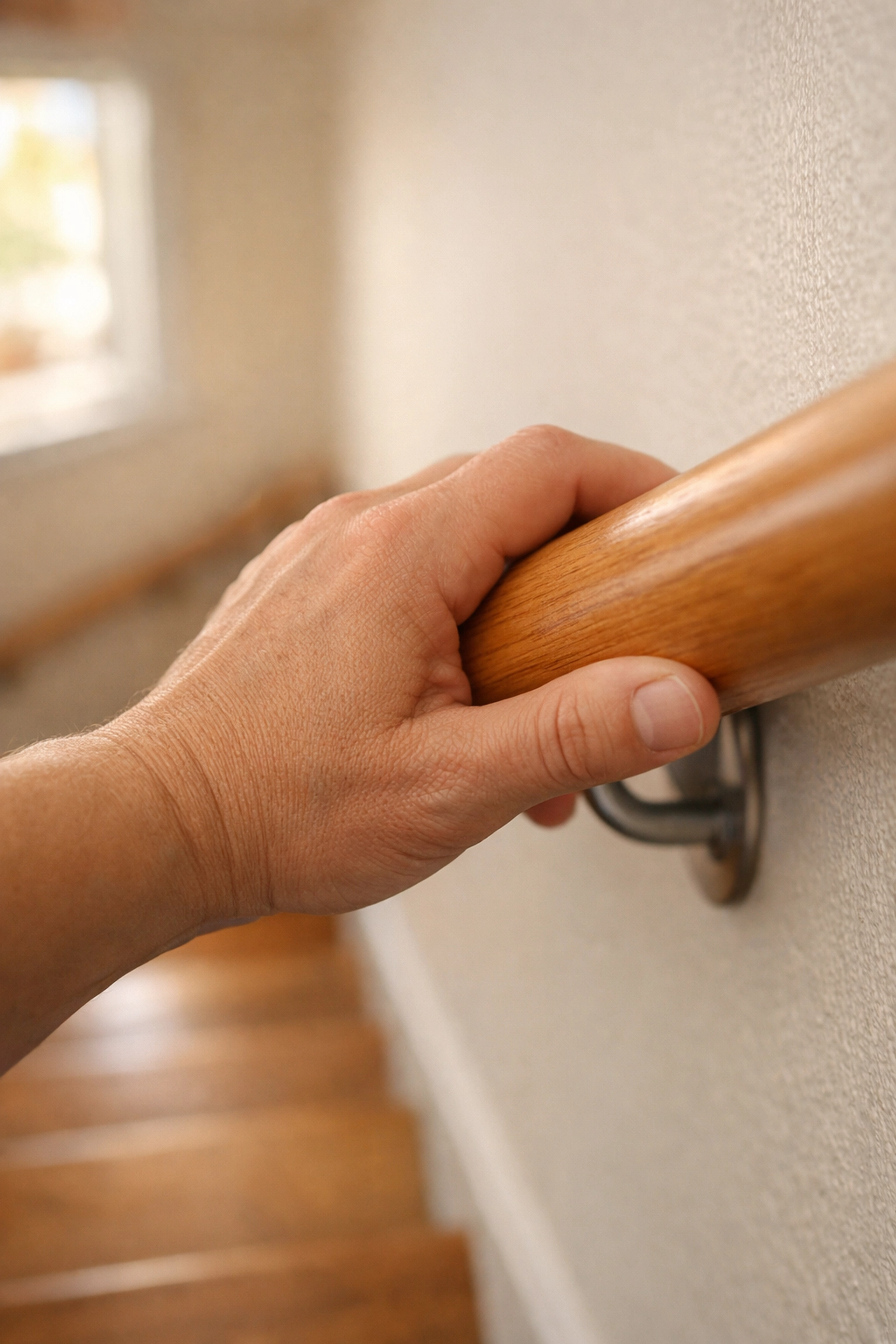
A handrail shouldn’t just be a decoration; it’s a life-saving tool. Many homes have a handrail on only one side of the stairs, but for maximum safety, having rails on both sides is the gold standard.
Height and Grip
A handrail should be mounted at a height that allows your arm to be slightly bent while holding it: usually between 34 and 38 inches above the stair nosing. More importantly, the rail should be "graspable." This means you should be able to wrap your hand entirely around it. If a handrail is too wide or too decorative to grip firmly, it won't be able to support your weight if you actually lose your balance.
Extension Beyond the Stairs
One of the most common places people lose their balance is at the very top or the very bottom of the staircase. This often happens because the handrail ends exactly where the steps end. Ideally, a handrail should extend about 12 inches beyond the top and bottom steps. This allows you to maintain a steady grip until your feet are firmly on level ground.
Lighting: Eliminating Shadows and Improving Vision
You can have the sturdiest stairs in the world, but if you can't see where one ends and the next begins, you're at risk. As we age, our eyes require more light to see clearly, and our depth perception can begin to fade.
Eliminating Glare and Shadows
The goal for stair lighting is "even illumination." You want to avoid single, harsh overhead lights that cast long shadows over the steps. If a shadow falls over the edge of a step, it can make it look like the step is further away or closer than it actually is.
Consider installing recessed lighting along the wall near the floor (step lights) or using motion-activated LED strips. These are fantastic because they light up the specific area you are walking on without requiring you to fumble for a light switch in the dark.
Contrast Is Key
If your stairs are made of dark wood and your hallway has dark flooring, the transition can be hard to spot. A very effective, low-cost safety measure is to use contrasting colors. You can apply a strip of high-visibility tape or a different colored paint to the "nosing" (the front edge) of each step. This creates a clear visual boundary for your brain to process as you move.
Improving Traction and Surface Safety
The material on your stairs plays a massive role in safety. Polished hardwood, while beautiful, is notoriously slippery: especially if you are wearing socks or smooth-soled slippers.
The Case for Carpet
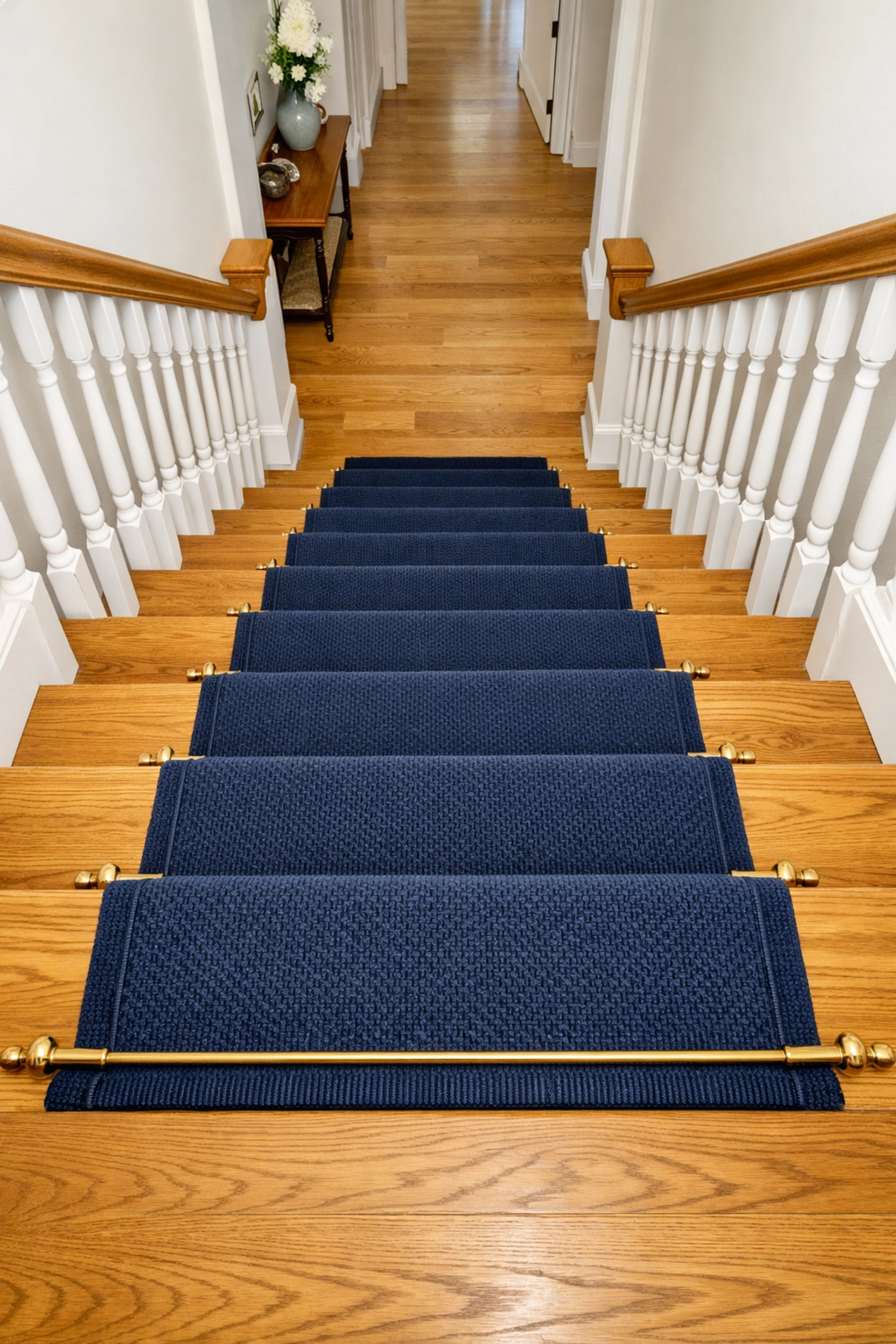
A tightly woven, low-pile carpet is often the safest surface for stairs. It provides natural traction and, in the event of a fall, offers a bit of cushioning. However, "shag" or high-pile carpet is a hazard because the long fibers can catch on heels or toes. If you have a carpet runner, ensure it is stretched tight and secured with stair rods or heavy-duty staples. Loose carpet is more dangerous than no carpet at all.
Non-Slip Solutions for Hard Surfaces
If you prefer wood or tile stairs, you have options to increase grip:
- Clear Adhesive Strips: These provide a sandpaper-like texture that is almost invisible.
- Rubber Treads: These are more industrial but offer the highest level of grip.
- Anti-Slip Coatings: There are specialized paints and finishes that add a gritty texture to the surface without changing the look too drastically.
Behavioral Habits and Environmental Safety
Sometimes, the danger isn't the stairs themselves, but how we use them. Making small changes to your daily habits can drastically reduce the risk of a fall.
The "One Step at a Time" Rule
It sounds simple, but many falls happen when we are in a hurry or trying to carry too many things. Always try to keep at least one hand free to hold the railing. If you have laundry or groceries to move, consider using a "stair basket" at the top and bottom. Place items in the basket and move them only when you can do so safely, or ask for help.
Proper Footwear
Walking on stairs in stocking feet is one of the most common causes of household slips. Inside the home, it is best to wear shoes with rubber, non-slip soles. If you prefer to be shoeless, look for "gripper socks" that have silicone pads on the bottom to provide traction on slick surfaces.
Cognitive Health and Distractions
Distraction is a major factor in stair accidents. Talking on a cell phone, looking at a tablet, or even having a deep conversation can take just enough focus away from your footing to cause a trip. When on the stairs, focus solely on the stairs.
Special Considerations for Vulnerable Populations
If you are a caregiver for someone with dementia or significant vision impairment, stair safety requires an even more proactive approach.
For Vision Impairment
Beyond just adding light, think about the type of light. Warm, yellow lights can sometimes make it harder to distinguish edges. Cool white LEDs often provide better contrast. Additionally, removing any patterns from the stairs (like busy floral carpets) can help reduce "visual noise" that might confuse someone with poor depth perception.
For Dementia Care
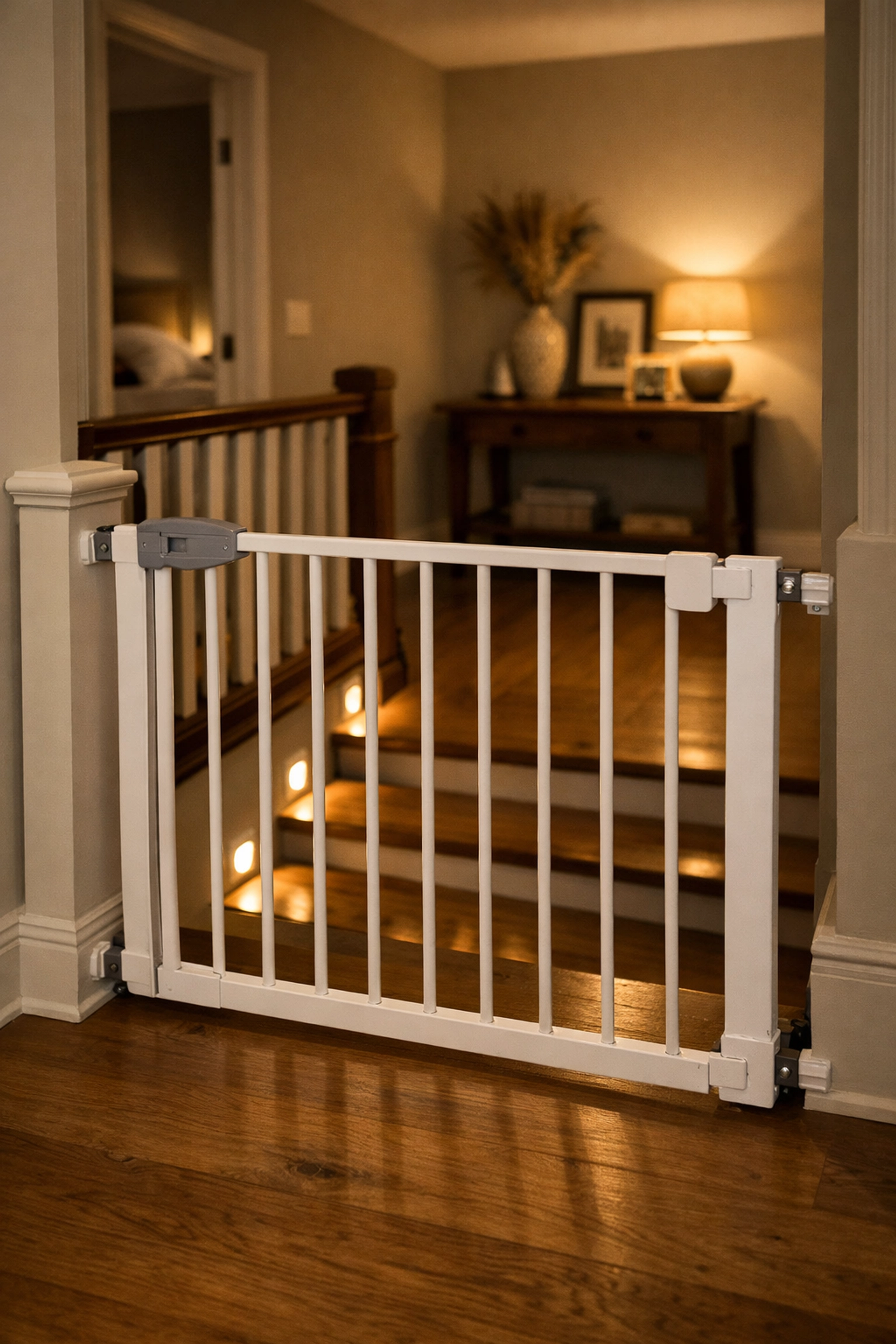
For those with cognitive challenges, stairs can become confusing or even frightening. Sometimes, the best safety measure is to restrict access to stairs when a caregiver isn't present. Using hardware-mounted safety gates (which are much sturdier than pressure-mounted ones) can prevent someone from attempting the stairs alone at night.
A Seasonal Maintenance Checklist
Stair safety isn't a "set it and forget it" task. Homes shift, materials wear down, and bulbs burn out. We recommend doing a quick "stair audit" every few months.
- Check the Handrail: Give it a firm shake. Does it wiggle? If so, tighten the brackets.
- Inspect the Treads: Look for cracks in wood, fraying in carpet, or peeling in non-slip tape.
- Test the Lights: Replace any dimming bulbs. Clean any dust off motion sensors to ensure they trigger quickly.
- Clear the Clutter: It’s a common habit to leave things on the steps "to take up later." This is a major hazard. Ensure the stairs and the landing areas at the top and bottom are completely clear of shoes, books, or decor.
- Check the Nosing: Ensure the front edges of the steps aren't becoming rounded or worn down, as this reduces the surface area for your foot.
Final Thoughts from Brian
At Fall Guys Products, we believe that the best way to handle a fall is to prevent it from happening in the first place. Your home should be a place where you feel secure, not a place where you have to navigate an obstacle course.
By taking a systematic approach: fixing the structure, adding support, improving visibility, and being mindful of your habits: you can significantly lower the risks associated with stairs. It doesn't all have to happen in one day. Start with the easiest fix, like clearing clutter and checking your lightbulbs, and work your way up to the bigger projects like adding a second handrail.
Stay safe, stay steady, and remember that a little bit of preparation goes a long way in maintaining your independence at home.

