
When most people think about fall prevention, they think about the obvious stuff: picking up the loose rug in the hallway, putting a non-slip mat in the tub, or making sure the stairs are well-lit. While those are all vital steps, they only cover half of the equation. As a physical therapist (PT) would tell you, the environment is only as safe as the person moving through it.
Physical therapists look at the human body as a complex system of levers, sensors, and engines. When they approach the "problem" of falling, they aren't just looking at your floor: they’re looking at your gait, your muscle firing patterns, and your inner ear's ability to tell which way is up.
If you really want to stay on your feet, you have to look at movement through the eyes of a professional. Here is the best, most practical fall prevention advice you’ll ever get from the world of physical therapy.
Why Physical Therapy is the Secret Weapon in Fall Prevention
Falling is rarely the result of a single "accident." Usually, it is a combination of factors: a slight loss of muscle mass, a tiny delay in reaction time, and perhaps a bit of dizziness from a new medication. By the time someone actually trips, the groundwork for that fall may have been laid months or years prior.
Physical therapists specialize in "prehabilitation." This is the practice of strengthening the body and sharpening the mind's connection to its limbs before a crisis occurs. Research shows that a multi-component exercise program: one that combines strength, balance, and gait training: can reduce the risk of falls by as much as 40%. That is a massive margin, and it’s something that can be achieved without expensive equipment or grueling gym sessions.
Rethinking Balance: It’s More Than Just Staying Upright
We often treat balance like a fixed trait: you either have it or you don’t. But PTs view balance as a skill that requires constant "re-calibration."
The Proprioception Connection
Your body has a "sixth sense" called proprioception. This is the ability of your brain to know where your limbs are in space without you looking at them. For example, you can touch your nose with your eyes closed because of proprioception. As we age, the sensors in our joints and muscles can become less sensitive. A physical therapist works to wake those sensors back up.
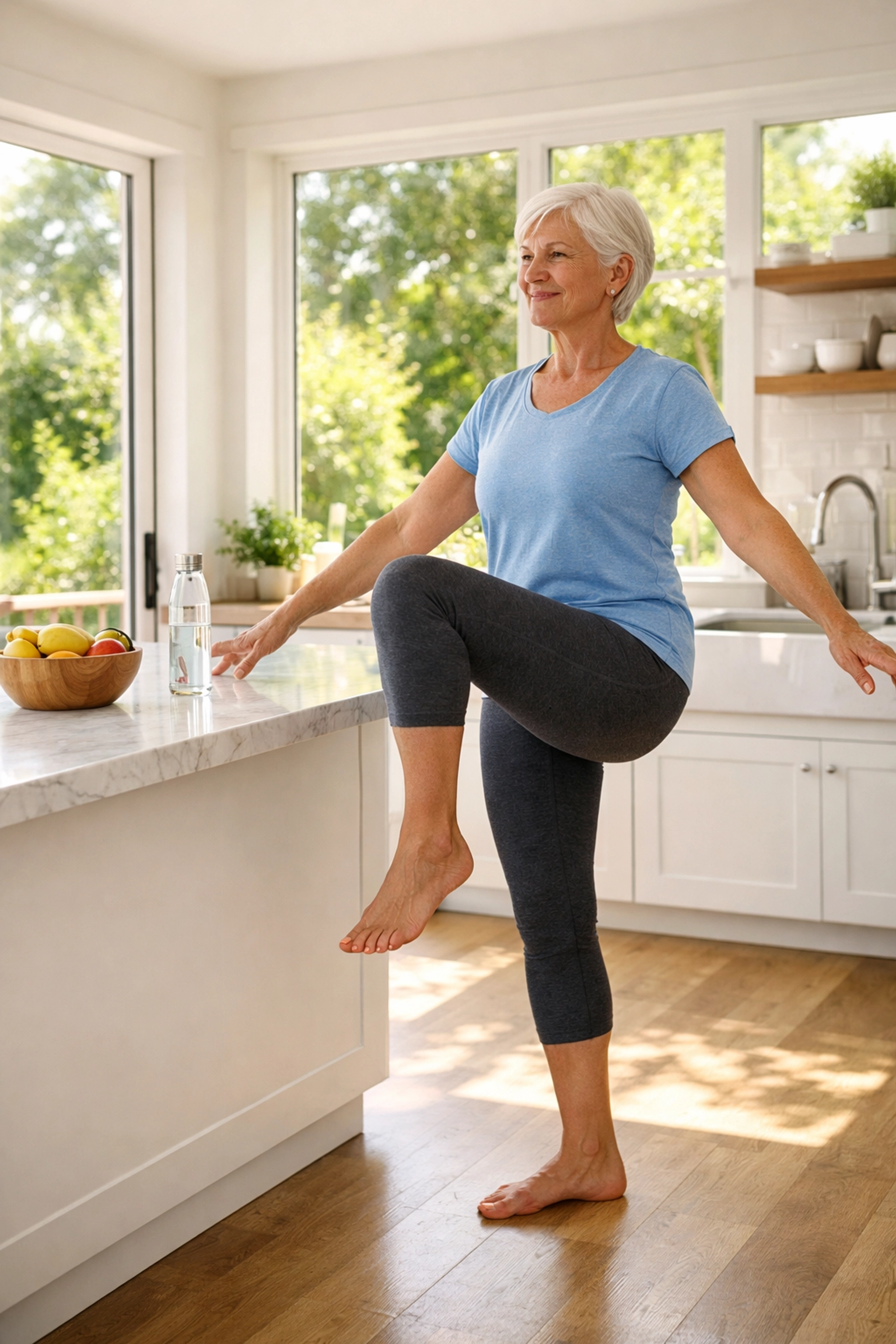
Exercises You Can Do at Home
To improve this sense, PTs often recommend "static balance" exercises. A classic example is the Single-Leg Standoff. Stand near a sturdy kitchen counter for safety. Lift one foot off the ground and try to hold it for 10 to 30 seconds. If that’s too easy, try doing it with your eyes closed (while still keeping your hand hovering just above the counter). This forces your brain to rely on your joints and inner ear rather than your vision.
Another favorite is the Tandem Stand. Place one foot directly in front of the other, heel-to-toe, as if you’re walking a tightrope. This narrows your "base of support," which challenges your core to keep you centered.
The "Anti-Gravity" Muscles: Strength Training for Longevity
If balance is the steering wheel, strength is the engine. Specifically, PTs focus on the "anti-gravity" muscles. These are the muscle groups that keep you upright against the constant pull of the earth: your glutes, your quadriceps (thighs), and your calves.
The Power of the Sit-to-Stand
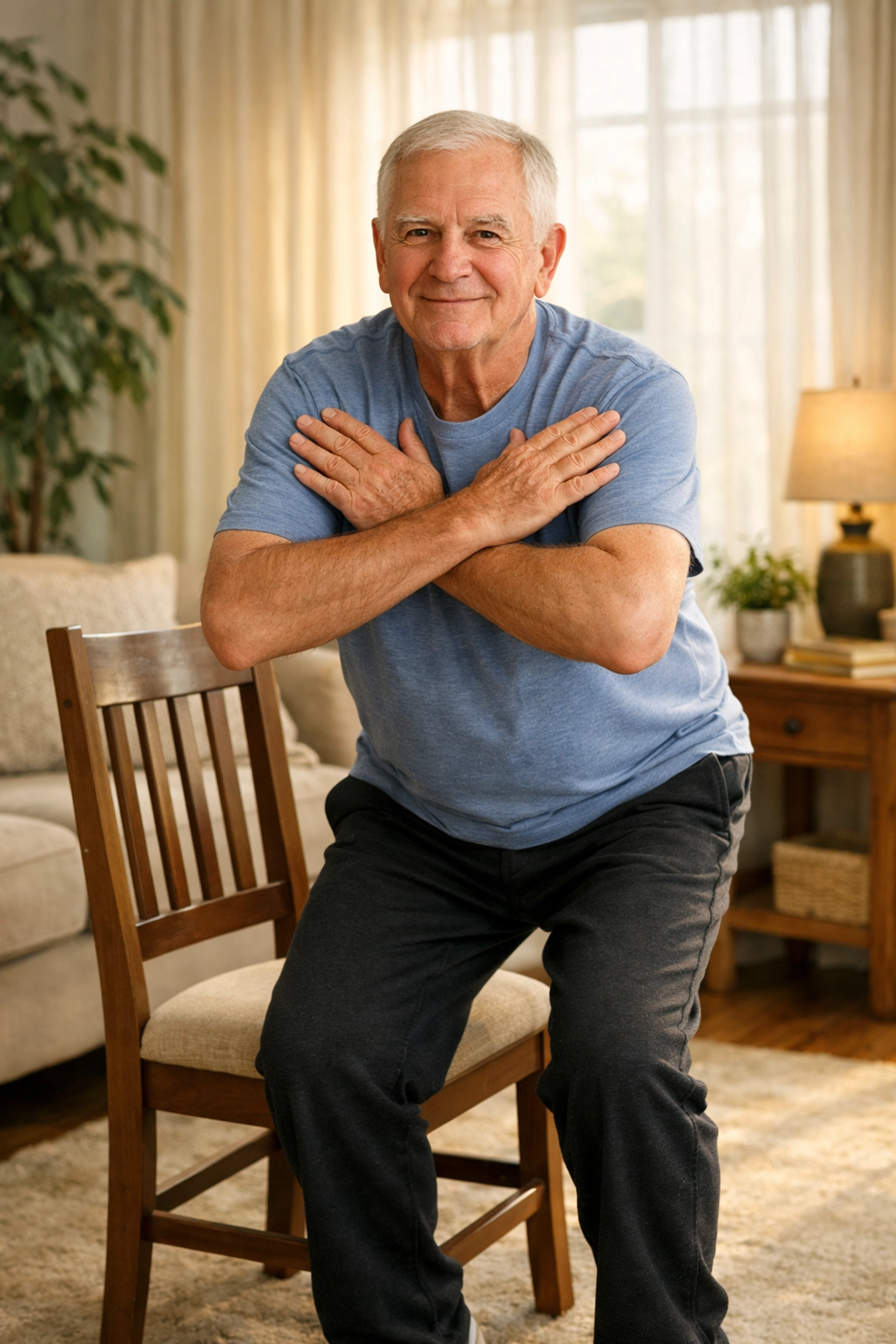
The single most important movement a senior can master is the "Sit-to-Stand." Think about how many times a day you get out of a chair, off a bed, or up from the toilet. If your legs are weak, you’ll likely use momentum: a "rock and launch" technique: that leaves you off-balance the moment you reach your feet.
A PT will have you practice the sit-to-stand as a core exercise. Sit on a sturdy chair, keep your feet shoulder-width apart, and stand up without using your arms for help. If you can do 10 of these in a row with good form, you are significantly reducing your fall risk.
Calf Raises for "Ankle Strategy"
When you start to lose your balance, your body uses three "strategies" to recover. The first is the ankle strategy. Your calf muscles and shins flex to pull you back to center. If your ankles are stiff or your calves are weak, you lose that first line of defense and have to take a "recovery step." Strengthening your calves with simple toe raises (standing and rising up onto the balls of your feet) gives you back that critical micro-adjustment capability.
Analyzing Your Gait: How the Way You Walk Predicts Your Risk
When a physical therapist watches you walk, they aren’t just looking at your speed. They are looking at your gait cycle. A healthy gait has a clear "heel-strike" and "toe-off."
As we become more fearful of falling, many people develop a "shuffling" gait. This is a survival mechanism: keeping the feet close to the ground feels safer. However, shuffling actually increases the risk of tripping on small thresholds or rug edges.
PTs work on "gait retraining," encouraging individuals to pick their feet up and land on their heels. They also look at "step symmetry." Are you taking a shorter step with one leg? This often points to weakness or pain on one side of the body, which creates an imbalance that a fall can easily exploit.
Environmental "Triggers": A PT’s Checklist for the Home
While PTs focus on the body, they are also experts at spotting environmental "triggers" that specifically challenge a person's physical limitations.
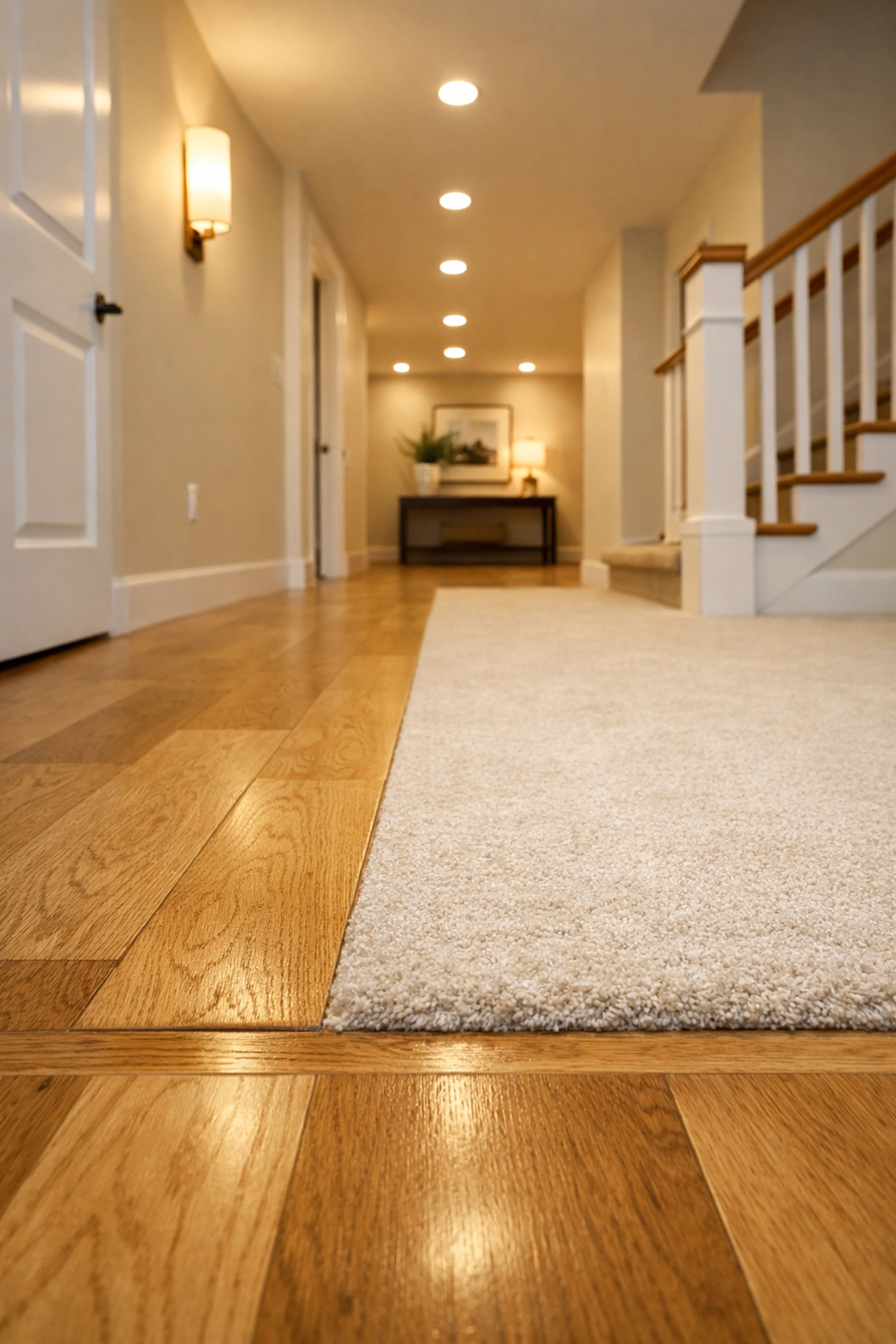
- Transition Zones: The most dangerous parts of a home are where the flooring changes: from carpet to tile, or from a hallway to a bathroom. A PT looks for these and suggests ways to make the transition smoother, such as removing thresholds.
- The "Furniture Reach": Do you find yourself grabbing onto the back of a sofa or the edge of a table as you walk through a room? This is called "furniture surfing." It’s a sign that your balance isn't where it should be. PTs recommend clearing these paths and, if necessary, installing dedicated handrails or grab bars that are actually designed to hold your weight.
- Lighting for "Visual Dominance": Many people become "visually dominant" for balance as they age. This means if the lights are dim, their balance effectively disappears. Ensuring that paths from the bed to the bathroom are brightly lit (or have motion-sensor lights) is a non-negotiable PT recommendation.
The Fear Factor: Breaking the Cycle of Inactivity
One of the biggest hurdles in fall prevention is the "Fear of Falling." It sounds counterintuitive, but the more afraid you are of falling, the more likely you are to fall.
This happens because fear leads to inactivity. When you stop moving because you’re afraid, your muscles atrophy and your balance worsens. This is the "Cycle of Deconditioning." A physical therapist helps break this cycle by providing a safe, controlled environment to practice movement. As you gain confidence in the clinic, your anxiety levels drop, which actually makes your movement more fluid and less rigid: and fluid movement is safer movement.
When to Use Assistive Devices (And How to Do It Right)
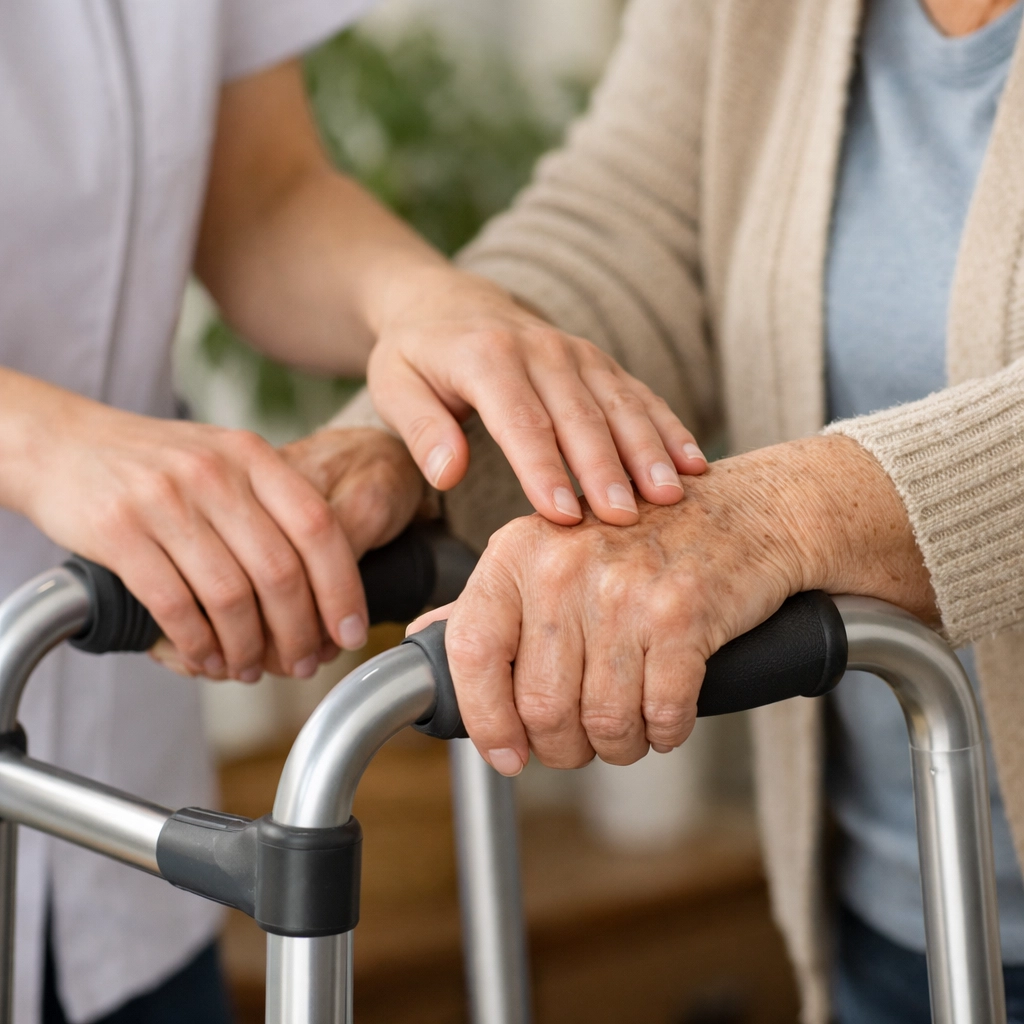
There is often a stigma around using a cane or a walker, but a PT views these simply as "tools for independence." However, using the wrong tool: or using it incorrectly: can be worse than using nothing at all.
For example, a cane that is too tall will cause you to lean back, shifting your center of gravity precariously. A walker that is too low will cause you to hunch over, which compresses your lungs and makes it harder to look ahead for obstacles.
A physical therapist ensures that any device is "fitted" to your specific height and that you are trained in the "four-point" or "two-point" gait patterns that maximize stability. They can also help decide when a permanent fixture, like a grab bar or a transfer pole, is a better solution than a mobile device.
What Happens During a Professional Gait and Balance Assessment?
If you visit a PT for a fall risk assessment, they won't just guess at your risk level. They use standardized, objective tests.
- The TUG Test (Timed Up and Go): You start sitting in a chair, stand up, walk ten feet, turn around, walk back, and sit down. The time it takes you to do this is a highly accurate predictor of fall risk.
- The Berg Balance Scale: This is a 14-item test that looks at your ability to do things like stand with your feet together, reach forward without moving your feet, and turn 360 degrees.
- Functional Reach Test: This measures how far you can reach forward while keeping your feet planted. It tests your "limits of stability."
These tests provide a baseline. A PT can then say, "You have a high risk right now, but if we improve your TUG score by three seconds, your risk level drops significantly." Having a goal makes the process much more manageable.
Creating Your Personal "Fall-Proof" Lifestyle
Fall prevention isn't a one-time event; it’s a lifestyle of awareness. Physical therapists recommend integrating these habits into your daily life:
- The 30-Second Morning Wake-Up: Before getting out of bed, pump your ankles up and down and march your knees toward your chest while lying down. This "wakes up" the circulatory system and gets blood flowing to your legs, preventing that dizzy feeling (orthostatic hypotension) when you stand up.
- Scanning the Horizon: Instead of looking at your feet while you walk, try to look 10 to 15 feet ahead. This gives your brain more time to process obstacles and naturally improves your posture.
- Hydration and Nutrition: Muscles need hydration and protein to function. A PT might not be a nutritionist, but they know that a dehydrated muscle is a slow-reacting muscle.

Final Thoughts from the Clinic
The most important takeaway from physical therapy is that falling is not an inevitable part of aging. Your body is remarkably adaptable, regardless of your age. By focusing on the "internal" factors: your strength, your proprioception, and your gait: you can navigate the "external" world with much more confidence.
If you feel unsteady, don't wait for a fall to be the catalyst for change. A few sessions with a physical therapist can provide you with a roadmap to stay upright, active, and independent for years to come. Fall prevention is about more than just staying safe; it’s about having the freedom to move through your life without fear.

