
Maintaining independence is a priority for most of us as we get older. We want to stay in the homes we love, surrounded by our memories and the comforts we’ve built over decades. However, as our bodies change, the environments that once felt perfectly safe can begin to present subtle challenges.
Fall prevention isn't about living in fear or bubble-wrapping your life. Instead, it’s about proactive empowerment. By understanding the common hazards in a home and making intentional adjustments to your lifestyle and environment, you can significantly reduce the risk of a fall and continue living confidently on your own terms. This guide is designed to help seniors and caregivers navigate the essentials of home safety, mobility, and physical wellness.
Understanding Why Falls Happen
Before we dive into the "how-to" of home modification, it is helpful to understand the "why." Falls are rarely the result of a single factor. Usually, they happen due to a combination of internal and external elements.
Internal factors include things like changes in balance, decreased muscle strength, vision changes, or the side effects of certain medications. External factors are environmental hazards: things like a loose rug, a poorly lit hallway, or a slippery bathtub.
The goal of fall prevention is to address both. We want to make the environment as forgiving as possible while keeping the body as strong and steady as possible. When these two efforts work together, the result is a much safer living experience.
The Room-by-Room Safety Assessment
The best way to start is with a walkthrough of the home. It’s helpful to do this with a second set of eyes, perhaps a family member or a friend, who might notice things you’ve become "blind" to over years of living in the same space.
The Living Room and Common Areas
The living room is often where we spend the most time, but it’s also where clutter tends to accumulate.
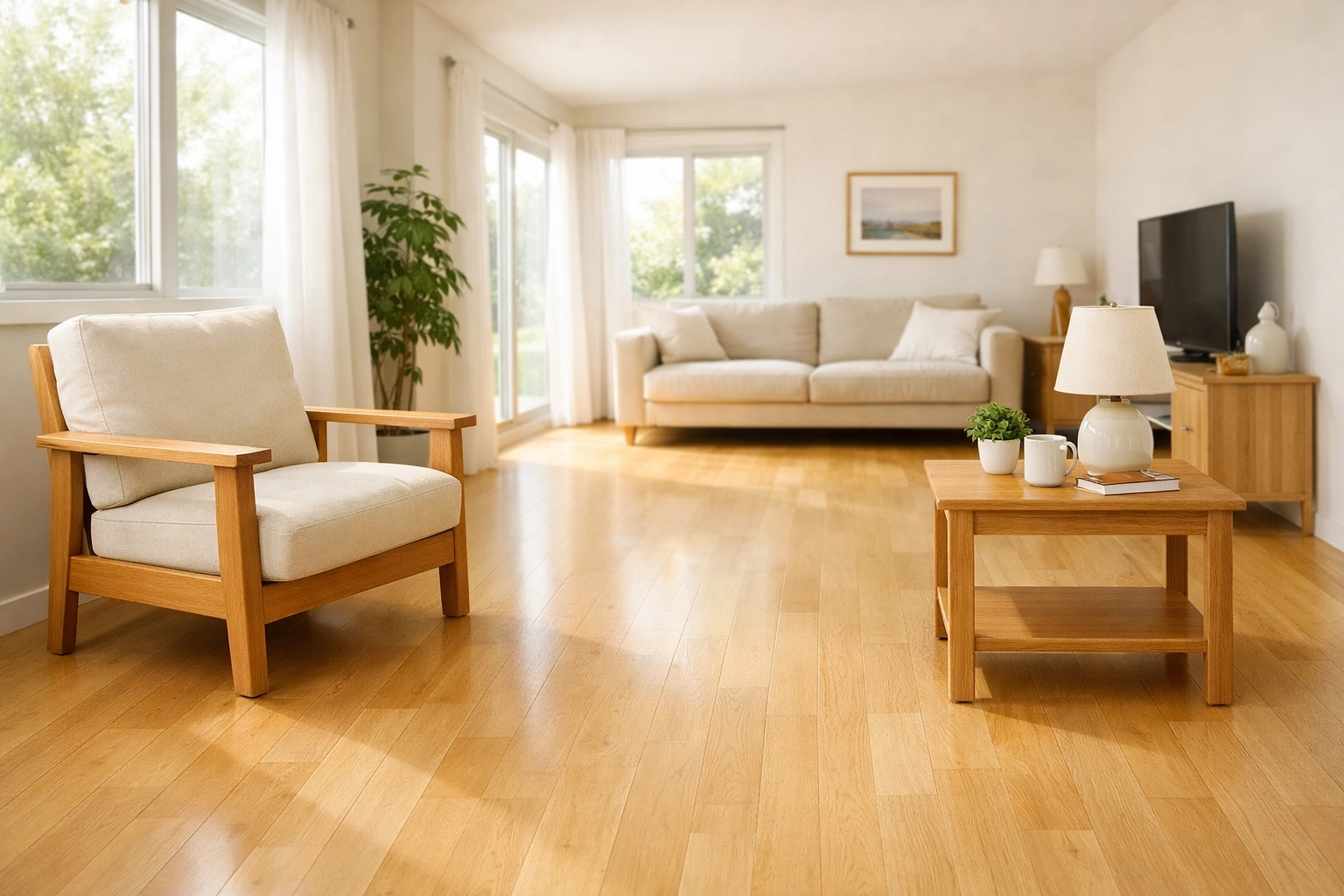
- The Rug Problem: Throw rugs and area rugs are some of the most common tripping hazards. Even rugs with "non-slip" backing can have edges that curl up over time. The safest option is to remove them entirely. If you must keep them, use heavy-duty double-sided tape or specialized rug grippers to ensure they are completely flush with the floor.
- Clear the Pathways: Walk through your normal daily routes. Is there a coffee table you have to shimmy around? Are there electrical cords stretching across the floor to reach a lamp? Furniture should be arranged so that pathways are wide and unobstructed. Cords should be coiled and secured against the wall.
- Seating Matters: Chairs that are too low or too soft can be difficult to get out of. Look for sturdy chairs with armrests that provide leverage when you’re standing up.
The Kitchen: Accessibility is Key
Kitchens are high-activity areas where spills and reaching maneuvers can lead to instability.
- The Waist-to-Shoulder Rule: Store your most frequently used items: your favorite mug, the heavy cast-iron skillet, or the daily cereal box: between waist and shoulder height. Avoiding the need to reach high into cabinets or crouch down to the floor reduces the chance of losing your balance.
- Spill Management: Spills happen. Keep a roll of paper towels or a microfiber cloth in an easy-to-reach spot so you can clean up liquids immediately. A wet tile or linoleum floor is incredibly slick.
- Lighting: Ensure the "work zones" of your kitchen: the stove, the sink, and the prep counters: are brightly lit. Under-cabinet lighting can be a great addition to eliminate shadows.
The Bathroom: Managing the Highest Risk Area
Statistically, the bathroom is the most dangerous room in the house due to the combination of hard surfaces and water.
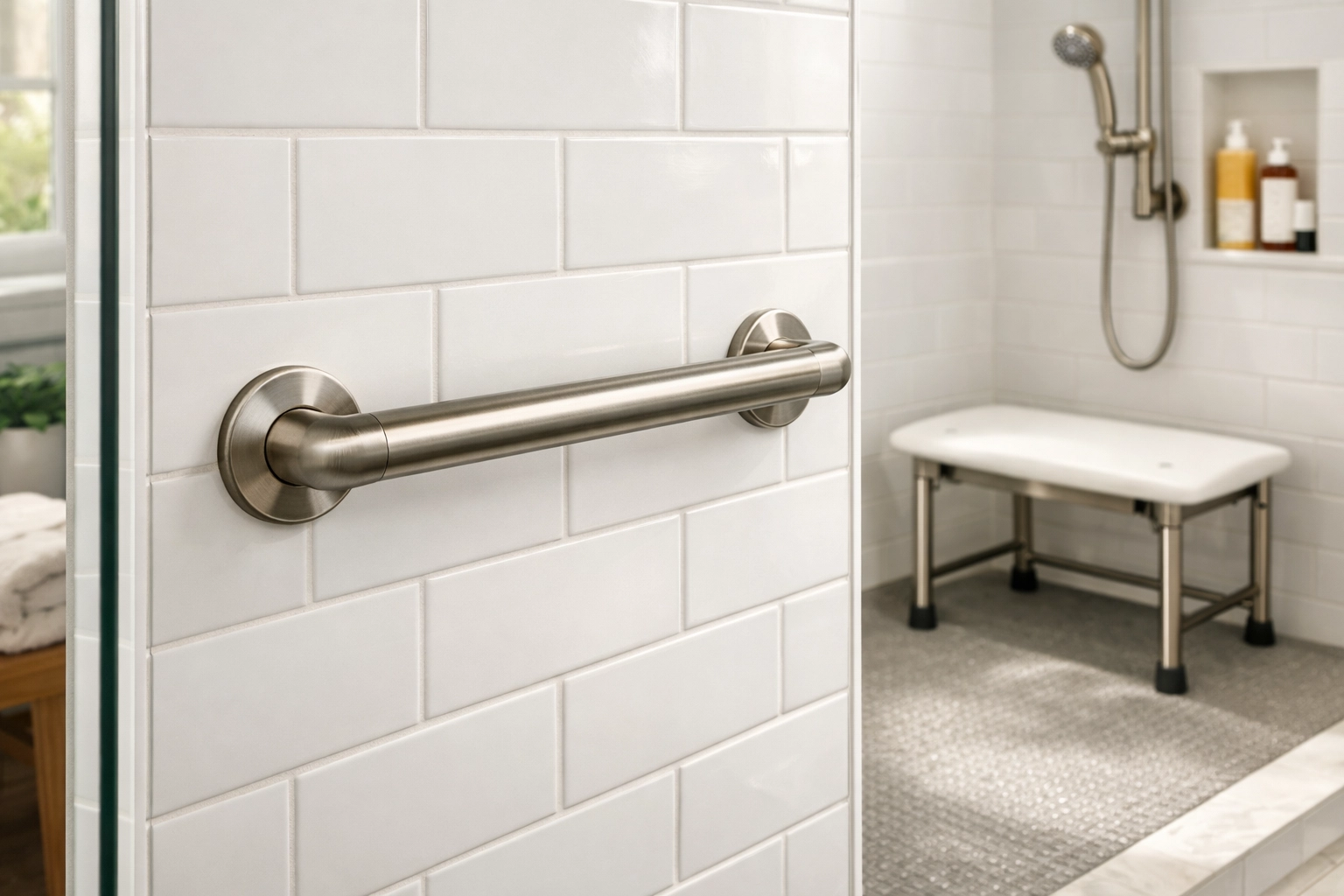
- Grab Bars vs. Towel Racks: This is a crucial distinction. Towel racks are designed to hold the weight of a damp towel, not a human being. They will pull out of the drywall if you grab them during a slip. Professional-grade grab bars, installed into the wall studs, should be placed inside the shower and next to the toilet.
- Non-Slip Surfaces: Use non-slip mats or adhesive strips inside the tub or shower. Outside the shower, use a bath mat with a very firm rubber backing that won't slide when you step on it.
- The Commode: As we age, sitting down and standing up from a low toilet can put a strain on the knees and back. A raised toilet seat or a safety frame can make this transition much easier and safer.
The Bedroom: A Smooth Transition
Falls often happen in the middle of the night when we are groggy or in a hurry to reach the bathroom.
- Bed Height: Your bed should be at a height where your feet touch the floor comfortably when you’re sitting on the edge. If the bed is too low, it’s hard to stand up. If it’s too high, you have to "climb" out of it.
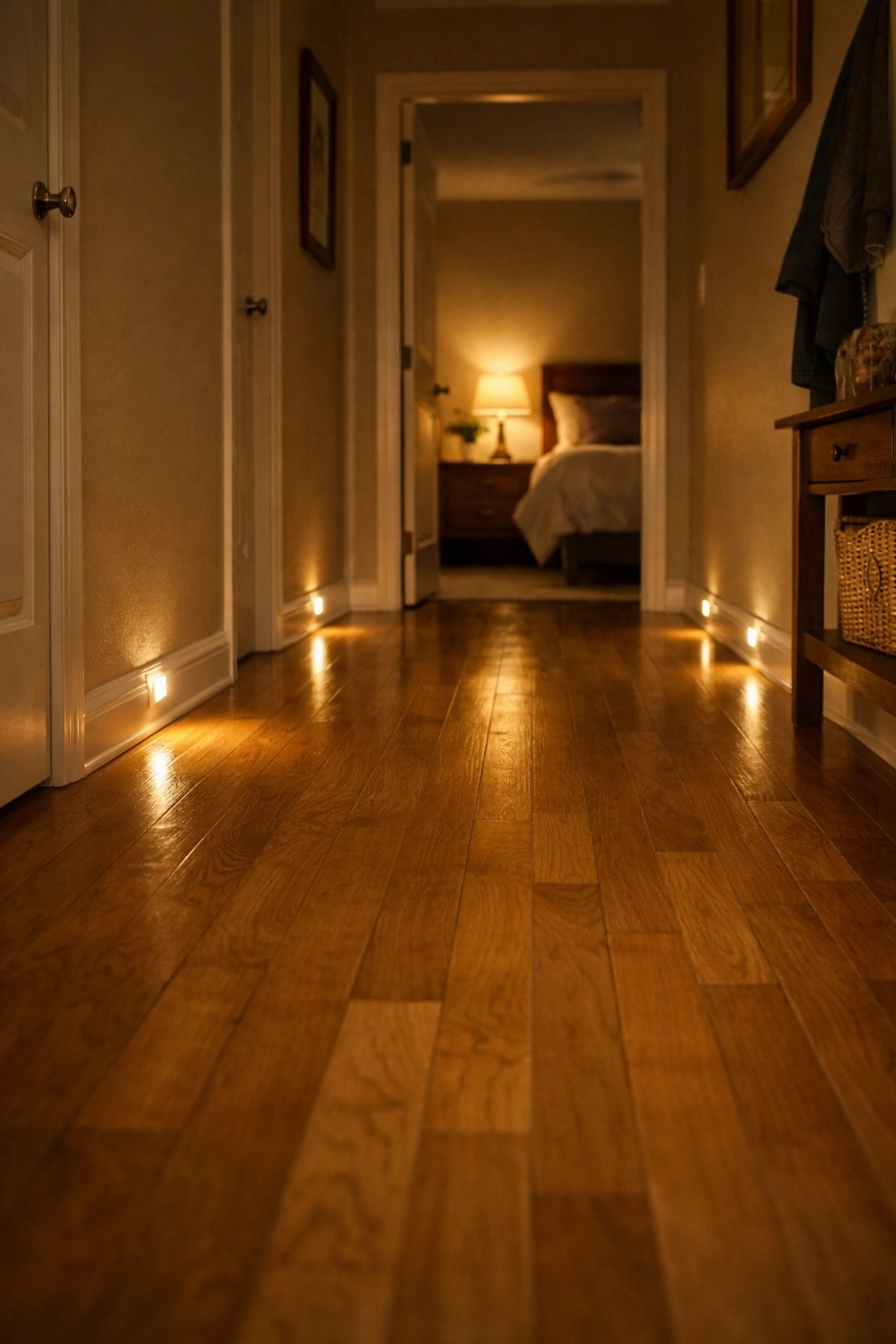
- The Path to the Bathroom: This path should be completely clear of furniture and clutter. Most importantly, it should be well-lit.
- Night Lights: Motion-activated night lights are a game-changer. They turn on automatically when you swing your legs out of bed, lighting the way without you having to fumbled for a lamp switch.
The Importance of Lighting
If there is one "quick fix" that offers the biggest return on investment, it’s lighting. As our eyes age, we require more light to see clearly and perceive depth correctly.
- Increase Wattage: Check the maximum wattage allowed for your fixtures and use the brightest bulbs possible (LEDs are great because they stay cool and last for years).
- Eliminate Glare: While you want it bright, you also want to avoid glare on polished floors. Use frosted bulbs or shades to soften the light.
- Switches: Ensure there are light switches at both the top and the bottom of every staircase. You should never have to walk through a dark space to reach a light switch.
Physical Wellness: Building a Stable Foundation
While fixing the house is important, fixing your "internal" stability is equally vital. A body that is strong and flexible can often recover from a stumble before it becomes a fall.
Strength and Balance Exercises
You don't need to be a marathon runner to improve your stability. Simple, consistent movement makes a world of difference.
- Walking: Regular walking helps maintain leg strength and cardiovascular health. Even 15 to 20 minutes a day is beneficial.
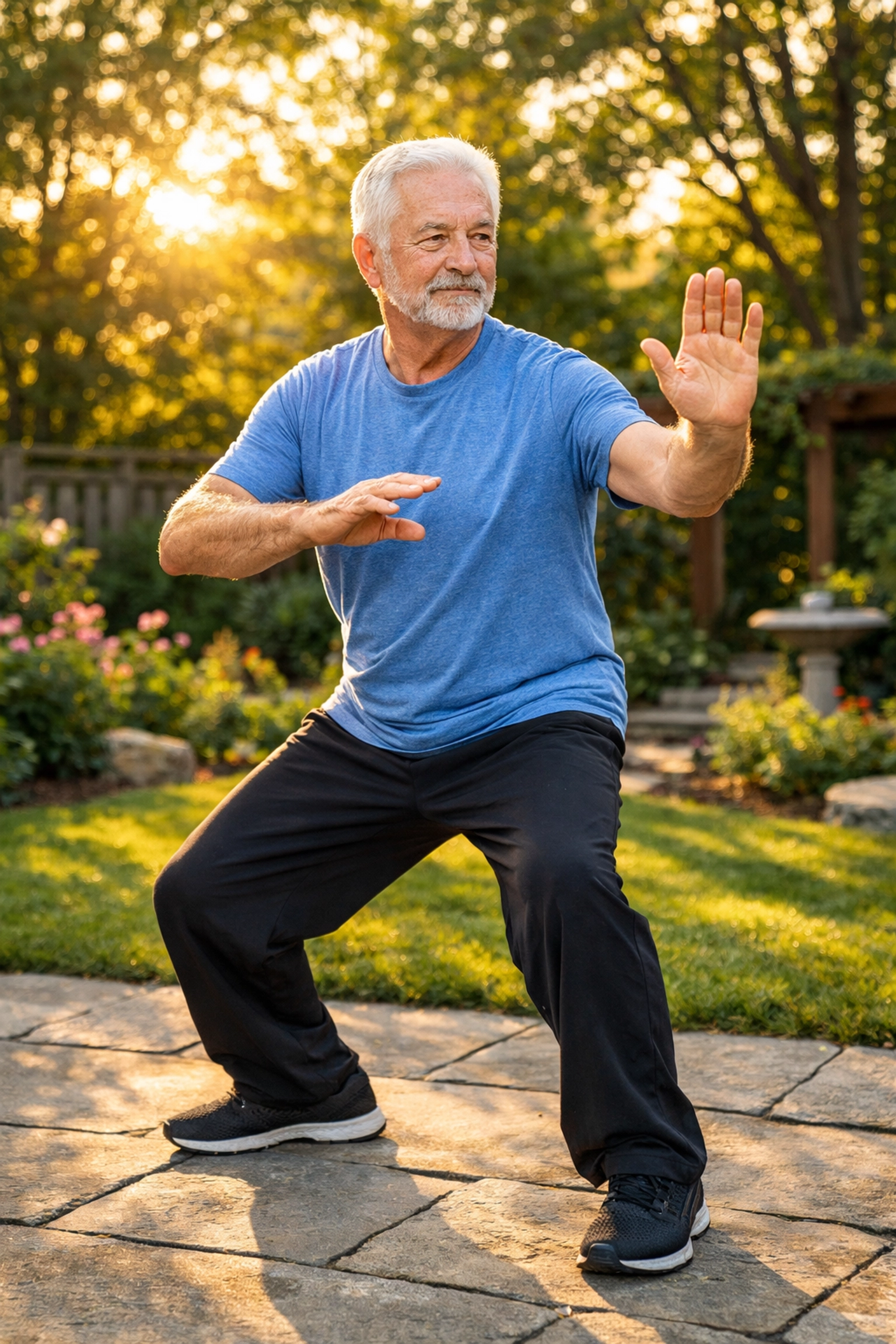
- Tai Chi: This ancient practice is often cited by health professionals as one of the best ways to improve balance. It focuses on slow, controlled movements and weight shifting.
- Leg Strength: Simple exercises like "sit-to-stands" (sitting in a chair and standing up without using your hands) can strengthen the quadriceps and glutes, which are the muscles that support you most.
Footwear Habits
What you wear on your feet matters just as much as where you walk.
- Avoid Socks on Hard Floors: Walking in socks on wood or tile is like walking on ice.
- Supportive Shoes: Look for shoes with thin but firm soles and good arch support. Avoid heavy "clunky" sneakers that might cause you to trip or flip-flops that offer no heel support.
- Slippers: If you prefer slippers at home, make sure they have a "closed back" so your heel doesn't slide out, and a non-skid rubber sole.
Vision, Hearing, and Health Checks
Fall prevention is a holistic endeavor. Sometimes the cause of instability isn't the floor or the legs; it’s the ears or the eyes.
- Vision Exams: Annual eye exams are essential. Conditions like cataracts or glaucoma can creep up slowly. Also, be careful with bifocals or trifocals when walking on stairs, as they can distort your depth perception.
- Hearing Exams: Our inner ear is the command center for balance. If your hearing is muffled or you have an underlying ear issue, it can make you feel dizzy or lightheaded.
- Medication Management: Some medications can cause dizziness, drowsiness, or a drop in blood pressure when you stand up. Review your medications with your doctor or pharmacist to see if any of them might be increasing your fall risk.
The Role of Mobility Aids
Sometimes, a little extra support is exactly what’s needed to maintain independence. Mobility aids shouldn't be seen as a "last resort," but rather as tools that allow you to stay active safely.
Devices like walking sticks, canes, or walkers provide an extra point of contact with the ground, which increases your "base of support." If you feel yourself getting tired during walks or feeling unsteady on uneven ground, a mobility aid can provide the confidence to keep going. It is always a good idea to consult with a physical therapist to ensure any device you use is fitted correctly to your height and that you know the proper technique for using it.
Protective Habits for Daily Life
Finally, fall prevention is about the small habits we build into our day.
- Slow Down: Many falls happen when we rush to answer the phone or the doorbell. Let it ring. Your safety is more important than a quick answer.
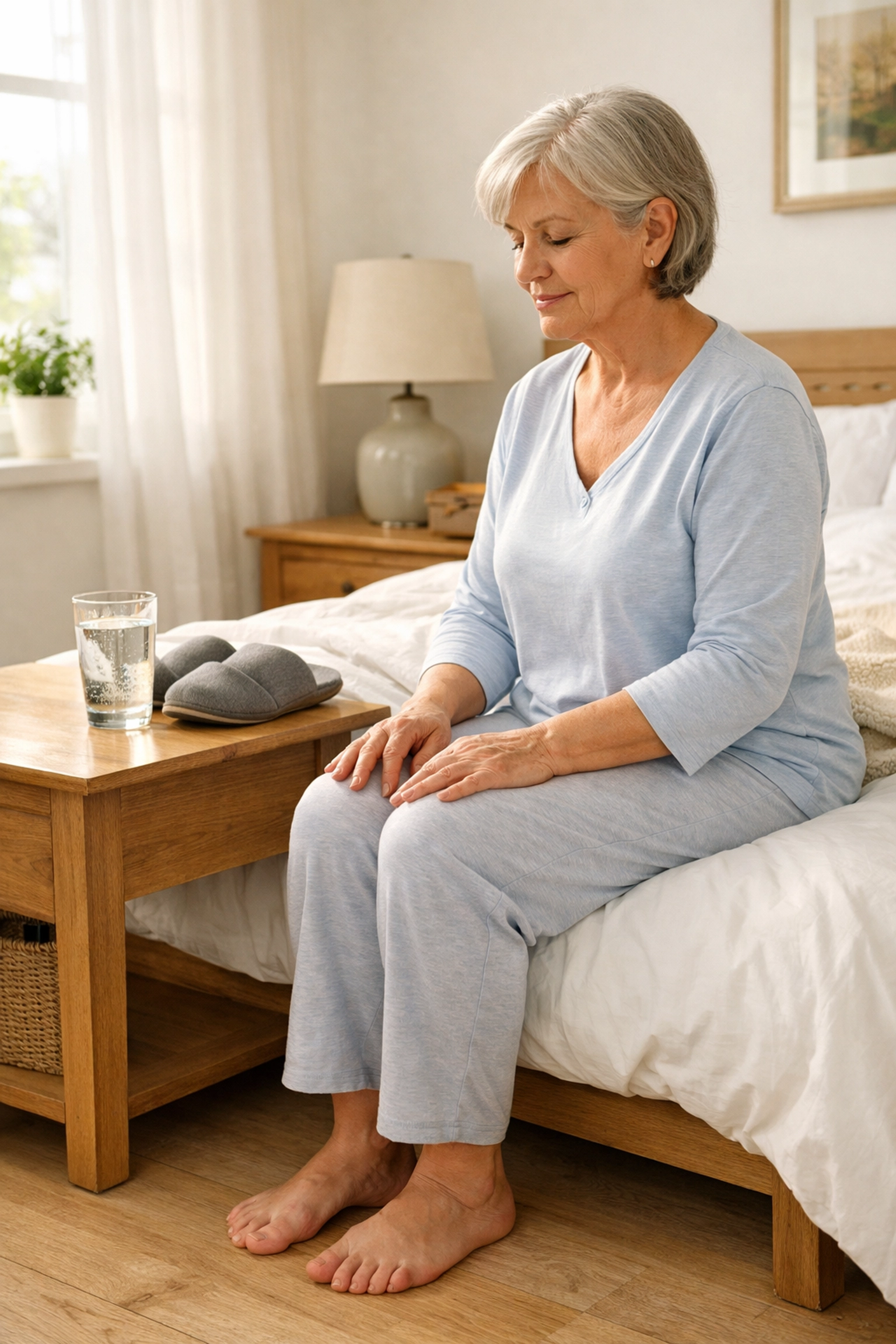
- The "Pause" Technique: When getting out of bed or a chair, sit on the edge for a few seconds before standing up. This allows your blood pressure to equalize and prevents that "head rush" feeling.
- Carry Less: Try to keep at least one hand free when walking, especially on stairs. Use a small backpack or an apron with pockets to carry items like your phone or a book.
- Stay Hydrated: Dehydration can lead to dizziness and confusion. Drinking enough water throughout the day keeps your systems running smoothly.
Final Thoughts
Making these changes can feel like a big project, but you don't have to do everything at once. Start with the "big wins": remove the rugs, fix the lighting, and clear the clutter. From there, you can move on to more permanent changes like installing grab bars.
Fall prevention is a journey of staying connected to your body and your surroundings. By taking these steps today, you aren't just preventing an accident; you are investing in your future independence and peace of mind. Your home should be your sanctuary: a place where you feel safe, secure, and ready to enjoy every day to its fullest.

