
Creating a safe home environment is one of the most proactive steps you can take to maintain independence as you age. When we think about home safety, the bathroom is usually the first room that comes to mind. It’s a place where hard surfaces, water, and soap create a naturally high-risk environment for slips and falls.
Installing a bathroom safety rail or grab bar is a fantastic first step. It provides that extra bit of stability when you're stepping over a tub wall or rising from a toilet seat. However, simply having a rail in the room isn't enough. For a safety rail to actually do its job, it needs to be secure, correctly positioned, and well-maintained.
If you’ve noticed your rail feeling a bit "wobbly" or if you find it’s just not in the right spot when you need to grab it, you aren't alone. Many people install these aids with the best of intentions, only to find they aren't providing the security they promised. Here are ten common reasons why your bathroom safety rail might not be working: and, more importantly, how you can fix them.
1. Loose or Improperly Tightened Screws
Over time, the constant pull and push on a safety rail can cause the mounting screws to work their way loose. This is especially common in bathrooms where the humidity levels fluctuate. Wood and wall materials can expand and contract, and the vibration of daily use slowly backs those screws out of their housing.
If you feel a slight "give" or hear a clicking sound when you grab the rail, your screws are likely the culprit. A loose rail is often more dangerous than no rail at all, as it gives a false sense of security.
How to Fix It:
Most safety rails have cover plates that hide the mounting hardware. Pop those covers off and use a screwdriver to check every single screw. If a screw keeps spinning and won't tighten, it means the hole has been stripped, and you’ll need to move the rail slightly to find fresh wood or use a more robust anchoring system. Make it a habit to check these screws once every few months.
2. It’s Not Anchored Into Wall Studs
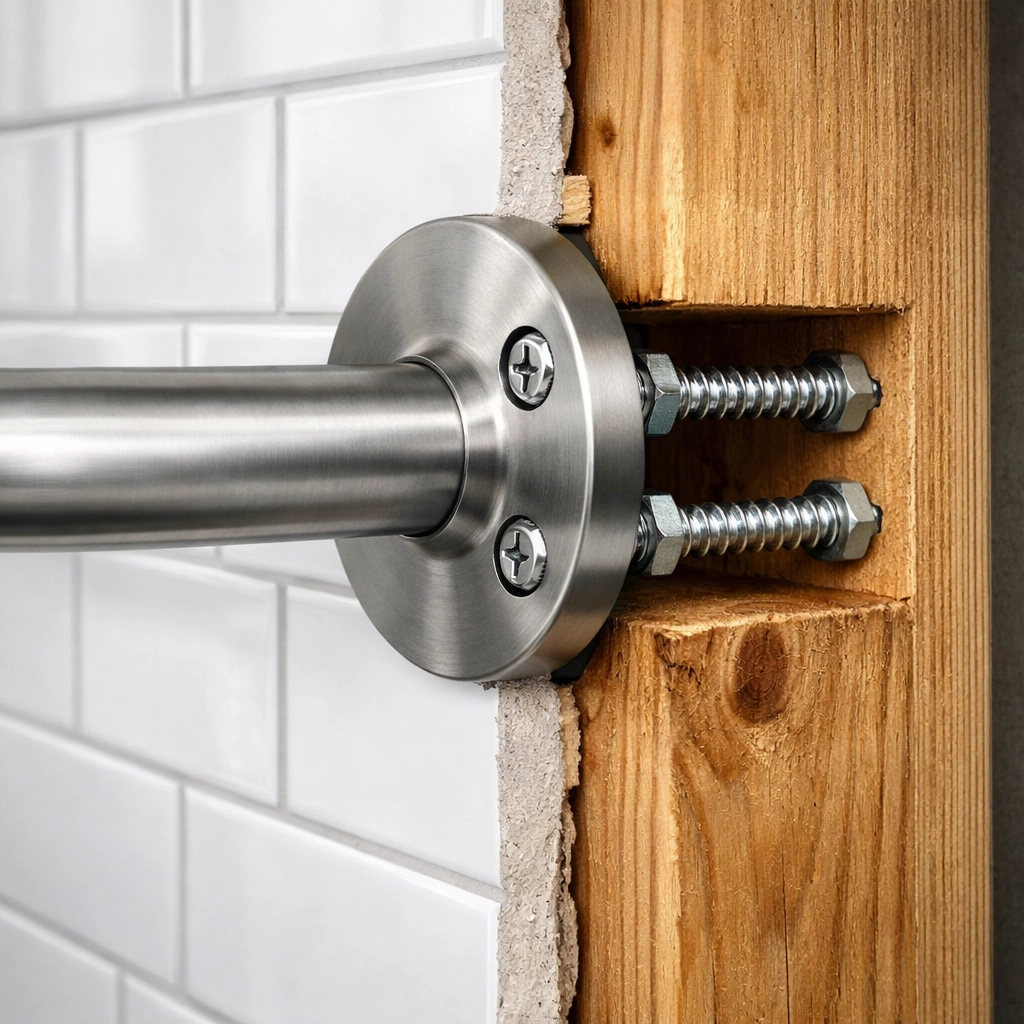
This is perhaps the most dangerous issue on this list. A safety rail is designed to hold a significant amount of weight: often 250 to 500 pounds depending on the model. Drywall or plaster alone cannot support that kind of force. If your rail was installed using only plastic wall anchors into the drywall, it is eventually going to pull right out of the wall, likely during a fall when you need it most.
How to Fix It:
Safety rails must be anchored into the wooden studs behind your wall. If the studs don't align with where you want the rail, you have two choices: use specialized "wing" style heavy-duty anchors designed specifically for grab bars (and rated for the appropriate weight), or install a "blocking" board (a piece of finished wood) across the studs and mount the rail to that board.
3. Relying on Suction Cup Rails
Suction cup rails are popular because they are inexpensive and require no drilling. While they might be okay for a quick balance check, they are generally not recommended for true safety or weight-bearing support. Suction relies on a perfect vacuum seal. Changes in temperature, grout lines, or even microscopic textures on your tile can cause that seal to fail without warning.
How to Fix It:
If you are using a suction cup rail as your primary source of support for getting in and out of the tub, the best fix is to replace it with a permanently mounted, bolt-through rail. If you are a renter and cannot drill into the walls, consider floor-to-ceiling tension poles or rails that clamp onto the side of the tub, which provide much more structural integrity than suction.
4. Inadequate Surface Preparation
If you are using an adhesive-based rail or even a suction rail for light balance, the surface it’s attached to must be clinical-level clean. Soap scum, body oils, and mineral deposits from hard water create a thin, slippery film. If the rail is installed over this film, it won't matter how strong the suction or adhesive is: the rail is essentially sticking to the "grime," not the wall.
How to Fix It:
Before installing any safety equipment, clean the area thoroughly with a heavy-duty degreaser or a mixture of vinegar and water. Follow up by wiping the area with rubbing alcohol to remove any remaining residue. Ensure the surface is completely dry before mounting the rail. This ensures the best possible bond between the hardware and the wall.
5. Smooth Finishes vs. Textured Grips
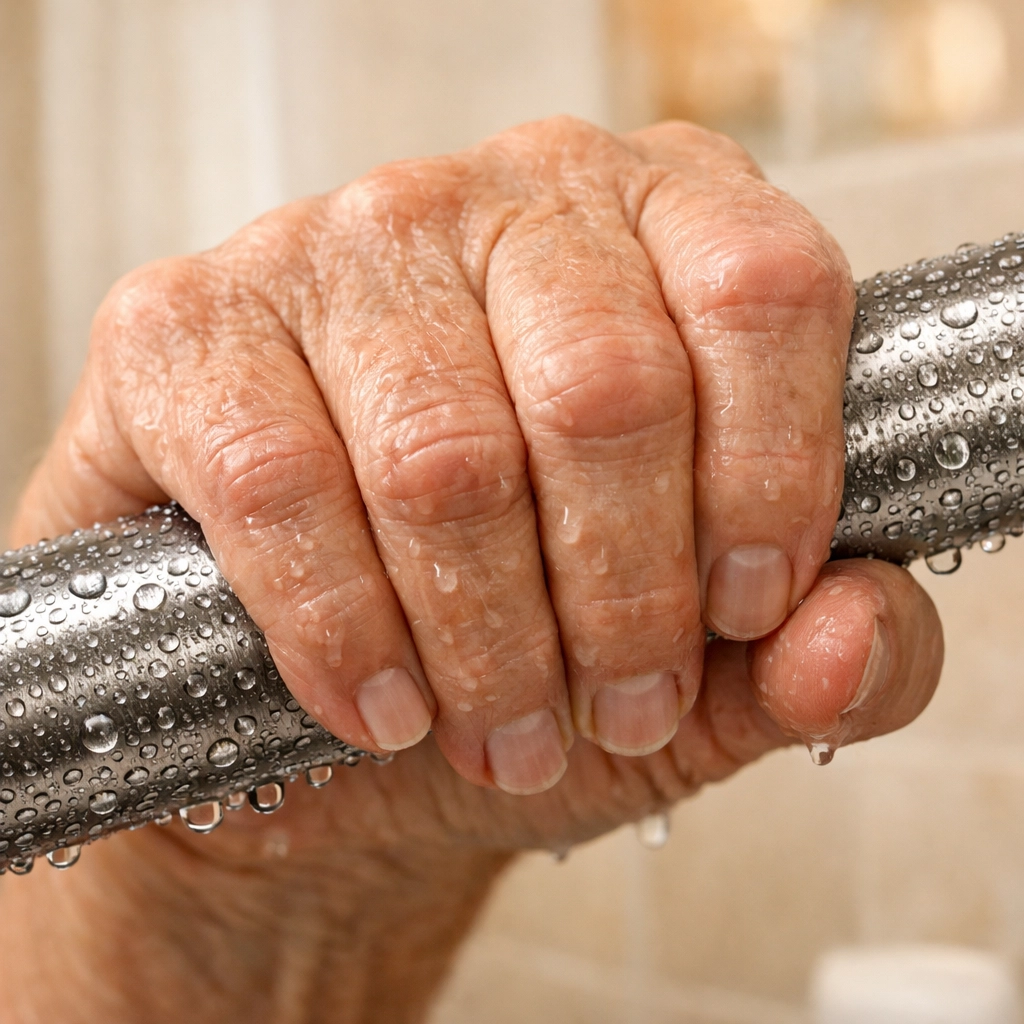
The bathroom is a wet environment. A chrome-finished, smooth safety rail might look sleek and match your faucets, but once your hands are wet and soapy, that smooth metal becomes as slippery as the tub floor. If you can’t get a firm grip on the rail, it isn't serving its purpose.
How to Fix It:
Look for rails with a "peened" or textured finish. This is a rougher surface etched into the metal that provides friction even when wet. If you already have a smooth rail and don't want to replace it, you can apply high-quality non-slip grip tape or a rubberized sleeve designed for grab bars. This simple addition can drastically improve the functionality of the rail.
6. Wrong Type of Rail for the Location
Not all rails are created equal. A horizontal rail is great for pushing yourself up from a seated position, but it’s not ideal for pulling yourself into a shower. A vertical rail is much better for entry and exit, as it allows you to maintain a grip at various heights as you move. Using the wrong "orientation" for the task can make the rail feel awkward or even useless.
How to Fix It:
Assess what movement you are trying to assist.
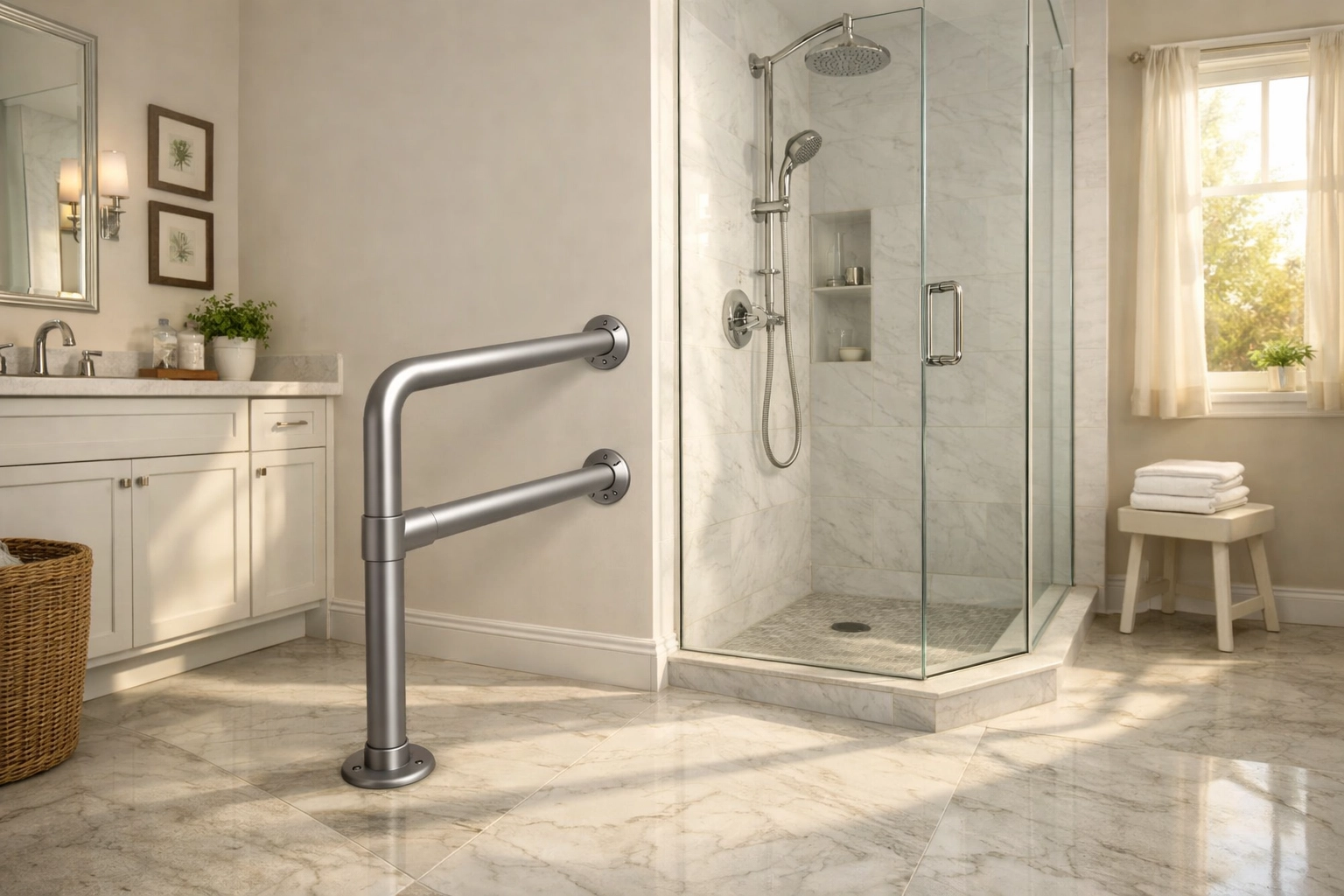
- For the toilet: An "L-shaped" rail or a fold-down rail provides both a horizontal surface to push up and a vertical surface to steady yourself.
- For the shower entry: A vertical rail placed on the outer wall is usually best.
- Inside the tub: A long horizontal or slightly angled rail helps you move along the length of the tub safely.
7. Hollow Shower Surrounds
Many modern bathrooms use fiberglass or acrylic shower surrounds. These are often hollow behind the plastic shell. If you try to mount a standard rail to these surfaces, the plastic will flex and crack under weight, and the rail will likely pull through. Because there is a gap between the surround and the wall studs, standard screws won't reach the support they need.
How to Fix It:
You need a specialized mounting kit designed for fiberglass surrounds. These kits include spacers that bridge the gap between the plastic shell and the wall stud, providing a solid "bridge" that prevents the plastic from crushing. Alternatively, you can look for safety rails that mount to the floor or the ceiling, bypassing the wall surround entirely.
8. Soap Scum and Grime Buildup
Even a perfectly installed rail can become a hazard if it isn't cleaned. Over months of use, a layer of soap scum and skin oils can build up on the rail itself. This makes the surface slippery and can also lead to the growth of mold or mildew, which can further compromise the integrity of the materials or your grip.
How to Fix It:
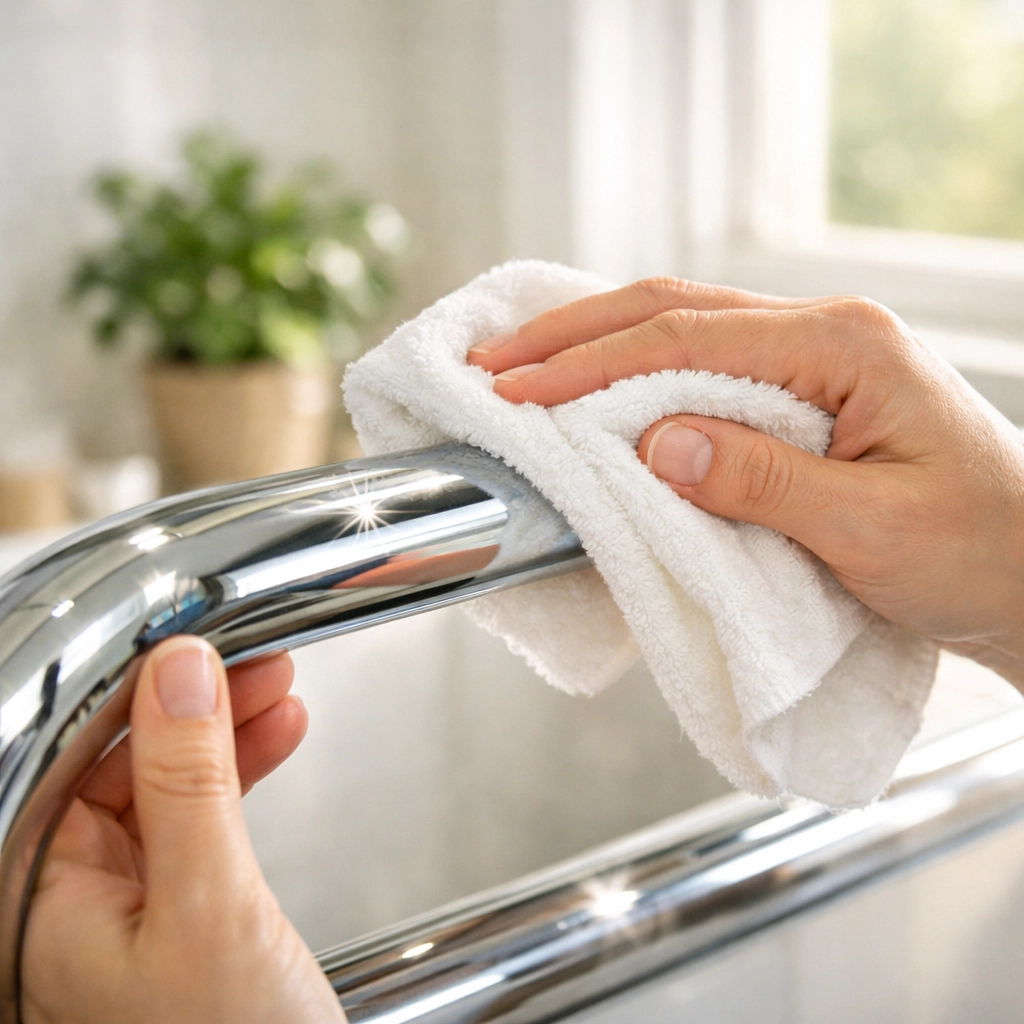
Include the safety rail in your weekly bathroom cleaning routine. Use a non-abrasive cleaner to wipe it down. Avoid using wax-based cleaners or "polishing" agents that might leave a slick residue. A simple wipe with a damp cloth and a mild detergent is usually all it takes to keep the surface "grippy" and safe.
9. Wear, Tear, and Corrosion
While most safety rails are made of stainless steel or aluminum to resist rust, they aren't invincible. Over many years, the finish can wear down, or small amounts of rust can develop at the mounting points where the screws meet the metal. Corrosion weakens the metal and can lead to sudden structural failure.
How to Fix It:
Perform a visual inspection once a month. Look for any discoloration, flaking metal, or "rust bleeding" coming from behind the cover plates. If the rail shows signs of deep corrosion or if the metal feels pitted, it is time for a replacement. Safety equipment has a lifespan, and it’s better to replace a rail a year too early than a second too late.
10. Exceeding the Weight Capacity
Every piece of medical equipment has a weight rating. Some rails are designed only for "balance assistance" (helping you stay upright), while others are "weight-bearing" (designed to take your full weight if you fall or use it to pull yourself up). If a 250-lb rated rail is being used by someone who needs to put 300 lbs of force on it during a transfer, the rail or the wall anchors may fail.
How to Fix It:
Check the manufacturer’s specifications for your specific rail. If you are unsure, it is always safer to upgrade to a bariatric-rated rail. These are often reinforced and use larger mounting plates to distribute the force over a wider area of the wall. Remember that the "dynamic" weight (the force of someone actually falling or grabbing the rail quickly) is much higher than their "static" weight (standing still). Always aim for a rail with a capacity well above the user's weight.
Making Safety a Priority
A bathroom safety rail is one of the most effective tools in fall prevention, but it requires more than just a one-time installation. It requires the right placement, the right hardware, and a bit of ongoing attention.
If you’re unsure about the state of your bathroom safety, it can be very helpful to have a professional assessment. Physical therapists or home safety specialists can look at how you move in your space and recommend the exact height and angle for your rails.
By addressing these ten common issues, you can transform your bathroom from a place of worry into a space of confidence. Taking the time to tighten a screw or replace an old suction rail today could be the very thing that prevents a serious injury tomorrow. Stay safe, stay proactive, and don't be afraid to ask for help when it comes to making your home a more secure place to live.

