
Gardening is more than just a hobby for many of us. It’s a way to connect with nature, get some vitamin D, and keep our bodies moving. Whether you’re tending to a few pots of petunias or managing a full vegetable patch, the physical and mental benefits are huge. But as we get older, or if we’re caring for someone who might be a bit unsteady on their feet, the garden can start to look a little different. What used to be a simple step off the patio can become a tripping hazard, and that coiled-up garden hose can suddenly feel like a trap.
At Fall Guys Products, we spend a lot of time thinking about how to keep homes safe. Usually, that means talking about bathrooms and hallways, but the "great outdoors" is just as important. In fact, many falls happen right in our own backyards because we tend to let our guard down in familiar spaces.
If you’re worried about balance or just want to make sure your garden stays a place of peace rather than a place of risk, let’s talk about some common mistakes people make with garden safety and, more importantly, how to fix them.
1. Ignoring the "Invisible" Path Hazards
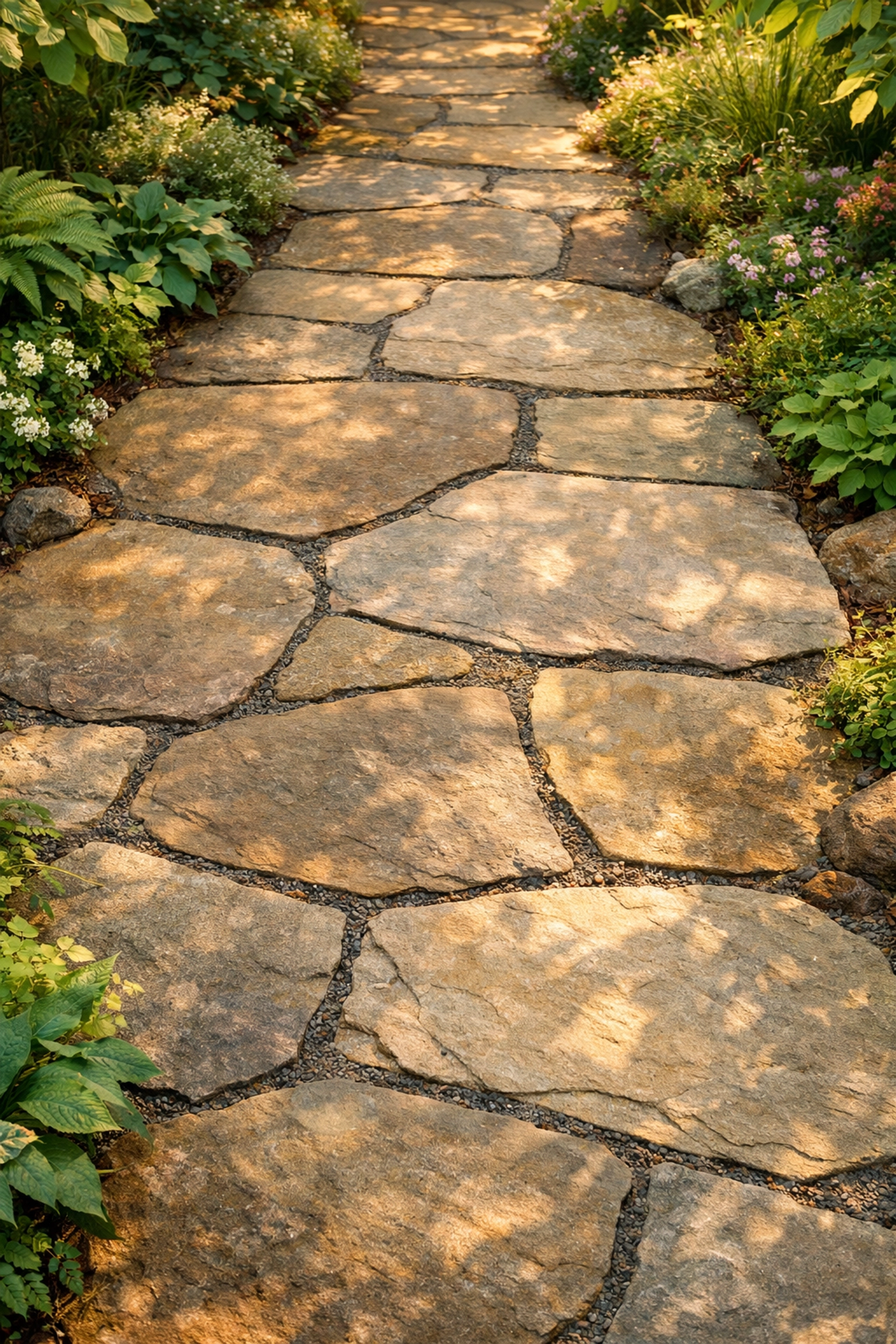
We often walk our garden paths so many times that we could do it with our eyes closed. Because of that familiarity, we stop noticing when a paving stone has shifted or when a tree root has nudged its way through the gravel. These small changes happen slowly over years, but they are one of the leading causes of outdoor stumbles.
Another "invisible" hazard is moss and algae. In shaded areas or after a spring rain, stones and wooden decking can become as slippery as ice. You might not see the thin green film, but your feet will certainly feel it.
How to Fix It:
Take a "safety stroll" once a month. Walk your paths slowly and intentionally. Look for any stones that wiggle when you step on them or edges that are higher than an inch. If you find a loose stone, level it out with a bit of sand or gravel. For mossy areas, use a stiff brush and a safe, non-toxic cleaner to scrub the surface. Keeping paths clear of wet leaves and debris also goes a long way in maintaining traction.
2. Wearing the Wrong Garden Footwear
It’s tempting to slip on a pair of old flip-flops or those easy-to-clog rubber shoes when you’re just heading out to pull a few weeds. However, footwear is your primary connection to the ground. Gardening often involves walking on uneven turf, damp grass, or sloped areas. If your shoes don't have a back (like slides or clogs) or if they have smooth soles, you’re significantly increasing your risk of a fall.
How to Fix It:
Invest in a dedicated pair of gardening shoes that offer three things: a closed back, a non-slip sole, and good arch support. Shoes with laces or sturdy Velcro straps are best because they won't slide off your heel if you step into soft mud. If you find it hard to bend over to tie laces, look for supportive "slip-on" sneakers that are designed to stay snug on the foot. Your feet provide the sensory feedback your brain needs to maintain balance; give them the best tool for the job.
3. Overlooking Lighting for Dusk and Dawn
Many gardeners prefer to work in the early morning or late evening to avoid the midday heat. While the temperature is better, the light levels are often deceptive. Shadows can hide changes in elevation, and the transition from a bright porch to a dim garden can take your eyes a few minutes to adjust. During those few minutes, a misplaced watering can or a small step can become a major hazard.
How to Fix It:
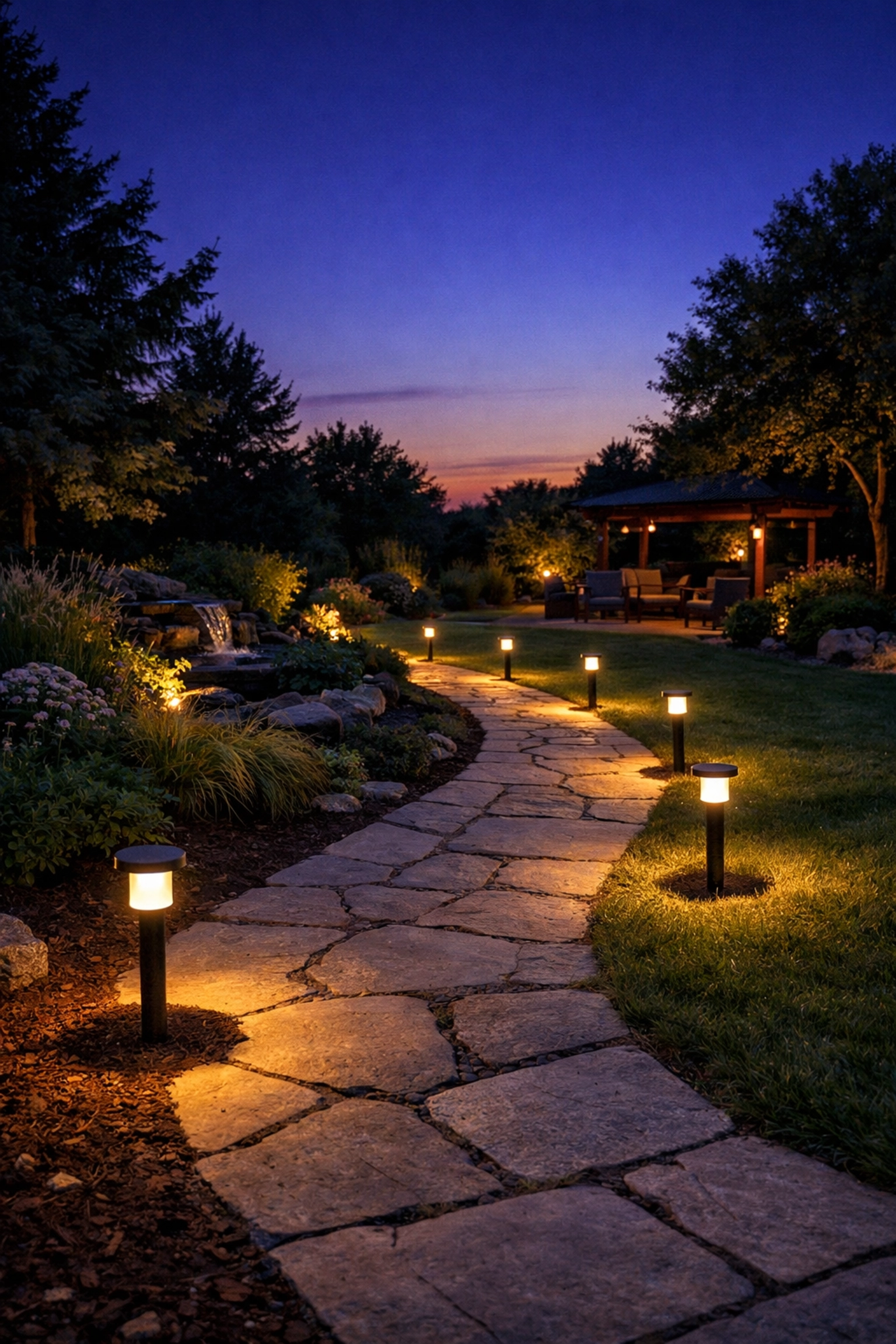
You don't need a professional electrician to fix this. Solar-powered LED lights are an affordable and effective solution. Line your main walkways with stake lights to clearly define the edges of the path. If you have steps leading into the garden, consider motion-sensor lights that click on as you approach. This ensures you always have a clear view of where your feet are landing, even if the sun has started to dip below the horizon.
4. Relying on "Improvised" Balance Points
Have you ever found yourself losing your balance slightly and reaching out to grab a nearby trellis, a plastic chair, or even a tall plant? We call these "improvised balance points," and they are incredibly dangerous. Most garden furniture and decorative structures aren't designed to support the weight of a person. If that trellis gives way or the chair slides, it can turn a minor stumble into a serious fall.
How to Fix It:
The best way to stay stable is to ensure you always have a solid, intended support nearby. If you have a set of stairs, they should have a sturdy, weather-resistant handrail on at least one side, preferably both. If you find yourself needing to steady yourself while walking through the garden, consider using a trekking pole or a sturdy cane specifically for outdoor use. Unlike a walker, which can be difficult to use on grass, a trekking pole provides a stable point of contact on uneven soil.
5. Poor Tool Management and Storage
We’ve all done it: we’re working on one project, get distracted by another, and leave the rake or the hose right where we were standing. In the garden, a green hose on green grass is practically a tripwire. Similarly, leaving long-handled tools lying flat on the ground is a recipe for disaster.
How to Fix It:
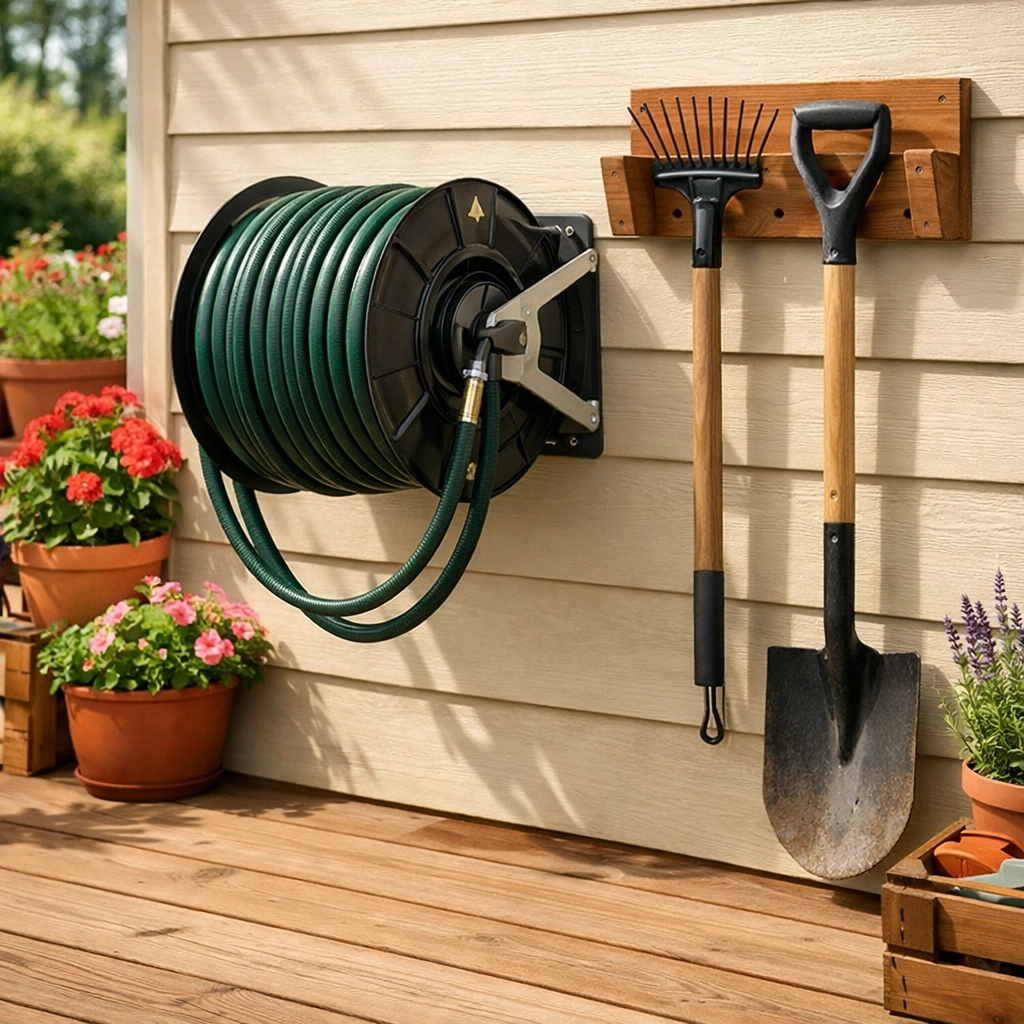
Establish a "clear as you go" rule. If you're finished with a tool, put it back in a designated spot immediately. For hoses, look into high-quality hose reels, either manual or automatic, that keep the line coiled and off the ground. If you struggle with heavy hoses, lightweight "expandable" hoses are much easier to manage and coil up. Using a garden cart or a bucket to carry small tools also keeps them in one place rather than scattered across the lawn.
6. Pushing Through the "Hinge" (Ergonomics)
Gardening is a workout. Bending, kneeling, and reaching use muscles that we might not use in our daily indoor lives. A common mistake is bending at the waist (the "hinge") to reach the ground. Not only does this strain the back, but it also shifts your center of gravity forward, making it much easier to tip over if you get dizzy or lose your footing.
How to Fix It:
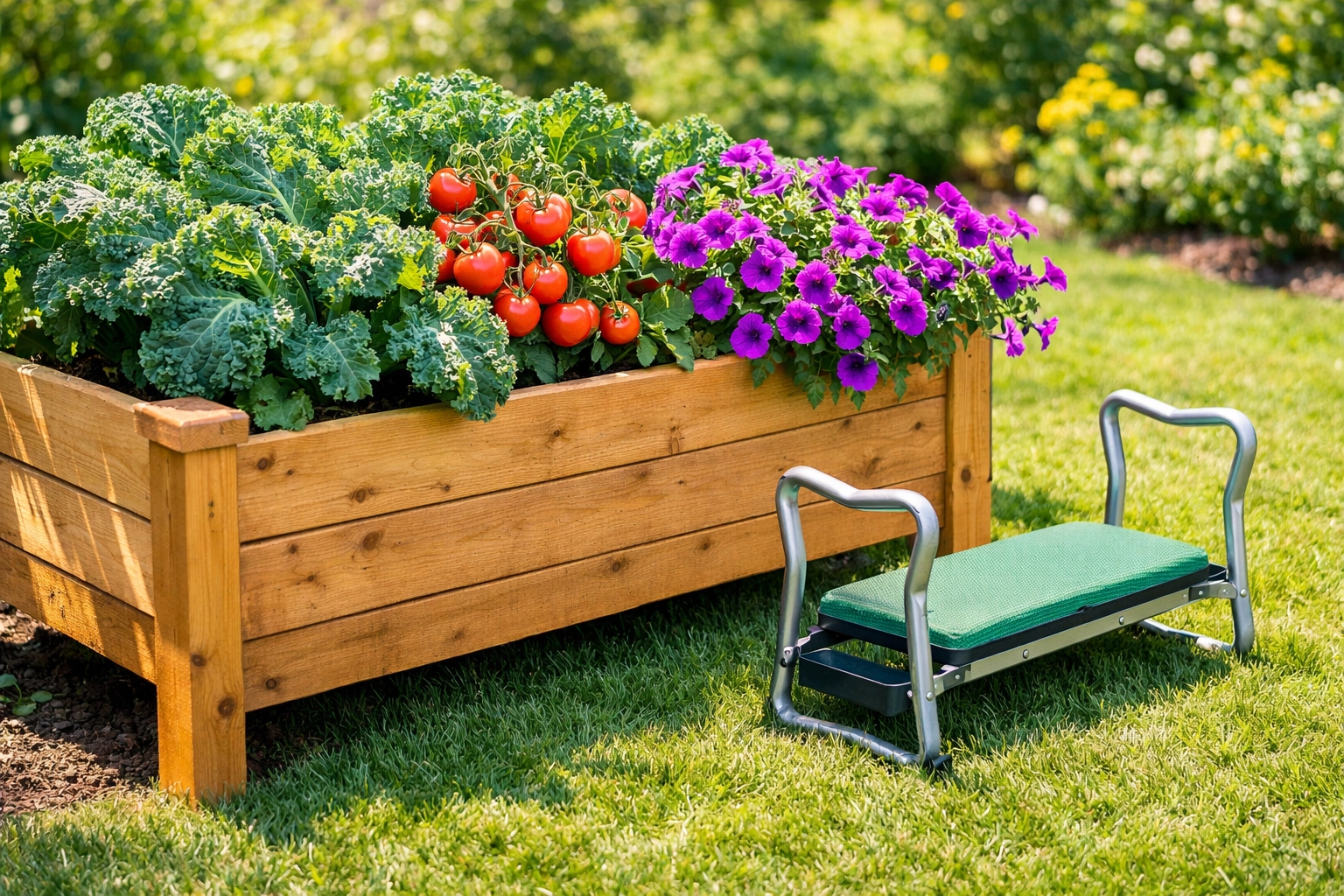
Bring the garden to you. Raised garden beds are a game-changer for safety and comfort. By raising the planting surface to waist or knee height, you eliminate the need to bend over completely. If you prefer ground-level gardening, use a garden kneeler that features handles on the sides. These handles provide a sturdy place to push off when you're ready to stand back up. Taking frequent breaks, at least once every 20 to 30 minutes, helps prevent the muscle fatigue that often leads to clumsiness.
7. Forgetting the "Check-In" System
The final mistake is one of the most common: going out to the garden without a way to call for help. The garden is often tucked away behind the house, and if something were to happen, it might be a long time before a neighbor or family member notices you're missing. Whether it's a fall or just getting overheated, being isolated is a major safety risk.
How to Fix It:
Never head out to the garden without your phone or a medical alert device. If your phone is too bulky for your pockets, use a small clip-on pouch. It’s also a great idea to let someone know when you’re heading out. A simple text to a friend or telling a spouse, "I’m going to be in the garden for about an hour," creates a safety net. If you don't return or check in, they'll know where to find you. Finally, keep a bottle of water in a shaded spot in the garden. Dehydration can lead to dizziness, and dizziness is a primary cause of falls.
Keeping the Joy in the Garden
At the end of the day, the goal of garden safety isn't to make you stop gardening. It’s exactly the opposite! We want you to be able to enjoy your flowers, vegetables, and the fresh air for as many years as possible. By making these small adjustments, leveling your paths, wearing the right shoes, and managing your tools, you're protecting your independence.
A safe garden is a sustainable garden. When you take the time to set up your environment correctly, you take the "worry" out of the equation. You can focus on the soil, the seeds, and the seasons, knowing that you've built a space that supports you just as much as you support your plants.
Remember, safety isn't a one-time task; it's a habit. Next time you head outside, take a quick look around. Is the hose put away? Are your shoes snug? Is your phone in your pocket? If the answer is yes, then you're ready for a beautiful, productive, and safe day in the garden. Happy planting!

