
Hi there, I’m Brian Kerr, the founder of Fall Guys Products. Over the years, I’ve spoken with countless families who share a common worry: how to keep their loved ones safe at home as they get older. We all want to maintain our independence for as long as possible, but the reality is that our homes, which have always been our sanctuaries, can sometimes present hidden challenges as our physical needs change.
Falls are one of the most common concerns for seniors, but here is the good news: they are not an inevitable part of aging. Most falls are preventable with a mix of awareness, small home adjustments, and a proactive approach to health. This guide is designed to be your comprehensive starting point: a "101" course in making your home a safer, more supportive environment.
Understanding Why Falls Happen (It’s Not Just About Tripping)
Before we start moving furniture or installing bars, it’s helpful to understand the "why" behind fall risks. It’s rarely just a single thing. Usually, a fall happens because of a combination of internal and external factors.
Internal factors include things like changes in vision, decreased muscle strength, or balance issues. As we age, our inner ear: which controls balance: might not be as sharp as it once was. Our vision might change, making it harder to judge the depth of a step or see a clear cord on the floor. Even medications can play a role; some can cause dizziness or a sudden drop in blood pressure when you stand up too quickly.
External factors are the things in our environment. These are the loose rugs, the dim hallways, and the lack of support in high-traffic areas like the bathroom. By addressing both the internal and external, we create a "safety net" that allows for confident movement.
Conducting a Room-by-Room Home Safety Audit
The most effective way to prevent falls is to look at your home through a new lens. Walk through each room: or have a family member do it with you: and look for potential "hot spots."
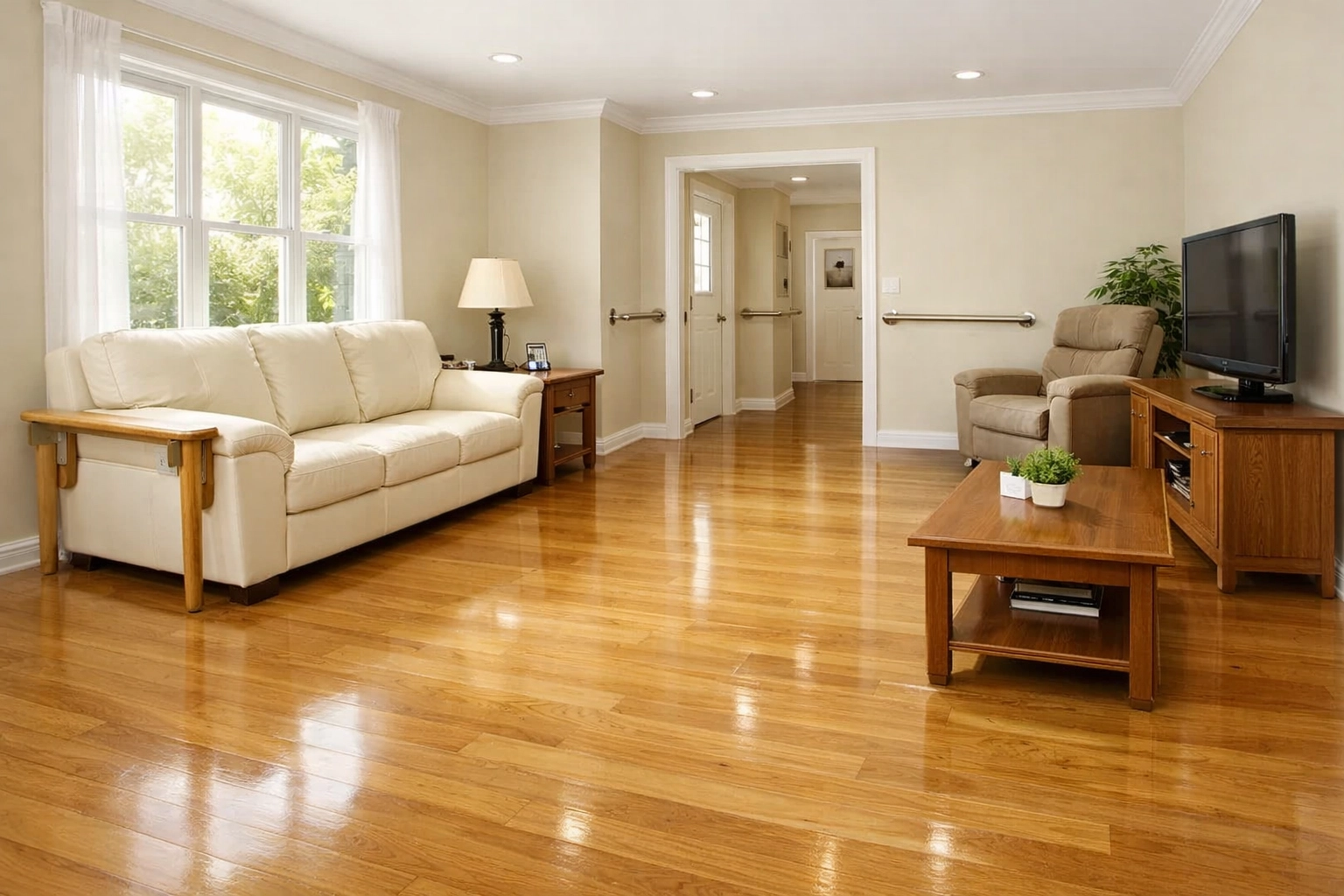
The Living Room: Clear the Path
The living room is where we spend a lot of our time, but it’s often cluttered with items that have accumulated over years.
- Remove the Trip Hazards: Small area rugs and "throw" rugs are some of the biggest culprits in home falls. They can easily bunch up or have edges that catch a toe. If you aren't ready to part with them, ensure they are secured with double-sided heavy-duty tape.
- Clear the Walkways: Make sure there is a clear, wide path through the room. Furniture should be arranged so you don't have to navigate a maze to get from the sofa to the door. Move low coffee tables, magazine racks, or plant stands that sit in the middle of walking paths.
- Manage Cords: In our modern world, we have more electronics than ever. Ensure that lamp cords, phone chargers, and extension cords are tucked away behind furniture or secured along the baseboards. Never run a cord under a rug.
The Bathroom: Managing Moisture and Gravity
The bathroom is statistically the most dangerous room in the house because of the combination of hard surfaces and water.
- Install Grab Bars: This is the single most important upgrade you can make. Towel racks are not designed to hold a person’s weight: they will pull out of the wall if you grab them during a slip. Professional-grade grab bars, installed into the wall studs, provide reliable support near the toilet and inside the shower.
- Non-Slip Surfaces: Use non-slip mats or adhesive strips on the floor of the tub or shower. Outside the tub, use a bath mat with a solid rubber backing so it won’t slide when you step onto it with wet feet.
- Seated Options: If standing for long periods is tiring, a shower chair or bench can make bathing much safer and more relaxing.
The Kitchen: Working Within Reach
Kitchen safety is all about minimizing the need for reaching or climbing.
- The "Waist-High" Rule: Rearrange your cabinets so that the items you use every single day: your favorite mug, the heavy cast-iron skillet, or the tea kettle: are stored at waist height. This prevents you from having to reach high overhead (which can cause dizziness) or bend too low (which can cause balance loss).
- Ditch the Step Stool: If you can’t reach it without a stool, it shouldn't be up there. If you must use a stool, ensure it is a sturdy model with a high handrail to hold onto. Never use a chair as a makeshift ladder.
- Clean Spills Immediately: A single dropped ice cube or a splash of water on a tile floor is a major hazard. Keep a cloth handy to wipe up spills the moment they happen.
The Bedroom: Nighttime Navigation
Falls often happen in the middle of the night when we are groggy and moving toward the bathroom.
- Bed Height: Your bed should be at a height where your feet touch the floor firmly when you sit on the edge. If it’s too high or too low, getting in and out becomes a struggle.
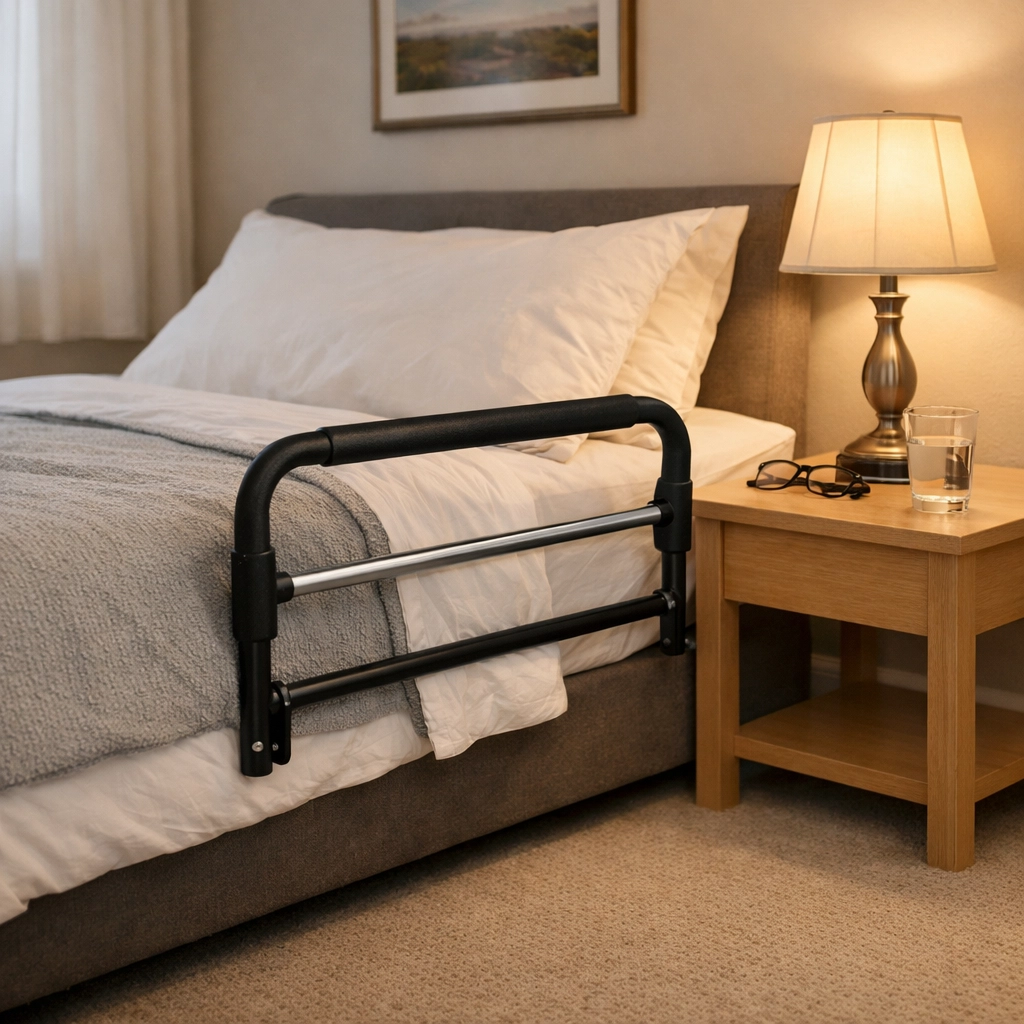
- Bedside Support: A sturdy bedside rail can provide a handhold when transitioning from lying down to standing up. It also prevents rolling out of bed in some cases.
- Clear the Nightstand: Keep your phone, glasses, and a lamp within easy reach so you don't have to lean precariously out of bed to find them.
The Power of Proper Lighting
If you can’t see a hazard, you can’t avoid it. Many homes are under-lit, especially in transition areas like hallways and stairs.
- Brighten Up: Replace old, dim bulbs with bright LEDs. Pay special attention to stairways: ensure there is a light switch at both the top and the bottom of the stairs.
- Night Lights are Essential: Place motion-activated night lights in the hallway between the bedroom and the bathroom. These are wonderful because they stay off during the day but provide a soft glow the moment they sense movement at night, guiding your way without requiring you to fumbling for a switch.
- Flashlights: Keep a working flashlight in the drawer of your nightstand and in the kitchen. If the power goes out, you don't want to be caught in the dark.
Mobility Aids: Getting the Right Fit
Sometimes, we need a little extra help to stay steady. Whether it’s a cane, a walker, or a specialized support pole, these tools are meant to empower you, not hold you back. However, a mobility aid that doesn't fit you correctly can actually increase your risk of falling.
- Check the Height: For canes and walkers, the handle should generally be at the level of your wrist when your arm is hanging naturally at your side. If it's too high, it will strain your shoulders; if it's too low, it will cause you to lean forward, shifting your center of gravity and making a fall more likely.
- Maintenance Matters: Check the rubber tips (ferrules) on the bottom of canes and walkers. If they are worn down or uneven, they won't grip the floor properly. They are inexpensive and easy to replace.
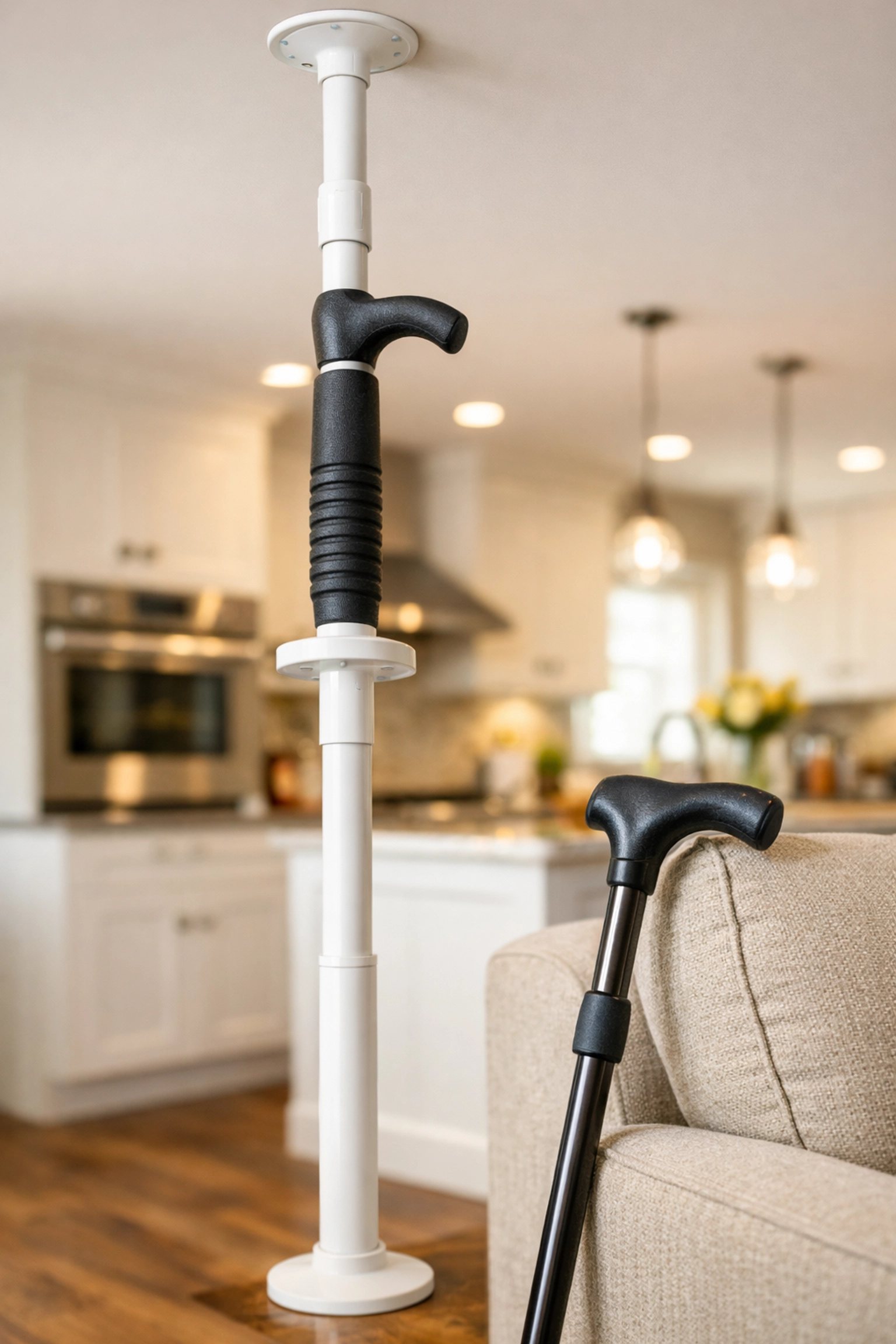
- Support Poles: In rooms with open floor plans where there are no walls to hold onto, a floor-to-ceiling support pole can be a lifesaver. These provide a vertical handhold to help you move from a seated to a standing position or to steady yourself while walking through a room.
Strengthening Your Foundation: Exercise and Balance
While we work on the house, we also need to work on the "engine": your body. Physical activity is perhaps the most potent tool in our fall prevention toolkit.
- Focus on Balance: Exercises like Tai Chi are world-renowned for improving balance and coordination. It’s a gentle, flowing movement that strengthens the "stabilizer" muscles in your legs and core.
- Strength Training: You don't need to be a bodybuilder. Simple exercises like "sit-to-stands" (sitting down in a chair and standing back up repeatedly) can build the quadriceps strength needed to stay steady.
- Consult the Pros: Before starting a new routine, talk to your doctor or a physical therapist. They can give you a personalized set of exercises tailored to your specific needs.
- Don't Rush: Many falls happen because we are in a hurry to answer the door or the phone. Practice moving mindfully. When you wake up, sit on the edge of the bed for a full minute before standing to let your blood pressure stabilize.
Choosing the Right Footwear
What you wear on your feet matters just as much as what you have on your floors.
- The Slipper Trap: Many people wear loose, backless slippers at home. While comfortable, they provide zero stability and can easily slide off.
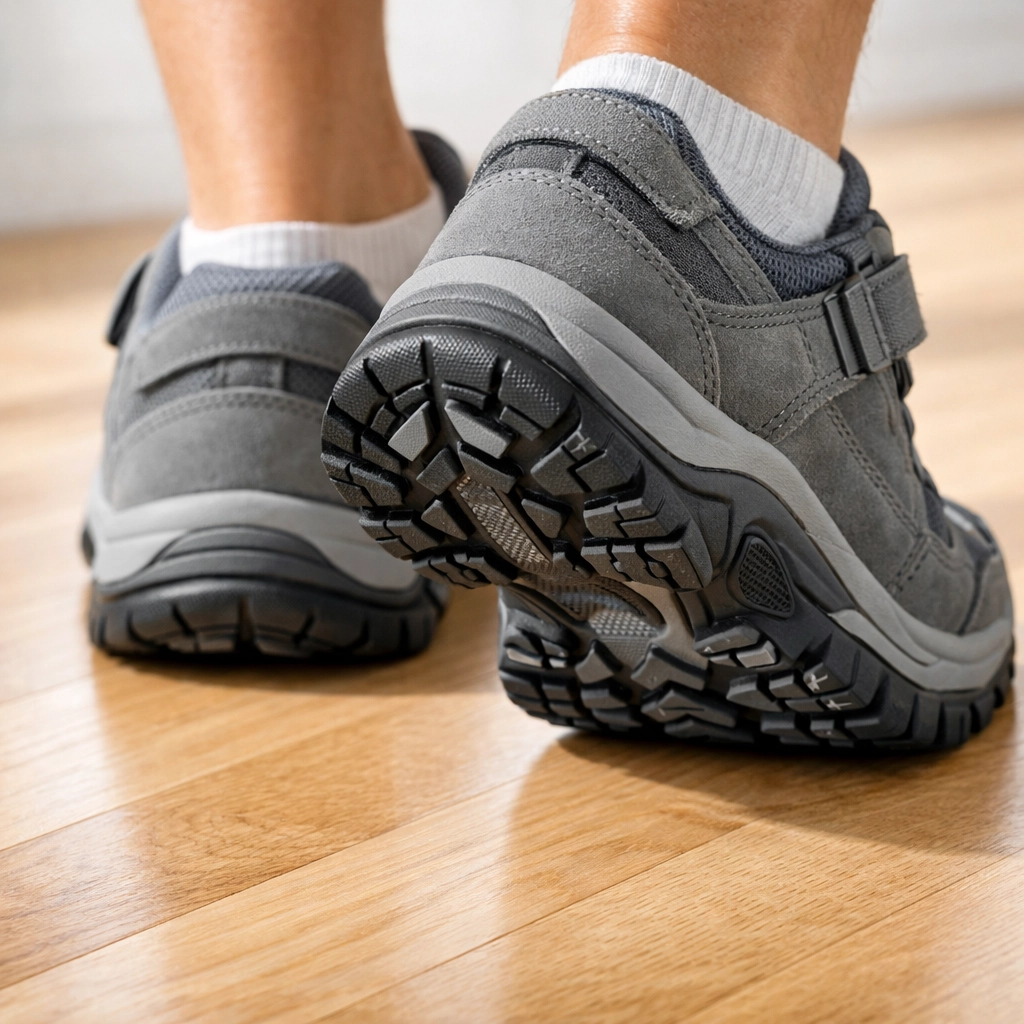
- Sturdy and Secure: Look for shoes that have a non-slip sole, a low heel, and a back that holds your heel firmly in place. Lace-up shoes or those with sturdy Velcro straps are ideal because they can be adjusted if your feet swell during the day.
- Avoid Walking in Socks: Walking on hardwood or tile floors in just socks is like walking on ice. If you prefer not to wear shoes in the house, invest in high-quality socks with rubberized "grippers" on the bottom.
Creating an Action Plan
Prevention is the goal, but preparation is the safety net. Even with the best precautions, it is wise to have a plan in case a fall does occur.
- Emergency Contact: Keep a phone within reach at all times. If you don't like carrying a mobile phone, consider a medical alert device that you can wear as a necklace or wristband.
- The "Stay Calm" Protocol: If you do fall, don't try to get up immediately. Take a few deep breaths and check yourself for pain or injury. If you feel you can get up, use a sturdy piece of furniture to slowly pull yourself into a kneeling position, then a seated one.
- Talk to Your Doctor: If you experience a fall: even a minor one where you aren't hurt: tell your healthcare provider. It might be a sign that a medication needs adjusting or that you could benefit from some physical therapy.
Moving Forward with Confidence
Making these changes can feel overwhelming if you try to do them all at once. My advice? Pick one room this weekend. Maybe it’s the bathroom, or maybe it’s just clearing the cords in the living room. Every small adjustment adds a layer of protection.
At Fall Guys Products, our philosophy is that safety doesn't have to feel clinical or scary. It’s about making your home fit your life, rather than you having to struggle to fit into an environment that no longer serves you. By taking these steps, you’re not just preventing a fall; you’re investing in your ability to keep doing the things you love, in the place you love most.
Stay safe, stay active, and remember that a little bit of preparation goes a long way.

