
Stairs are often the most intimidating part of a home as we get older. It’s not just about the physical effort of climbing them; it’s the mental tax of navigating them safely. When you walk across a flat floor, your brain is on autopilot. But the moment you approach a flight of stairs, your brain begins a complex series of calculations involving depth perception, muscle memory, and balance.
Most falls on stairs don’t happen because of a single catastrophic event. They happen because of small, often overlooked "micro-mistakes" in the environment or our habits. At Fall Guys Products, we see these patterns all the time. The good news is that most of these risks are fixable with a little bit of knowledge and some simple adjustments.
Here are the seven most common mistakes people make with stair safety and, more importantly, how you can fix them to stay safe and confident in your own home.
1. Ignoring Inconsistent Riser Heights
You might think that a quarter-inch difference between the height of one step and the next wouldn't matter. In reality, it is one of the leading causes of trips.
Human movement is based heavily on rhythm. When you start climbing a staircase, your brain "maps" the height of the first two steps. Once that map is set, your body expects every subsequent step to be exactly the same height. If a riser is even 5 to 10 millimeters taller or shorter than the others, your foot won't clear the edge or will land sooner than expected, throwing off your center of gravity.
How to Fix It:
If you are remodeling or building, insist on a "uniform rise." If you live in an older home where the stairs have settled or were built unevenly, you need to identify the "problem steps." Use a measuring tape to check the vertical height (the riser) of every single step. If you find significant variations, a carpenter may need to shim the treads or adjust the flooring at the top or bottom of the flight to restore that critical rhythm.
2. Living with "Shallow" Treads
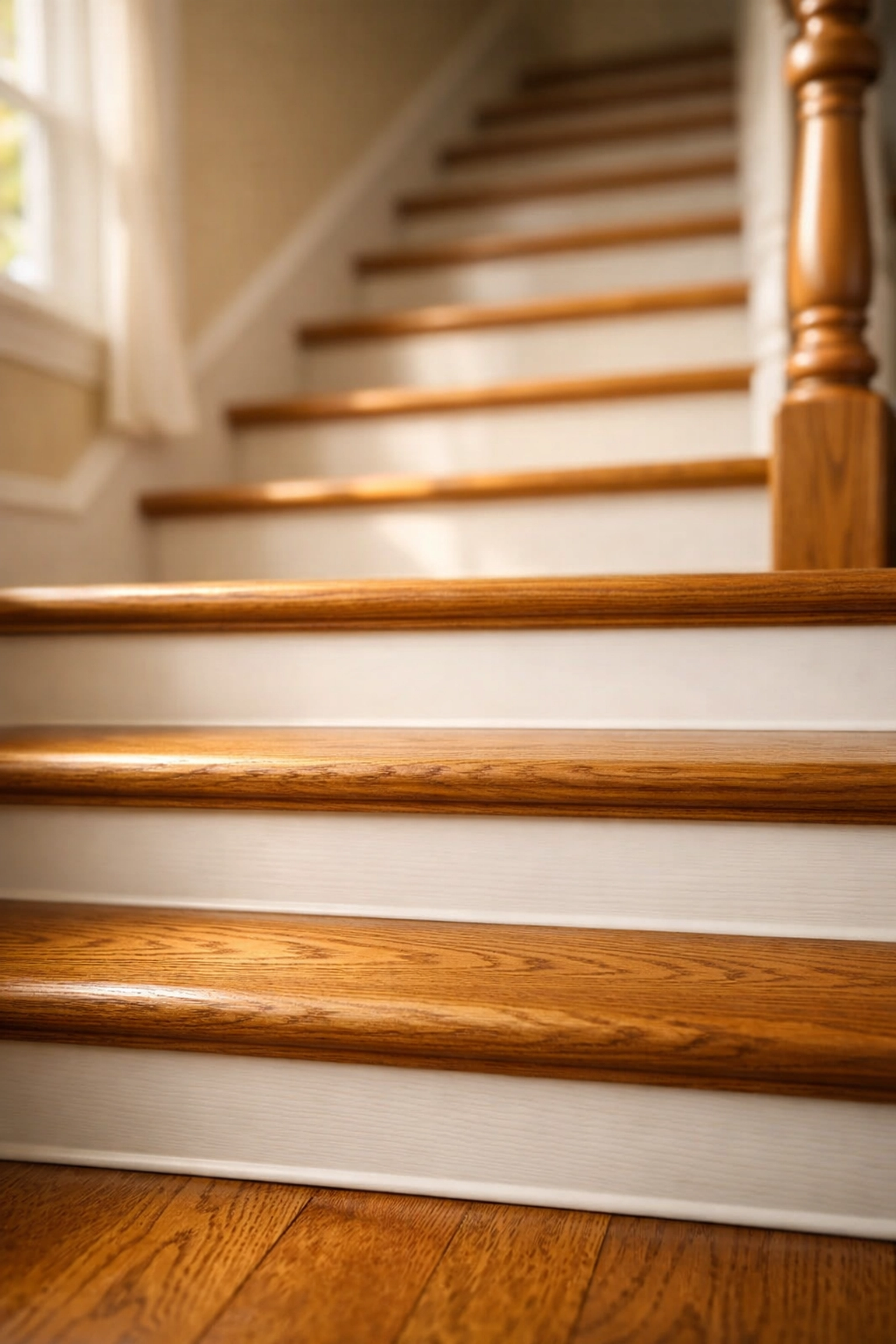
The "tread" is the horizontal part of the step where you place your foot. In many older homes, especially those with narrow footprints, stairs were built with shallow treads to save space.
If a tread is too shallow: less than 10 inches: it’s impossible to get your full foot onto the step. This forces you to climb or descend on the balls of your feet or, worse, to turn your feet sideways. This reduces your stability and increases the likelihood of a slip, especially when coming downstairs, where your heel might catch on the edge of the step above.
How to Fix It:
While you can’t easily "stretch" a staircase without a major renovation, you can maximize the space you have. Remove any thick, overhanging nosing (the lip of the step) that might be catching your heel. If you are doing a renovation, aim for a tread depth of 11 inches. For an immediate fix, ensure that you are wearing supportive footwear with a slim profile: bulky slippers can make shallow treads feel even smaller and more dangerous.
3. Treating the Staircase Like a Storage Unit
We’ve all done it: we place a book, a pair of shoes, or a basket of laundry on the bottom steps, intending to take them up on the next trip. This is a recipe for disaster.
Stairs require 100% of your concentration and 100% of the available path. Even a small object forces you to change your gait, step wider, or look down away from your handrail. Furthermore, carrying items up or down stairs is a risk in itself. If you are holding a laundry basket with both hands, you have no way to grab the handrail if you lose your balance.
How to Fix It:
Establish a "zero-tolerance" policy for objects on the stairs. Nothing lives on the steps, not even for a minute. If you need to move items between floors, consider installing a small "stair basket" at the very top and very bottom (well away from the walking path) to collect items. Better yet, use a backpack to carry items so your hands remain free to grip the handrails.
4. Poor Lighting and "Shadow Zones"
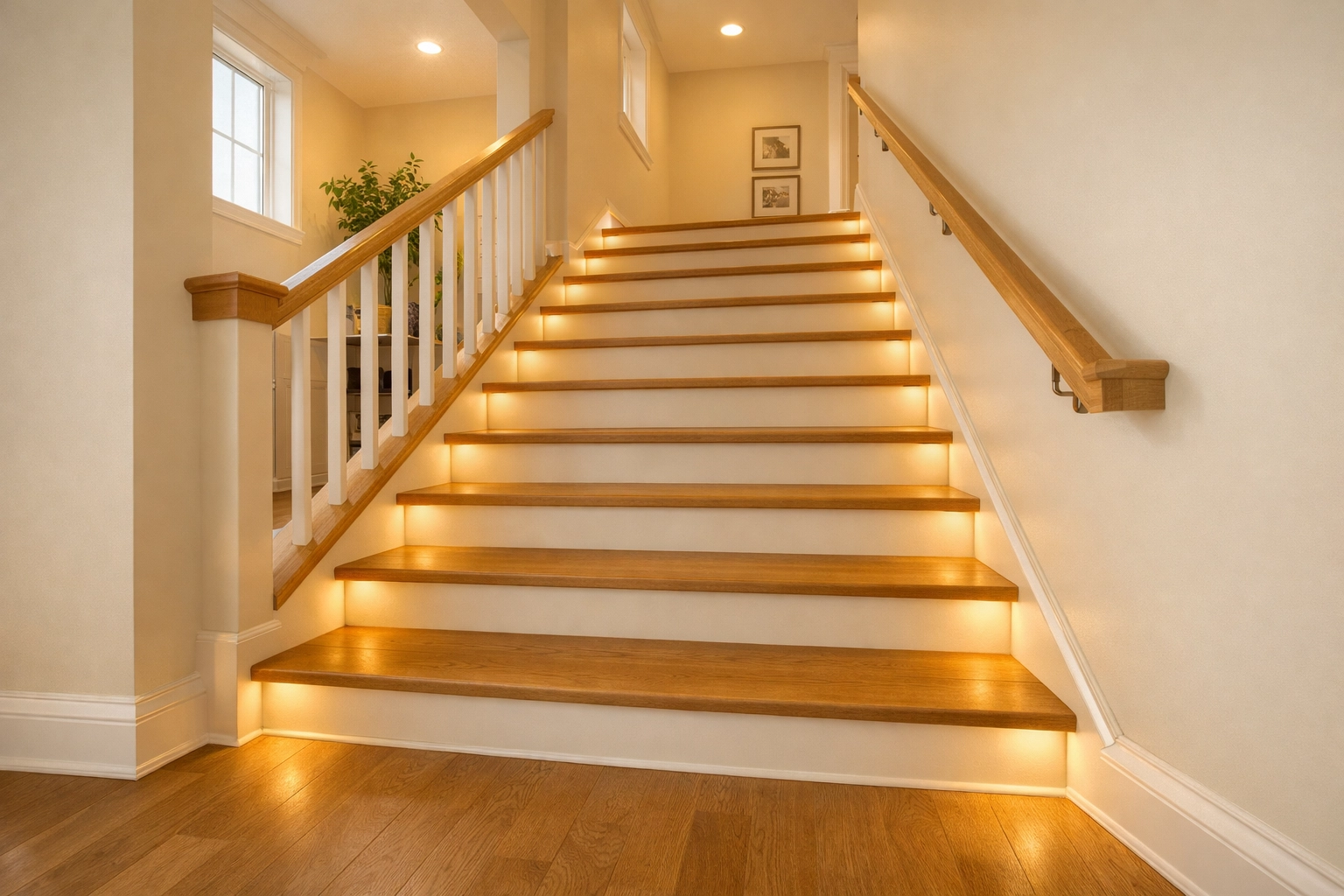
Lighting is perhaps the most underrated element of stair safety. Many staircases have a single light at the top or bottom, which creates long, deceptive shadows. If you can’t clearly see the "edge" of the step (the nosing), your brain has to guess where to put your foot.
As we age, our eyes require significantly more light to see clearly, and our ability to distinguish between similar colors and textures (contrast sensitivity) diminishes. A dimly lit oak staircase can look like one continuous brown ramp rather than a series of individual steps.
How to Fix It:
Install lighting that illuminates the entire flight. Motion-activated LED strips under the handrail or along the baseboards are excellent because they provide "pathway lighting" without glare. Ensure there are light switches at both the top and the bottom of the stairs. If the steps are all one color, consider adding a strip of high-contrast tape or paint to the edge of each tread to make the transition visible.
5. Short or Wobbly Handrails
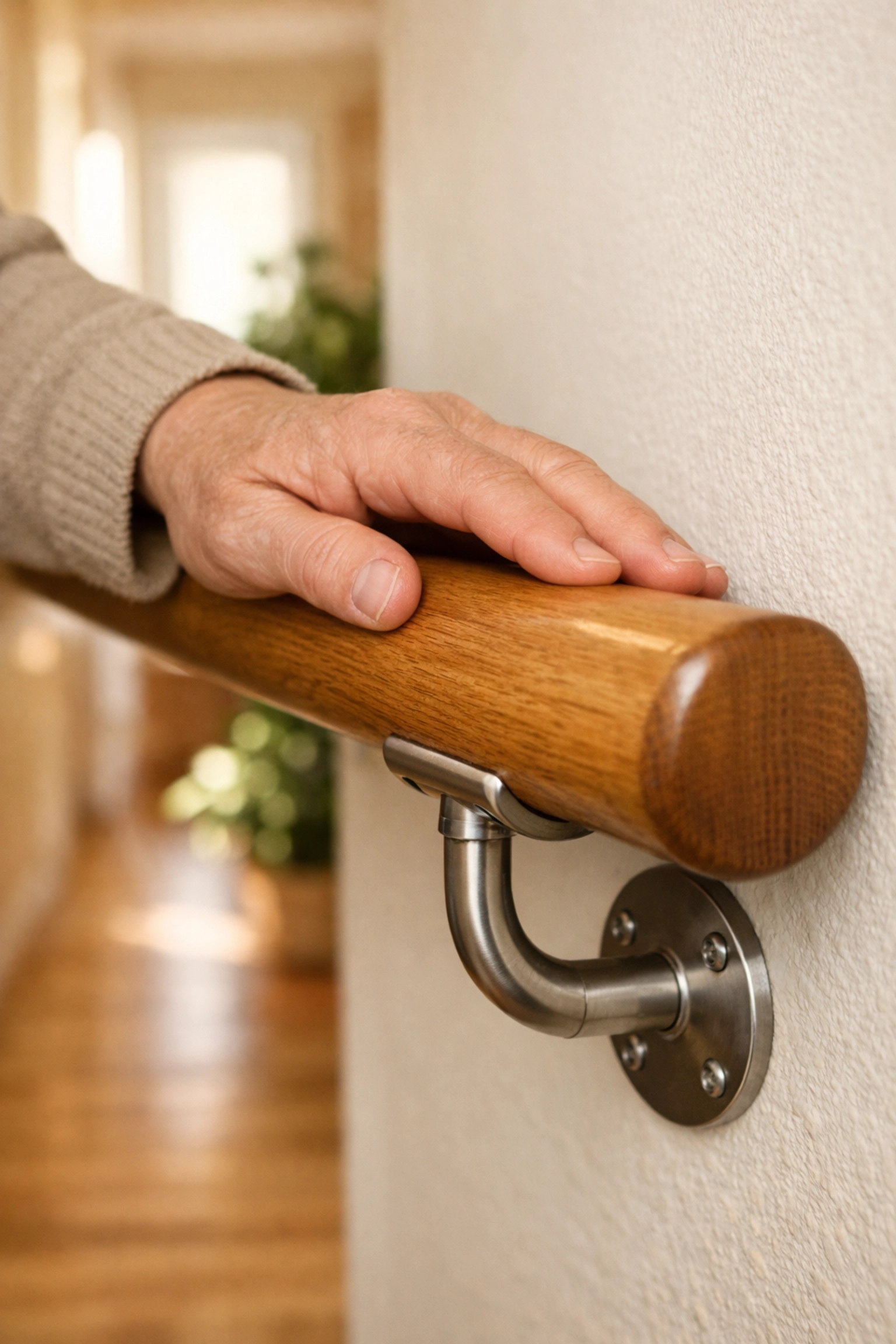
A handrail is not just a decorative element; it is a safety device. A common mistake is having a handrail that stops one step too early or is only on one side of the staircase.
Many falls happen at the very top or the very bottom of the stairs when people "let go" of the rail before their feet are securely on flat ground. Additionally, a handrail that wobbles when you put weight on it is arguably more dangerous than no handrail at all, as it provides a false sense of security.
How to Fix It:
Ensure your handrails are "continuous." They should extend at least 12 inches beyond the top and bottom steps, allowing you to maintain a grip until you are fully transitioned to the floor. If your staircase is wide enough, install rails on both sides. This allows you to use your strongest hand regardless of whether you are going up or down. Periodically check the brackets to ensure they are screwed into the wall studs and don't budge when pulled.
6. Choosing Aesthetics Over Traction
Hardwood stairs are beautiful, but they can be incredibly slippery, especially if you are wearing socks or smooth-soled slippers. Even carpet can be a hazard if it is a "plush" variety that rounds off the edges of the steps, making it hard to feel the corner with your foot.
Water is another hidden enemy. If you’ve just come in from the rain or a bathroom is located near the top of the stairs, a tiny amount of moisture on a polished wood surface turns it into an ice rink.
How to Fix It:
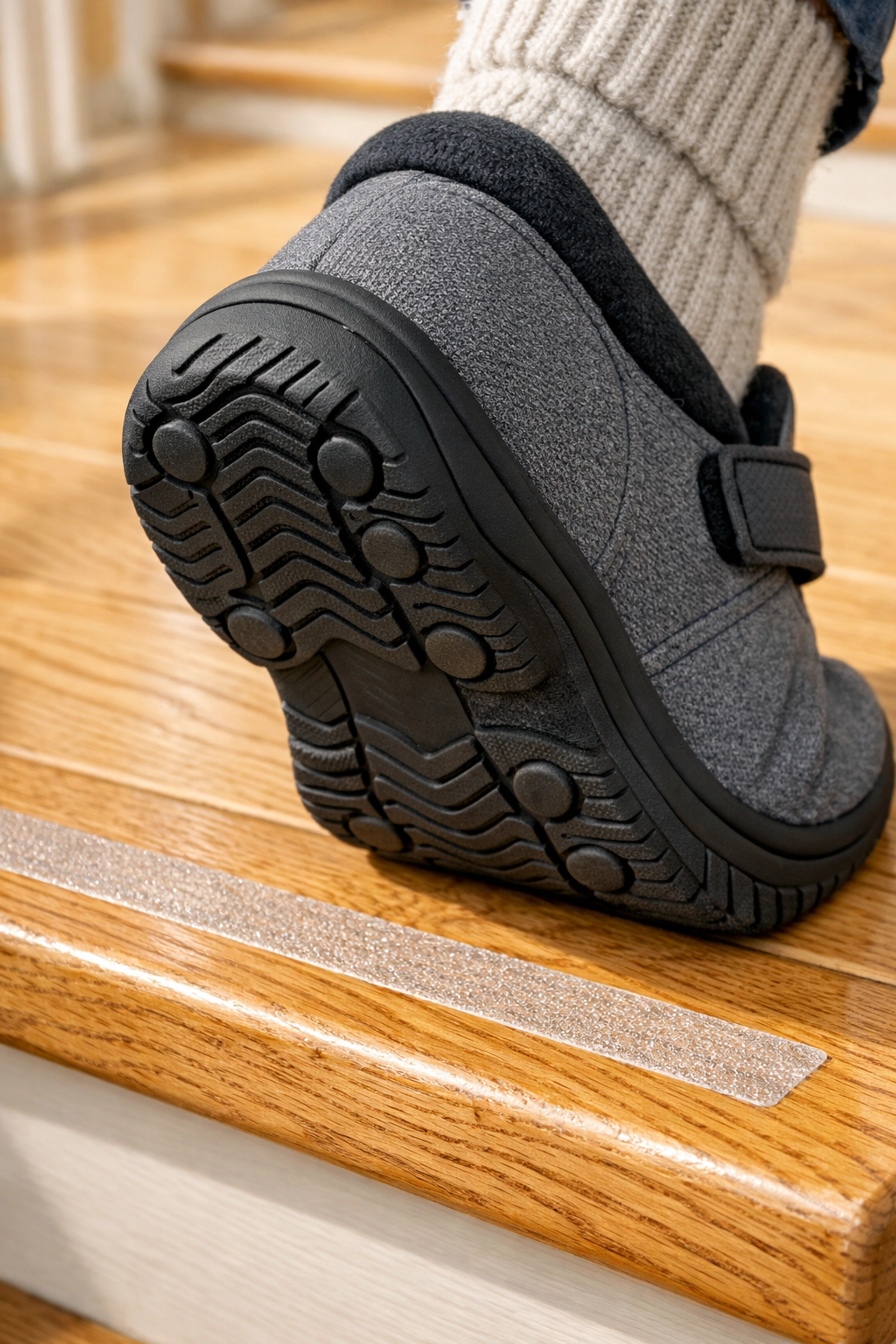
Traction is non-negotiable. If you have wooden stairs, consider adding transparent anti-slip adhesive strips. They provide a "gritty" texture that grips your shoe without hiding the wood grain. If you prefer carpet, choose a low-pile, tight-weave option that is firmly tacked down. Avoid "stair runners" that are only held by rods; they can shift underfoot. Always choose footwear with rubber soles when navigating the home.
7. Overlooking the "Transition" Health Factors
The final mistake isn't about the stairs themselves, but how we approach them. Many people try to rush. They hear the phone ringing or the doorbell, and they hurry down the stairs.
There is also the issue of "Orthostatic Hypotension": that dizzy feeling you get when you stand up too quickly. If you get out of bed or off the couch and immediately head for the stairs, you might experience a momentary lapse in balance or vision just as you reach the most dangerous part of your home.
How to Fix It:
Practice "Mindful Climbing." Before you take the first step, pause for a second. Ensure your vision is clear and you don't feel dizzy. Grip the handrail before your foot leaves the floor. Focus on each step individually rather than looking at the bottom of the flight. If you feel tired or winded, there is no shame in stopping on a landing to catch your breath.
The Role of Regular Maintenance
Stair safety isn't a "set it and forget it" task. Homes shift, wood warps, and carpet wears down. Make it a habit to perform a "stair audit" every six months.
- Check for Creaks: A creak often means a tread is becoming loose from the stringer (the side support).
- Check the Carpet: Look for fraying or areas where the carpet has "bubbled" up. These are major trip hazards.
- Test the Bulbs: Replace any flickering or dim bulbs immediately.
- Feel the Rail: Give the handrail a firm shake. If it moves, tighten the hardware.
Final Thoughts
Your home should be a place of comfort, not a place of fear. By addressing these seven common mistakes, you aren't just "fixing stairs": you’re preserving your independence. Whether it’s adding a second handrail or simply clearing away the clutter, every small change adds a layer of protection.
Stair safety is about creating a predictable environment where your body and brain can work together in harmony. Take it one step at a time, stay mindful, and don't hesitate to make the modifications necessary to keep yourself moving safely through your home for years to come.

