
Hi, I’m Brian Kerr, the founder of Fall Guys Products. If you’re reading this, chances are you’re looking out for someone you love: a parent, a grandparent, or perhaps a spouse. Maybe you’ve already had a close call, or maybe you just want to make sure one never happens. Either way, I want you to take a deep breath. You’re doing the right thing by being proactive.
Falling isn't just a "part of getting older." While it’s true that our bodies change as we age, a fall is usually the result of a combination of factors, many of which we can control. At our company, we believe that safety shouldn't feel like a clinical overhaul of your life. It should feel like a natural extension of a home that is comfortable, functional, and secure.
This roadmap is designed to give you a clear, stress-free path toward making the home a safer place and keeping your loved ones moving with confidence.
Understanding the "Why" Behind Falls
Before we start moving furniture or installing hardware, it helps to understand why falls happen. Generally, they fall into three categories: environmental (the home), biological (the body), and behavioral (what we do).
Environmental factors are things like loose rugs or poor lighting. Biological factors involve things like balance issues, muscle weakness, or vision changes. Behavioral factors include things like rushing to answer the phone or wearing footwear that doesn't provide enough support.
When we address all three, we create a "safety net" that significantly lowers the risk of injury. It’s not about wrapping someone in bubble wrap; it’s about giving them the tools and the environment to stay independent for as long as possible.
Step 1: The Home Environment Audit
The most effective place to start is right where your loved one spends the most time. Walk through the house with a fresh set of eyes. Sometimes, we become "clutter-blind" to the things we see every day.
Lighting: Your First Line of Defense
As we age, the amount of light that reaches the back of the retina decreases. A 60-year-old person needs significantly more light to see clearly than a 20-year-old.
- Brighten the Path: Replace dim bulbs with high-wattage LED bulbs. Focus on transition areas like doorways and the top and bottom of stairs.
- Motion Sensors: These are a game-changer. Install motion-activated lights in hallways and bathrooms so that if someone gets up at 2:00 AM, the path is illuminated before they even take their first step.
- Nightlights: Every bedroom and bathroom should have a reliable nightlight. Glow-in-the-dark light switches are also a small but helpful touch.
Clearing the Way
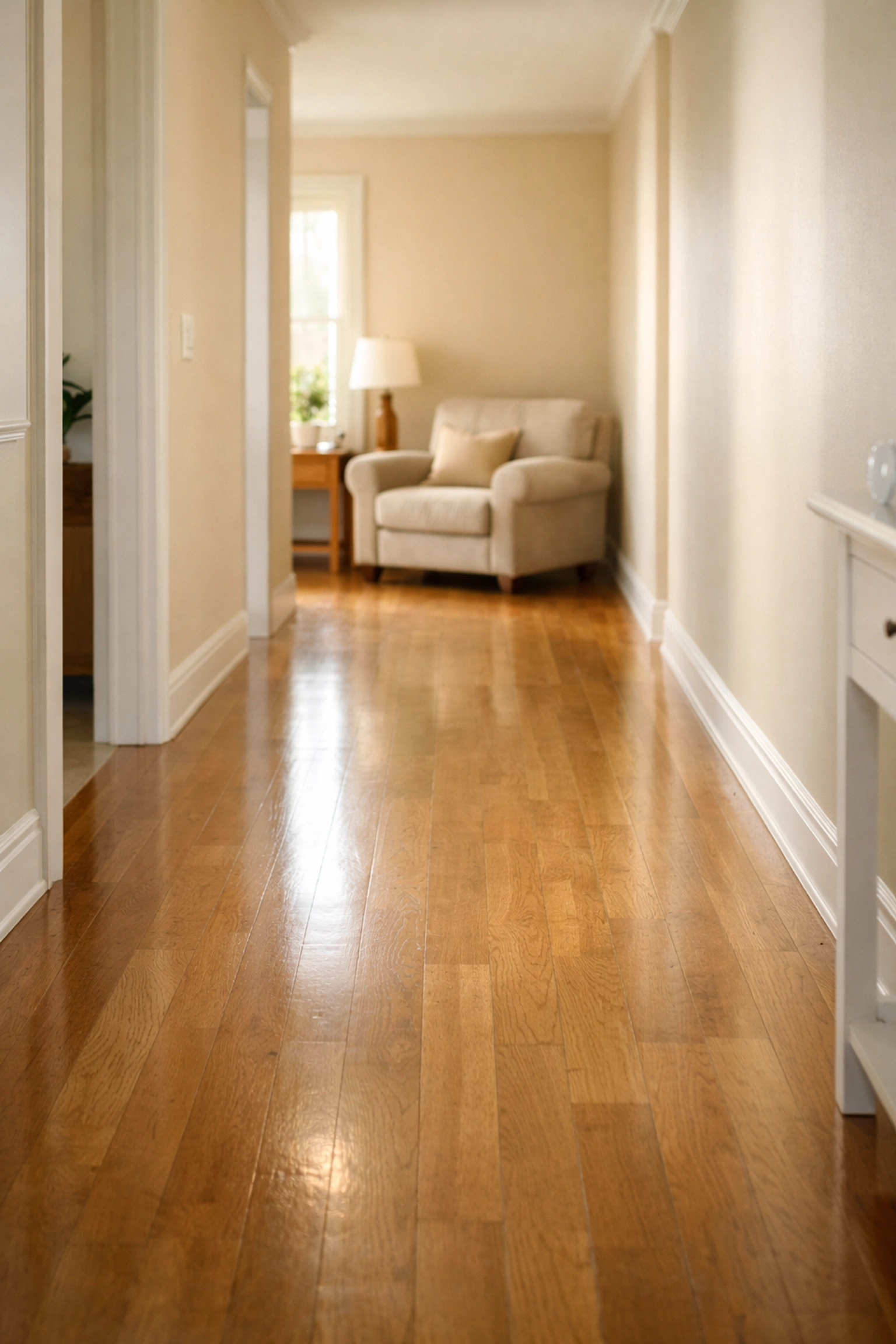
Clutter is one of the leading causes of trips. A stray magazine, a power cord, or a pair of shoes left in the hallway can lead to a tumble.
- The 30-Inch Rule: Try to ensure that all primary walkways in the home are at least 30 inches wide and completely clear of furniture or decor.
- Cord Management: Use cord organizers to tuck away wires from lamps, TVs, and phones. Never run a cord across a walkway or under a rug.
- Rugs and Carpets: Throw rugs are notorious tripping hazards. The safest option is to remove them entirely. If they must stay, use heavy-duty double-sided tape or non-slip pads to secure them firmly to the floor.
The Bathroom: The Highest Risk Zone
More falls happen in the bathroom than anywhere else in the house. Between the water, the hard surfaces, and the frequent transitions (sitting to standing), it requires special attention.
- Grab Bars: These should be installed near the toilet and inside the shower or tub. Ensure they are professionally mounted into wall studs; towel racks are not designed to support a person's weight.
- Non-Slip Surfaces: Use high-quality non-slip mats or adhesive strips on the floor of the shower or tub.
- Raised Toilet Seats: For those with hip or knee issues, lowering themselves onto a standard toilet can be difficult. A raised seat reduces the distance they have to travel and makes standing back up much easier.
Step 2: Strengthening the Body
A safe home is half the battle; the other half is the person living in it. Mobility is a "use it or lose it" resource. We want to focus on balance, core strength, and flexibility.
Gentle Movement Matters
You don't need a gym membership to improve stability. Simple, consistent movement can make a world of difference.
- Walking: It’s the simplest form of exercise. Even a ten-minute walk around the house or yard helps maintain leg strength.
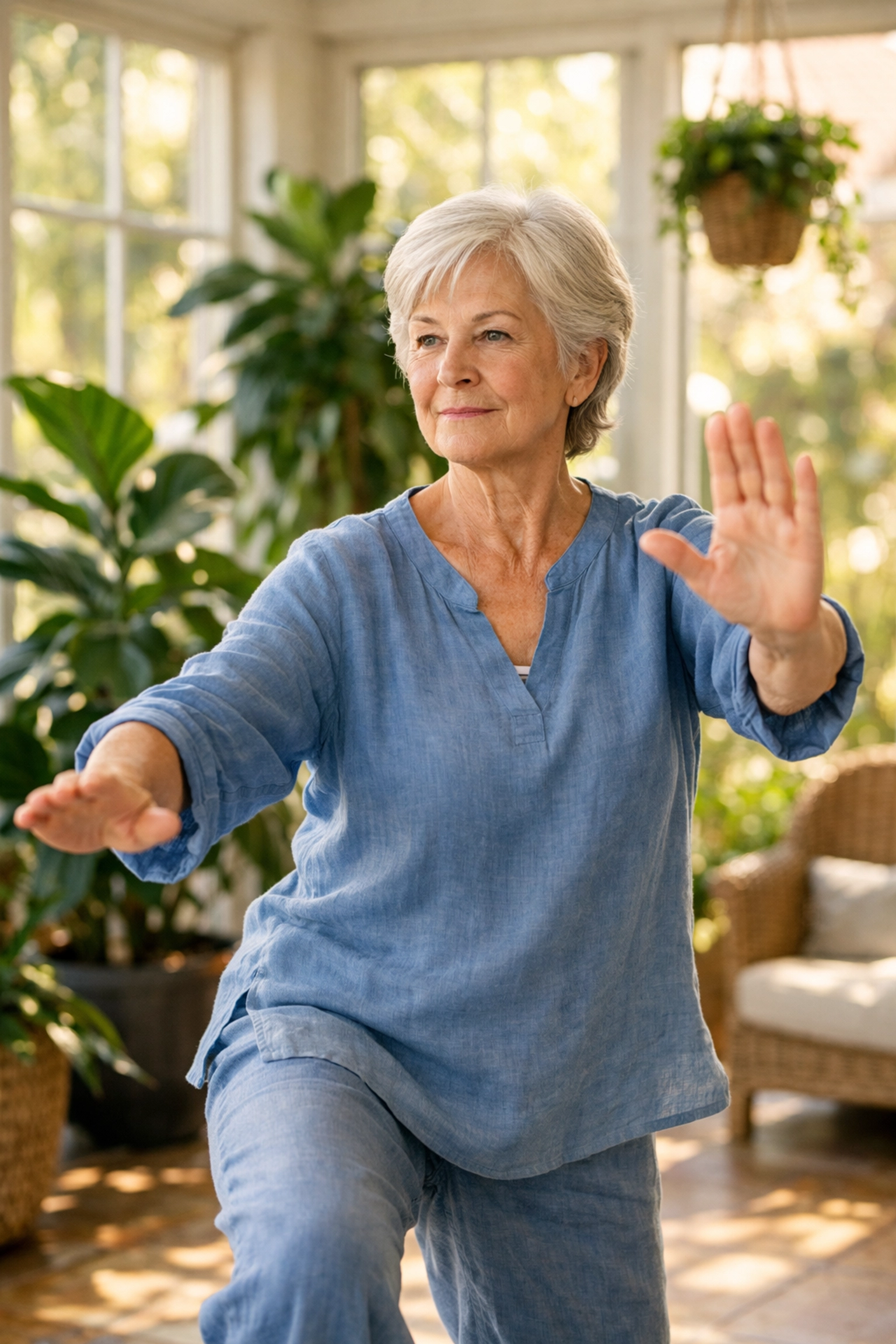
- Tai Chi: Often called "meditation in motion," Tai Chi is world-renowned for improving balance in seniors. It focuses on slow, deliberate movements and weight shifting.
- Chair Exercises: For those who aren't steady on their feet yet, seated leg lifts and arm reaches can build the foundational strength needed to improve mobility.
The Role of Physical Therapy
If your loved one has already had a fall or feels "wobbly," a few sessions with a physical therapist can be life-changing. They can identify specific muscle weaknesses and provide a customized plan to correct them. They can also teach the "proper" way to use a walker or cane, which is often used incorrectly.
Step 3: Managing Health and Medications
Our bodies are complex systems, and sometimes a fall is a symptom of a medical issue rather than just a trip.
The Vision and Hearing Connection
If you can’t see a hazard, you can’t avoid it. Annual eye exams are a must. Keep an eye out for bifocals or trifocals, which can sometimes distort depth perception when looking down at stairs.
Hearing is also tied to balance. Our inner ear helps us orient ourselves in space. If a loved one is having trouble hearing, it might be affecting their vestibular system (the balance center of the brain).
Medication Reviews
Many medications: or combinations of medications: can cause side effects like dizziness, drowsiness, or a sudden drop in blood pressure when standing up (orthostatic hypotension).
At least once a year, take a full list of all prescriptions and over-the-counter supplements to a doctor or pharmacist. Ask them: "Do any of these increase the risk of a fall?"
Step 4: Proper Footwear
I see this all the time: a perfectly safe home, a relatively fit person, and then they try to walk across a hardwood floor in silk socks or loose slippers.
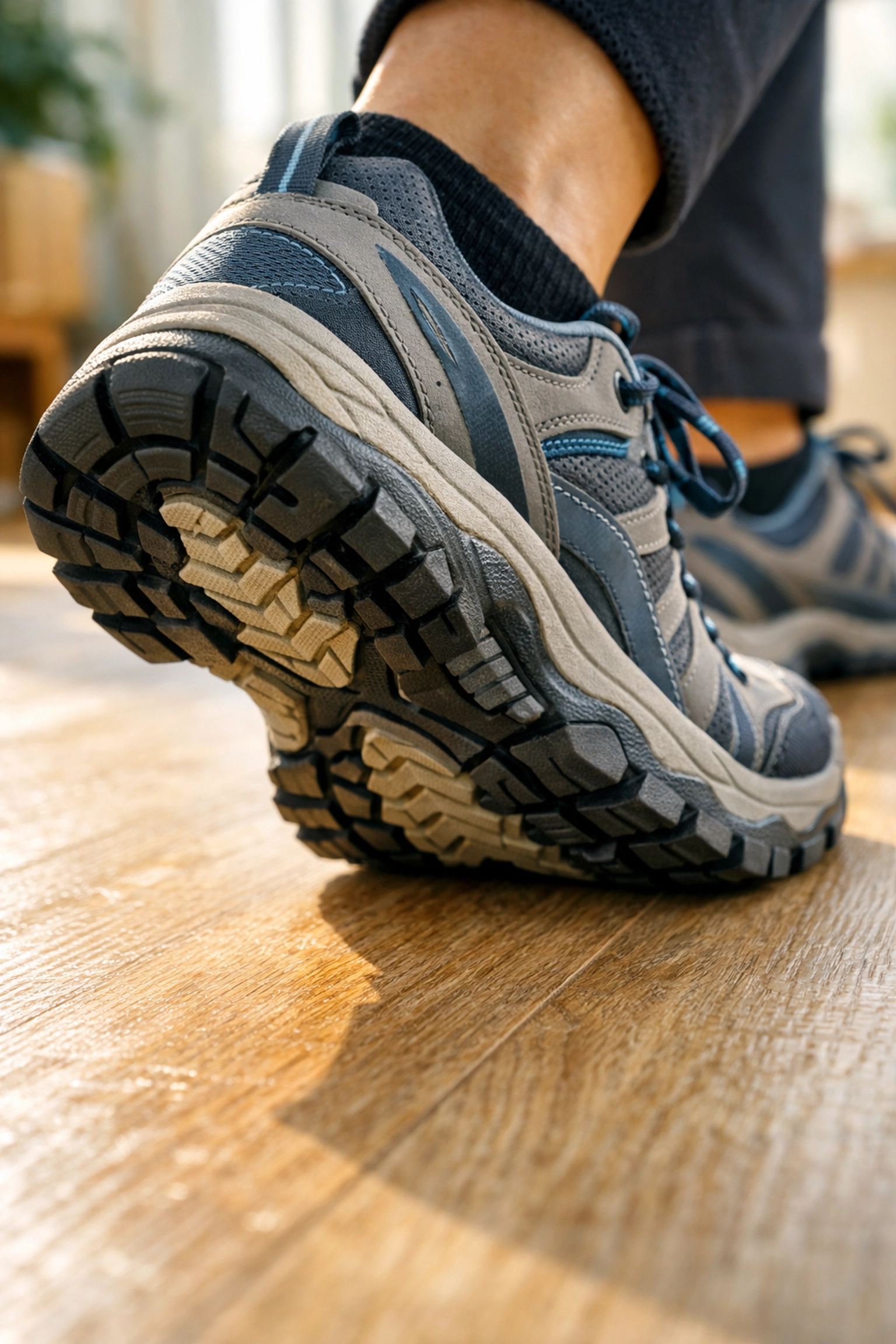
- Supportive Shoes: Look for shoes with firm soles and good arch support.
- The "Heel" Factor: Avoid high heels or shoes with very thick, "mushy" soles that make it hard to feel the ground.
- Indoor Footwear: Encourage the use of "house shoes" or slippers with rubberized, non-slip soles rather than going barefoot or wearing socks.
Step 5: The Psychological Aspect (The Fear of Falling)
There is a phenomenon called "Post-Fall Syndrome." When someone falls: or even just has a near-miss: they often become afraid of falling again. This fear leads them to move less. When they move less, their muscles weaken. When their muscles weaken, their risk of falling actually increases.
It’s a vicious cycle.
As a family member, your role is to be a source of encouragement. Instead of saying "Don't do that, you'll fall," try saying "Let’s do this together so we can keep your strength up." Focus on what they can do, and celebrate the small wins, like a successful walk to the mailbox.
Creating an Emergency Action Plan
Even with the best preparation, accidents can happen. Knowing what to do in the aftermath reduces panic and ensures a faster recovery.
- Communication Devices: Does your loved one carry a cell phone? Do they have a medical alert wearable? Ensure they have a way to call for help even if they can't reach a wall-mounted phone.
- The "Check-In" System: Set up a daily routine. A simple "good morning" text or a phone call at 6:00 PM provides peace of mind for everyone.
- Teach the "Safe Fall": If a fall is inevitable, it’s often safer to try to land on your side or buttocks rather than trying to break the fall with an outstretched arm (which often leads to wrist fractures).
- Learning to Get Up: Practice the "kneel and climb" method with a physical therapist. This involves rolling onto the stomach, getting into a crawling position, and using a sturdy piece of furniture to slowly pull oneself up.

A Reassuring Word for Caregivers
I know this feels like a lot. You might feel like you’re becoming a "safety warden" in your own home or your parent's home. It’s important to approach these changes as a partnership.
Instead of dictating changes, involve your loved one in the process. Ask them, "Which of these lights feels best for your eyes?" or "Where would a grab bar make you feel most secure?" When people feel like they are part of the solution, they are much more likely to follow through with the safety measures.
Fall prevention isn't about highlighting a person's limitations; it’s about honoring their independence. By making these adjustments, you aren't just preventing a broken bone: you’re preserving their quality of life, their confidence, and their ability to enjoy their home for years to come.
Take it one step at a time. Start with the lighting today. Maybe look at the rugs tomorrow. Every small change makes the roadmap a little clearer and the journey a lot safer. We're all in this together, and at Fall Guys Products, we're proud to be a part of your family's safety journey.

