
When we talk about fall prevention, the conversation usually starts with things like grab bars, non-slip mats, and clearing away clutter. While those are incredibly important pieces of the puzzle, there is a foundational element that often gets overlooked: what’s happening inside your body. Specifically, the health of your bones.
I’m Brian Kerr, and here at Fall Guys Products, we spend a lot of time thinking about how to keep people upright and independent. But we also know that if a fall does happen, the state of your bone health determines what happens next. Strong bones act as your body’s internal armor. Brittle bones, on the other hand, make even a minor stumble a potential life-changing event.
This guide is designed to give you a deep dive into bone health and how it integrates into a complete fall prevention strategy. We’re going to look at nutrition, exercise, medical screenings, and lifestyle choices that keep your "internal scaffolding" strong.
Why Bone Health is the Secret Weapon of Fall Prevention
Most people think of bone health and fall prevention as two separate categories. You might see a nutritionist for your bones and a physical therapist for your balance. In reality, they are two sides of the same coin.
As we age, our bone density naturally decreases. For many, this leads to osteoporosis: a condition where bones become porous and fragile. The danger here is twofold. First, weak bones can lead to "spontaneous fractures," where a bone actually breaks before a fall, causing the person to collapse. Second, if a fall occurs, healthy bones are much more likely to withstand the impact without a break.
Preventing a hip fracture isn't just about not falling; it’s about ensuring that if you do slip, your body is resilient enough to recover.
The Pillars of Bone Nutrition
You truly are what you eat when it comes to skeletal integrity. Your bones are living tissue that is constantly being broken down and rebuilt. To do that rebuilding, your body needs specific "bricks and mortar."
Calcium: The Building Block
Calcium is the most famous mineral for bones, and for good reason. About 99% of the calcium in your body is stored in your bones and teeth. If you don't get enough calcium from your diet, your body will actually "steal" it from your bones to use for other vital functions, like heart and muscle contraction.
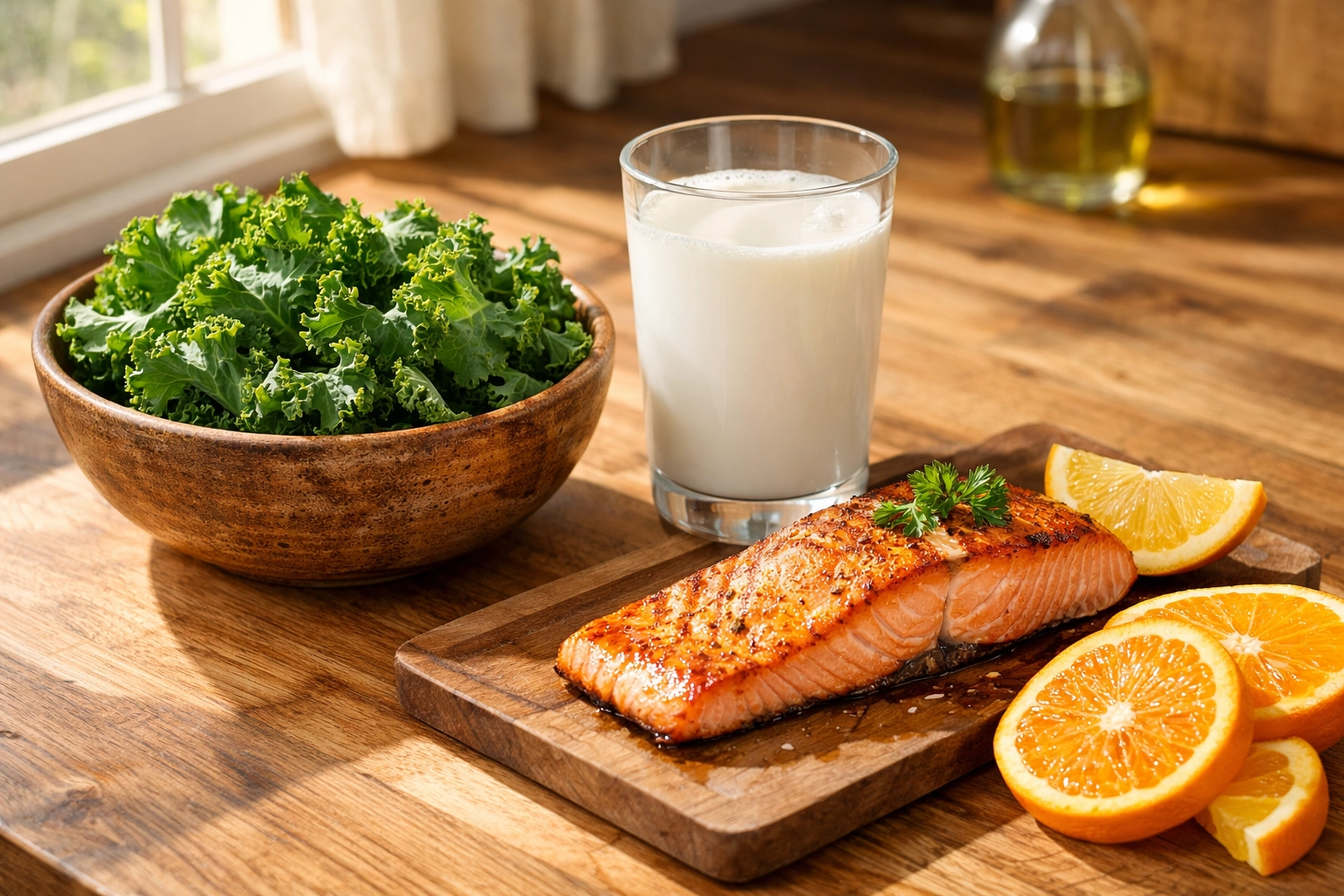
For adults over 50, the general recommendation is around 1,200 mg per day. You can find this in:
- Dairy products (milk, yogurt, cheese)
- Leafy green vegetables (kale, collard greens, bok choy)
- Fortified foods (cereals and orange juice)
- Sardines and salmon with bones
Vitamin D: The Key to the Lock
You could eat all the calcium in the world, but without Vitamin D, your body can’t absorb it. Think of Vitamin D as the key that opens the door to let calcium into your bloodstream.
Many seniors are deficient in Vitamin D because our skin becomes less efficient at producing it from sunlight as we age. It’s also found in very few foods naturally (mostly fatty fish). This is why many healthcare providers recommend a Vitamin D3 supplement.
Magnesium, Vitamin K, and Protein
While Calcium and Vitamin D get the spotlight, they don't work alone. Magnesium helps with bone structure, and Vitamin K helps bind calcium to the bone matrix. Furthermore, bones are about 50% protein by volume. Maintaining adequate protein intake is essential for bone mineral density and for keeping the muscles strong enough to support those bones.
Exercise: Putting Healthy Stress on the Skeleton
Bones follow a rule known as Wolff’s Law: bone will adapt to the loads under which it is placed. If you don’t use your bones, they become "lazy" and lose density. If you subject them to controlled, healthy stress, they become denser and stronger.
Weight-Bearing Exercises
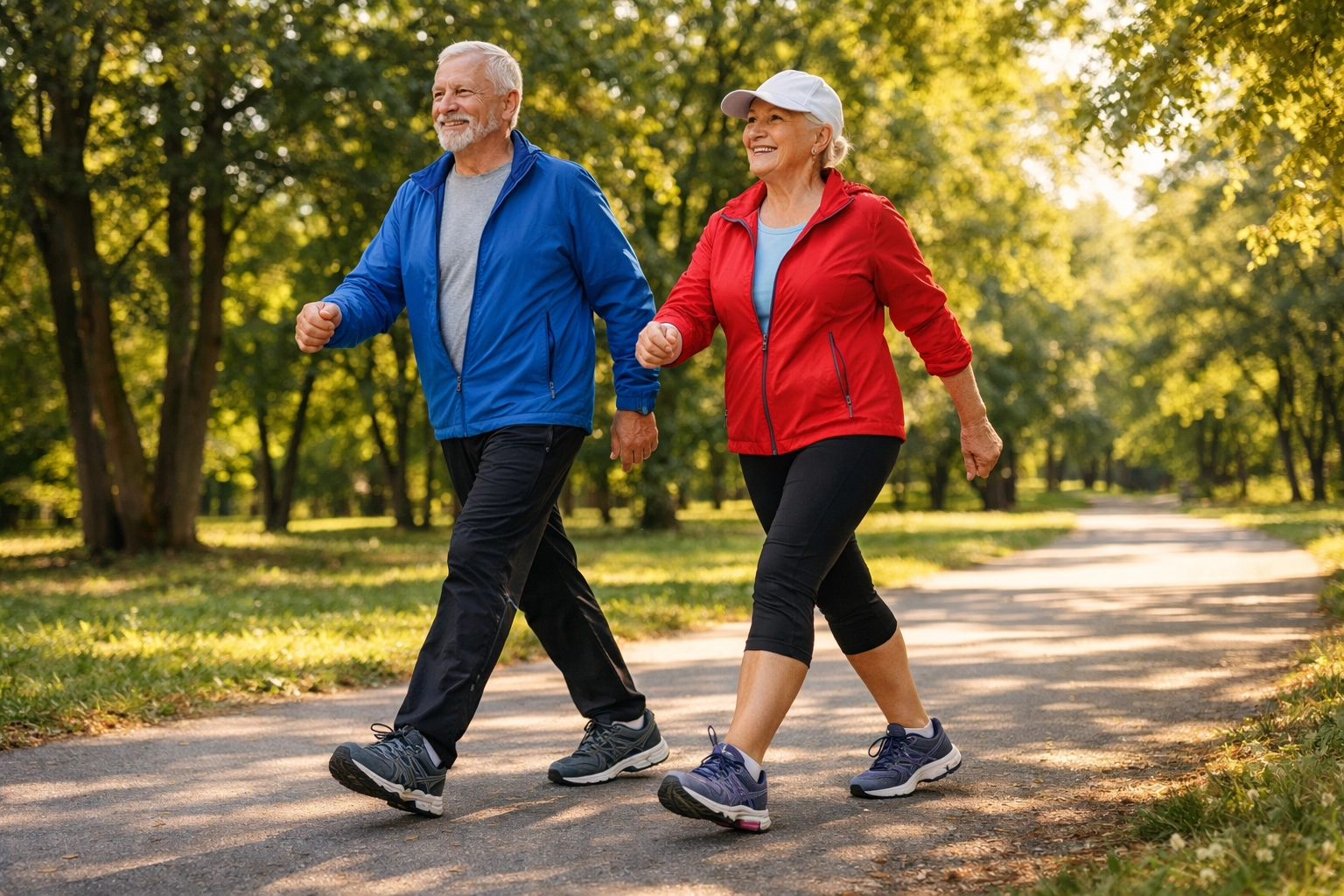
Weight-bearing exercises are activities that require you to move against gravity while staying upright. These are the gold standard for bone health.
- High-impact (if appropriate): Jogging, hiking, or dancing.
- Low-impact: Brisk walking, elliptical training, or low-impact aerobics.
Walking is perhaps the most accessible and effective way to maintain bone health while also improving the cardiovascular health needed to stay alert and avoid falls.
Resistance and Strength Training
Using weights, resistance bands, or your own body weight helps build muscle mass. Why does this matter for bones? When a muscle contracts, it pulls on the bone it’s attached to. This pulling action stimulates bone-building cells. Stronger muscles also improve your balance and "save" you from a fall when you lose your footing.
Balance and Flexibility
While Tai Chi and Yoga may not "stress" the bone as much as weightlifting, they are critical for fall prevention. They improve proprioception: your body’s ability to sense its position in space. A person with high bone density who never falls is much safer than a person with high bone density who falls weekly.
Medical Screenings: Knowing Your Numbers
You can’t feel your bones getting weaker. Osteoporosis is often called a "silent disease" because the first symptom is usually a broken bone. This is why medical screenings are a non-negotiable part of a fall prevention plan.
The DEXA Scan
A Dual-Energy X-ray Absorptiometry (DEXA) scan is a quick, painless imaging test that measures bone mineral density (BMD). It compares your bone density to that of a healthy young adult. The resulting "T-score" tells you where you stand:
- -1.0 or higher: Normal bone density.
- -1.0 to -2.5: Osteopenia (low bone mass, a warning sign).
- -2.5 or lower: Osteoporosis.
Knowing your T-score allows you and your doctor to decide if lifestyle changes are enough or if medication is necessary to help prevent further bone loss.
Medication Reviews
It’s important to talk to your doctor about how your current medications might affect your bones or your balance. Some medications (like long-term steroid use) can thin the bones. Others might cause dizziness or drowsiness, which directly increases fall risk. Always ask: "Does this medication affect my bone density or my stability?"
Lifestyle Factors: The Do's and Don'ts
Beyond what you eat and how you move, your daily habits play a massive role in skeletal health.
The Impact of Smoking and Alcohol
Smoking is essentially toxic to bone cells. It reduces the blood supply to bones and slows the production of bone-forming cells. Similarly, chronic heavy drinking interferes with the balance of calcium in the body and affects the hormones that protect bones. Limiting alcohol also ensures your balance isn't compromised during the day or evening.
Sleep and Bone Regeneration
Bone remodeling happens while you sleep. Chronic sleep deprivation can interfere with this process. Furthermore, being fatigued makes you much less likely to notice a tripping hazard or react quickly to a slip.
Footwear: The Foundation of Stability
We often focus on the bones in the hips and spine, but the 26 bones in each foot are your primary contact point with the world. If your feet aren't supported, your balance suffers, and your risk of a fall skyrockets.
Proper footwear for bone health and fall prevention should have:
- Firm, non-skid soles: To prevent slipping on smooth surfaces.
- Low heels: High heels shift your center of gravity forward, making you unstable and putting odd pressure on your foot bones.
- Supportive backs: Avoid "floppy" slippers or backless shoes that can slip off easily.
- A snug fit: Shoes that are too loose can cause you to shuffle, which is a major tripping hazard.
Creating a Fall-Safe Environment
Even with the strongest bones in the world, a safe home environment is essential. Bone health is your "internal" safety measure; home modification is your "external" one.
- Lighting: Ensure hallways and stairwells are brightly lit. Your eyes and brain need clear data to keep your body balanced.
- Obstacles: Remove throw rugs (the #1 enemy of fall prevention) and clear away electrical cords.
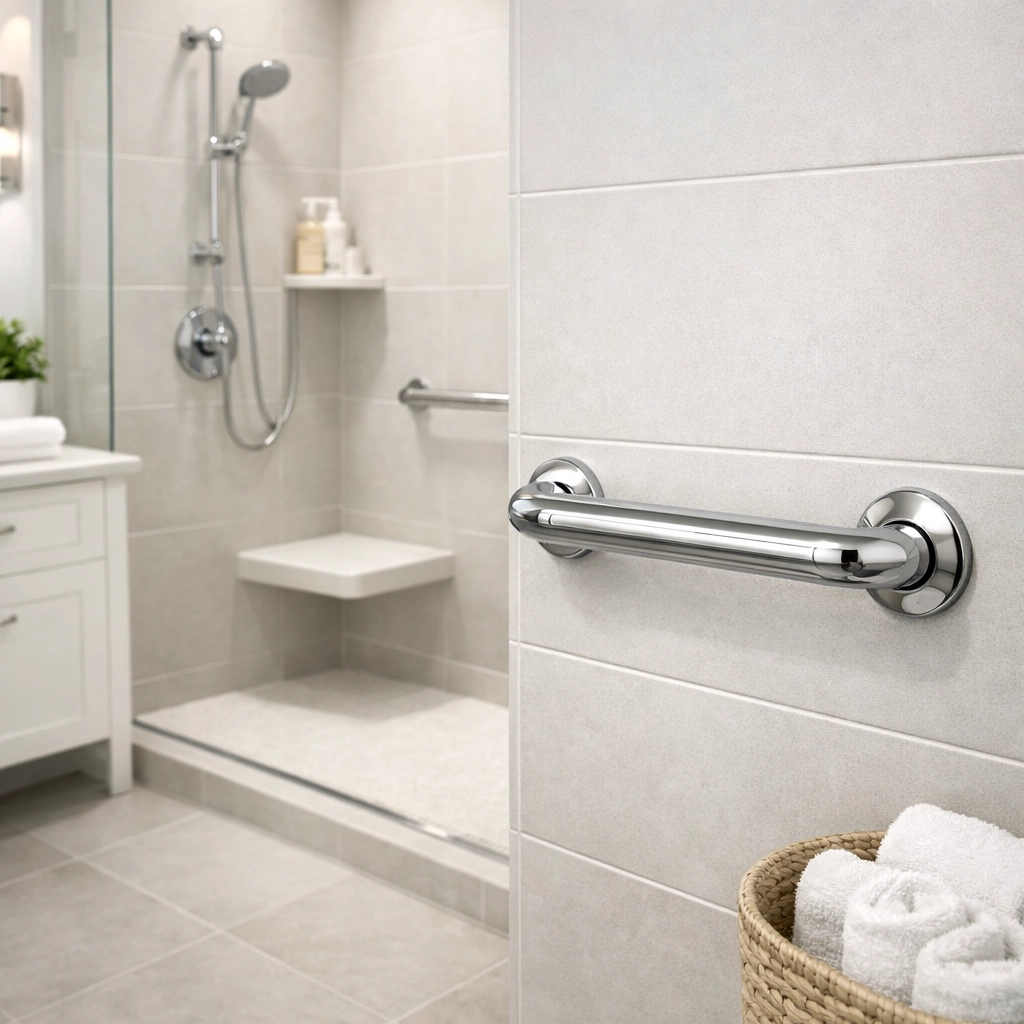
- Support: Install grab bars in the bathroom and ensure stair railings are sturdy on both sides.
- Accessibility: Keep frequently used items at waist level so you aren't reaching high or bending low, which can cause dizziness or loss of balance.
The Psychological Component: Confidence Matters
There is a phenomenon known as "Fear of Falling" (FOF). When people realize their bones might be fragile or after they experience a near-miss fall, they often become very afraid. This fear leads them to move less. As we’ve discussed, moving less leads to weaker muscles and lower bone density.
This creates a vicious cycle: Fear -> Inactivity -> Weakness -> Higher Fall Risk -> More Fear.
Breaking this cycle requires a proactive approach. By focusing on bone health: improving nutrition and doing safe, supervised exercises: you can regain confidence. When you know your body is strong, you move more naturally and safely.
Summary: Your Checklist for Success
To truly succeed in fall prevention through bone health, consider this your roadmap:
- Consult your doctor: Get a DEXA scan and review your medications.
- Prioritize Calcium and Vitamin D: Aim for 1,200 mg of calcium and check your D levels.
- Move every day: Focus on weight-bearing activities like walking and strength training.
- Check your shoes: Ditch the slippers for supportive, non-slip footwear.
- Safety-proof your home: Remove hazards and add light.
- Stay hydrated and rested: Give your body the resources it needs to maintain bone tissue.
Bone health isn't something that happens overnight. It’s the result of small, consistent choices made every day. By treating your skeleton with the respect it deserves, you aren't just preventing a break; you’re investing in years of continued movement, adventure, and independence.
Remember, it’s never too late to start focusing on your bones. Whether you’re 55 or 85, your body is capable of improvement. Stay safe, stay strong, and keep moving.

