
Gardening is one of life’s greatest simple pleasures. There is something deeply rewarding about getting your hands in the dirt, watching a seedling grow, and enjoying the fresh air. For many of us, the garden is a sanctuary: a place for quiet reflection and physical activity. However, as we get older, the very environment that brings us peace can also present a few challenges to our balance and stability.
Uneven ground, stray garden hoses, and slippery patches of moss are just a few of the things that can turn a relaxing afternoon into a risky situation. But here is the good news: you don't have to give up your green thumb. With a few thoughtful adjustments and a proactive approach to safety, you can keep your garden a safe, accessible place for years to come.
At Fall Guys Products, we believe that staying active is one of the best ways to prevent falls, and gardening is a fantastic way to do just that. Here are 20 in-depth tips to help you secure your outdoor space and keep you doing what you love.
The Foundation: Pathways and Walkways
The paths we walk on are the most critical part of garden safety. If the ground beneath your feet isn't stable, everything else becomes a secondary concern.
1. Maintain Level Surfaces
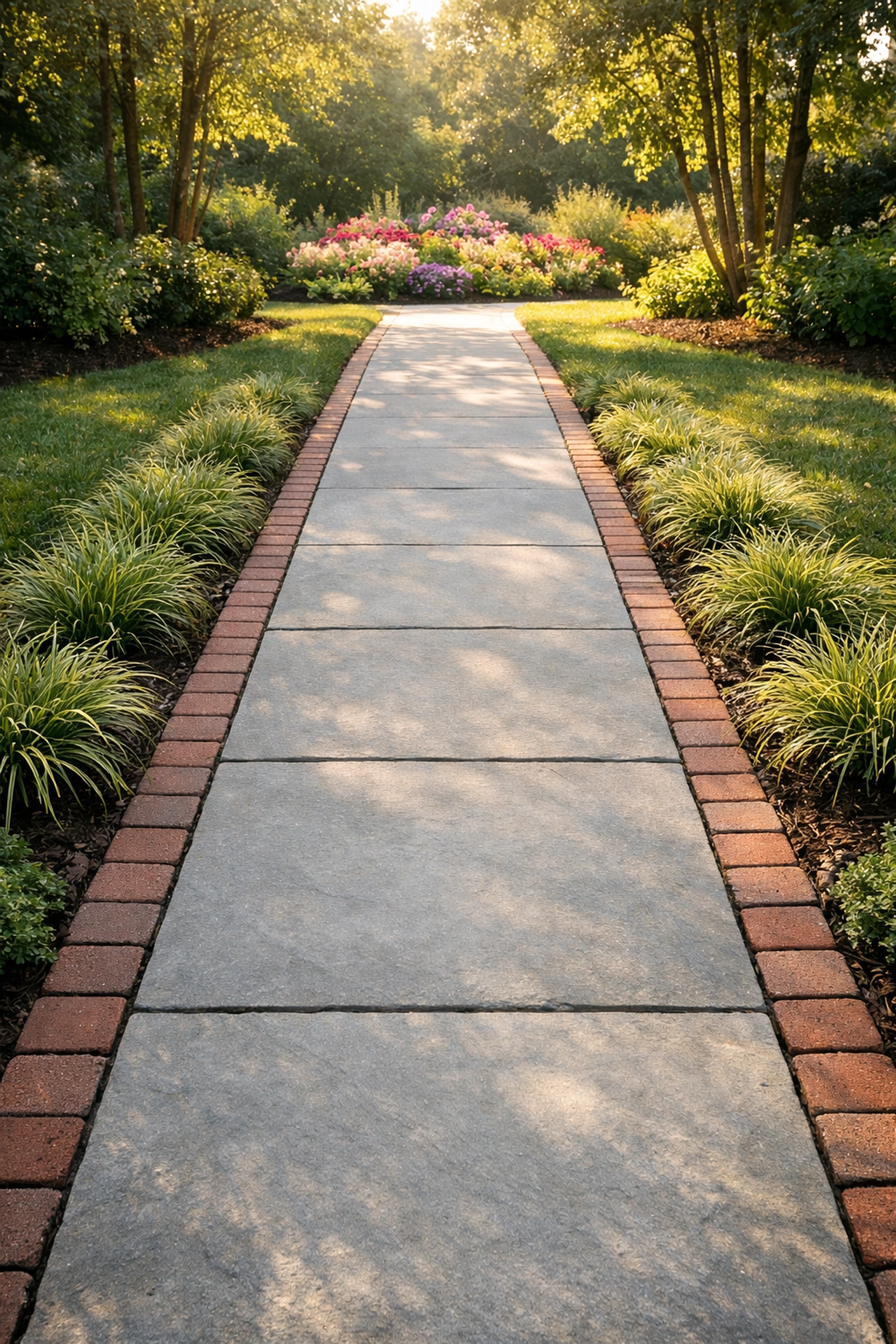
Over time, the earth moves. Tree roots grow, soil settles, and pavers can shift. It is important to regularly inspect your walkways for any "lipping": where one paver sits higher than the one next to it. Even a half-inch difference can be enough to catch a toe. Use a straight edge or a level to check for these spots and reset any wobbly stones with sand or crushed rock to ensure they are flush.
2. Choose Firm, Compacted Materials
While loose gravel or deep mulch might look beautiful, they act like "marbles" under your feet, making it difficult to maintain balance. If you prefer a natural look, use decomposed granite or heavily compacted "breeze" that creates a firm, crust-like surface. This provides the stability of a hard path with the drainage of a natural one.
3. Ensure Adequate Path Width
A narrow path forces you to walk in a "tightrope" fashion, which is naturally less stable. Aim for pathways that are at least 36 inches wide. This width allows you to maintain a natural gait and provides enough room for a walker or a wheelchair if needed. It also ensures you aren't brushing against thorny bushes that might cause you to flinch and lose your balance.
4. Install Garden Edging
Edging serves a dual purpose. First, it keeps loose materials like mulch or decorative stones from spilling onto your walking path. Second, it provides a visual boundary. Having a clear, raised edge helps your brain "map" the safe walking area more effectively, reducing the chance of stepping off into soft soil.
Shedding Light on Outdoor Safety
Visibility is a major factor in fall prevention. Many falls happen during the "golden hour" of dusk when shadows are long and depth perception is trickier.
5. Prioritize Adequate Outdoor Lighting
Don’t rely on a single porch light to illuminate the whole yard. Install solar or low-voltage LED lights along the edges of every path. Focus specifically on "transition zones": anywhere the path turns, enters a gate, or changes material.
6. Mark Surface Transitions Clearly
If you have a spot where a concrete patio meets a grass lawn, the change in texture can be jarring. Use contrasting colors to mark these changes. For example, a bright white stone border next to a dark lawn makes it obvious where the solid footing ends.
7. Manage Glare
While we want things bright, very pale concrete or shiny tiles can create a blinding glare in the midday sun. This glare can temporarily "wash out" your vision, making it hard to see obstacles. If you are installing new surfaces, choose mid-tone colors and matte finishes that absorb light rather than reflecting it.
Removing Hazards and Obstacles
A tidy garden is a safe garden. Most outdoor falls are caused by "transient hazards": things that aren't usually there but were left out "just for a minute."
8. Manage Your Hoses
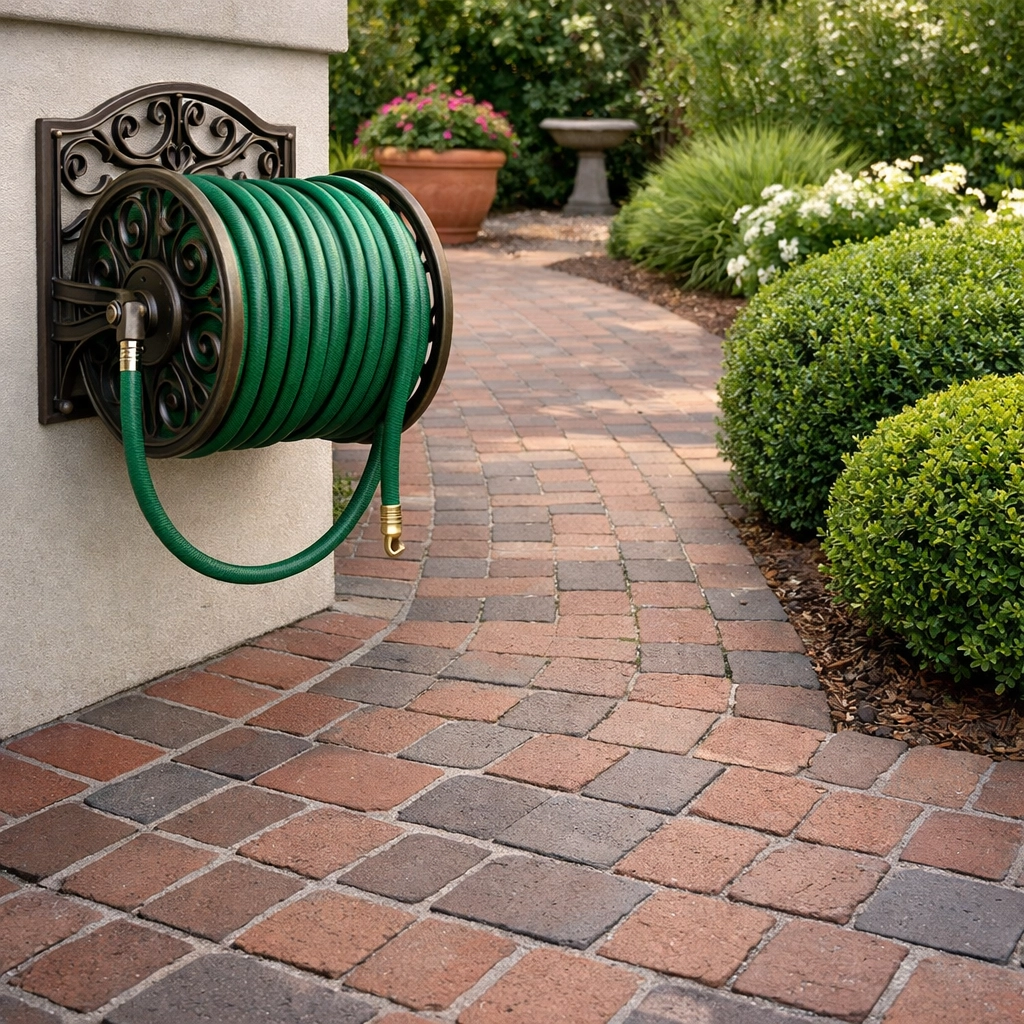
Garden hoses are the number one trip hazard in most yards. They are heavy, they coil unpredictably, and they are often the same color as the grass. Always use a hose reel: preferably one that is wall-mounted or has a crank: to ensure the hose is completely put away after every use. Never leave a hose stretched across a path.
9. Create a "Home" for Every Tool
It’s tempting to leave a rake or a shovel leaning against a tree while you go inside for a glass of water. However, if you get distracted, that tool becomes a major hazard. Establish a rule: if it’s not in your hand, it’s in the shed or in a designated tool bucket.
10. Clear Encroaching Vegetation
Plants grow faster than we realize. A vine that was six inches from the path last week might be trailing across it today. Regularly prune back any "trippers": low-growing plants that tend to creep over the edges of your walkways. Keep the air space around your feet clear.
11. Eliminate Moss and Algae
In damp or shaded areas, moss and algae can grow on stones and concrete. When wet, these areas become as slick as ice. Use a pressure washer or a safe outdoor cleaner to remove organic growth as soon as it appears. Increasing the sunlight to these areas by pruning overhanging branches can also help keep the ground dry and slip-free.
Structural Support in the Landscape
Sometimes, the garden needs a little extra hardware to help us navigate it safely.
12. Install Continuous Handrails
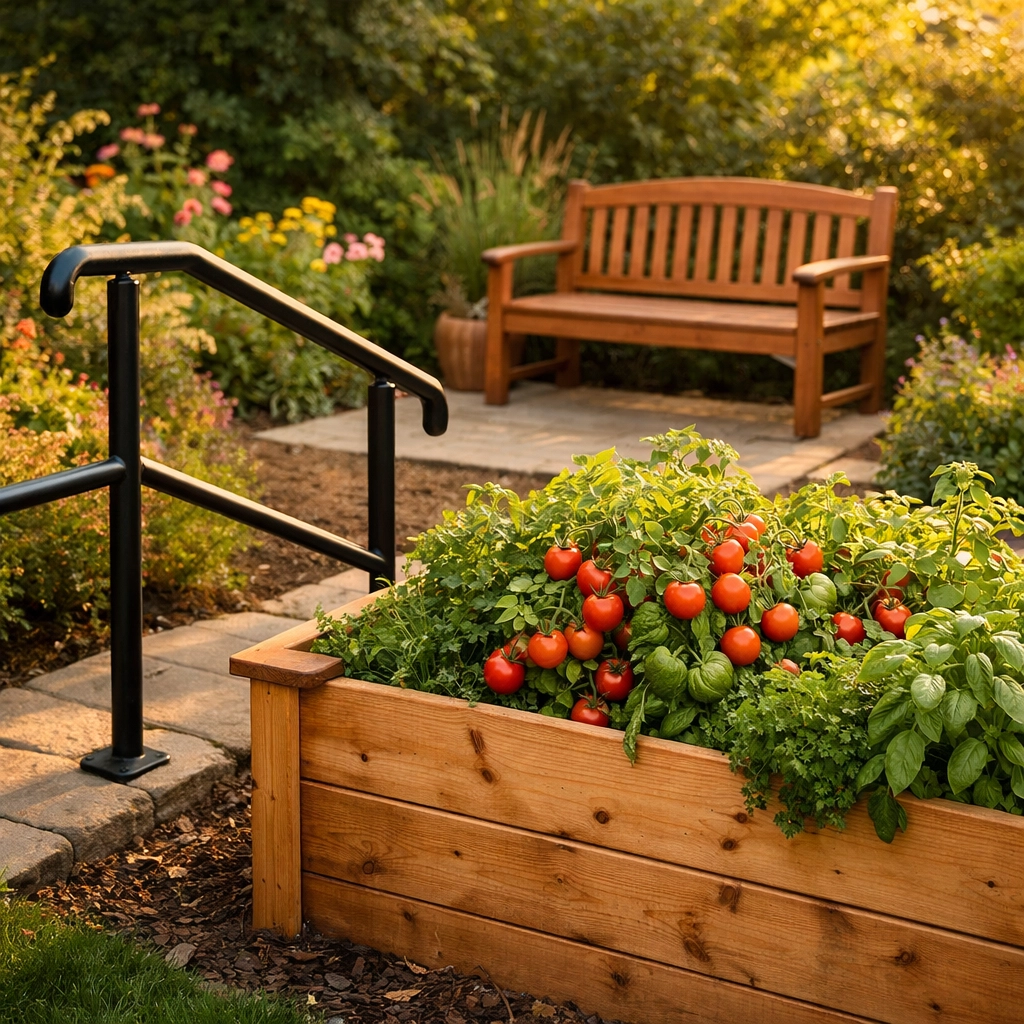
If your garden has any incline or stairs, a handrail isn't just a suggestion: it's a necessity. Unlike indoor rails, outdoor rails should be made of materials that don't get too hot in the sun or too slippery when wet. Ensure the rail extends a few inches past the top and bottom of the slope so you have a firm grip before you begin the transition.
13. Add Seating Waypoints
Fatigue is a silent contributor to falls. When we get tired, our lift height decreases, and we are more likely to stumble. Place stable benches or chairs at regular intervals throughout the garden. Knowing there is a place to rest "just a few feet away" encourages you to take breaks before you become overly exhausted.
14. Use Raised Garden Beds
The most dangerous movement in gardening is the "deep bend" or kneeling down and then trying to stand back up. By using raised garden beds: ideally 18 to 24 inches high: you bring the work to you. This allows you to garden while standing or sitting on a stable stool, keeping your center of gravity higher and more stable.
15. Check Drainage Regularly
Pooling water is a hazard, and it also damages your pathways over time. Ensure your yard is graded so that water flows away from walking areas. If you have a low spot that always stays muddy, consider installing a French drain or filling it with large, stable river rocks that aren't meant to be walked on.
Personal Precautions and Habits
Safety isn't just about the environment; it’s also about how we move within it.
16. Wear Sturdy, Slip-Resistant Footwear
Flip-flops and loose clogs are common garden wear, but they offer zero lateral support. When walking on uneven dirt, you need a shoe that secures your heel and has a tread designed for grip. Look for "outdoor" or "trail" walking shoes that provide a firm base.
17. Utilize the "Buddy System" or Communication
Whenever possible, garden when someone else is home. If you live alone, carry a mobile phone in a dedicated pocket (not a loose bag) or wear a personal alert system. If you do have a minor slip, being able to call for help immediately prevents a bad situation from getting worse.
18. Dress for the Elements
Overheating and dehydration can lead to dizziness, which is a primary cause of falls. Wear a wide-brimmed hat to keep the sun off your face and neck, and wear breathable, light-colored clothing. If you feel even slightly "lightheaded," it is time to go inside.
19. Pace Your Activity
We often try to do "one last thing" before heading in. That "one last thing" is usually when accidents happen because we are rushing and tired. Set a timer on your watch for 20 or 30 minutes. When it goes off, take a five-minute seated break and drink some water.
20. Optimize Your Reach
Avoid overreaching for a weed or a branch. If you have to lean significantly to reach something, your balance is compromised. Use long-handled tools or "reachers" to extend your range, or simply move your body closer to the task.
A Note on Post-Fall Confidence
Even with the best precautions, accidents can happen. If you do experience a fall in the garden, take your time getting up. Check for pain or injury before moving, and if you feel okay, use a sturdy object like a bench or a heavy planter to assist yourself back to a standing position.
The goal of these 20 tips isn't to make you afraid of your garden: it’s to empower you. By taking the time to level your paths, improve your lighting, and manage your tools, you are investing in your own independence. A safe garden is a place where you can continue to find joy, exercise, and connection with nature for many years to come.
Take it one step at a time. Maybe this weekend you check the lighting, and next weekend you clear the hoses. Small changes lead to big results in fall prevention. Happy gardening!

