
When we talk about aging gracefully, we often focus on things like nutrition, brain games, or staying social. But there is one factor that impacts independence more than almost anything else: staying on your feet.
I’m Brian Kerr, and here at Fall Guys Products, we spend a lot of time thinking about how to keep people moving safely. Falls are often viewed as an inevitable part of getting older, but that is a misconception I want to clear up right now. Falls are not a "normal" part of aging. Most falls are preventable through a combination of lifestyle changes, home modifications, and a bit of proactive planning.
According to the data, more than one in four people aged 65 and older fall each year. While that number sounds high, the encouraging news is that when we implement proven strategies, we can significantly reduce that risk. This guide is designed to be your comprehensive resource for understanding those strategies, whether you are looking out for yourself or caring for a loved one.
Understanding Why Falls Happen
To prevent a fall, we first have to understand the "why." Usually, a fall isn't caused by just one thing. It’s typically a combination of physical factors, medical conditions, and environmental hazards.
Physical factors might include decreased muscle strength, especially in the legs, or issues with balance. As we age, our reaction time naturally slows down. If you trip on a rug at age 20, your brain and muscles coordinate a "save" before you even realize what happened. At 75, that "save" might be just a half-second too slow.
Medical factors play a role too. Vision changes make it harder to see changes in floor height or a stray pet. Hearing loss can actually affect balance, as the inner ear is vital for stability. Even certain medications can cause dizziness or dehydration, which leads to lightheadedness when standing up.
Finally, there is the environment. Most falls happen in the home: the place where we should feel the safest. Dim lighting, cluttered hallways, and slippery bathroom floors are the silent culprits behind many hospital visits.
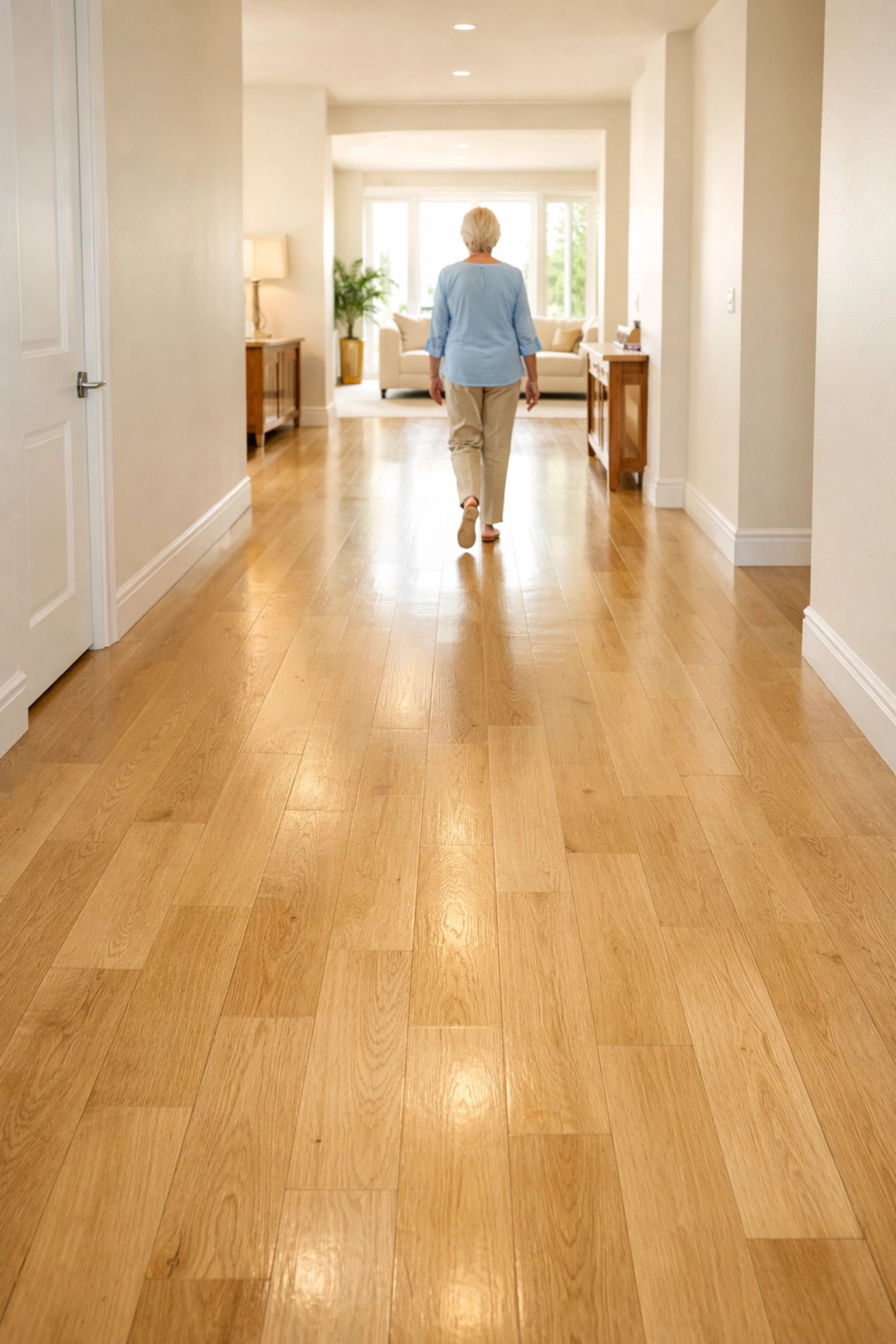
Step 1: Building a Strong Foundation (Physical Activity)
One of the best ways to prevent a fall is to make the body more resilient. You don’t need to be an elite athlete to see results, but consistency is key. Research shows that older adults who engage in balance and strength training at least three times a week for at least 12 weeks start to see a significant drop in their fall risk.
Balance Training
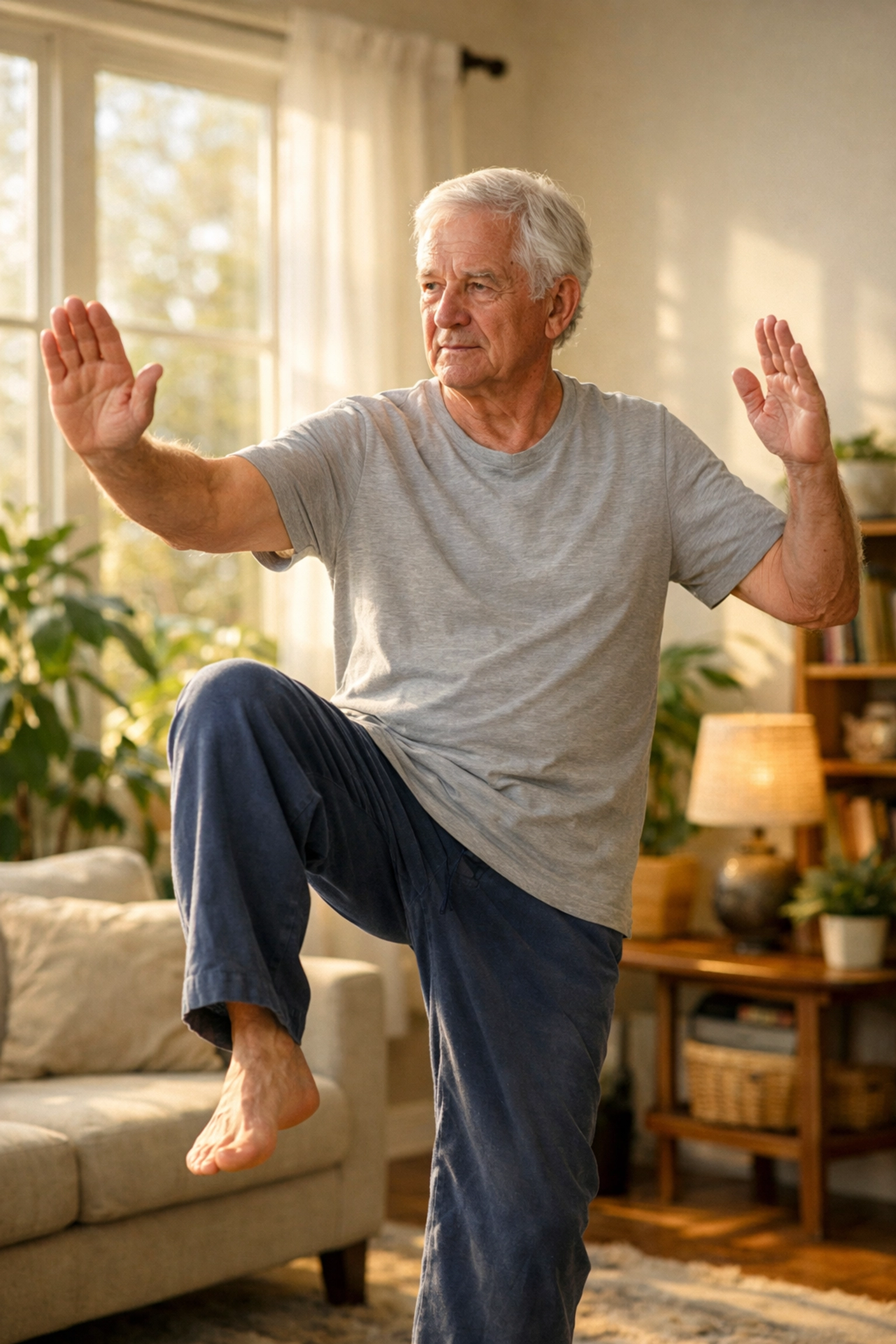
Tai Chi is often cited by health professionals as the "gold standard" for fall prevention. It focuses on slow, controlled movements and shifting weight from one leg to the other. This builds "proprioception": your body's ability to sense its position in space. Yoga and Pilates are also excellent for core strength and stability.
Strength Training
Leg strength is your primary defense against a fall. If your legs are strong, you can better navigate stairs and push yourself up from a chair without losing balance. Resistance bands or light weights are great, but even bodyweight exercises like "sit-to-stands" (repeatedly sitting in a chair and standing back up without using your arms) can make a huge difference.
Flexibility
Stiff joints can change the way you walk, leading to a "shuffling" gait. Shuffling makes it much easier to trip over the edge of a rug or a door threshold. Regular stretching helps maintain a natural walking stride.
Step 2: The Medical Check-In
Your healthcare provider is a vital partner in fall prevention. If you or a loved one has fallen: even if no injury occurred: it’s worth a conversation with a doctor.
Medication Reviews
Some medications, or combinations of them, can cause side effects like drowsiness or a drop in blood pressure when you stand up (orthostatic hypotension). Ask your doctor or pharmacist to review all prescriptions and over-the-counter supplements. They might be able to adjust dosages or timing to keep you more alert and steady.
Vision and Hearing
We rely on our eyes to tell us where the floor is and our ears to help our brain maintain balance. Ensure vision prescriptions are up to date. Bifocals can sometimes be tricky when navigating stairs because they can distort depth perception; some people find having a dedicated pair of single-vision glasses for walking outside or on stairs is safer.
Foot Health
Painful feet or overgrown toenails can change how you step. Furthermore, conditions like neuropathy (numbness) can make it hard to feel where your feet are touching the ground. Regular visits to a podiatrist can ensure that foot health isn't contributing to instability.
Step 3: A Room-by-Room Home Safety Audit
Since most falls happen at home, doing a "walk-through" is one of the most effective things a caregiver can do. Let’s look at the house through a safety lens.
The Living Room and Hallways
- Clear the Clutter: Pathways should be wide and free of stacks of magazines, shoes, or electrical cords.
- The "Throw Rug" Rule: Personally, I recommend removing throw rugs entirely. If they must stay, they need to be secured with heavy-duty double-sided tape or a non-slip backing.
- Lighting: Are the light switches easy to reach? Consider motion-activated lights for hallways so no one has to fumble for a switch in the dark.
The Kitchen
- Organization: Move frequently used items (the coffee pot, favorite pans, heavy plates) to waist-high counters or lower shelves. No one should be reaching for high cabinets or using step stools if they have balance concerns.
- Spills: Keep a mop or paper towels handy to clean up spills immediately. A wet tile floor is essentially an ice rink.
The Bedroom
- Bed Height: The bed should be at a height where the person's feet can touch the floor flat while sitting on the edge.
- Nightlights: A clear, well-lit path from the bed to the bathroom is essential. Plug-in LED nightlights that stay on all night are a simple, cheap fix.
- Support: Having a sturdy piece of furniture or a bed rail to hold onto while getting in and out of bed provides that extra bit of confidence during those middle-of-the-night bathroom trips.
The Bathroom
The bathroom is statistically the most dangerous room in the house due to hard, wet surfaces.
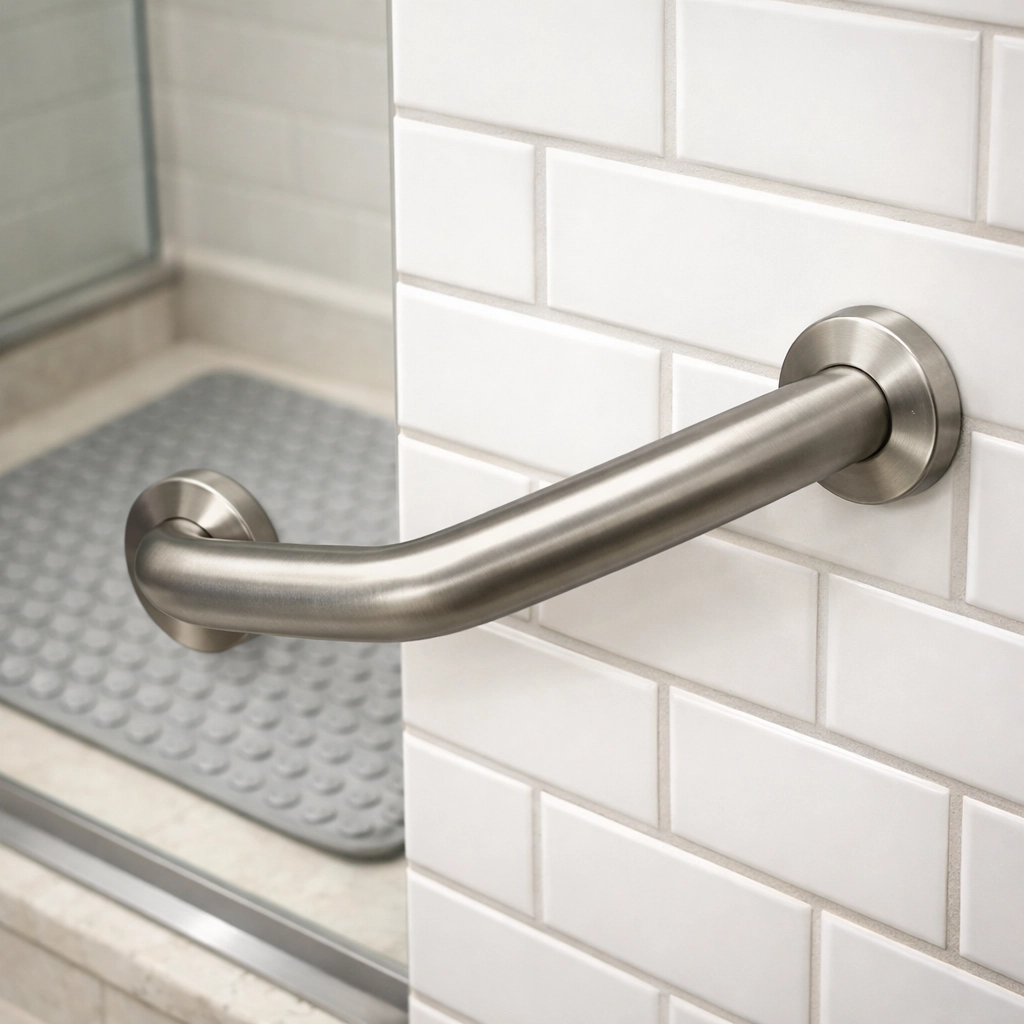
- Grab Bars: Towel racks are not grab bars. They are not designed to hold a person's weight. Install professional-grade grab bars near the toilet and inside the shower.
- Non-Slip Surfaces: Use non-slip mats inside the tub and "tacky" bath mats on the floor outside the tub.
- Raised Toilet Seats: For those with limited leg strength, sitting down and standing up from a low toilet can be a major struggle. A raised seat can minimize that effort.

Step 4: Daily Habits and Lifestyle
Sometimes, prevention is just about slowing down. We live in a hurried world, but rushing is a major cause of accidents.
Footwear Matters
It’s tempting to walk around in socks or floppy slippers, but these offer zero support and very little grip. The safest footwear is a sturdy, well-fitting shoe with a thin, non-slip rubber sole. Even inside the house, a dedicated "indoor shoe" is much safer than going barefoot or wearing socks on hardwood or tile.
Stay Hydrated
Dehydration can lead to confusion and dizziness. Ensure your loved one is drinking enough water throughout the day. Similarly, limiting alcohol is important, as it affects both balance and judgment.
Be Weather Aware
If you live in a climate with ice or rain, the risk moves outdoors. Use sand or salt on walkways immediately. If the weather is truly bad, it’s okay to stay inside. Many grocery stores and pharmacies now offer delivery, which is a fantastic safety resource for seniors during the winter months.
Step 5: Using Mobility Aids Correctly
There is often a stigma around using a cane, a walker, or a stability pole. I like to reframe this: these tools aren't "signs of aging"; they are "tools for independence."
Using a mobility aid allows a person to go places they might otherwise avoid. However, they only work if they are fitted correctly. A cane that is too tall will cause shoulder pain; one that is too short will cause a person to lean over and lose balance.
If a doctor or physical therapist recommends an aid, get it professionally fitted. And more importantly: use it! Many falls happen because someone thought, "I'm just going to the kitchen, I don't need my walker for that short trip." It’s those short trips where we let our guard down.
What to Do If a Fall Occurs
Even with the best preparation, accidents can happen. Knowing how to react can prevent a bad situation from becoming worse.
- Don't Panic: If you fall, stay still for a moment. Take deep breaths. Check yourself for pain or injury before trying to move.
- The "Roll and Crawl" Method: If you aren't badly hurt, roll onto your side, then get onto your hands and knees. Crawl to the nearest sturdy piece of furniture (like a heavy chair or the bed).
- Rise Slowly: Put your hands on the furniture, put your strongest foot flat on the floor, and slowly push yourself up. Turn and sit on the furniture to catch your breath.
- Get Help: If you can't get up, try to crawl to a phone or use a medical alert device. If you're a caregiver finding someone who has fallen, don't try to lift them yourself unless you are trained to do so, as you might injure both of you. Call for help and keep them warm and comfortable until assistance arrives.
A Reassuring Path Forward
Fall prevention is a journey, not a one-time task. It’s about making small, manageable changes that add up to a much safer environment. It starts with a conversation: maybe with a doctor, or maybe just a family meeting to talk about moving a few rugs and adding better light bulbs.
By focusing on strength, keeping the home clear, and staying on top of medical health, we can protect the independence of the people we love. We want our seniors to move through the world with confidence, knowing they have the support and the environment they need to stay upright and active.
Stay safe out there. It’s not about limiting where you go; it’s about making sure you can keep going for years to come.

