
Hi, I’m Brian Kerr, the founder of Fall Guys Products. If you are reading this, you are likely looking for ways to keep a parent, a spouse, or perhaps yourself a bit safer at home. I get it. The topic of "fall prevention" can feel a little heavy, maybe even a bit overwhelming. But I want to start by saying that falling is not a "normal" part of aging. It is a manageable risk.
When we talk about fall safety, we aren't just talking about preventing bruises; we are talking about preserving independence. We want our loved ones to stay in the homes they love, doing the things they enjoy, for as long as possible.
This guide is designed to take the guesswork out of the process. We have broken it down into five clear, manageable steps that any family can follow. You don't need a medical degree to make a huge difference in someone's safety, you just need a plan.
Step 1: Start the Conversation (Screening for Risk)
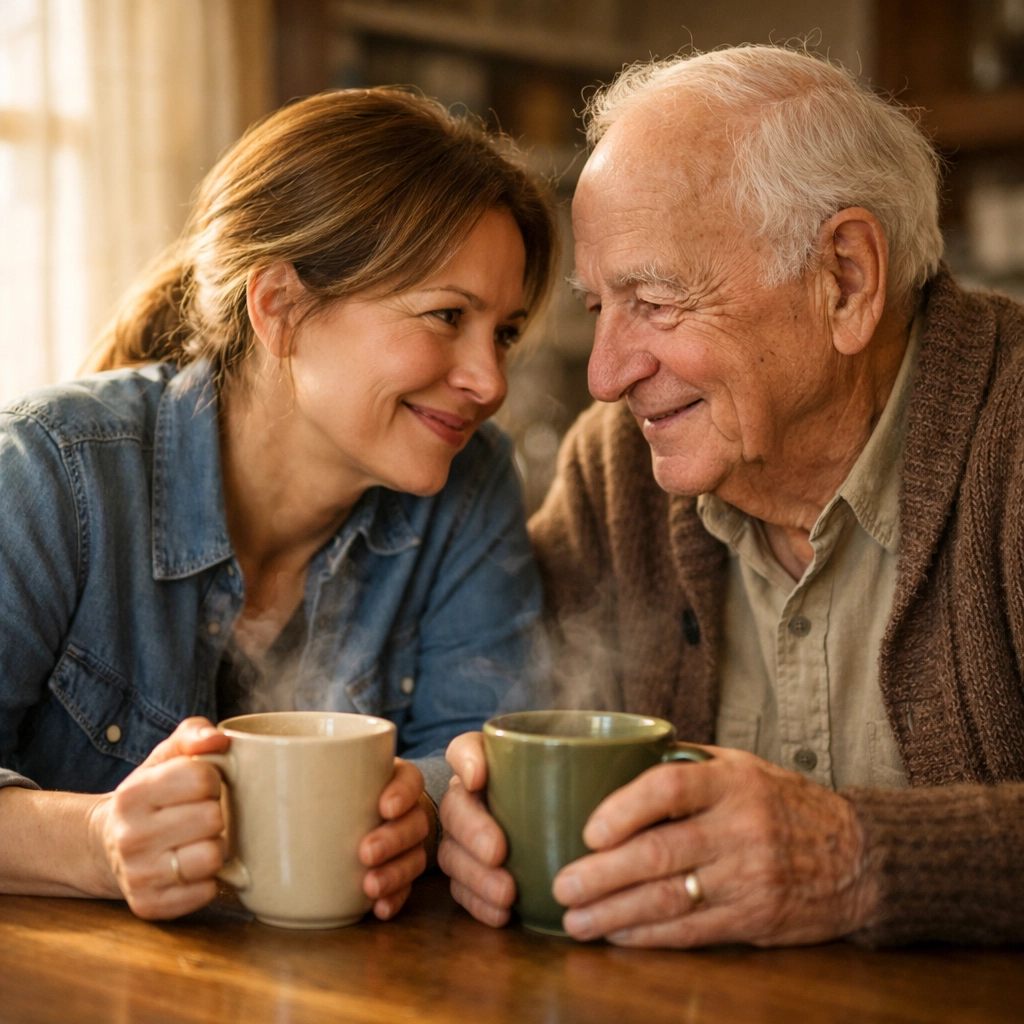
The first step doesn’t require a toolbox or a doctor’s appointment; it just requires a conversation. Sometimes, the hardest part of fall prevention is getting our loved ones to admit they feel a bit unsteady. There can be a lot of pride involved, and no one wants to feel like they are losing their autonomy.
Medical professionals often use three simple questions to screen for fall risk. You can ask these during a casual Sunday dinner or while having a cup of coffee:
- Do you feel unsteady when standing or walking? This isn't just about falling; it’s about that "wobble" or the need to touch furniture while moving across a room.
- Have you fallen in the past year? Even a "small" trip counts. If they have fallen once, the statistical likelihood of falling again increases significantly.
- Are you worried about falling? Interestingly, the fear of falling can be just as dangerous as a physical balance issue. When people are afraid, they tend to move less, which leads to weaker muscles and, ironically, a higher risk of falling.
If the answer to any of these is "yes," it’s time to move to a more thorough assessment. There is also a helpful tool called the "Stay Independent" questionnaire. It’s a 12-question check-list that covers everything from medication to bathroom safety. A score of 4 or higher usually indicates that it’s time to consult with a professional.
Step 2: Assess Medical and Physical Factors
Once you’ve identified that there might be a risk, it’s time to look at the "why." Falls are rarely caused by just one thing. Usually, it’s a combination of physical health and environmental factors.
Gait, Strength, and Balance
How we move changes as we age. You can do a simple check at home called the 30-Second Chair Stand. Have your loved one sit in a sturdy chair with their arms crossed over their chest. See how many times they can stand up and sit back down in 30 seconds. This is a great indicator of lower-body strength. Another one is the Four Stage Balance Test, where you check balance in four different standing positions, ranging from feet together to standing on one foot.
Medication Review
This is a big one. Many medications, especially those for blood pressure, sleep, or anxiety, can cause dizziness or "brain fog." Some medications also interact with each other in ways that increase fall risk. It’s worth taking a full list of all prescriptions and over-the-counter supplements to a pharmacist or doctor for a "brown bag" review.
Vision and Feet
If you can’t see a hazard, you can’t avoid it. Annual eye exams are a must. Sometimes, something as simple as a new pair of glasses or cleaning up cataracts can change everything.
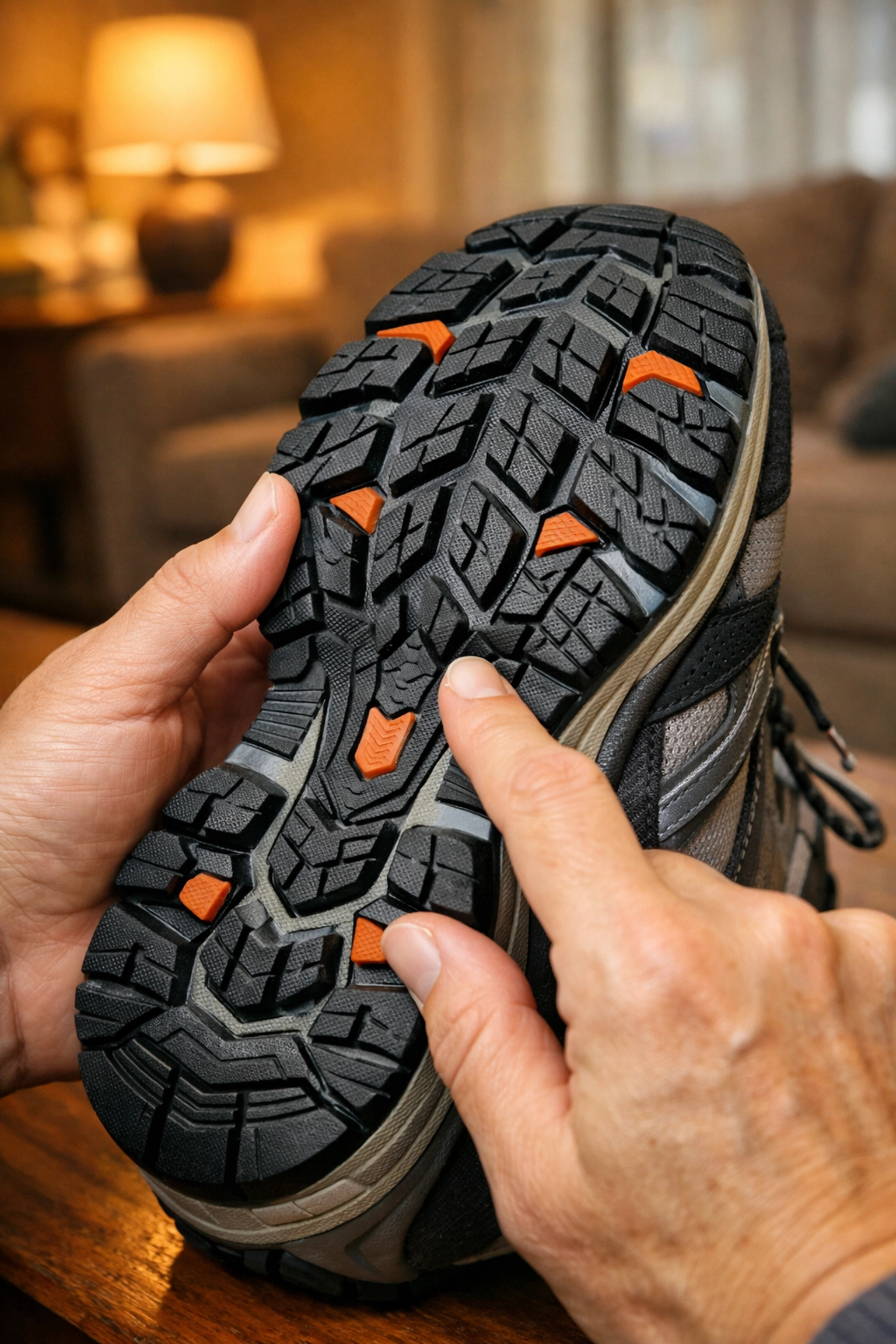
Don't forget the feet! Foot pain or poorly fitting shoes are common culprits. Ensure your loved one has shoes with good traction and firm soles. Floppy slippers or walking in socks on hardwood floors are major red flags.
Vitamin D and Bone Health
Vitamin D is essential for muscle and bone strength. Many seniors are deficient in it without realizing it. A quick blood test can confirm this, and a doctor can recommend the right supplement level.
Step 3: Conduct a Home Safety Audit
Most falls happen in the place we feel safest: our own homes. As we live in a space for decades, we become "blind" to the hazards. We know exactly where that loose floorboard is or how to step over the cluttered hallway, but as mobility changes, those small obstacles become big problems.
Take a walk through the home with a fresh pair of eyes. Here is a room-by-room checklist:
The Living Room and Hallways
- Flooring: Area rugs are the enemy of stability. If you can’t remove them, use double-sided tape or non-slip backing. Check for "transitions", the strips of metal or wood between carpet and tile, to ensure they aren't lifting.
- Clutter: Clear the pathways. Make sure there are no electrical cords, stacks of magazines, or low coffee tables in the main walking paths.
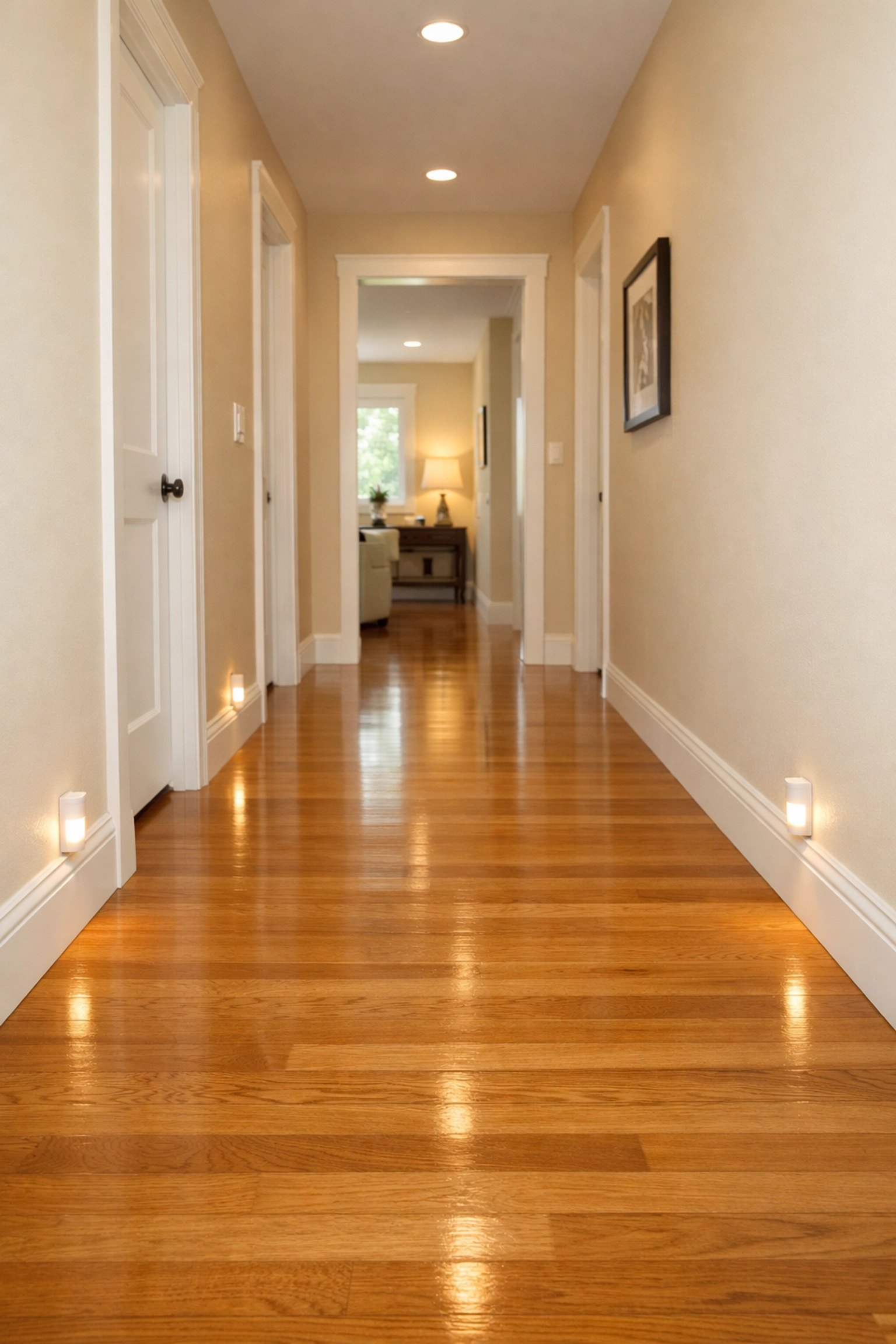
- Lighting: Dimly lit hallways are a trip hazard. Consider motion-activated nightlights that guide the way from the bedroom to the bathroom.
The Bathroom
The bathroom is statistically the most dangerous room in the house because of the combination of water and hard surfaces.
- Grab Bars: These should be installed near the toilet and inside the shower. Please don’t rely on towel racks; they aren't designed to hold a person’s weight.
- Non-Slip Mats: Use high-quality rubber mats inside the tub and non-slip rugs on the floor outside.
The Kitchen
- Reachability: Move the items used most often: like the coffee pot, favorite pans, and plates: to waist-high counters. Avoid using step stools whenever possible.
- Spills: Ensure a mop or paper towels are always handy to clean up spills immediately.
The Bedroom
- Bed Height: The bed should be at a height where your loved one's feet can touch the floor comfortably when sitting on the edge.
- Phones: Ensure there is a phone within reach of the bed in case of an emergency.
Step 4: Create a Personalized Safety Plan
After you’ve assessed the person and the home, it’s time to put it all together. A "Personalized Fall Prevention Plan" is just a fancy way of saying "the things we are going to change."
Exercise Programs
Strength and balance can be improved at almost any age. Look for community-based programs like Tai Chi or "Silver Sneakers." If your loved one has already had a fall, a referral to a Physical Therapist (PT) is often the best route. A PT can create a specific routine to target the muscles used for stability.
Lifestyle Tweaks
Hydration is key. Dehydration can lead to low blood pressure and fainting. Encourage drinking water throughout the day. Also, look at the timing of activities. If a certain medication makes them drowsy in the morning, maybe showers and errands should happen in the afternoon.
Mobility Aids
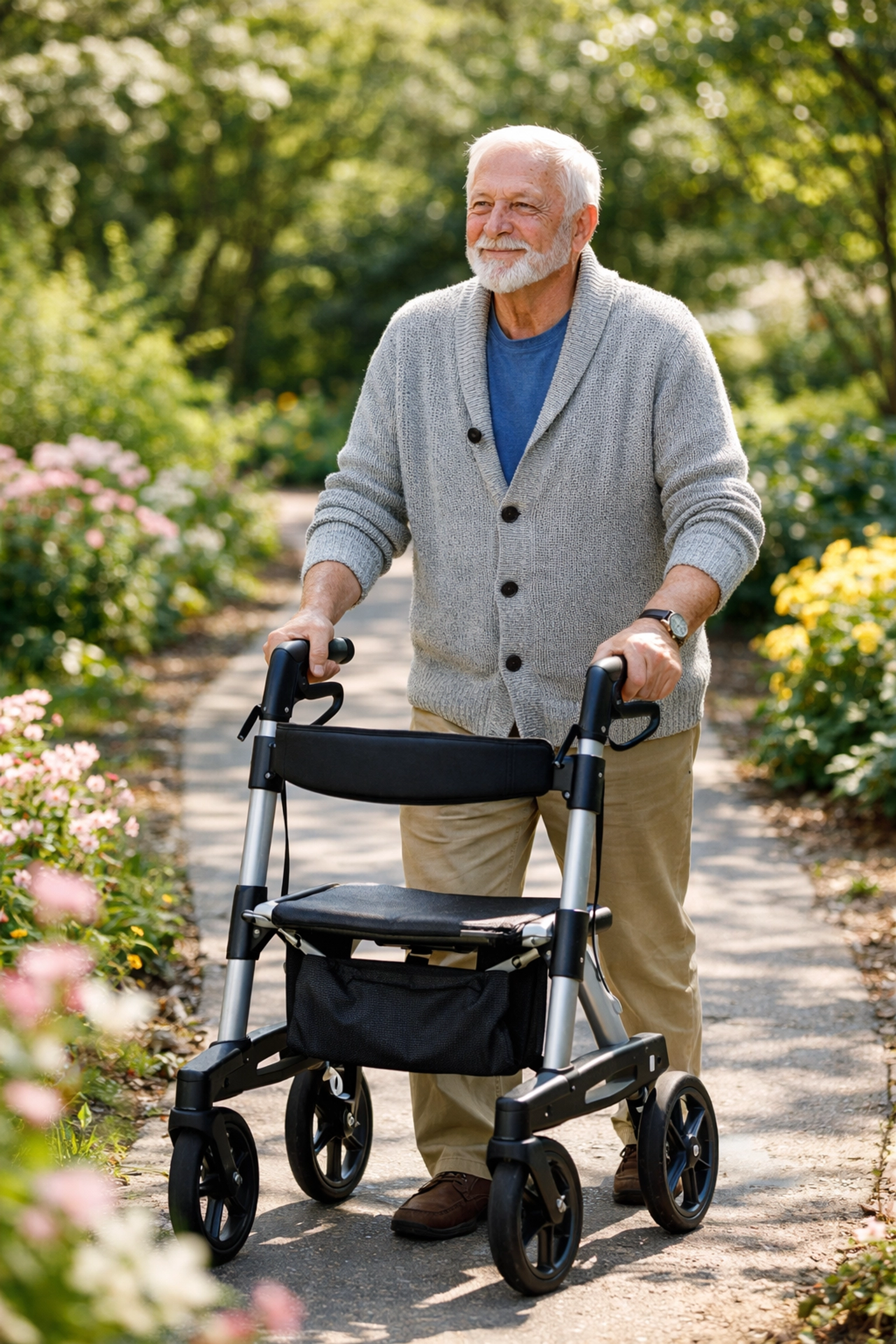
Sometimes, a little extra support makes a world of difference. This might mean using a cane, a walker, or installing specialized equipment like parallel bars or support poles in areas where there aren't many walls to lean on. The goal isn't to "give in" to a walker; it’s to use the walker so they can keep going to the grocery store or the park.
Step 5: Follow Up and Monitor Progress
Fall prevention isn't a "one and done" task. Our health and our environments change. A plan that worked in January might need adjusting by July.
The 30-90 Day Window
After you make changes: like adding a new grab bar or starting a new exercise routine: check back in 30 to 90 days. Ask:
- Are the new routines working?
- Is the equipment being used correctly?
- Has their confidence improved?
Reassess Yearly
Make it a habit to do a "Safety Sweep" once a year. Check the batteries in the smoke detectors, and while you're at it, check the lightbulbs in the hallways and the grip on their shoes. If there has been a change in health: like a new diagnosis or a change in vision: do a fresh assessment immediately.
Documentation
Keep a simple log. Note any "near misses" or stumbles. If you notice a pattern (e.g., "Dad always feels dizzy after lunch"), you'll have great information to share with his doctor.
Final Thoughts
I know this feels like a lot to do. But remember, you don't have to do it all by tonight. Start with Step 1: have that conversation.
The peace of mind that comes from knowing a home is safe is worth the effort. When we reduce the risk of falling, we reduce the stress for the whole family. We move from a place of worry to a place of action.
At Fall Guys Products, we believe that every senior deserves to feel steady on their feet and secure in their home. By following these five steps, you are taking a proactive stand for the safety and dignity of the people you care about most.
Stay safe, stay active, and keep moving forward.

