
We all want the same thing: to feel secure and independent in our own homes. When we first realize that a "safety plan" is necessary: whether it’s for ourselves or a loved one: we usually start with the basics. We might buy a new bath mat, clear a few magazines off the floor, or tell everyone to "be careful."
But here’s the reality I’ve seen time and again: most home safety plans are built on good intentions but fail in execution. A safety plan isn't just a one-time checklist you complete and tuck away in a drawer. It is a living, breathing strategy that needs to evolve as your needs change. If you feel like you’ve "done the work" but still feel uneasy about the risk of a fall, there’s likely a gap between your plan and your reality.
Let’s look at the ten most common reasons these plans fall short and, more importantly, how you can fix them to create a home that truly supports your mobility.
1. The "Set It and Forget It" Mentality
The most common reason a safety plan fails is that it remains static. Perhaps you did a home walkthrough three years ago. Since then, your vision might have changed, your balance might be slightly different, or you’ve introduced new furniture into the house.
The Fix: Treat your home safety plan like a seasonal chore, similar to changing the batteries in your smoke detector. Every three to six months, do a "fresh eyes" walkthrough. Look for new hazards that have crept in: like a loose floorboard or a new stack of books: and reassess whether the current setup still meets your physical needs.
2. Overlooking the "Small" Hazards
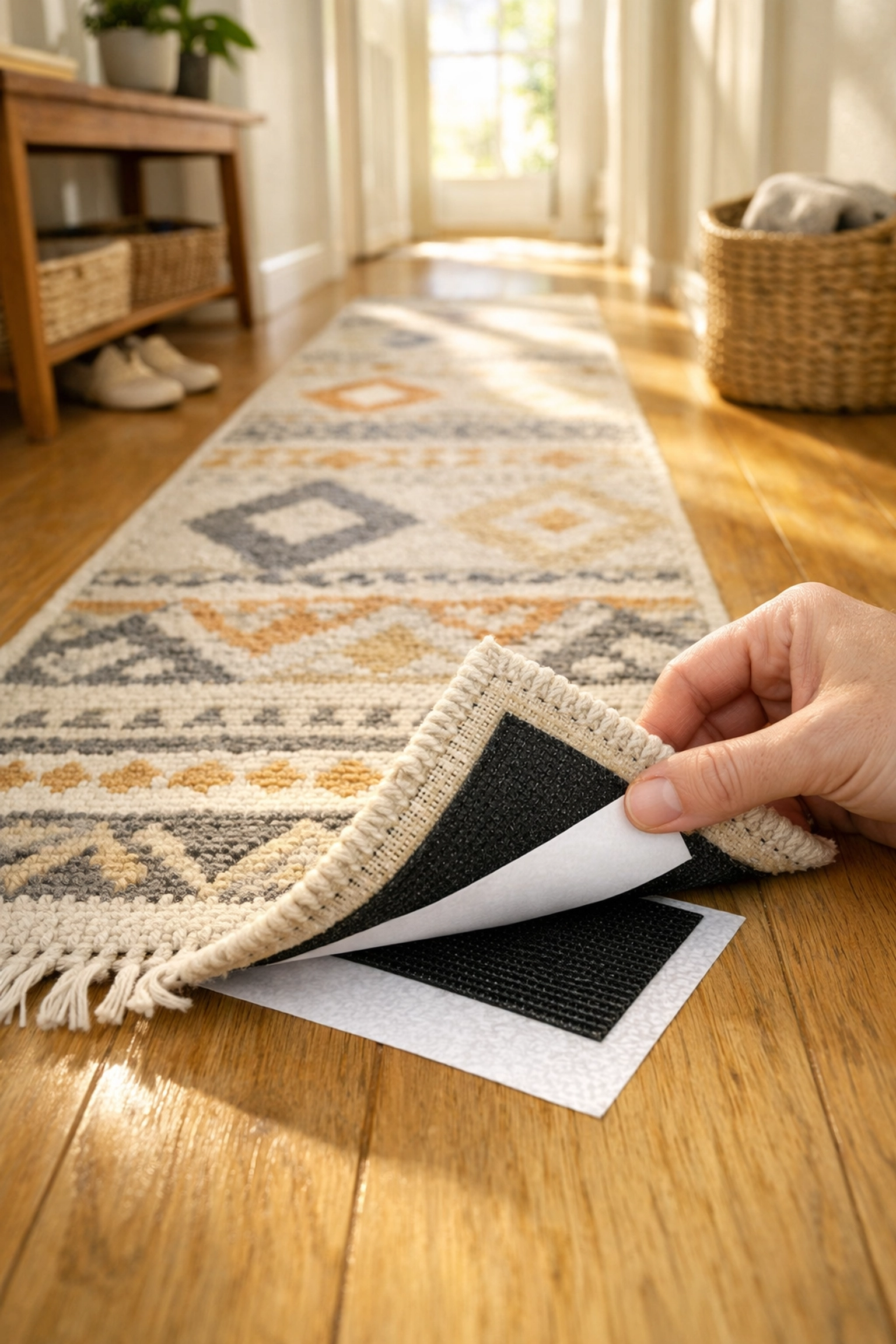
We tend to focus on the big things, like installing a ramp or a stairlift. While those are important, it’s often the tiny, everyday items that lead to a trip. A phone charging cable stretched across a walkway, a slightly turned-up corner of a rug, or a pet’s water bowl placed in a high-traffic area are common culprits.
The Fix: Adopt a "clear path" policy. Identify the main "highways" in your home: the paths from the bed to the bathroom, and the kitchen to the living room. These paths must be kept completely clear of any objects at all times. If a rug is even slightly loose, either tape it down with heavy-duty double-sided tape or remove it entirely.
3. The Bathroom Bottleneck
Statistics consistently show that the bathroom is the most dangerous room in the house. Many safety plans fail here because they rely on temporary solutions, like suction-cup grab bars. These devices are notorious for losing their grip at the exact moment they are needed most.
The Fix: Invest in permanent, wall-mounted solutions. Grab bars should be installed into wall studs by someone who knows how to find them. Additionally, consider the height of the toilet. If it’s too low, it requires a significant amount of leg strength to stand up, which can lead to dizziness or loss of balance. A raised toilet seat or a high-profile toilet can make a world of difference.
4. Poor Lighting (The Silent Contributor)
You might have the clearest floors in the world, but if you can’t see where you’re stepping, the plan is flawed. As we age, our eyes require significantly more light to see clearly and navigate depth changes. Many homes rely on "mood lighting" or dim lamps that leave corners in shadow.
The Fix: Increase the wattage of your bulbs (within the fixture's safety limits) and switch to "daylight" or "cool white" LED bulbs, which provide better contrast than warm yellow bulbs. Install motion-sensor nightlights along the path to the bathroom so you never have to fumbled for a switch in the dark.
5. Neglecting the "Human Element" (Strength and Balance)
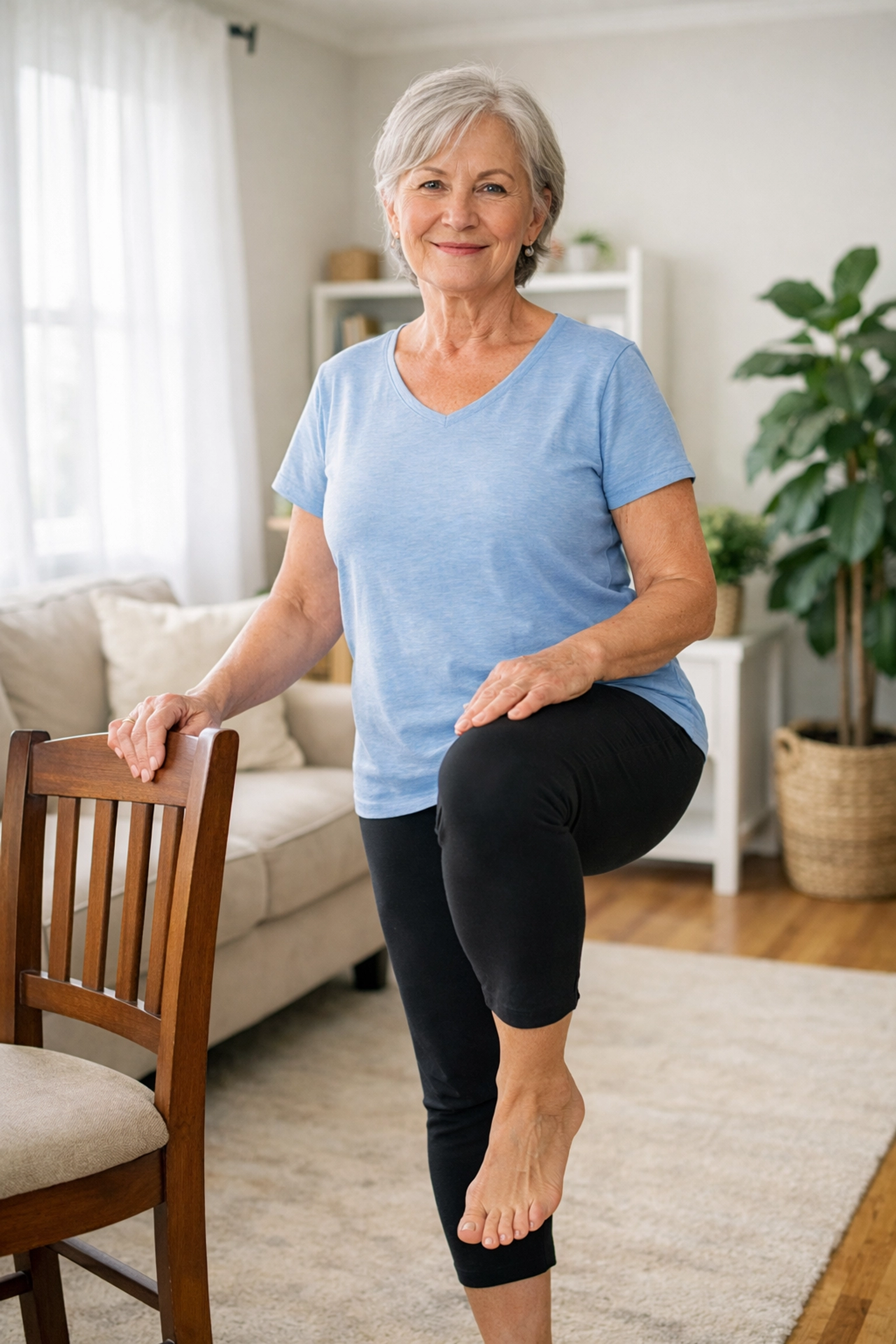
A safety plan often focuses 100% on the house and 0% on the person living in it. You can build a padded room, but if your leg muscles are weak or your balance is compromised, a fall is still a high risk. Safety is a partnership between your environment and your physical ability.
The Fix: Incorporate gentle balance and strength exercises into your daily routine. Simple movements like standing on one leg (while holding onto a sturdy chair) or doing "sit-to-stands" from a dining chair can strengthen the muscles needed to prevent a fall. Always consult with a physical therapist to create a routine that is safe for your specific health profile.
6. Incorrect Use of Mobility Aids
It’s a common sight: a walker sitting in the hallway while the person it belongs to "furniture surfs" (grabbing onto tables and walls) to get to the kitchen. Or perhaps a cane is being used, but it’s at the wrong height, causing the user to lean over and throw off their center of gravity.
The Fix: Your mobility aid is part of your safety plan, not an optional accessory. Ensure your walker or cane is professionally fitted to your height. The handle should generally be at the level of your wrist crease when your arm is hanging at your side. Most importantly, use it for every trip, no matter how short.
7. Medication Side Effects Are Ignored
Many safety plans fail to account for the internal environment. Certain medications: or combinations of them: can cause orthostatic hypotension (a sudden drop in blood pressure when you stand up) or general dizziness. If your safety plan doesn't include a strategy for managing these moments, it’s incomplete.
The Fix: Have a "medication audit" with your doctor or pharmacist. Ask specifically about side effects that affect balance or alertness. If a medication makes you dizzy, update your plan to include sitting on the edge of the bed for a full minute before standing up in the morning.

8. Lack of Family and Caregiver Collaboration
Sometimes, a safety plan is created by a well-meaning family member and "imposed" on a senior. If the person living in the home doesn’t understand why certain changes were made, or if they find them frustrating, they are likely to bypass the safety measures. Conversely, if caregivers aren't aware of the "rules," they might accidentally create hazards, like leaving a vacuum cord out.
The Fix: Make the safety plan a team effort. Sit down and discuss the "why" behind every change. When everyone is involved in the process, the plan becomes a shared commitment rather than a set of restrictions. Communication ensures that everyone knows where emergency contacts are kept and how to use any new equipment.
9. The Footwear Fallacy
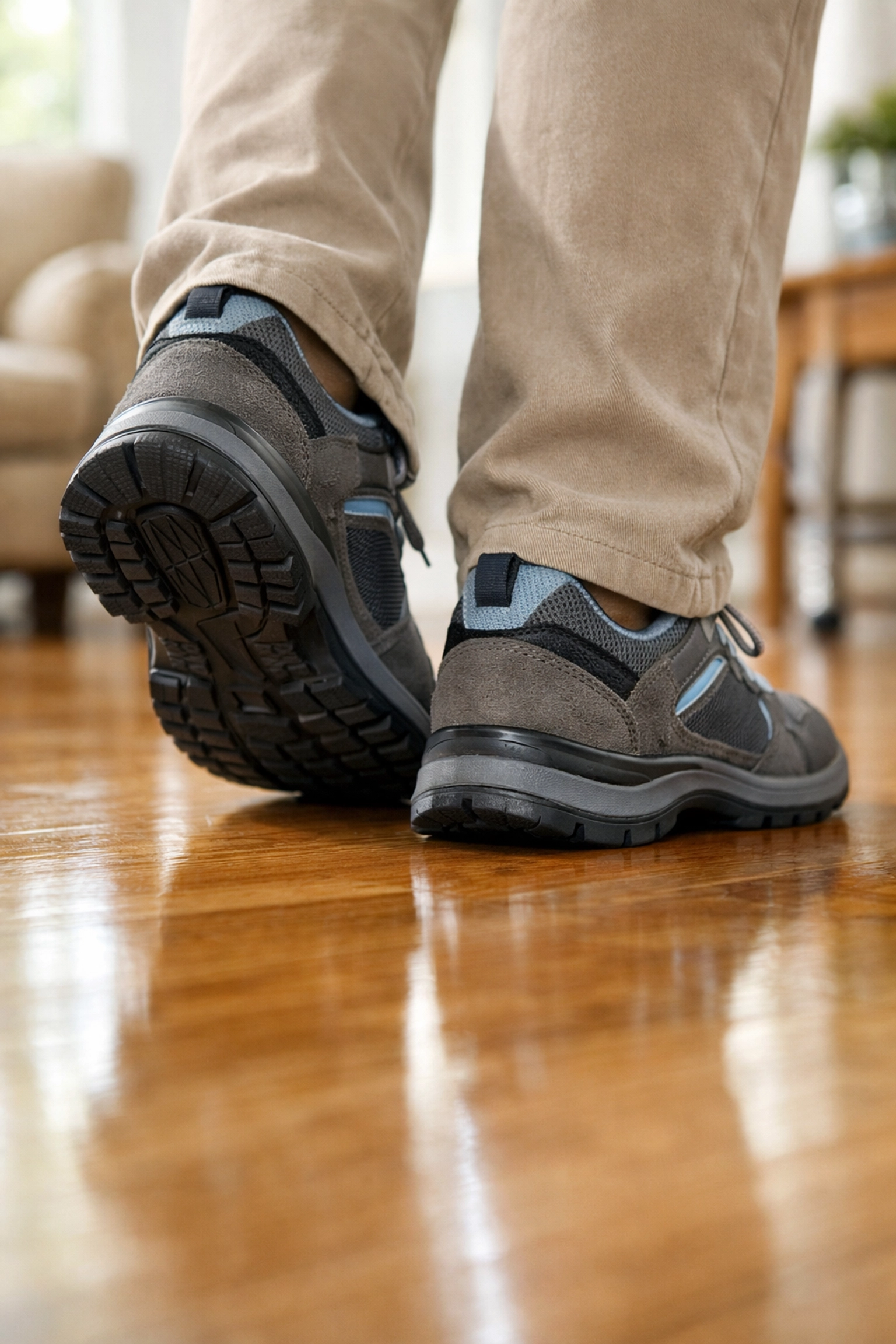
We often think about the floor, but we forget about what’s touching the floor. Walking around in loose slippers, flip-flops, or just socks is a recipe for a slip. Even "non-slip" socks can bunch up and create a trip hazard.
The Fix: Wear sturdy, well-fitting shoes even when indoors. Look for shoes with thin but firm soles that provide a good "feel" for the ground while offering traction. Avoid "clogs" or any shoe without a back, as your foot can easily slide out of them during a pivot.
10. The "It Won't Happen to Me" Mindset
Psychology plays a huge role in safety. Many people resist safety plans because they feel like admitting they need help is a loss of independence. This mindset leads to "risky shortcuts," like climbing a step-stool to reach a high shelf instead of asking for help or using a reaching tool.
The Fix: Reframe the conversation. A safety plan isn't a sign of weakness; it’s a strategy for maintaining independence. By preventing a fall today, you are ensuring that you can continue living in your own home for years to come. View your safety tools as "independence insurance."

Building a Future of Confidence
Fixing a safety plan doesn't require a total home renovation. Most of the time, it’s about refining your habits and making small, intentional adjustments to your surroundings. When you move from a "reactive" mindset (fixing things after a scare) to a "proactive" one (preparing for the future), you create a sense of calm and confidence.
Your home should be your sanctuary: a place where you feel empowered to move freely. By addressing these ten gaps, you aren't just checking boxes; you're building a foundation for a safer, more active life. Take one step today, whether it's checking a bulb or clearing a path, and build your plan from there.

