
A walker is more than just a piece of medical equipment; for many, it is the key to maintaining independence, visiting friends, and moving safely around the home. However, it is very common for people to feel that their walker is "getting in the way" or making them feel more unstable rather than less. If you feel like you are fighting your walker instead of gliding with it, you aren't alone.
When a walker doesn't feel right, most people assume they simply don't need it or that they aren't "good" at using it. In reality, the issue is usually mechanical, environmental, or related to a simple adjustment. In this guide, we will look at the ten most common reasons your walker might not be working for you and provide clear, practical steps to fix those issues.
1. The Height is Set Incorrectly
This is perhaps the most frequent issue we see. If a walker is too high, your shoulders will be hunched up toward your ears, which leads to neck and shoulder pain. If it is too low, you will lean forward, which puts excessive strain on your lower back and actually increases your risk of falling forward.
How to Fix It:
To find the "Goldilocks" height, stand as straight as you can with your arms hanging naturally at your sides. The handgrips of the walker should align with the crease of your wrist. When you place your hands on the grips, your elbows should have a slight, comfortable bend (about 20 to 30 degrees). This allow you to push down through your arms effectively without straining your joints.
2. Worn-Out Rubber Tips
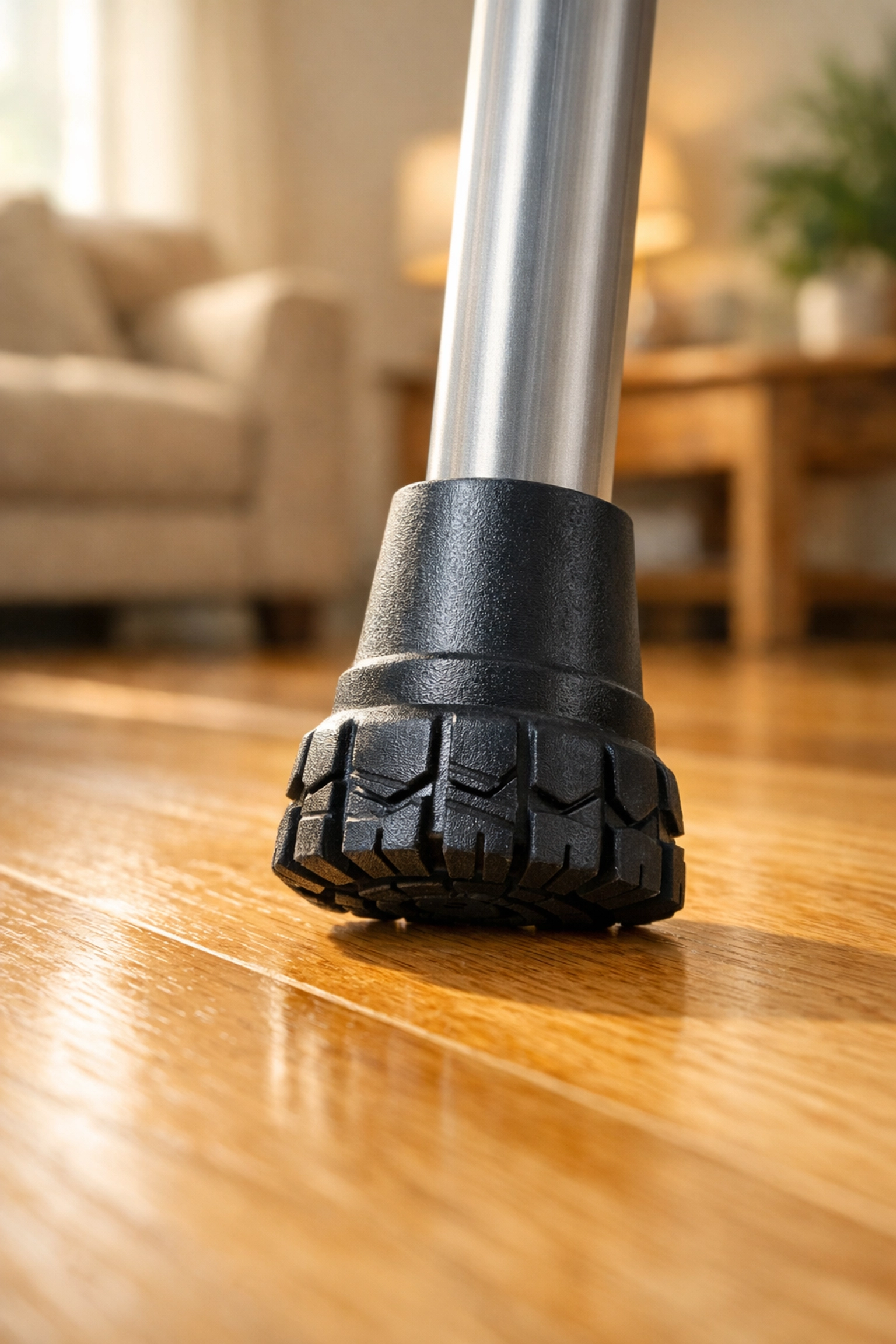
The rubber tips at the bottom of a standard walker are designed to provide traction and absorb shock. Over time, these tips wear down, much like the tread on a car tire. When the rubber becomes smooth or cracked, the walker can slide unexpectedly on hardwood or tile floors, making it feel "skittish" and unsafe.
How to Fix It:
Inspect the bottom of your walker tips once a month. If you see the metal washer peeking through the rubber, or if the tread is worn flat, it is time for a replacement. Most pharmacy or medical supply stores carry universal replacement tips. When installing them, make sure they are pushed all the way on so the walker sits level.
3. Brake Tension is Uneven (Rollators)
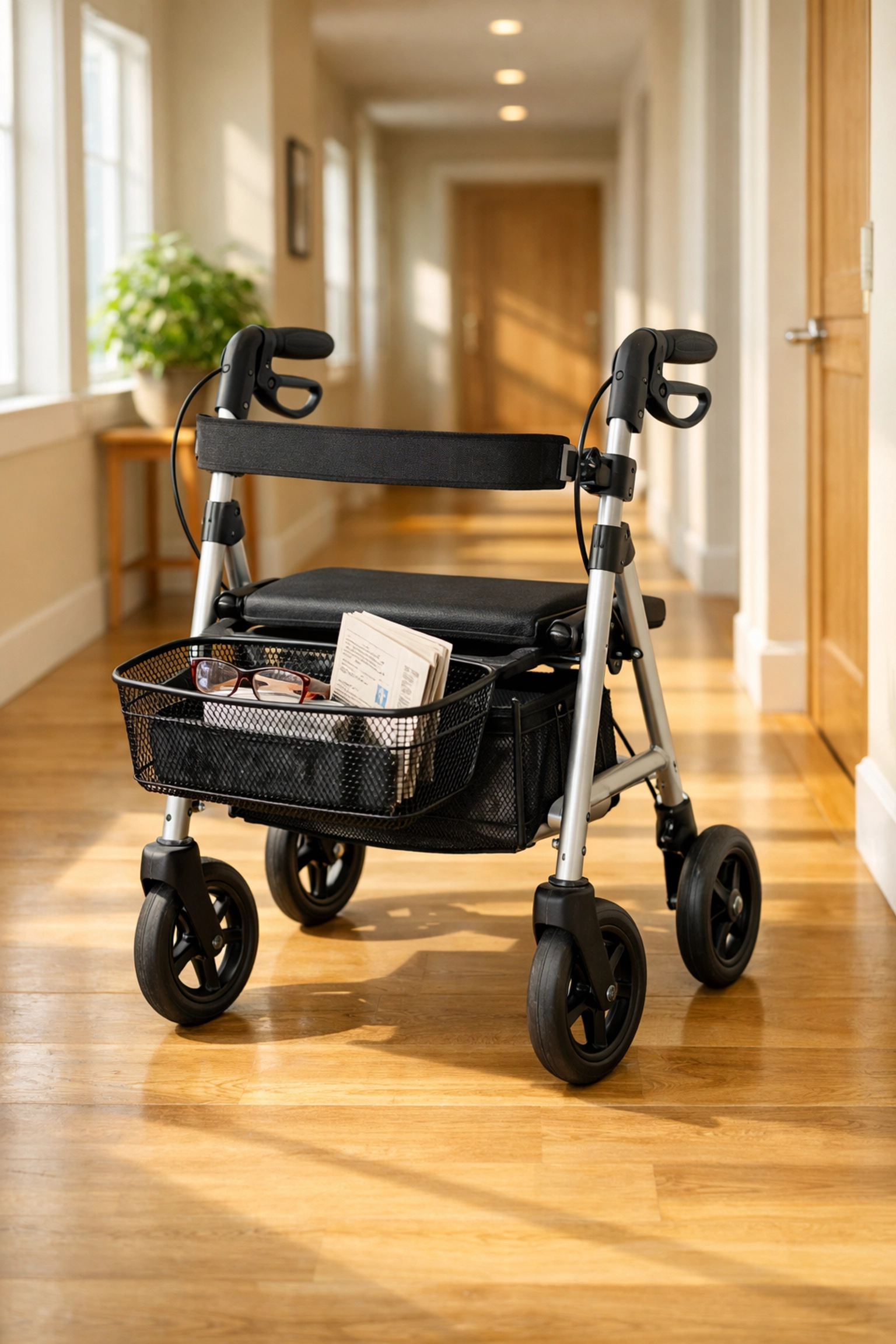
If you use a rollator: the type of walker with four wheels and a seat: the brakes are your most important safety feature. If the brakes are too loose, the walker might roll away while you are trying to sit down. If they are too tight, the wheels might drag even when you aren't squeezing the handle, making it exhausting to push.
How to Fix It:
Most rollators have an adjustment screw located where the brake cable meets the wheel or near the handlebar. You can usually tighten or loosen these by hand. Test the brakes by locking them (usually by pushing the handles down until they click) and trying to push the walker. If the wheels move, the brakes need to be tightened. If you aren't comfortable doing this yourself, a local bike shop can often help, as the mechanism is very similar to bicycle brakes.
4. You Are "Walking Behind" the Walker
A common mistake is pushing the walker far out in front and then "chasing" it. This posture places your center of gravity outside of your base of support. If you trip while the walker is two feet ahead of you, it won't be there to catch you.
How to Fix It:
Think of the walker as a "safety box." You want your body to stay inside that box. As you walk, your toes should stay roughly in line with the rear legs of the walker (or the back wheels). By staying "inside" the frame, you ensure that if you do lose your balance, your weight goes directly down into the sturdy frame of the device.
5. The "Wobble" Factor: Loose Hardware
Walkers take a lot of vibration, especially if they are used on sidewalks or uneven pavement. Over time, the bolts and screws that hold the frame together can vibrate loose. A wobbly walker feels flimsy and can lead to a loss of confidence.
How to Fix It:
Perform a "shake test" once a week. Give the walker a gentle shake to see if anything rattles. Use a wrench or screwdriver to tighten any visible bolts. If the walker has a folding mechanism, ensure the locking pins click firmly into place. If the frame itself is bent or if a weld looks cracked, it is time to consult a professional or consider a replacement, as a compromised frame is a significant safety risk.
6. Using the Wrong Type of "Feet"
Standard walkers often come with four rubber tips. While these are very stable, they require the user to pick the walker up with every step, which can be tiring. To solve this, many people add tennis balls or plastic "skis" to the back legs. However, if these aren't suited to your flooring, they can cause problems. Tennis balls, for example, can pick up hair and dirt, becoming sticky or slippery over time.
How to Fix It:
If you primarily use your walker indoors on carpet, plastic glides or "skis" often work better than tennis balls. If you move between different surfaces, ensure whatever you are using on the back legs is clean. If you find picking up the walker too difficult, talk to a physical therapist about whether a two-wheeled walker or a four-wheeled rollator might be a better fit for your energy levels.

7. Hand Grips are Uncomfortable or Slippery
If the hand grips on your walker are hard plastic, they can be tough on arthritic hands. Furthermore, if they become sweaty or dirty, your hands can slip, which is dangerous during a moment of instability.
How to Fix It:
You can find foam or gel grip covers that wrap around existing handles. These provide a larger surface area for your hand, which reduces pressure. Also, make sure to wipe down your grips regularly with a damp cloth and mild soap to remove oils and dirt that can make them slick.
8. Navigating Household Obstacles
Sometimes the walker isn't the problem: the house is. Thick area rugs, narrow doorways, and cluttered hallways can make using a walker feel like navigating an obstacle course. If you have to lift the walker over a rug every time you enter a room, it isn't working for you.
How to Fix It:
Evaluate your "traffic lanes." Remove throw rugs or secure them with heavy-duty double-sided tape. Clear clutter from the floor. If a doorway is just an inch too narrow, you can sometimes replace standard door hinges with "swing-clear" hinges, which move the door entirely out of the opening, providing more room for the walker to pass through.
9. Overloading the Frame
It is tempting to hang bags, purses, or groceries on the front crossbar of a walker. However, hanging weight on the front can change the balance of the device, making it prone to tipping forward if you hit a small bump.
How to Fix It:
If you need to carry items, use a dedicated walker basket or a pouch that attaches to the side or the center. This keeps the weight centered over the wheels or legs. Always try to keep the load light; a walker is meant to support you, not your luggage.
10. Lack of Proper Instruction
Many people are handed a walker at the hospital and told to "get moving" without a formal lesson on how to use it. Using a walker correctly involves a specific rhythm: walker, then weaker leg, then stronger leg. If you haven't mastered this rhythm, the walker can feel like a trip hazard.
How to Fix It:
Request a session with a physical therapist. They can evaluate your gait and teach you the safest way to turn, how to navigate curbs, and how to safely transition from sitting to standing. Learning the proper technique can reduce the physical effort of using the walker by half.
A Note on Posture and Confidence
Beyond the mechanical fixes, the most important "fix" is often your own posture. It is natural to look down at your feet when you feel unsteady, but looking down actually shifts your center of gravity forward and makes you more likely to trip.
Try to keep your chin up and look about ten feet in front of you. This helps you anticipate obstacles and keeps your spine aligned. When you stand tall and stay "inside the box" of your walker, the device becomes an extension of your body rather than a tool you are fighting.
Maintenance Checklist
To keep your walker in top shape, consider this simple monthly checklist:
- Check the tips: Are they worn or cracked?
- Check the brakes: Do they lock firmly?
- Check the height: Are the grips still at wrist level?
- Check the frame: Is anything rattling or loose?
- Check the cleanliness: Are the grips and wheels free of debris?
A walker that is properly fitted and maintained is a powerful tool for safety. By taking a few minutes to address these ten common issues, you can transform your walking experience from a chore into a confident journey toward better mobility. Remember, if you ever feel that your mobility device is truly unsafe or if you are experiencing new pain, always consult with a healthcare professional or a physical therapist for a personalized assessment.

