
Hey there, I’m Brian Kerr, the founder here at Fall Guys Products. If you’re reading this, chances are you’re looking out for someone you care about: a parent, a spouse, or perhaps a long-time friend. Maybe they’ve had a close call recently, or maybe you’re just starting to notice they aren’t as steady on their feet as they used to be.
First off, I want you to take a deep breath. It’s completely normal to feel a bit anxious about this. Falls can feel like an unpredictable shadow hanging over the independence of our loved ones. But here’s the good news: falls aren't just an inevitable part of getting older. They are, in many cases, preventable.
In this guide, we’re going to walk through the "how" and "why" of fall prevention. We’ll look at everything from the shoes on their feet to the way their bathroom is set up. This isn't about wrapping your loved one in bubble wrap; it’s about empowering them to live safely and confidently in the home they love.
Understanding the "Why": Identifying Risk Factors
Before we start moving furniture or buying equipment, we need to understand why falls happen. It’s rarely just one thing. Usually, it’s a combination of "internal" factors (what’s happening inside the body) and "external" factors (what’s happening in the environment).
Internal Factors
As we age, our bodies change in ways that affect our stability.
- Balance and Gait: Muscles can weaken, and our sense of where our body is in space (proprioception) can dim.
- Vision and Hearing: If you can’t see a trip hazard or hear a warning, you’re at higher risk.
- Medication Side Effects: Many common prescriptions can cause dizziness, sleepiness, or a sudden drop in blood pressure when standing up.
- Chronic Conditions: Things like arthritis or diabetes can affect how we move or the sensation in our feet.
External Factors
These are the things around us. Most falls in the home happen during routine activities: walking to the bathroom at night, reaching for a coffee mug, or stepping over a threshold. Loose rugs, poor lighting, and lack of support are the usual suspects here.
Transforming the Home: A Room-by-Room Audit
The most effective way to prevent a fall is to make the home a partner in safety, rather than a series of obstacles. Let’s take a walk through the house together.
The Entryways and Hallways
The transition from outside to inside is a high-risk zone.
- Lighting is everything. Ensure there are bright lights at every entrance. Motion-sensor lights are fantastic because they don’t require anyone to fumbled for a switch in the dark.
- Clear the path. Hallways should be wide open. Remove any decorative plant stands, small tables, or "catch-all" baskets that narrow the walking path.
- Secure the floor. If there are throw rugs, either remove them or use heavy-duty double-sided tape to secure the edges. Better yet, swap them for non-slip mats.
The Living Room
This is where people spend the most time, so it needs to be "flow-friendly."
- The "Couch Test": If your loved one has to "rock" three or four times to get out of their chair, it’s too low or too soft. A firm chair with sturdy armrests is much safer.
- Cord Management: We live in a world of chargers and lamps. Use cord covers or clear plastic clips to keep wires pinned against the baseboards and away from walking paths.
The Kitchen
- Keep it within reach. The items used every day: the favorite skillet, the coffee canister, the heavy plates: should be at waist height. Reaching high or bending low can cause a shift in balance that leads to a tumble.
- Clean spills immediately. A single drop of water on a tile floor is a hazard. Keep a roll of paper towels or a microfiber mop in an easy-access spot.
The Bathroom: The Highest Priority
Statistically, this is the most dangerous room in the house. Moisture plus hard surfaces is a risky combination.
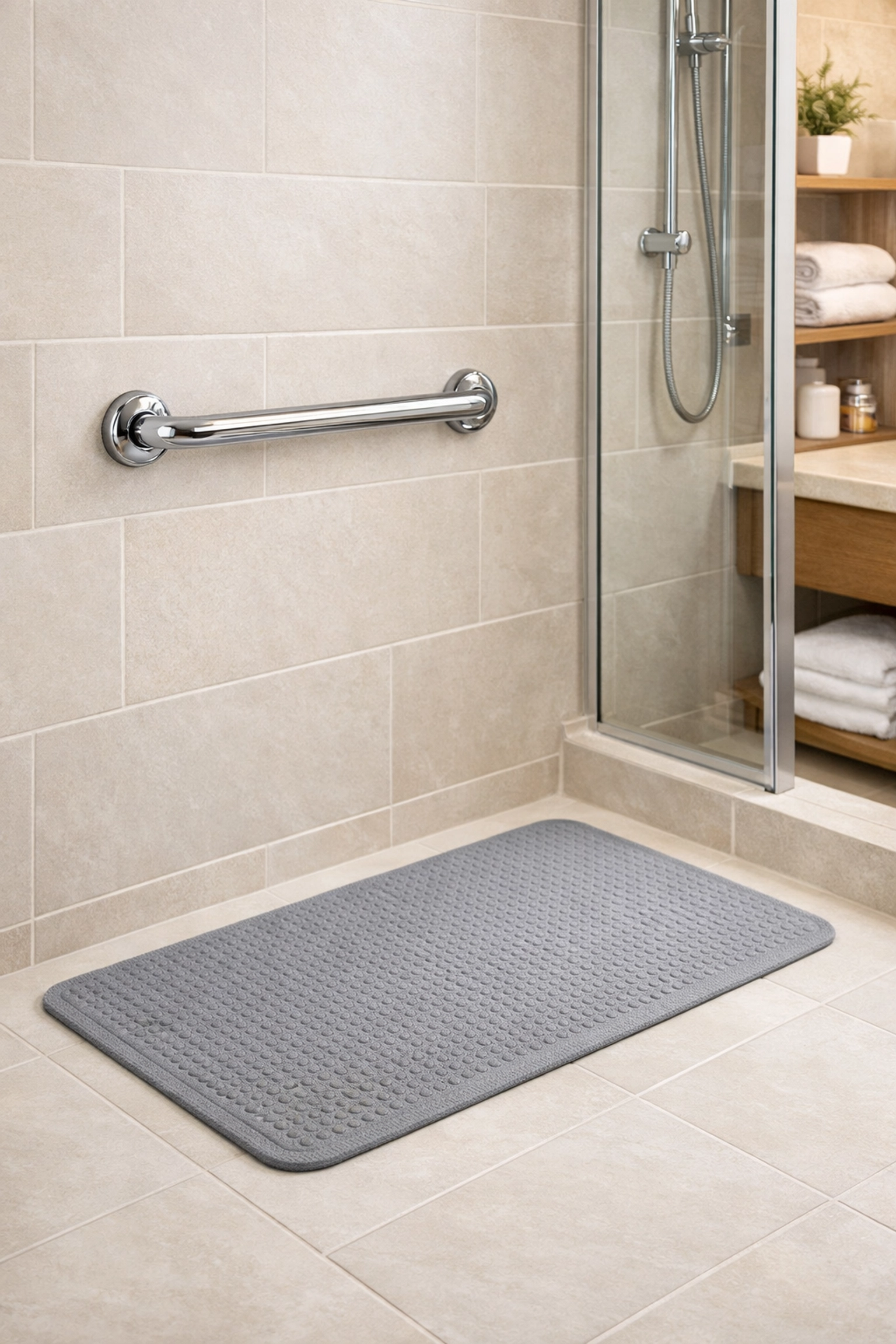
- Grab Bars: Towel racks are not grab bars. They are held in by thin screws and will pull out of the wall the moment weight is applied. Real grab bars, properly anchored into studs, should be placed near the toilet and inside the shower.
- Non-Slip Surfaces: Use high-quality rubber mats inside the tub. Outside the tub, use a rug with a solid rubber backing that won't slide when stepped on.
- Raised Toilet Seats: This makes the "sit-to-stand" transition much easier on the knees and hips.
The Power of Physical Activity
One of the biggest myths I hear is that if you're afraid of falling, you should move less to stay safe. Actually, the opposite is true. When we stop moving, our muscles atrophy and our balance gets worse.
Strength and Balance Training
Research shows that targeted exercise can reduce fall risk by a significant margin. But it’s not a "one and done" thing. Consistency is key.
- Tai Chi: This is often called "moving meditation," and it is incredible for balance. It teaches you how to shift your weight safely and strengthens the tiny stabilizer muscles in your ankles and legs.
- Resistance Training: This doesn't mean your 80-year-old mom needs to be bench-pressing heavy weights. Using resistance bands or light hand weights helps maintain bone density and muscle mass.
- The 12-Week Threshold: Studies suggest that it takes about 12 weeks of regular exercise (at least three times a week) to see a meaningful reduction in fall risk. Encourage your loved one to stick with it!
Working with Professionals
If your loved one has already had a fall or is very unsteady, a Physical Therapist (PT) is your best friend. They can perform a clinical gait analysis and create a custom plan. They can also teach "safe falling" techniques and, more importantly, "how to get back up" techniques.
Healthcare and Lifestyle Adjustments
Fall prevention is a team sport. Your loved one's doctor and pharmacist are key players on that team.
Medication Reviews
Once a year (at least), sit down with the doctor to review every single pill being taken. Sometimes drugs interact in ways that cause "orthostatic hypotension": that’s the fancy term for getting dizzy when you stand up too fast.
Vision and Hearing Checks
If you can’t see the edge of the step, you’re going to miss it. Bifocals can actually be tricky on stairs because they can distort depth perception. A yearly eye exam is a must. Similarly, hearing loss can affect balance because the inner ear is the body's primary balance center.
Footwear: The Foundation
Believe it or not, many falls happen because of floppy slippers or walking in socks on hardwood floors.
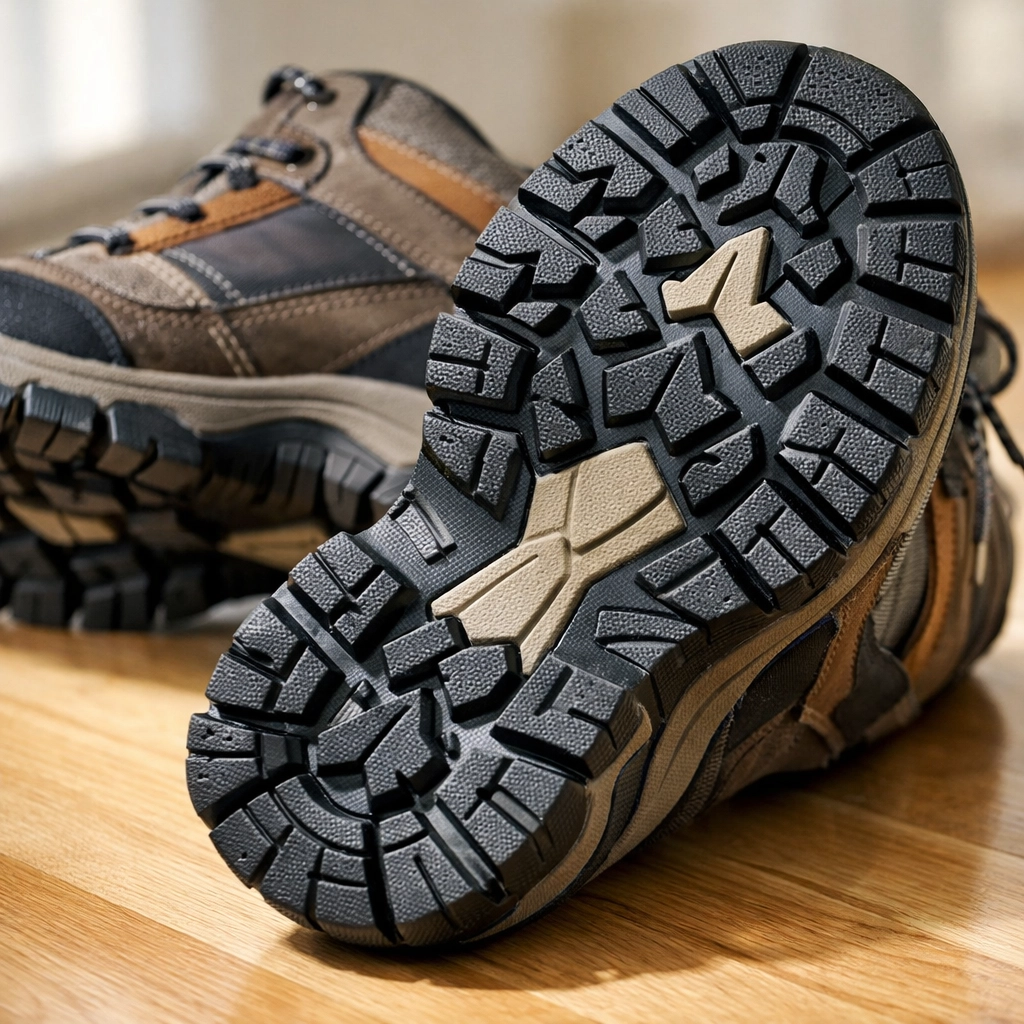
- The Right Shoe: Look for shoes with firm soles and good arch support.
- Avoid: High heels, slick leather soles, or "backless" slippers that can easily slide off.
- Inside the House: Even if your loved one prefers to be "shoeless" at home, encourage a "house shoe" with a rubber grip.
Assistive Devices: Tools for Independence
Sometimes, the environment and the body need a little extra help. This is where mobility aids come in. There is often a stigma attached to using a cane or a walker, but I like to frame it differently: these aren't signs of weakness; they are tools for independence.
When to Consider an Aid
If you notice your loved one "furniture surfing": using the backs of chairs and the edges of tables to steady themselves as they walk through a room: it’s time for a dedicated support device.
Types of Support
- Stability Poles: Floor-to-ceiling poles can be placed in areas where a grab bar isn't possible, like the middle of a room or next to a bed. They provide a rock-solid point of contact.
- Parallel Bars: For those who need to work on their gait at home, small parallel bars can provide a safe space to practice walking.
- Proper Fit: A cane that is too tall or a walker that is too low can actually cause more harm than good. A physical therapist should always be the one to "fit" the device to the person.
What to Do if a Fall Happens
Preparation also means knowing what to do if the worst happens. Fear of being stuck on the floor is often the biggest source of anxiety for seniors.
- Don't Panic: Tell your loved one to stay still and take a few deep breaths. Moving too quickly while in shock can cause further injury.
- The "Scan": Check for pain or broken bones. If they can move their limbs, they can try to get up.
- The Roll and Crawl: The safest way to get up is to roll onto the side, push up onto hands and knees, and crawl to a piece of sturdy furniture (like a heavy chair or the bed).
- The Lift: Place hands on the seat of the chair, bring one leg forward so the foot is flat on the floor, and use the strength of the legs and arms to slowly rise and turn to sit.
Final Thoughts
Fall prevention isn't a weekend project. it’s a lifestyle of awareness and small, smart adjustments. By taking these steps, you’re not just preventing an injury: you’re giving your loved one the gift of confidence.
When people feel safe in their environment, they move more. When they move more, they stay stronger. And when they stay stronger, they get to enjoy more of the moments that matter.
Take it one room at a time. Start with the lighting today. Maybe check the rugs tomorrow. You’ve got this, and we’re here to help you every step of the way.

