
When we talk about staying safe at home as we age, the conversation often jumps straight to hardware. We talk about grab bars, ramps, and stairlifts. While those tools are incredibly important, there is a vital first step that often gets overlooked: the mobility assessment.
Think of a mobility assessment as a professional "roadmap" for your independence. It isn't just a quick look around the house; it’s a comprehensive evaluation of how a person interacts with their environment. At Fall Guys Products, we believe that understanding the "why" behind fall risks is just as important as the "how" of fixing them.
If you are a caregiver or someone looking to age in place safely, here are ten essential things you should know about mobility assessments.
1. It’s Not Just a Home Inspection
Many people confuse a mobility assessment with a general home safety inspection. While a safety inspection looks for trip hazards like loose rugs or poor lighting, a mobility assessment goes much deeper.
A professional mobility assessment evaluates the physical capabilities of the individual alongside the environment. A home inspector might tell you a rug is a trip hazard. A physical therapist conducting a mobility assessment will observe how you step over that rug, whether you have the balance to recover if you slip, and if your current footwear is contributing to the problem. It is a holistic approach that bridges the gap between your physical health and your living space.
2. Who Should Perform the Assessment?
While anyone can use a checklist to spot a loose floorboard, a formal mobility assessment should ideally be performed by a healthcare professional. Physical Therapists (PTs) and Occupational Therapists (OTs) are the gold standard for these evaluations.
Physical Therapists generally focus on gait, strength, and balance: the mechanics of how you move. Occupational Therapists focus on "activities of daily living" (ADLs), such as how you get in and out of the shower or how you navigate the kitchen to make a meal. In some cases, a Certified Aging-in-Place Specialist (CAPS) may also be involved to provide insights on structural modifications.

3. The Clinical Side: Gait and Balance Testing
A key component of a mobility assessment involves standardized clinical tests. These aren't "tests" you can fail, but rather measurements to establish a baseline.
One common tool is the "Timed Up and Go" (TUG) test. The person is asked to stand up from a chair, walk three meters, turn around, walk back, and sit down. The time it takes to complete this task provides a wealth of data about balance, stride length, and stability. Another common tool is the Berg Balance Scale, which assesses how well a person can maintain balance while performing tasks like reaching forward or turning 360 degrees. These tests help identify specific areas of weakness that need to be addressed through exercise or assistive devices.
4. Identifying "Micro-Hazards"
We all know that a flight of stairs can be dangerous, but mobility assessments often uncover "micro-hazards" that the average person misses. These might include:
- The height of a favorite chair: If a chair is too low, it requires more quadriceps strength to stand up. If the person lacks that strength, they might "plop" down or struggle to rise, increasing the risk of a fall in the living room.
- Threshold transitions: Even a half-inch difference between a carpeted room and a tiled hallway can be enough to catch a toe.
- Nighttime paths: The assessment looks at the path from the bed to the bathroom. Is there a light switch within reach? Is there a clear path for a walker?
5. Assessing Cognitive Factors
Mobility isn’t just about muscles and bones; it’s also about the brain. A thorough assessment considers "dual-tasking" capabilities. Can the person walk safely while carrying a conversation or a cup of tea?
Cognitive decline or even simple distractions can significantly increase fall risk. A mobility specialist will look for signs that a person might forget to use their walker or might misjudge the distance to a chair. Understanding these cognitive factors allows for a safety plan that includes better visual cues or simplified environments.

6. Personalizing Assistive Devices
Not all mobility aids are created equal, and more importantly, they aren't one-size-fits-all. A major part of the assessment is checking the equipment currently in use.
Is the cane adjusted to the correct height? Is the walker the right width for the home's doorways? Sometimes, people use a walker that is too heavy for them to lift over a threshold, or they use a cane when they actually need the stability of a four-wheeled rollator. The assessment ensures that the tools you have are actually helping you rather than creating new obstacles.
7. The Bathroom: The Highest Priority Area
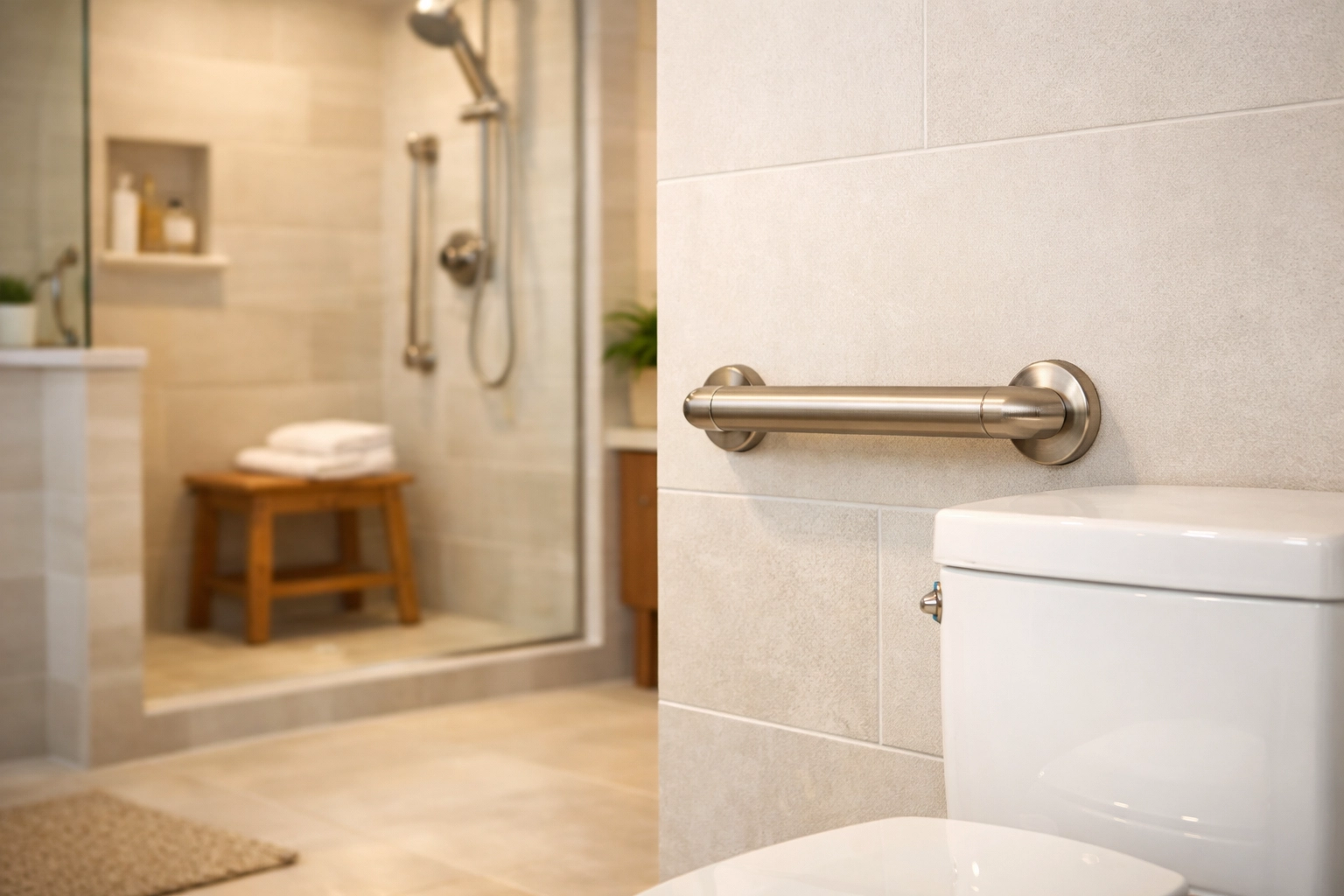
Statistically, the bathroom is the most dangerous room in the house. A mobility assessment pays special attention here because the surfaces are often wet and slippery, and the movements required (stepping over a tub wall, sitting on a low toilet) are physically demanding.
The assessor won't just recommend a grab bar; they will determine the exact placement based on your reach and strength. They will look at the height of the toilet and the friction of the floor tiles. They may suggest modifications like a walk-in shower or a specific type of transfer bench that aligns with your specific range of motion.
8. Vision and Sensory Input
Our balance is heavily dependent on our eyes and the sensations in our feet. A mobility assessment often includes a discussion about vision. Do you wear multifocal lenses? These can sometimes distort depth perception when looking down at stairs.
The specialist might also look for signs of peripheral neuropathy: numbness in the feet. If you can’t "feel" the floor, your body has to rely more on vision and hand-hold points to stay upright. Identifying these sensory deficits allows for an environment that compensates for them, such as high-contrast tape on the edges of steps.
9. The Role of the Caregiver
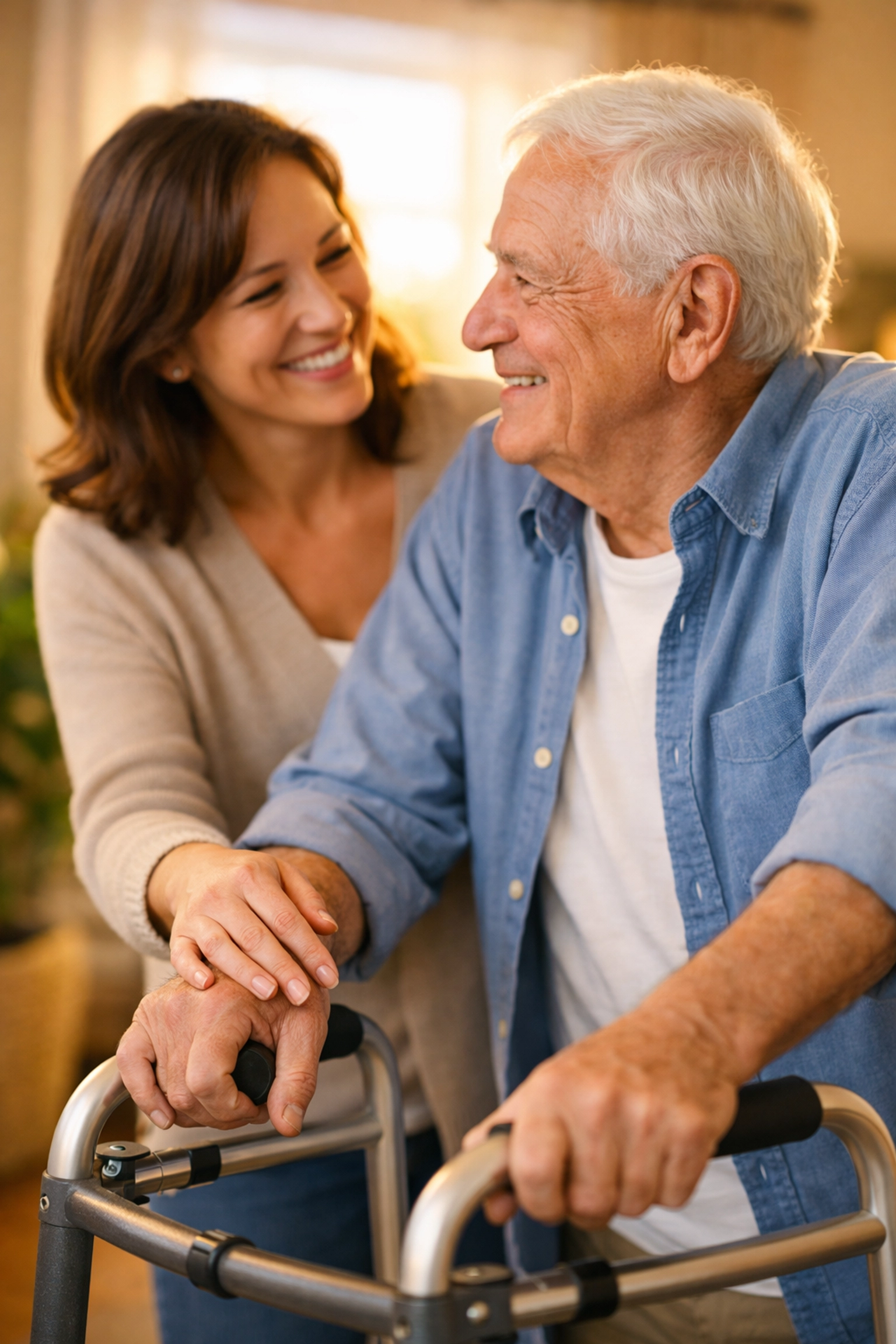
A mobility assessment isn't just for the person at risk of falling; it’s also a training session for the caregiver.
The professional conducting the assessment will often demonstrate safe "transfer techniques": the best way to help someone stand up or move from a wheelchair to a bed without injuring either person. They can provide peace of mind by showing caregivers exactly what to watch for and how to provide support that encourages independence rather than creating dependence.
10. It’s an Ongoing Process, Not a One-Time Event
Our mobility needs change over time. A home that was "fall-safe" two years ago might need adjustments today. A mobility assessment should be viewed as a living document.
It is generally recommended to have a re-evaluation after a significant health event (like a surgery or a change in medication), or simply as part of an annual check-up for seniors living at home. Regular assessments ensure that your home environment evolves along with your physical needs, keeping you one step ahead of potential accidents.
Summary: Proactive vs. Reactive Safety
The goal of a mobility assessment is to move from a reactive mindset to a proactive one. We don't want to wait for a fall to happen before we realize the stairs are too steep or the lighting is too dim.
By taking the time to understand the relationship between your body and your home, you are making an investment in your future independence. It’s about more than just safety; it’s about the confidence to move freely in your own space, knowing that every corner of your home has been optimized for your well-being.
If you or a loved one are planning to stay in your home for years to come, consider a mobility assessment the cornerstone of that plan. It provides the clarity and the concrete steps needed to turn a house into a truly fall-safe home.

