
At Fall Guys Products, we spend a lot of time thinking about how to keep people moving safely. When I talk to families, the conversation often starts after someone has already had a "close call" or a minor tumble. There’s a common feeling of surprise: a sense that the home, which has always been a sanctuary, suddenly feels like a bit of an obstacle course.
The truth is, our homes don’t change much as we age, but our needs do. A rug that was perfectly fine for twenty years can suddenly become a tripping hazard. A hallway that felt well-lit in our fifties might feel dim and uncertain in our seventies.
I’m Brian Kerr, and I want to share some of the most common mistakes I see people making when it comes to home safety. These aren't just "senior" problems; they are lifestyle adjustments that help everyone stay independent and confident. Let’s walk through how to identify these risks and, more importantly, how to fix them simply and effectively.
1. The "I’ll Move It Later" Clutter Trap
We all have that one chair where the mail piles up, or a spot in the hallway where we kick off our shoes. When we’re younger, navigating around a stack of magazines or a stray pair of boots is a subconscious adjustment. But as our balance changes, these small obstacles become major hazards.
Clutter is the number one cause of avoidable falls. It’s not just about "messiness": it’s about clear pathways. If you have to move in a zig-zag pattern to get from your bed to the bathroom, that’s a problem.
The Fix:
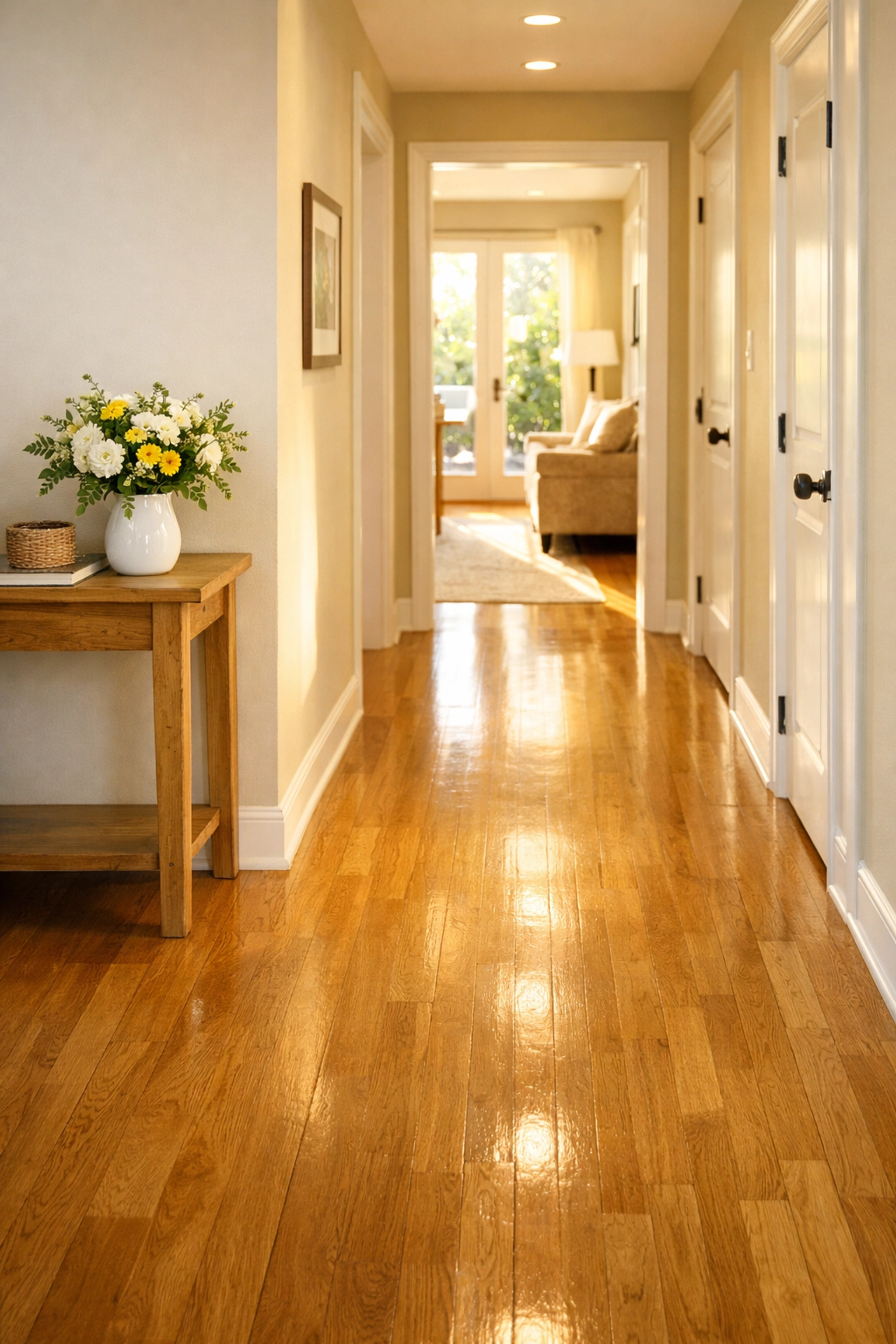
Establish a "clear path" rule. Walk through every room in your house and imagine a three-foot-wide highway through the center. Anything that encroaches on that highway: a decorative plant, a small side table, or a stack of books: needs to be moved.
Focus especially on "transition zones," like where the carpet meets the tile or where a hallway opens into a room. These are the places where your gait naturally changes, and any clutter here increases the risk of a misstep.
2. Using Furniture as a Ladder (and Other Reaching Errors)
It happens to the best of us. We need something from the top shelf of the pantry, and instead of walking to the garage to get the real ladder, we grab a kitchen chair. Or worse, we stand on our tiptoes while holding onto the refrigerator door for balance.
This is a recipe for a fall. Chairs are designed for sitting, not for supporting shifting weight from above. Furthermore, reaching high overhead can cause temporary dizziness in many people due to changes in blood pressure or neck positioning.
The Fix:
The best fix is a lifestyle change: stop storing things high up. If you use a heavy pot once a week, it shouldn't be on the top shelf. Move frequently used items to waist or chest height.
If you must reach something high, invest in a high-quality, lightweight step stool with a tall handrail. A stool with a "grab bar" provides a point of contact for your hand, which significantly increases stability. Never use a chair, a crate, or a wobbly ottoman.
3. Neglecting the "Invisible" Parts of the Staircase
Most people think about stairs in terms of the steps themselves. Are they slippery? Is the carpet loose? While those are important, the real mistakes usually happen with the things surrounding the steps: the handrails and the lighting.
A common mistake is having a handrail that ends one or two steps before the stairs actually finish. That final step is often where the most momentum is carried, and if the support disappears, a fall is likely.
The Fix:
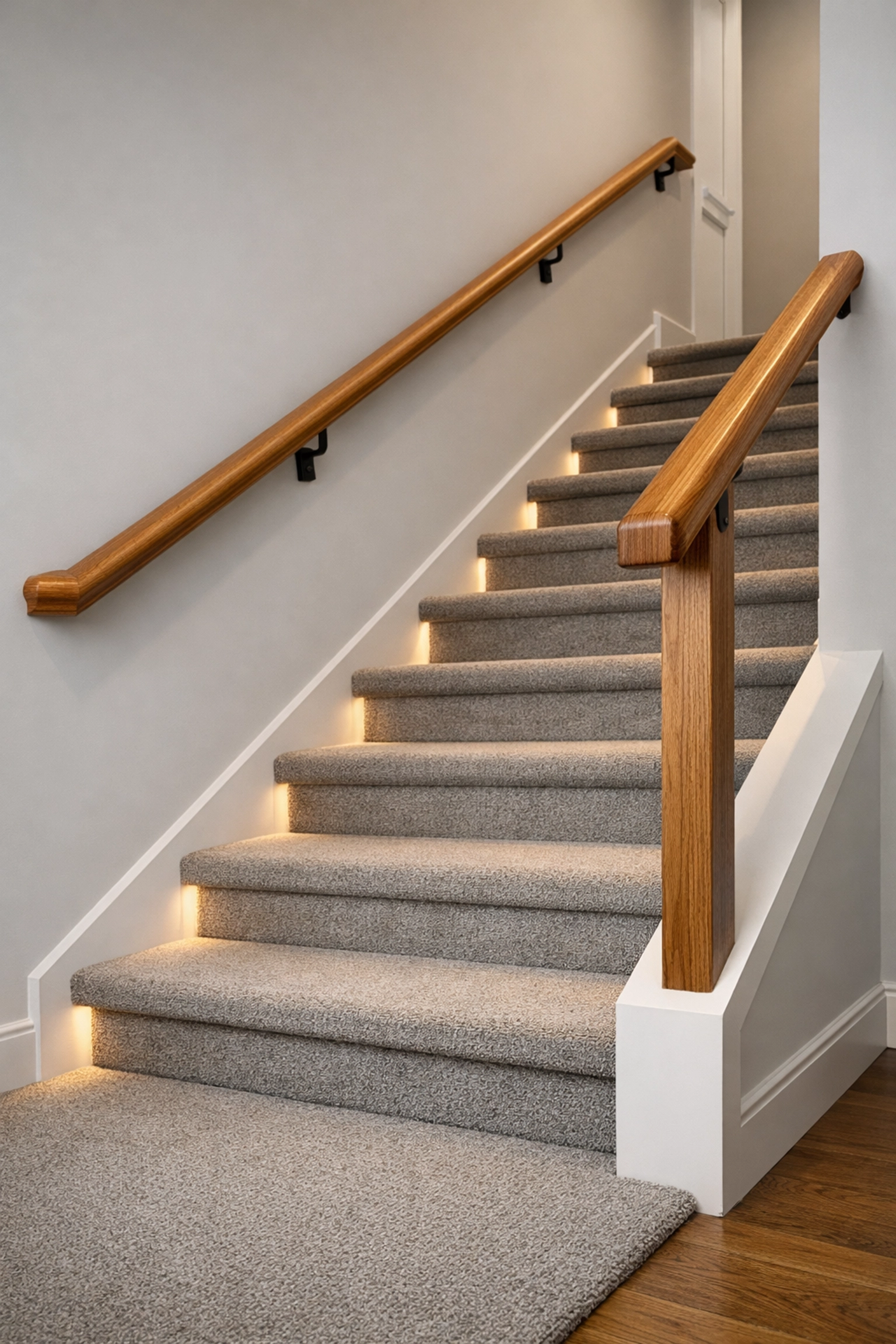
Check your handrails today. They should be rock-solid: no wiggling when you put your full weight on them. Ideally, you should have rails on both sides of the stairs. This allows you to use your strongest side for support regardless of whether you are going up or down.
Another quick fix is "visibility strips." If your stairs are dark wood or uniform carpeting, it can be hard to tell where one step ends and the next begins. Placing a strip of high-contrast tape (like white tape on dark wood) on the edge of each step can help your eyes map the distance correctly.
4. Keeping Unsecured Rugs for "The Look"
I know, rugs make a room feel cozy. But those beautiful area rugs and "throw" rugs are some of the most dangerous items in a home. The edges curl up, creating a lip that catches a toe, or the rug itself slides across a hardwood floor like a magic carpet.
Many people try to fix this by putting heavy furniture on the corners of the rug. While this helps keep the rug in place, it doesn't stop the middle from bunching up or the edges from being a trip hazard.
The Fix:
The safest option is to remove small throw rugs entirely, especially in hallways and bathrooms. If you can’t bear to part with a large area rug, you must secure it properly.
Use double-sided carpet tape or a high-quality non-slip pad that covers the entire underside of the rug. Ensure the edges are flat. If a rug has "curled" edges that won't stay down, it’s time for it to go. Your safety is worth more than the decor.
5. Treating the Bathroom Like a Dry Room
The bathroom is statistically the most dangerous room in the house. This is because we are often dealing with wet surfaces, low lighting (at night), and movements that require significant balance: like stepping over a tub wall or standing up from a low toilet.
The biggest mistake here is relying on "towel bars" for balance. Towel bars are designed to hold the weight of a damp towel, maybe a few pounds at most. They are absolutely not built to support a human being. If you lose your balance and grab a towel bar, it will likely pull right out of the drywall, making the fall even worse.
The Fix:
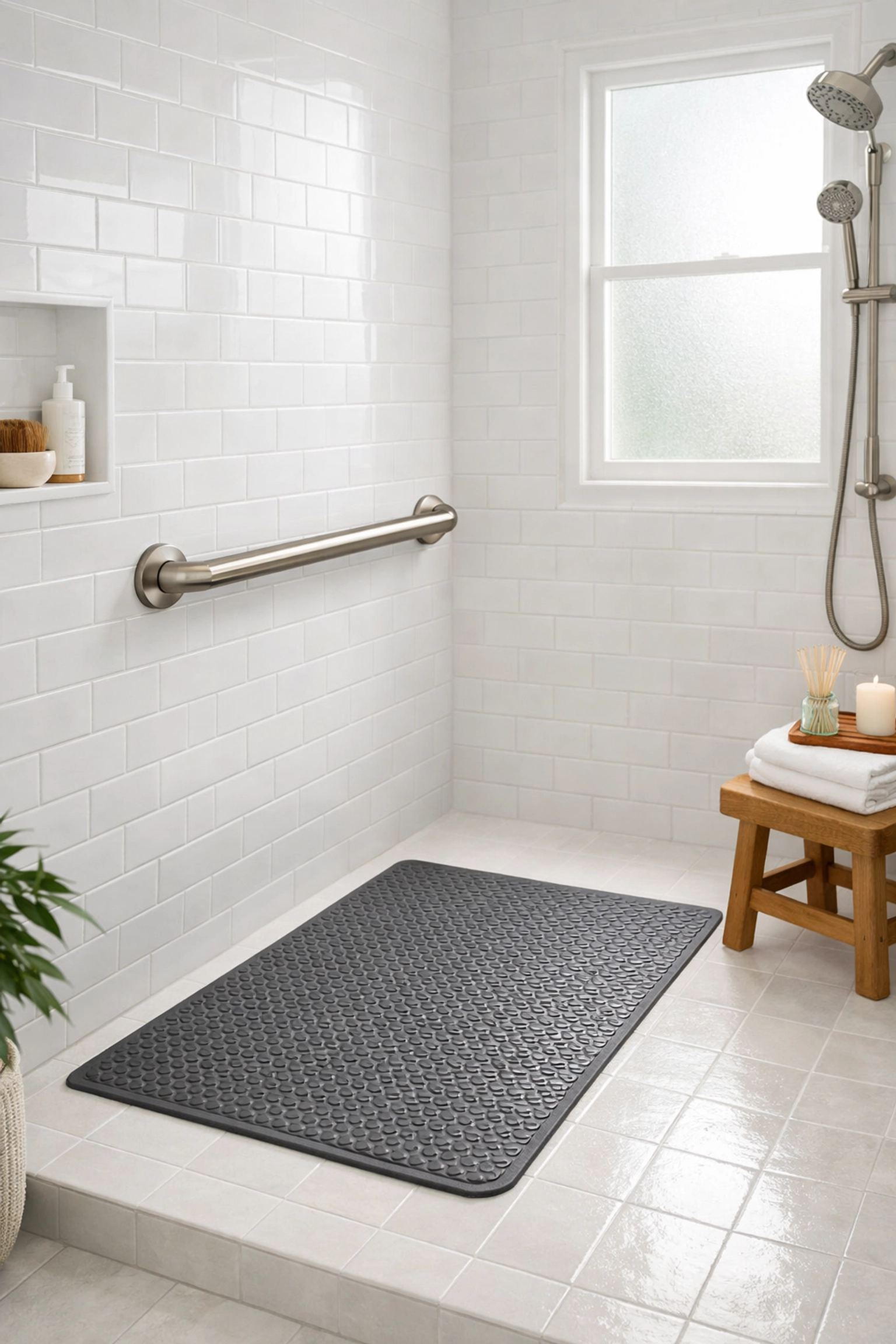
Install real, wall-anchored grab bars. Modern grab bars don't have to look like they belong in a hospital; many come in finishes that match your faucets. Place them inside the shower and next to the toilet.
Also, look at your bath mat. Is it a thin towel that slides around? Replace it with a rubber-backed mat that stays put even when the floor is wet. If you have a walk-in shower, consider a small, sturdy shower bench. Being able to sit while washing your feet eliminates one of the most precarious balancing acts we do daily.
6. Living in the Shadows (Poor Lighting)
As we get older, our eyes require more light to see the same level of detail. A hallway that seemed "fine" a decade ago might now be full of shadows that hide a stray dog toy or a transition in the flooring.
A major mistake is not having a clear "light path" for nighttime bathroom trips. Fumbling for a lamp switch in the dark is a high-risk activity.
The Fix:
Increase the wattage of your bulbs (staying within the fixture's safety limits) and switch to "daylight" or "cool white" bulbs, which often provide better contrast than "warm yellow" bulbs.
Install motion-activated nightlights in the hallway and bathroom. These are inexpensive and mean you never have to walk in the dark. Better yet, look into "smart" bulbs that you can control with your voice. Being able to say, "Computer, turn on the hallway light," before you even get out of bed is a game-changer for safety.
7. Overlooking the "Pet Factor"
We love our pets. They are family. But they are also unpredictable, low-to-the-ground moving obstacles. Dogs like to lean against your legs, and cats have a way of weaving between your ankles right as you’re carrying a heavy laundry basket.
Many falls occur because a person tries to avoid stepping on a pet and, in the process, loses their own balance.
The Fix:
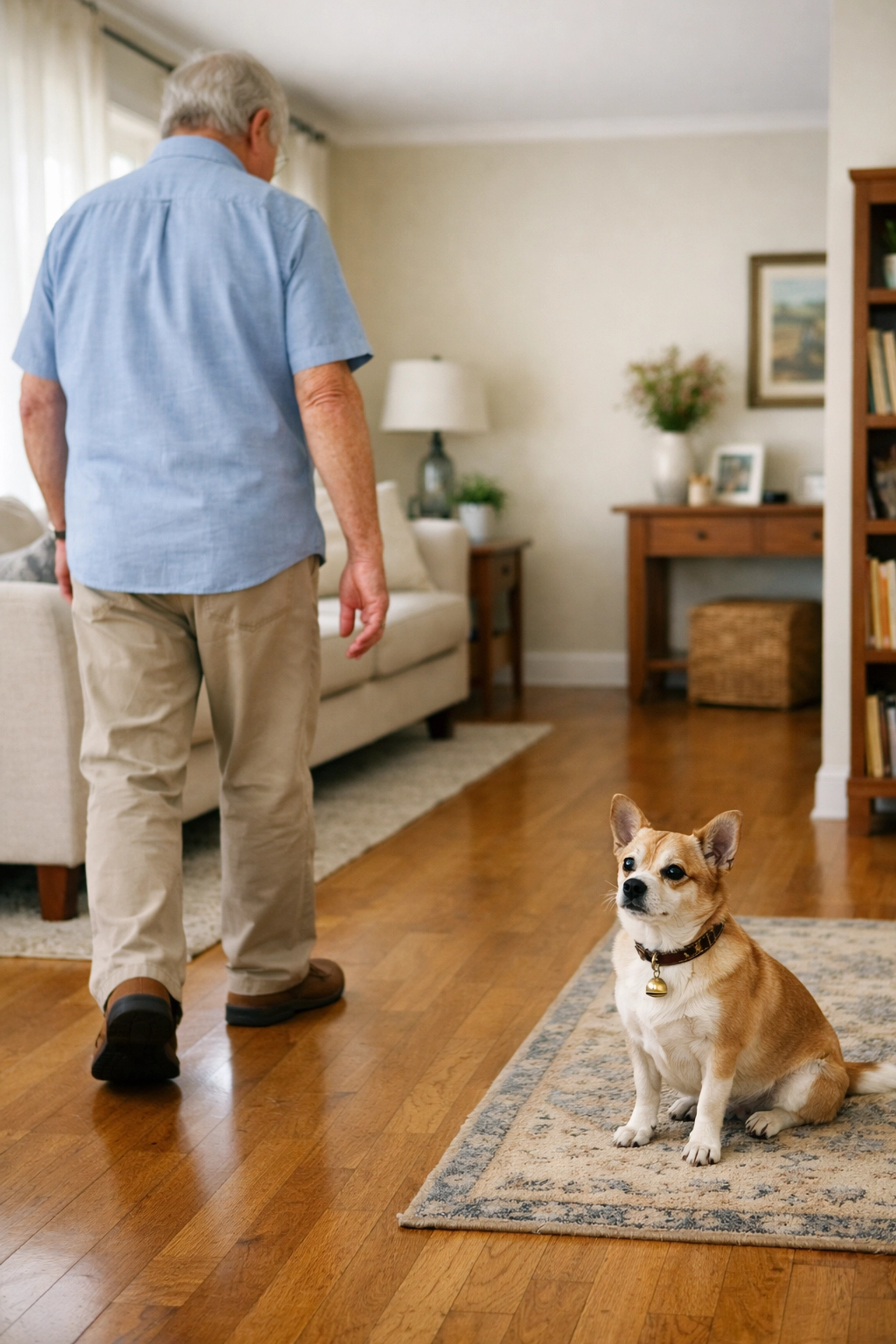
You don't have to get rid of your pets, but you do need a strategy. If your pet is a "tripper," consider putting a small bell on their collar so you always know where they are, even if they are behind you.
When you are moving through the house: especially on stairs: make it a habit to look down and "clear the area" before you start moving. If you’re carrying something that blocks your view of your feet, ask someone else to move the pet, or move in stages so you can keep an eye on your furry friends.
Strength and Balance: The Ultimate Home Fix
While fixing the physical environment is crucial, the "home" is only half of the equation. The other half is you.
A common mistake is thinking that because you are "older," you should move less to avoid falling. In reality, the less you move, the weaker your muscles become, and the higher your risk of falling. Balance is a "use it or lose it" skill.
The Fix:
Focus on functional strength. Exercises that strengthen your legs and your core (the muscles around your midsection) are your best defense against a fall.
Simple movements like "sit-to-stands": where you sit in a sturdy chair and stand up without using your arms for help: can dramatically improve the strength you need for daily life. Balance exercises, such as standing on one leg while holding onto a counter, help your brain and muscles stay in sync.
Always consult with a physical therapist or a doctor before starting a new exercise routine. They can give you a personalized plan that addresses your specific needs.
A Reassuring Path Forward
Home safety isn't about fear; it’s about freedom. By taking a critical look at your living space and fixing these seven common mistakes, you aren't just "preventing a fall": you are ensuring that you can continue to enjoy your home for years to come.
Start small. Pick one room today. Maybe it’s the bathroom, or maybe it’s just clearing that one pile of shoes in the hallway. Every small change adds up to a much safer, more confident life.
Remember, at Fall Guys Products, we believe that staying independent is a team effort. We’re here to provide the information and the perspective you need to stay on your feet and keep moving forward. Be patient with yourself, involve your family in the process, and take it one step at a time.

