
Stairs are one of the most dangerous places in any home. Every year, over one million Americans are injured in stair-related accidents, with falls accounting for the majority of these incidents. For seniors, the statistics are even more sobering, stairway falls can lead to serious injuries that dramatically affect independence and quality of life.
The thing is, most stair accidents aren't random acts of bad luck. They're the result of preventable mistakes that build up over time until something goes wrong. Maybe you've been rushing down the stairs for years without incident. Maybe that loose handrail has been on your to-do list for months. Maybe you've gotten used to navigating poorly lit stairs because you "know them by heart."
Until you don't.
The good news? Most stair safety issues are surprisingly simple to fix once you know what to look for. Let's walk through seven of the most common mistakes people make with stair safety, and exactly how to correct them before they lead to a fall.
Mistake #1: Rushing Up or Down the Stairs
The Problem
We've all done it. You're running late, your hands are full, or you just want to get where you're going. So you hurry down the stairs, taking them two at a time or moving faster than you should.
Rushing is one of the single biggest contributors to stair falls. When you move quickly, you have less time to react if you misstep. Your center of gravity shifts more dramatically with each step. Your attention splits between where you're going and where you're stepping. All it takes is one miscalculation, one moment where your foot doesn't land quite where you expected, and you're tumbling.
The Fix
Take your time. Every single time.
This sounds almost too simple, but it requires a genuine mindset shift. Stairs aren't something to get through, they're something to navigate with intention. Take each step deliberately, one at a time. Keep your pace steady and controlled, especially when descending.
If you find yourself frequently rushing because you're trying to carry too much, make multiple trips instead. Yes, it takes longer. But it's worth the extra minute to avoid a fall that could sideline you for weeks or months.
Mistake #2: Not Using the Handrails
The Problem
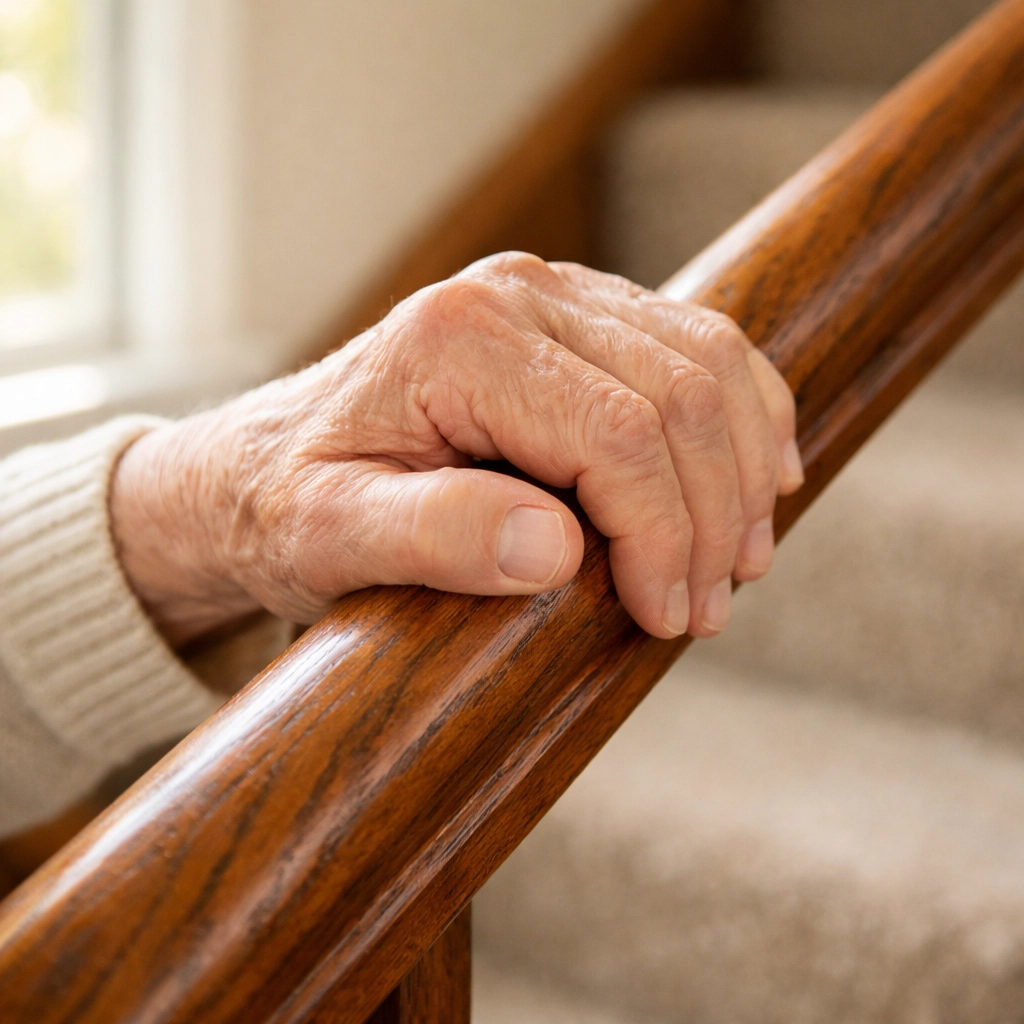
Handrails are there for a reason, yet many people ignore them completely. Maybe you're carrying groceries. Maybe you have your phone in one hand. Maybe you've just gotten into the habit of not using them because the stairs "aren't that steep" or you feel steady on your feet.
Here's what matters: handrails provide essential balance and stability, especially if you do start to stumble. They give you something to grab onto that can prevent a minor misstep from becoming a serious fall. Not using them means you're navigating stairs with zero backup plan.
The Fix
Make handrail use non-negotiable. Every time you use the stairs: ascending or descending: keep at least one hand on the rail.
If you need to carry something, use a bag with a shoulder strap or make two trips. If you're talking on the phone, put it on speaker or call back when you reach your destination. There's no item or call important enough to risk a fall.
The concept of "two points of contact" is crucial here. Whether it's two feet on each step with one hand on the rail, or moving more carefully with consistent contact, that connection to the handrail gives you stability and reaction time you won't have otherwise.
Mistake #3: Wearing the Wrong Footwear
The Problem
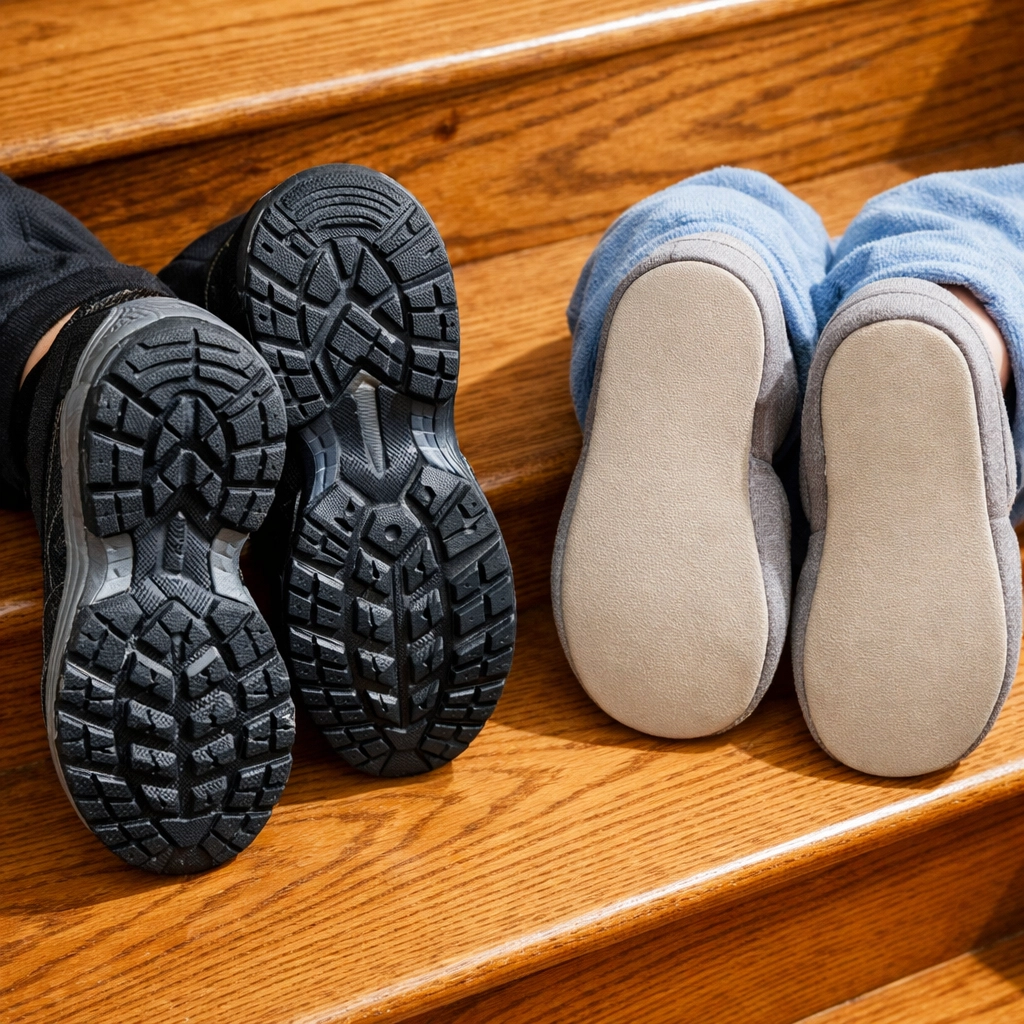
Socks on hardwood stairs. Slippers with smooth bottoms. High heels. Shoes with worn-out treads. Footwear choices might seem minor, but they're a major factor in stair safety.
Socks offer almost no traction, especially on wood or tile stairs. Slippers often have smooth soles that slide easily. High heels change your center of gravity and reduce your contact with each step. Even regular shoes with worn-down treads can slip when you least expect it.
The Fix
Wear proper footwear every time you use the stairs. This means:
- Well-fitting shoes that stay securely on your feet
- Non-slip soles with good tread
- Low, stable heels (if any heel at all)
- Shoes that are tied or fastened properly
If you prefer being barefoot or in socks around the house, consider non-slip socks with rubberized grips on the bottom. These give you the comfort of socks with significantly better traction.
Keep a pair of appropriate shoes near the stairs if needed, especially if you have stairs you use frequently throughout the day. Make putting them on part of your routine before heading up or down.
Mistake #4: Tolerating Poor Lighting
The Problem
Dim lighting on stairs is dangerous, plain and simple. When you can't clearly see where one step ends and the next begins, you're essentially navigating by feel and memory. That works fine until something changes: until there's an object on a step, until your depth perception is slightly off, until shadows create visual confusion.
Many homes have single light switches at either the top or bottom of stairs, but not both. This means you're either climbing up to a dark landing or descending into darkness. Both scenarios set you up for trouble.
The Fix
Lighting fixes should be a top priority for stair safety. Here's what to implement:
Install bright, even overhead lighting that illuminates the entire staircase. LED lights are excellent: they're bright, energy-efficient, and long-lasting.
Add light switches at both the top and bottom of every staircase. Three-way switches allow you to turn lights on or off from either location, so you never have to navigate dark stairs.
Consider motion-sensor lights that turn on automatically when someone approaches. These are especially helpful for stairs you use at night.
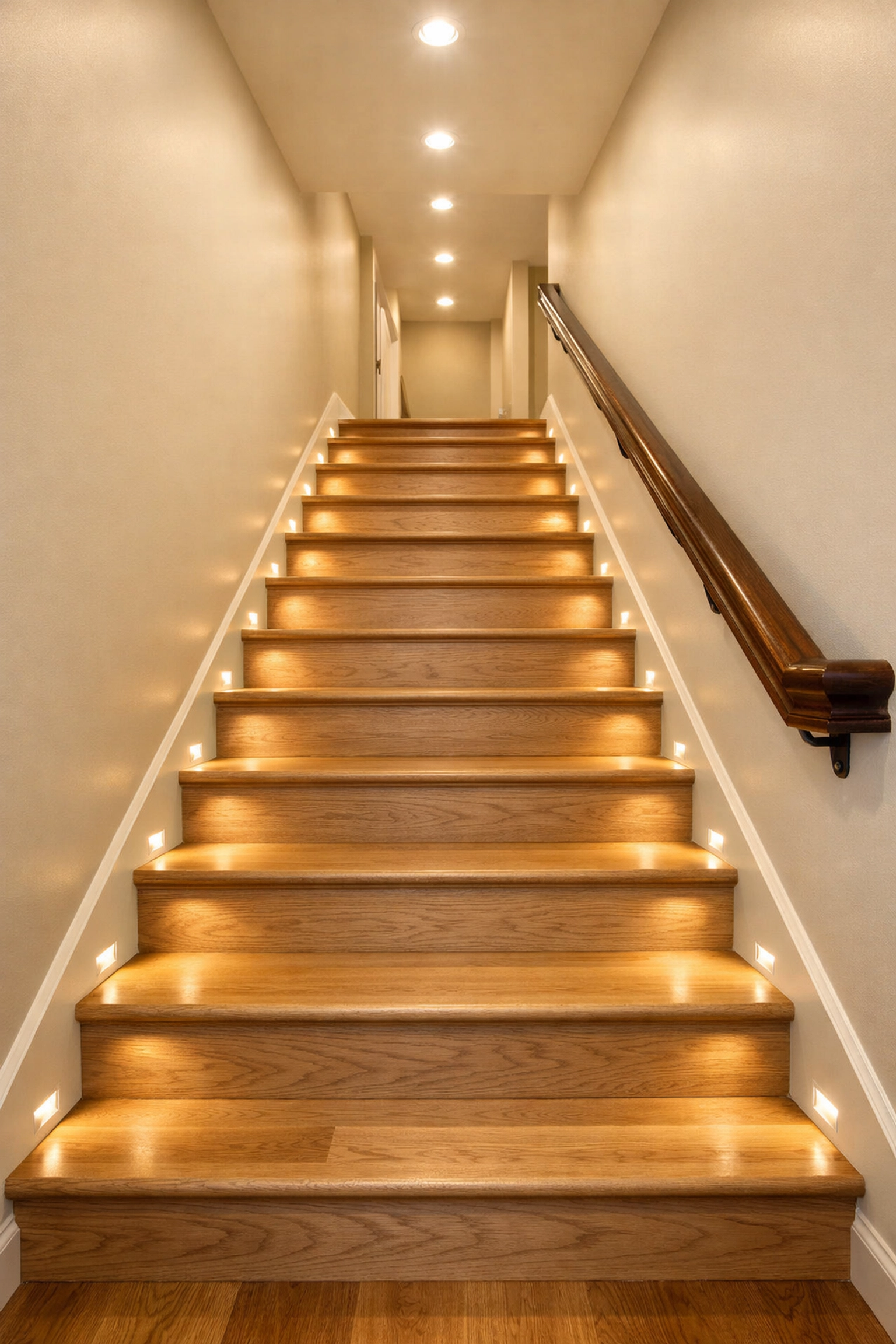
If your stairs are particularly long or have turns, consider step lighting: small lights installed directly into or along the steps themselves. These create clear visual definition between steps while adding ambient light.
Mistake #5: Leaving Stairs Cluttered
The Problem
Stairs become convenient temporary storage. You set something down on a step "just for a minute" to carry up later. Kids leave toys. Shoes accumulate. Pet items appear. Before you know it, your stairs have become an obstacle course.
Every item on the stairs is a potential tripping hazard. Even small objects can cause serious falls if your foot lands on them unexpectedly or if you have to navigate around them, throwing off your normal stepping pattern.
The Fix
Establish a firm rule: stairs are for walking on, period. Not for storage, not even temporarily.
If items need to go upstairs, place them at the bottom in a designated basket or area that's completely off the stairs themselves. When you're ready to go up, carry them with you. Same principle for items coming down.
Make a quick visual sweep of your stairs daily. If something has appeared, move it immediately. This takes seconds but prevents the gradual accumulation that makes stairs hazardous.
Be especially vigilant about:
- Electrical cords running across stairs
- Pets' toys or food bowls
- Shoes and slippers
- Bags and backpacks
- Loose clothing items
Mistake #6: Ignoring Maintenance Issues
The Problem
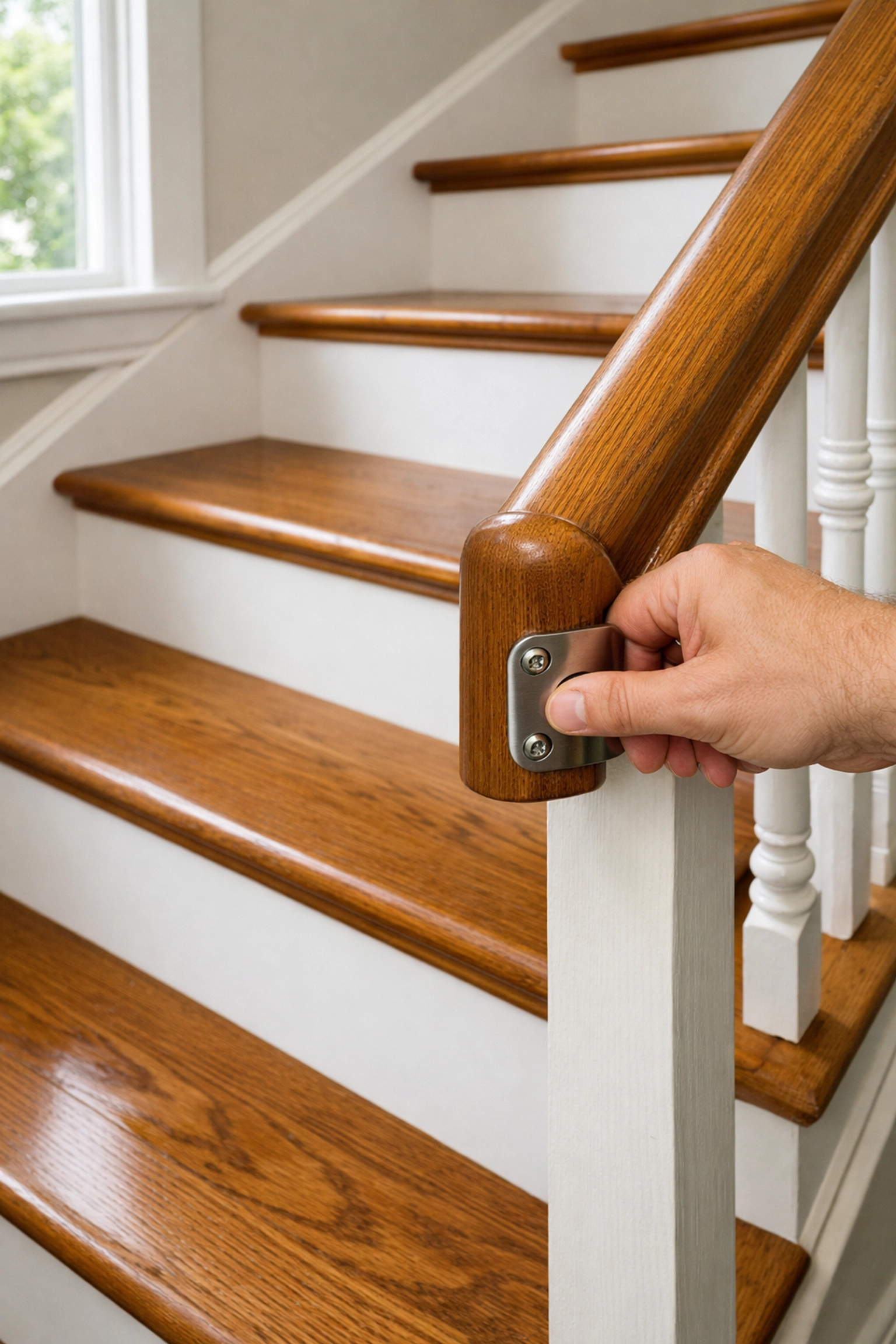
Stairs take daily wear and tear. Over time, treads can loosen, carpet can wear thin, wood can crack, and handrails can wobble. These issues often develop gradually, so you adapt to them without realizing how dangerous they've become.
A loose handrail won't support you when you need it. A cracked step can catch your foot or give way. Worn carpet creates uneven surfaces that are easy to catch your toe on. These aren't cosmetic issues: they're safety hazards waiting to cause a fall.
The Fix
Inspect your stairs regularly and systematically. Once a month, walk your stairs slowly and deliberately, checking for:
- Loose or wobbly handrails (tighten mounting brackets immediately)
- Treads that feel spongy or loose (secure with screws, not just nails)
- Cracks in wood treads (fill small cracks; replace seriously damaged treads)
- Worn carpet edges (repair or replace before they become trip hazards)
- Squeaky steps (often indicate loosening that needs attention)
Don't wait to address problems. A loose handrail might seem like a minor annoyance until the moment you grab it during a stumble and it gives way. The few minutes or modest expense of fixing these issues now is infinitely better than dealing with a fall injury.
For structural concerns beyond basic maintenance, bring in a qualified professional. Sagging stairs, major cracks, or significant wobbling may indicate problems that need expert assessment.
Mistake #7: Not Addressing Slippery Surfaces
The Problem
Slippery stairs are incredibly dangerous. This includes inherently slick surfaces like polished hardwood or tile, but also temporary conditions like wet stairs from tracked-in rain, spills, or humidity.
Even stairs that seem fine in normal conditions can become hazardous. Waxed wood floors look beautiful but offer little traction. Smooth tile in an entryway near exterior stairs can get wet from weather. Painted stairs, especially with glossy paint, can be surprisingly slippery.
The Fix
Add traction to slippery stairs immediately. Several options work well:
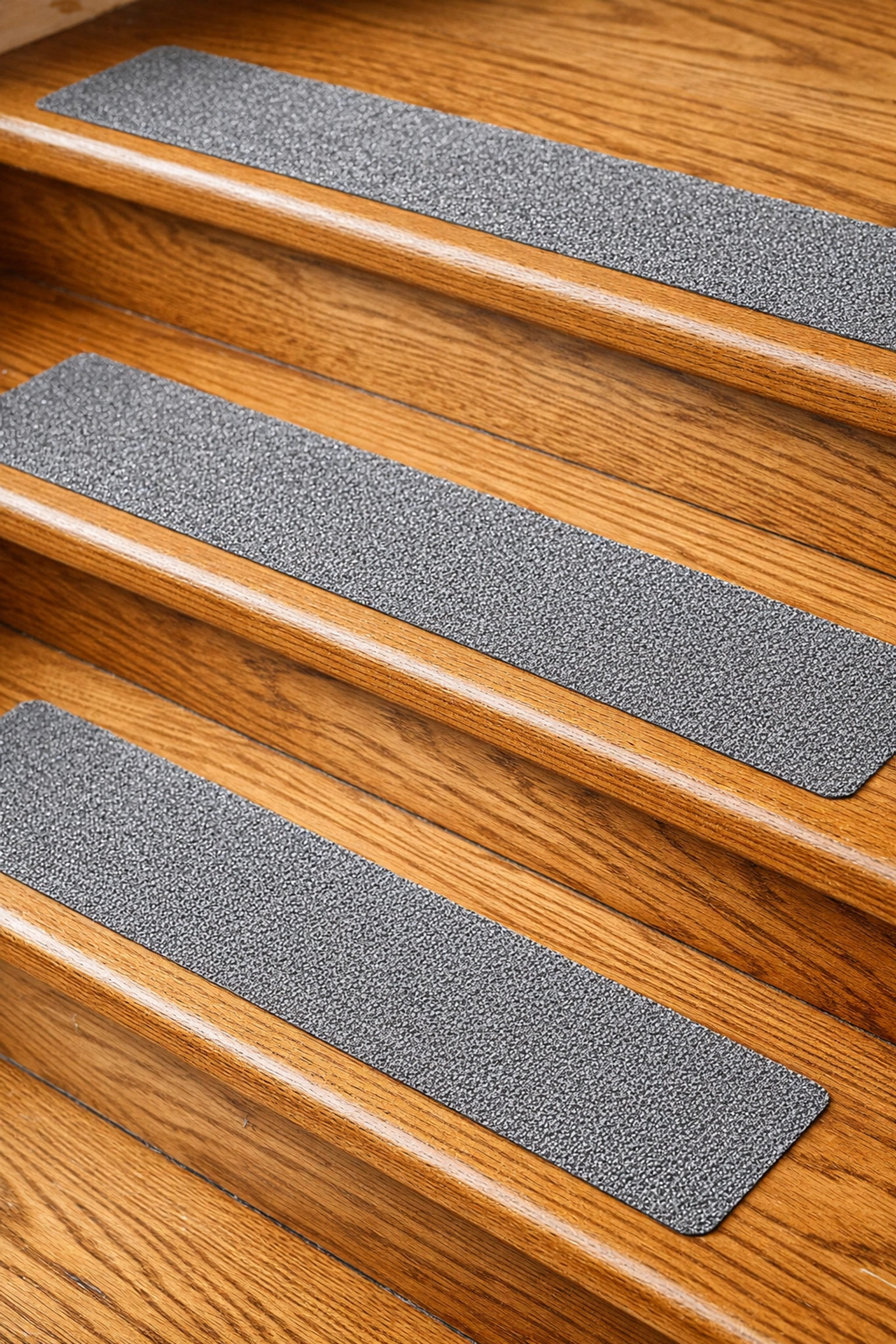
Non-slip stair treads attach to each step and provide textured, grippy surfaces. These come in various materials: rubber, carpet, or tape-style products: and can be found at hardware stores. Choose ones that adhere firmly and won't peel up at the edges.
Anti-slip coating can be applied directly to wood or concrete stairs. These products add a slightly rough texture that increases traction without being uncomfortable or looking industrial.
Textured mats or runners work well for some staircases, especially carpeted ones that have become slick over time. Make sure any mat or runner is securely fastened at top, bottom, and along the sides so it can't shift or bunch up.
Beyond permanent solutions, stay vigilant about temporary slippery conditions:
- Clean up any spills immediately
- Put down mats during wet weather if your stairs are near an entrance
- Salt or sand exterior stairs in winter before ice forms
- Use a dehumidifier if humidity makes indoor stairs slick
Putting It All Together
Stair safety isn't about making one big change: it's about addressing multiple small factors that collectively make a huge difference. When you slow down, use the handrails, wear proper shoes, ensure good lighting, keep stairs clear, maintain them properly, and add traction where needed, you create layers of protection against falls.
Go through your home today and assess each staircase against these seven points. You'll likely find at least a few areas that need attention. Prioritize based on what's most hazardous: a loose handrail or very slippery stairs demand immediate action, while adding better lighting might take a bit more planning.
The goal isn't perfection. It's progress. Each improvement you make reduces your fall risk and increases your confidence navigating your own home. And that peace of mind: knowing your stairs are as safe as you can make them( is worth every bit of effort.)

