
Stairs are one of the most dangerous spots in any home. According to safety data, hundreds of thousands of people end up in emergency rooms each year due to stair-related injuries. The thing is, most of these accidents are completely preventable.
You might think you're being careful on the stairs, but there are probably some habits you've picked up over the years that are putting you at risk. Whether you're a senior looking to stay independent, a caregiver worried about your loved one, or just someone who wants to make their home safer, understanding these common mistakes can make a real difference.
Let's walk through the seven most common stair safety mistakes people make every day, and more importantly, how to fix them right now.
Mistake #1: Racing Down the Stairs Like You're Late for Something
We've all done it. You're in a hurry, you've got things to do, and those stairs are just in your way. So you rush down them without thinking twice.
This is actually the number one cause of stair accidents. When you rush, your foot placement gets sloppy. You might skip steps, land awkwardly, or simply lose your balance. One misstep at speed can send you tumbling, and the injuries from stair falls can be serious, broken bones, head trauma, and worse.
How to Fix It:
Slow down. Period. It sounds simple, but it takes conscious effort to break the rushing habit.
Before you start descending, take a breath and remind yourself that an extra ten seconds on the stairs is worth avoiding weeks of recovery from an injury. Hold the handrail, place each foot deliberately on each step, and focus on what you're doing.
If you're a senior or have balance issues, consider the "one step at a time" method: place both feet on one step before moving to the next. Yes, it's slower, but it's also significantly safer.
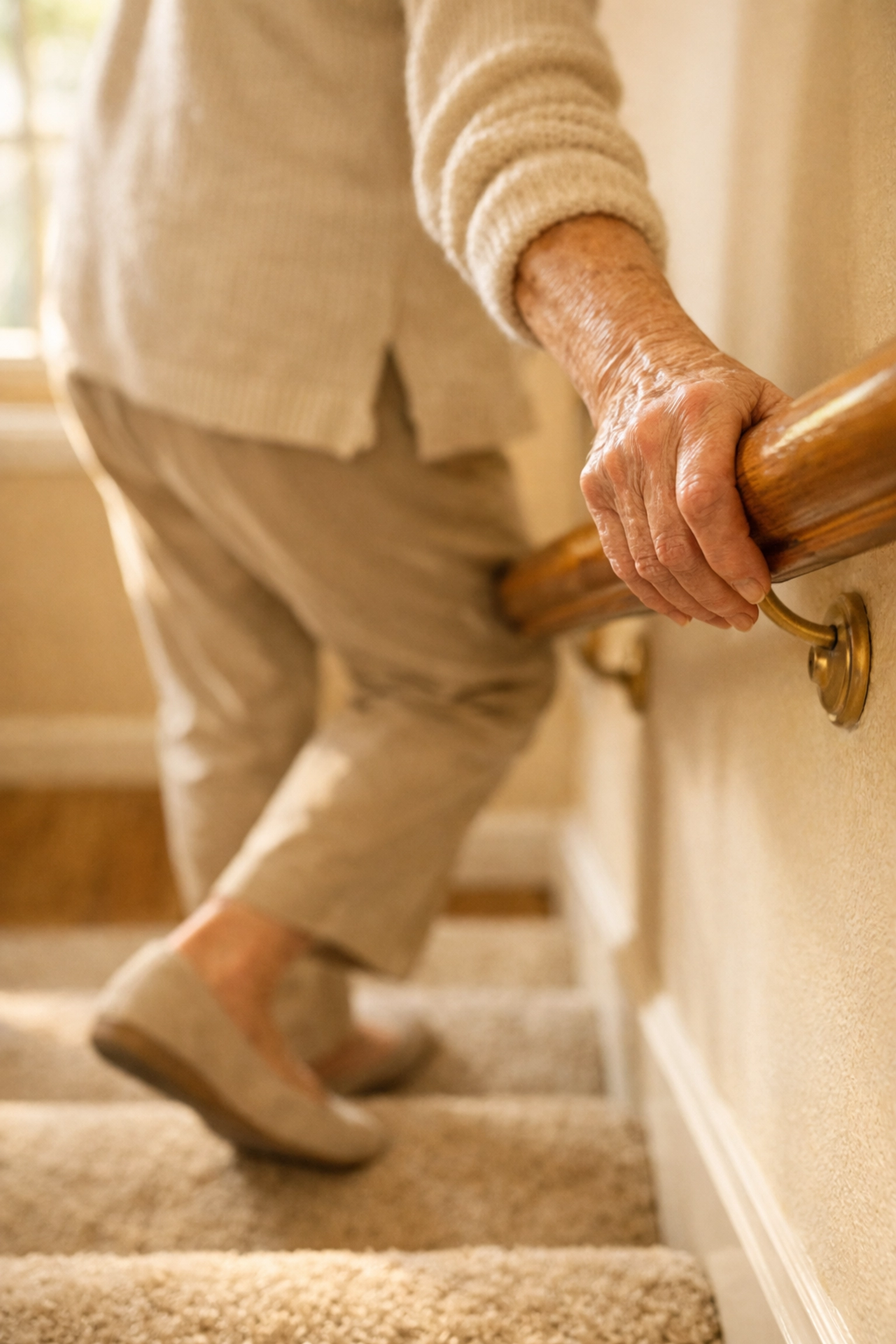
Mistake #2: Not Using the Handrail (or Not Having One That Works)
Here's a shocking statistic: not using handrails is one of the most common contributing factors to stair accidents. Yet many people treat handrails like they're optional equipment.
Maybe you're carrying something in both hands. Maybe you think you don't need it. Maybe your handrail is loose and you've just gotten used to not relying on it.
Whatever the reason, not using a handrail: or having one that's loose, missing, or poorly placed: dramatically increases your fall risk.
How to Fix It:
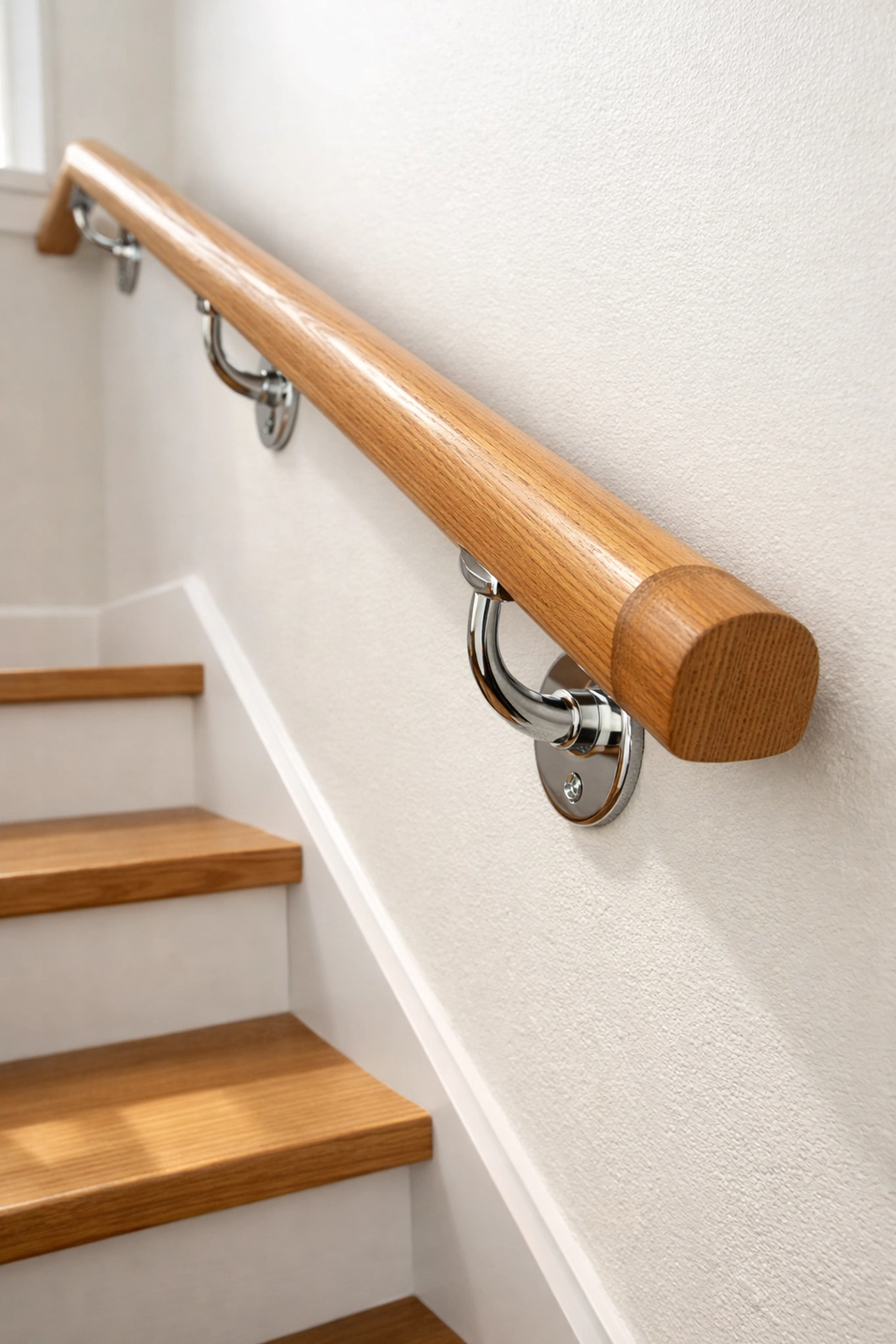
First, check your handrails right now. Are they securely fastened? Do they wobble when you put weight on them? Do they extend beyond the top and bottom of your staircase?
If your handrails aren't up to par, fix them immediately. Tighten loose screws, replace broken sections, and make sure they extend at least one foot beyond the top and bottom steps so you have something to grab before you even start climbing or descending.
Then comes the habit part: always use the handrail. Every single time. Even if you're carrying something, put it down and make two trips if needed. Your handrail is your insurance policy against a fall.
For homes without handrails (looking at you, basement stairs), installing them should be your top priority. It's a simple modification that could save you from a serious injury.
Mistake #3: Trying to Navigate Stairs in Bad Lighting
Ever tried to go down stairs in the dark or dim light? Your depth perception goes out the window. You can't clearly see where one step ends and the next begins. You can't spot that toy someone left on the third step or that spill on the landing.
Poor lighting on stairways is a recipe for disaster, especially for seniors whose vision may already be compromised.
How to Fix It:
Lighting is one of the easiest and most effective stair safety improvements you can make.
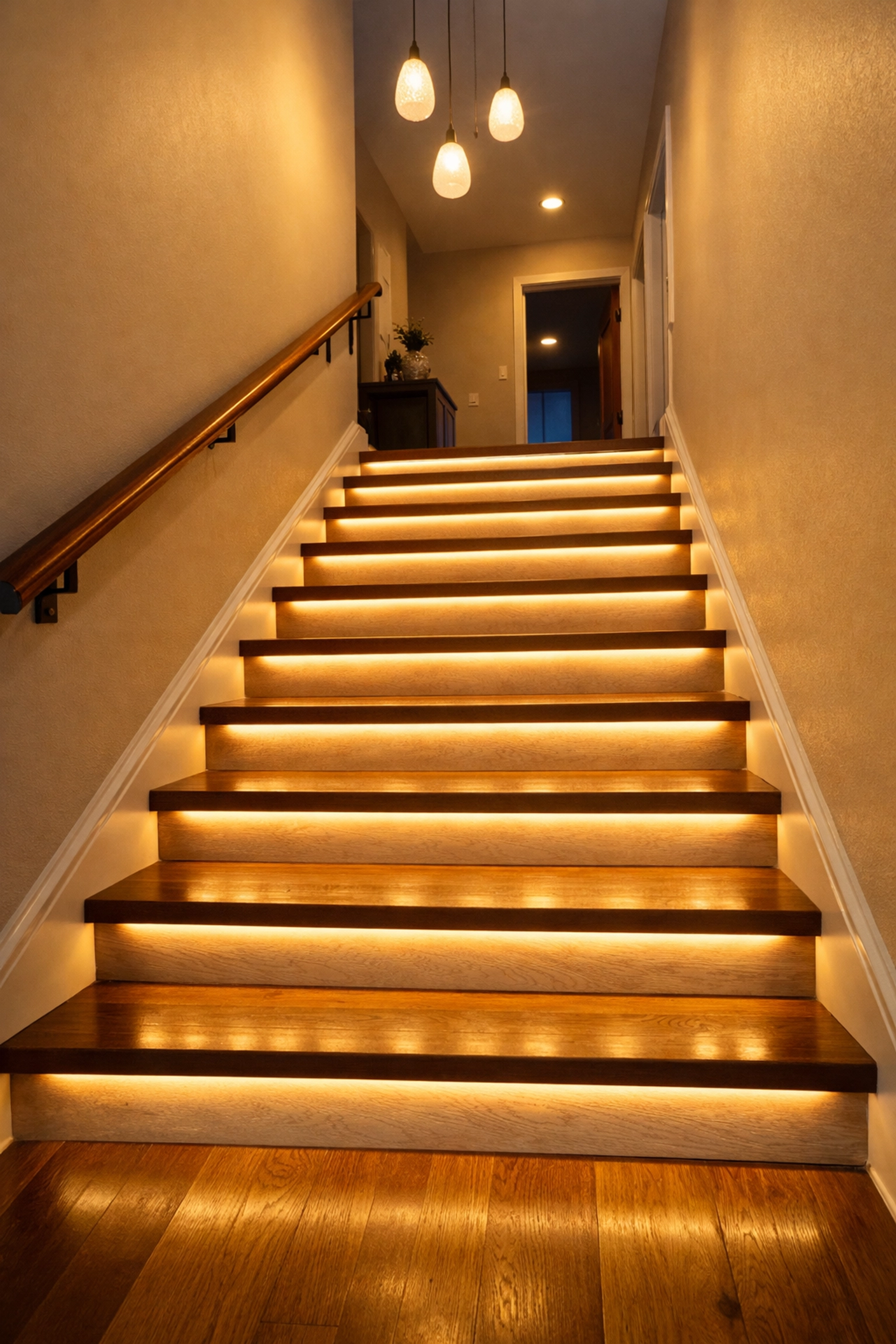
Install bright overhead lighting that illuminates the entire staircase. Make sure you have light switches at both the top and bottom of the stairs so you never have to navigate in the dark.
For extra safety, consider these lighting upgrades:
- Motion-sensor lights that turn on automatically when you approach
- LED strip lighting along the edges of steps to clearly define each tread
- Night lights at the top and bottom of stairs for nighttime safety
- Higher wattage bulbs in existing fixtures (check the maximum recommended wattage first)
If you find yourself navigating stairs at night frequently, stick-on LED strips or battery-powered motion lights are inexpensive solutions that don't require an electrician.
Don't forget: keep a flashlight handy in case of power outages, and replace burnt-out bulbs immediately. No exceptions.
Mistake #4: Using Your Stairs as a Storage Area
Stairs are for walking. That's it. They're not a temporary holding zone for things you'll "put away later."
But many homes treat stairs like a staging area. Shoes by the second step. A bag of groceries on the landing. That Amazon box you haven't opened yet. Kids' toys scattered across multiple steps. Maybe even an extension cord snaking across the stairway.
Each of these items is a tripping hazard waiting to cause an accident. Cluttered stairs are especially dangerous when you're going down, since you might not see the obstruction until it's too late.
How to Fix It:
Adopt a zero-tolerance policy for items on stairs.
Make it a house rule: nothing gets left on the stairs, ever. If something needs to go upstairs or downstairs, carry it all the way to its destination right then: don't leave it on the steps "for later."
For families, this might require some training and reminders. Set up designated drop zones at the top and bottom of stairs where items can wait temporarily (not on the steps themselves) until someone has time to put them away properly.
Do a daily sweep of your stairways, especially if you have children or multiple people in the household. Even things that seem harmless: like a throw rug near the top of the stairs or a pet bed on the landing: can become trip hazards.
Clear stairs save lives. It's that simple.
Mistake #5: Wearing Risky Footwear on Stairs
Socks. Slippers. High heels. Smooth-soled shoes. Flip-flops.
What do these all have in common? They're turning your stairs into a slip-and-slide.
Footwear choices play a huge role in stair safety, but most people don't think twice about heading up or down stairs in whatever they're wearing. Socks might feel comfortable around the house, but they offer zero traction on smooth stairs. Slippers can slip off mid-step. High heels affect your balance and foot placement.
How to Fix It:
Be intentional about what you wear on stairs.
The safest option is well-fitting shoes with non-slip rubber soles that provide good traction and ankle support. Athletic shoes or walking shoes are ideal.
If you prefer to go barefoot at home, barefoot is actually safer than socks: skin provides better grip than fabric. Just make sure your stairs are clean and free of debris that could cause injury.
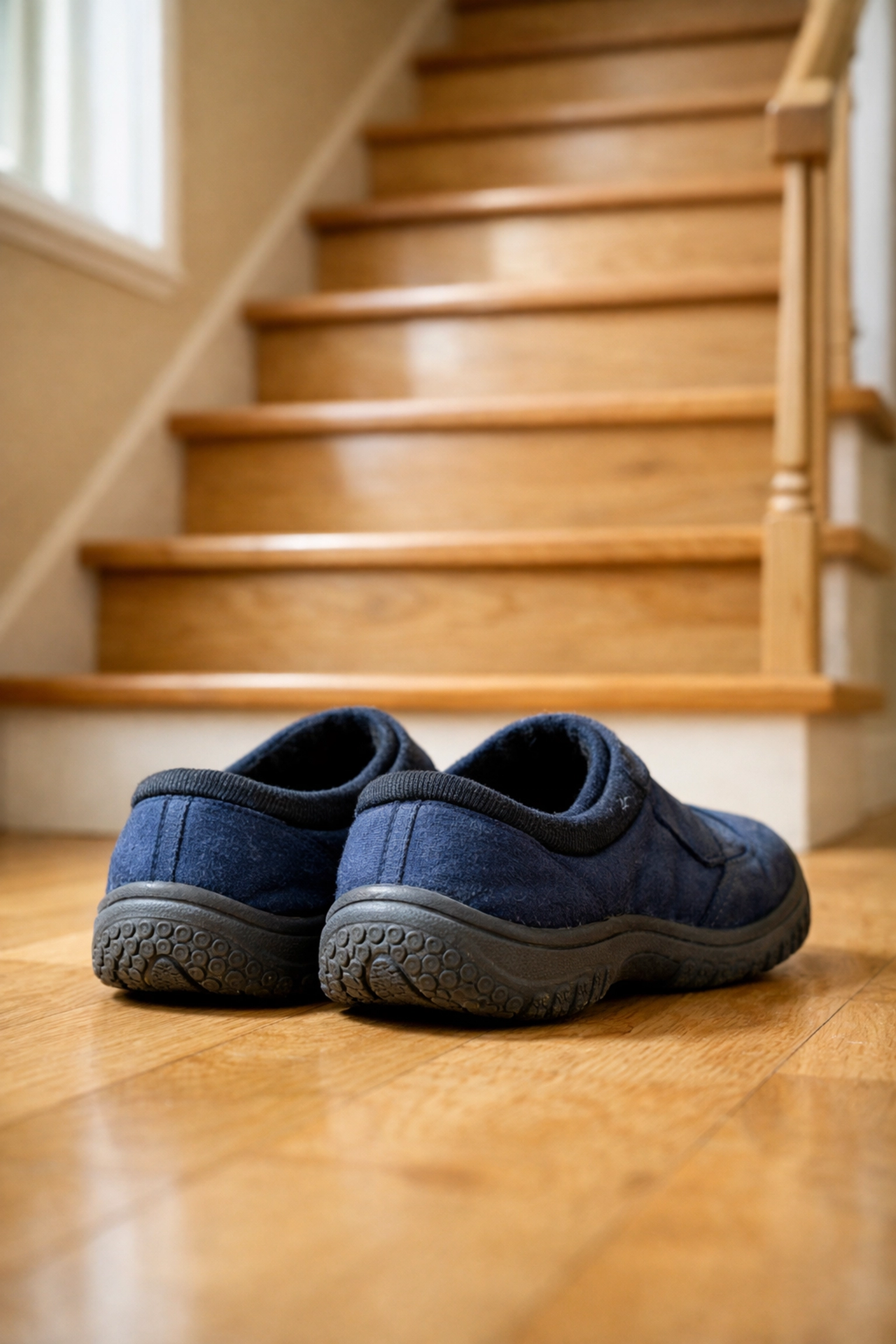
For seniors or anyone with balance issues, consider keeping a dedicated pair of non-slip indoor shoes near the stairs. These shoes should have:
- Non-slip rubber soles with good tread
- Secure fit (nothing that slides around or comes off easily)
- Low heels
- Good arch support
Avoid stairs in socks, loose slippers, or any footwear that doesn't fit securely. If you must wear slippers, invest in ones with rubber soles that have grip.
Mistake #6: Ignoring Maintenance Issues
Stairs take a beating. Over time, treads can crack, carpet can wear thin and become loose, wood can warp, and structural elements can weaken.
Many people notice these issues: that loose carpet edge, that slightly wobbly step, that crack in the wood: but put off repairs. "I'll get to it eventually," they think. Meanwhile, these seemingly minor problems are accident magnets.
Worn carpet edges can catch your toe. Loose steps can give way unexpectedly. Uneven treads make it hard to maintain consistent footing. Each of these is a fall waiting to happen.
How to Fix It:
Make stair inspection and maintenance a regular habit.
Walk your stairs once a month and check for:
- Loose, cracked, or warped steps
- Worn, loose, or torn carpeting
- Loose handrails or balusters
- Squeaky or unstable treads
- Protruding nails or screws
- Uneven surfaces or height differences between steps
For minor issues, many fixes are straightforward:
- Tighten loose treads by replacing nails with screws
- Use wood glue or construction adhesive to reinforce joints
- Fill small gaps with wood shims
- Secure loose carpet with tacks or adhesive
- Tighten loose handrail brackets
For more significant problems: heavily worn treads, structural issues, or major carpet damage: don't DIY it if you're not confident. Hire a professional to ensure repairs are done safely and correctly.
Remember: stairs are a safety-critical part of your home. They deserve the same attention you'd give to any other important system, like your heating or plumbing.
Mistake #7: Ignoring Slippery Surfaces and Traction Issues
Smooth, polished stairs might look beautiful, but they can be dangerously slippery, especially when wet. Even dry stairs with worn finishes can lack adequate traction.
Common culprits include:
- Waxed or polished wood stairs
- Marble or tile steps (especially when wet)
- Worn finish that's become smooth over time
- Stairs that get wet from tracked-in rain or snow
- Outdoor stairs exposed to weather
Many people don't realize their stairs are slippery until they experience a near-miss or an actual fall.
How to Fix It:
Adding traction to stairs is straightforward and affordable.
For indoor stairs, consider:
- Non-slip stair treads (available in adhesive strips or carpet-style options)
- Anti-slip tape in high-traffic areas
- Textured mats or runners with non-slip backing
- Anti-slip coating products designed for stairs
For outdoor stairs, maintenance is equally important:
- Keep stairs clear of leaves, ice, and snow
- Apply salt or sand during winter weather
- Install non-slip treads designed for outdoor use
- Ensure proper drainage so water doesn't pool on steps
Regular cleaning also matters. Dust, dirt, and spills can all reduce traction. Sweep or vacuum stairs regularly, and immediately clean up any spills.
If you have elderly family members or anyone with mobility challenges in your home, traction improvements should be a top priority. The small investment in non-slip products can prevent a life-changing injury.
Making Stair Safety a Lasting Habit
The good news is that none of these fixes require a major renovation or significant expense. Most stair safety improvements are simple, practical changes that anyone can make.
The key is awareness and consistency. Once you recognize these common mistakes, you can start changing your behavior and your environment. Check your stairs today. Fix what needs fixing. Adjust your habits. And remember that those few extra seconds of caution on the stairs are a small price to pay for staying safe and independent.
Stair safety isn't about being fearful: it's about being smart. With these fixes in place, you can navigate your stairs confidently, knowing you've eliminated the most common hazards that cause falls.

