
Here's something most people don't realize until it happens to them or someone they love: most falls at home aren't random accidents. They're predictable events with specific causes, which means they're also largely preventable.
Every year, millions of older adults fall at home. Some falls result in minor bumps and bruises. Others lead to serious injuries that change lives. But here's the good news: research consistently shows that most falls happen because of a handful of common, fixable issues.
Let's break down what actually causes falls at home and, more importantly, what you can do about it.
The Two-Part Problem: Your Body and Your Home
Falls rarely happen for just one reason. Instead, they're usually the result of a perfect storm where physical changes meet environmental hazards.
Think of it like this: a wet bathroom floor might not cause a fall if you have excellent balance and quick reflexes. Similarly, declining balance might not be a problem if your home is perfectly adapted for safety. But when these factors combine, that's when falls happen.
What's Happening Inside Your Body
As we age, several physical changes increase fall risk, even if we feel perfectly healthy:
Muscle weakness and balance issues top the list. After age 30, we naturally lose muscle mass if we're not actively working to maintain it. Weaker leg muscles make it harder to catch yourself if you start to stumble. Balance, something most of us take for granted, relies on a complex system involving your inner ear, vision, muscles, and joints. When any part of this system weakens, your fall risk increases.
Vision changes play a bigger role than most people expect. You might not notice your depth perception declining or that you're not seeing obstacles in dim lighting until you trip over something you simply didn't see clearly.
Medications are a major hidden factor. Many common medications, from blood pressure drugs to sleep aids, can cause dizziness, confusion, or drowsiness. When you're taking multiple medications, the effects can multiply. One study found that people taking four or more medications have a significantly higher fall risk.

Chronic health conditions like diabetes, heart disease, Parkinson's, or arthritis all affect your stability in different ways. Diabetes can cause nerve damage that affects feeling in your feet. Heart conditions might cause dizziness. Arthritis can affect your gait and balance.
Previous falls matter more than you'd think. If you've fallen before, even outdoors, research shows you're eight times more likely to fall indoors. Sometimes this is physical (an injury that hasn't fully healed), but often it's psychological: fear of falling can actually make you more likely to fall by causing cautious, unstable movements.
Where Falls Actually Happen in Your Home
If we could create a heat map of fall locations, two areas would light up immediately: the bathroom and the bedroom.
The Bathroom: Fall Central
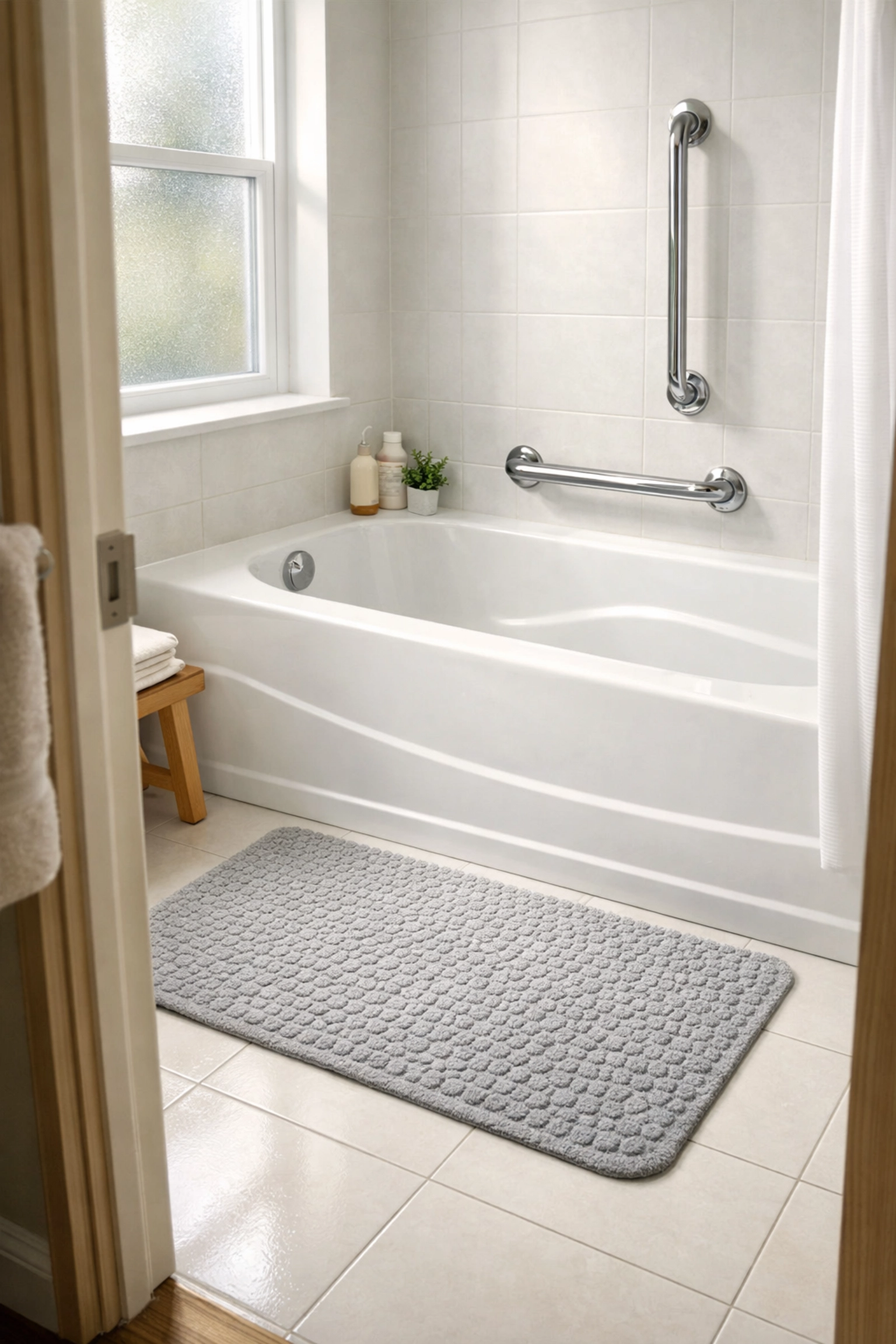
The bathroom is, hands down, the most dangerous room in most homes. This makes perfect sense when you think about it. You've got:
- Wet, slippery surfaces
- Hard tile floors
- People moving around without shoes
- Activities that require balance (getting in and out of the tub or shower)
- Often poor lighting
- Tight spaces that make it hard to catch yourself
Slipping on a wet bathroom floor is one of the most common causes of falls. It happens when getting out of the shower, stepping on a wet bath mat, or even walking on a floor that's been mopped.
The Bedroom and Beyond
The bedroom ranks second for fall locations, particularly when:
- Getting out of bed (especially at night for bathroom trips)
- Rising from a chair or sitting down
- Bending to pick something up
- Reaching for items in closets
Nighttime falls are especially common. You're groggy, the lighting is poor, and you might be rushing to get to the bathroom. This combination is responsible for countless injuries.
The Environmental Culprits You Can Fix Today
Now let's talk about the hazards in your home that dramatically increase fall risk: and the good news is, these are things you can actually control.
The Usual Suspects
Clutter and objects on the floor are involved in a huge percentage of falls. This includes:
- Shoes left in walking paths
- Piles of newspapers or magazines
- Pet toys
- Electrical cords crossing walkways
- Boxes or bags sitting on the floor
One item you don't expect to trip over isn't a problem. But when your home has multiple tripping hazards, it's only a matter of time.
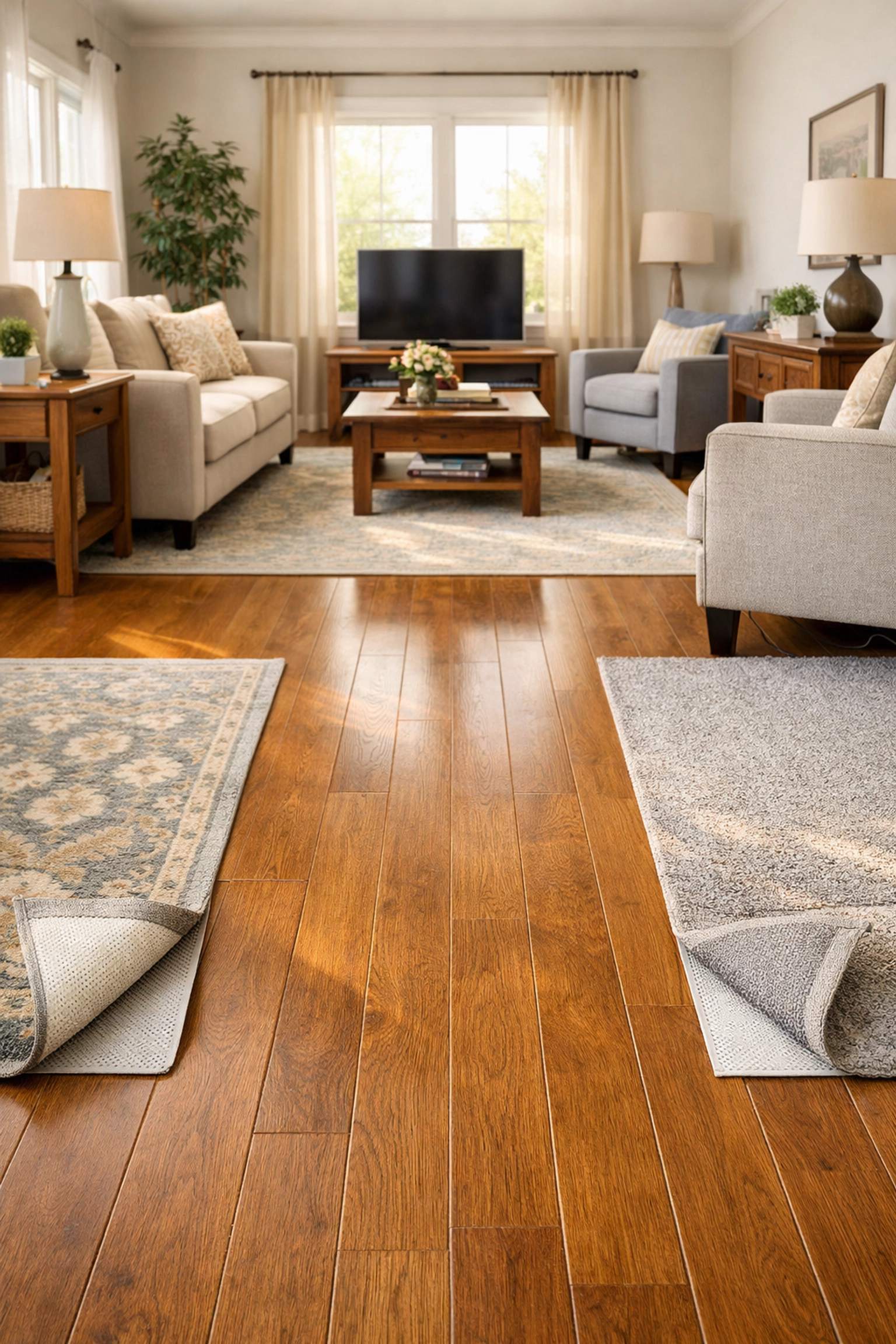
Throw rugs and mats are surprisingly dangerous. They slide, they bunch up, and their edges catch on feet and assistive devices. Even rugs with rubber backing can shift on certain floor types.
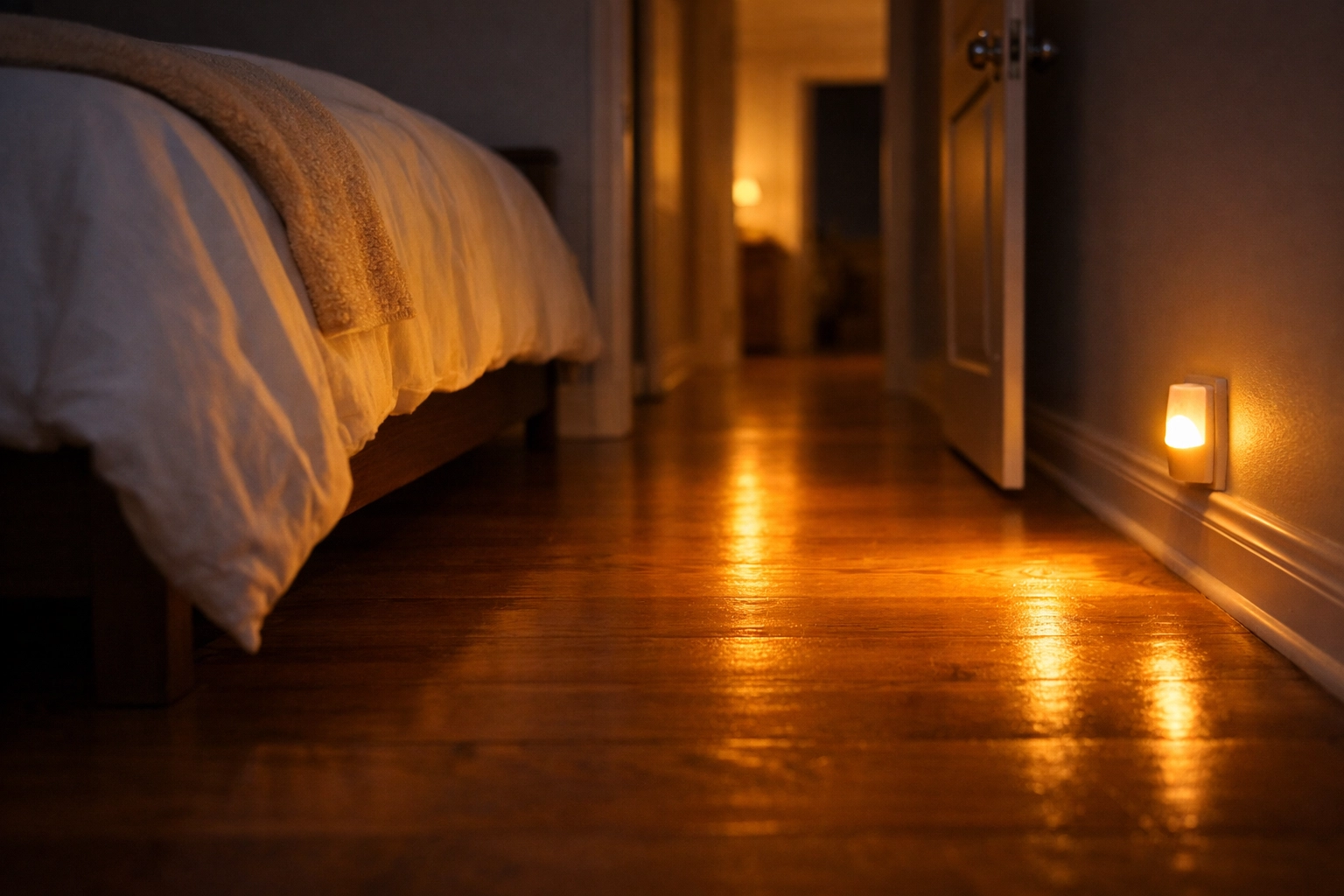
Poor lighting makes everything else worse. Can you clearly see the edge of each stair? Are there shadows in hallways? Can you navigate from your bedroom to the bathroom at night without turning on a light? If not, you're at risk.
Stairs and uneven surfaces become harder to navigate with age. Missing a single step or misjudging a small threshold is all it takes. Broken or uneven pavement outside, loose boards on decks, or even transitions between different types of flooring can catch you off guard.
Footwear matters more than most people realize. Loose slippers, socks without grip on hardwood or tile, shoes with worn soles: these all reduce your stability. Walking around in just socks might feel comfortable, but it's risky on smooth surfaces.
Simple Changes That Actually Work
The difference between a safe home and a risky one often comes down to a dozen practical modifications. None of these require major renovation or significant expense.
Start With the Bathroom
Install grab bars in the shower, tub, and next to the toilet. These aren't just for people who have already fallen: they're for everyone. Properly installed grab bars give you something secure to hold onto when surfaces are wet.
Use non-slip mats both inside and immediately outside the shower or tub. Make sure they have suction cups that actually stick.
Consider a shower chair or bench if standing for long periods is challenging. There's no prize for showering while standing if it puts you at risk.
Tackle the Lighting
Add nightlights in the bedroom, bathroom, and hallway. Motion-activated lights work especially well because they turn on automatically when you get up at night.
Improve lighting in stairways: you should be able to see each step clearly. Consider adding lights at the top and bottom of stairs if you don't have them.
Replace dim bulbs with brighter ones in key areas. As we age, we need more light to see clearly.
Clear the Clutter
Create and maintain clear pathways through every room. This means:
- Keeping floors clear of objects
- Removing or securing area rugs
- Arranging furniture so there's plenty of room to walk, even with a walker or cane
- Storing items you use regularly within easy reach so you don't need to climb or bend awkwardly
Move electrical cords against walls or use cord covers to keep them out of pathways.
Make Smart Home Modifications
Keep frequently used items at waist to eye level: no need to climb on stools or bend down to floor-level cabinets for things you use daily.
If your bed is too high or too low, adjust it. You should be able to sit on the edge with your feet flat on the floor.
Add railings on both sides of stairways if possible. At minimum, make sure existing railings are secure.
Fix uneven surfaces, loose boards, or broken steps promptly. Don't wait until someone trips.
The Role of Medical Management
Environmental changes are crucial, but don't overlook the medical side of fall prevention.
Schedule a medication review with your doctor or pharmacist. Ask specifically whether any of your medications could affect your balance, cause dizziness, or interact in ways that increase fall risk. Sometimes switching medications or adjusting dosages can make a significant difference.
Get your vision checked regularly. Even small changes in depth perception or peripheral vision can increase fall risk.
Address underlying health conditions. If you have diabetes, keeping blood sugar stable matters for fall prevention. If you have heart issues, managing symptoms like dizziness is important. If you're dealing with arthritis, appropriate pain management can help you move more safely.
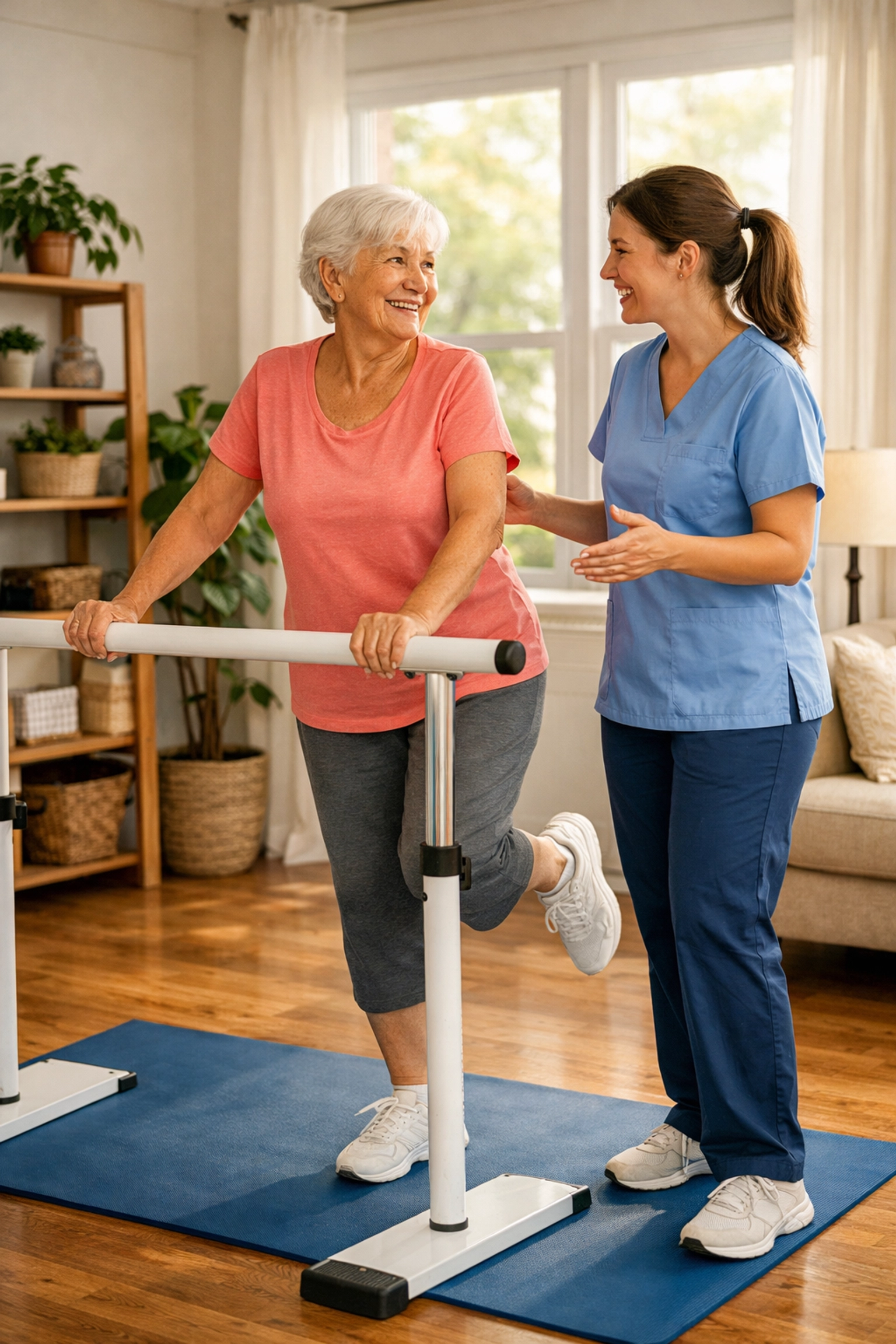
Consider physical therapy focused on balance and strength. A physical therapist can assess your specific risk factors and create an exercise program to address them. Exercises that improve leg strength, balance, and flexibility can dramatically reduce fall risk.
If you're using an assistive device like a cane or walker, make sure you're using it correctly. Physical therapists can ensure you have the right device and teach you proper technique.
Small Changes, Big Impact
Fall prevention isn't about turning your home into a padded room or accepting that you can't do things you enjoy. It's about being smart and proactive.
Most of these changes are simple. Remove a few area rugs. Install some grab bars. Improve lighting. Clear clutter. Review your medications. None of these steps alone will make you fall-proof, but together, they dramatically reduce your risk.
The best time to make these changes is before a fall happens. Because once you understand what causes most falls at home, you realize that preventing them isn't complicated: it just requires a little attention and a few practical modifications.
Your home should be a safe place where you can move confidently, day or night. With some simple changes, it can be.

