
The bathroom is one of the most dangerous rooms in your home. It's where nearly 235,000 people over the age of 15 are injured each year, according to the CDC. The combination of hard surfaces, water, and frequent changes in position makes it a hotspot for slips, falls, and other accidents.
But here's the thing: most bathroom injuries aren't caused by dramatic, obvious hazards. They're the result of small, overlooked issues that build up over time. You might be living with some of these problems right now without even realizing they're putting you at risk.
Let's walk through five common bathroom safety mistakes that might be lurking in your home: and more importantly, what you can do about them.
Mistake #1: Ignoring That Wobbly Toilet
You know that slight rock when you sit down? That little wobble you've gotten used to over the months or years? That's not normal, and it's more dangerous than you might think.
A loose toilet throws off your balance at the worst possible times: when you're sitting down, standing up, or reaching for toilet paper. For anyone with mobility challenges or balance issues, that split-second instability can be all it takes to cause a fall.
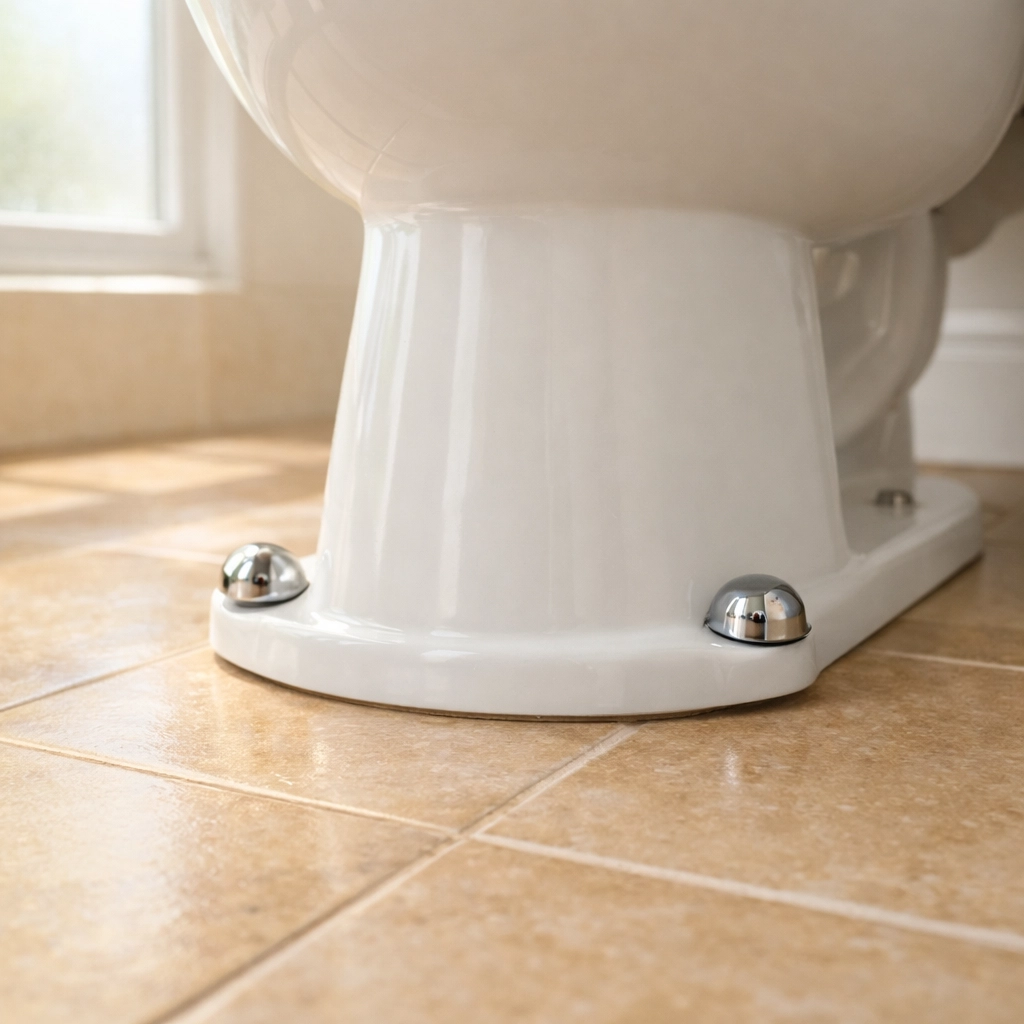
The culprit is usually the flange bolts at the base of the toilet. Over time, these can loosen due to regular use, changes in humidity, or settling of your home's foundation. Sometimes the wax ring beneath the toilet has compressed or deteriorated, creating that movement.
What to do about it:
Tightening the bolts is often a straightforward fix. You'll find them covered by small caps on either side of the toilet base. Remove the caps, and use a wrench to carefully tighten the nuts: but don't go overboard. Over-tightening can crack the porcelain.
If tightening doesn't solve the problem, or if you notice water around the base, it's time to call a plumber. The wax ring might need replacing, or there could be an issue with the flange itself. This isn't a repair to put off: a persistently loose toilet can damage your floor and create a significant fall hazard.
Mistake #2: Living with Slow Drains
That puddle of water that takes five minutes to drain after your shower? It's not just annoying: it's creating a slip hazard every single time you step into the bathroom.
When water doesn't drain properly, it pools on the floor of your shower or tub. That standing water mixes with soap residue, shampoo, and body oils to create an incredibly slippery surface. Even worse, the longer water sits, the more dirt and grime accumulates, making the problem progressively worse.
The causes of slow drains are usually straightforward: hair buildup, soap scum, or accumulated debris in the pipes. In older homes, mineral deposits can narrow the pipes over time.
What to do about it:
Start with prevention. Use a drain cover or hair catcher to prevent buildup before it starts. For existing slow drains, try removing the drain cover and manually clearing out any visible hair or debris.
If that doesn't work, a simple mixture of baking soda followed by vinegar can help break down organic material. Pour about half a cup of baking soda down the drain, follow with half a cup of vinegar, let it sit for 30 minutes, then flush with hot water.
For stubborn clogs, you might need a plumber's snake or professional drain cleaning. Whatever you do, address the issue before it becomes a safety hazard. Standing water is too risky to ignore.
Mistake #3: Overlooking Mold and Mildew
Mold and mildew love bathrooms. The combination of warmth, moisture, and limited airflow creates the perfect breeding ground. But beyond being unsightly and potentially unhealthy, these fungi create surprisingly slippery surfaces that increase your fall risk.
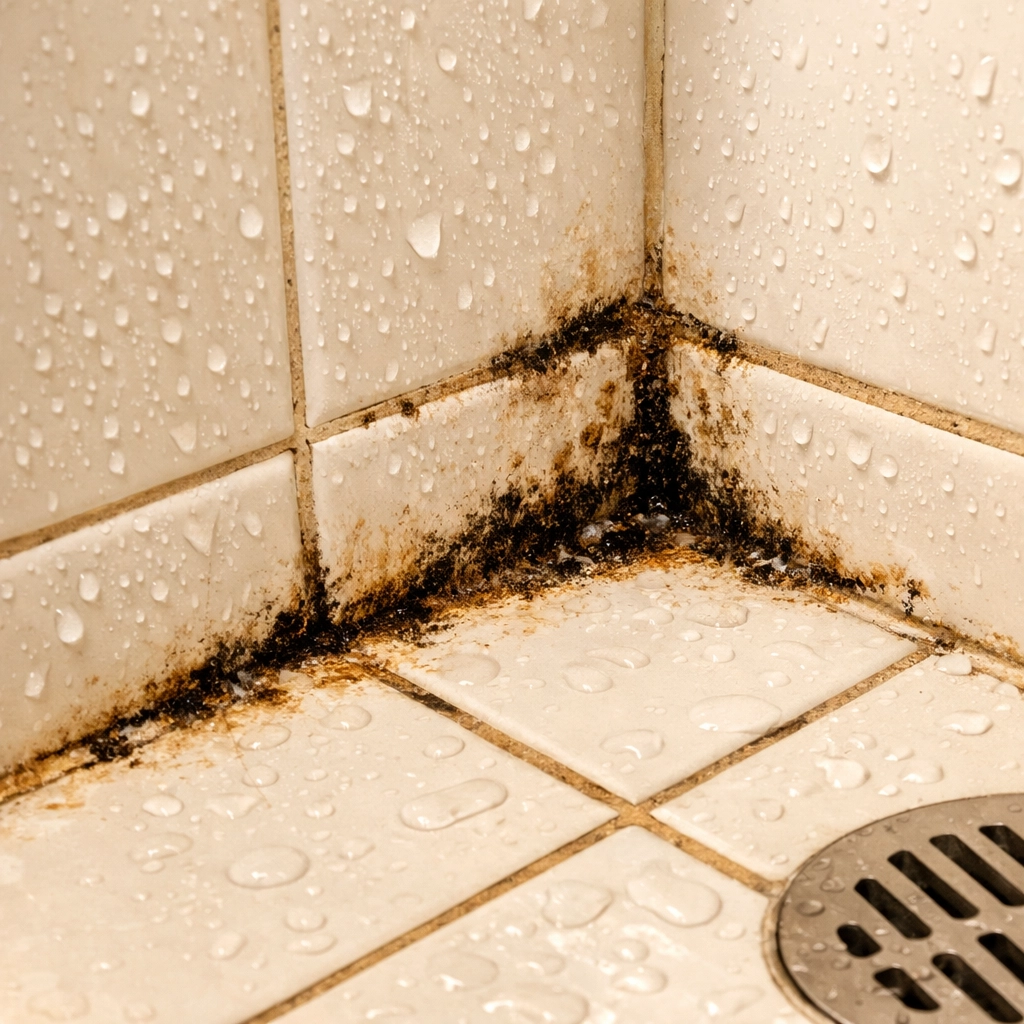
The tricky part about mold and mildew is that they don't always announce themselves with obvious black spots. Sometimes they form a nearly invisible slick coating on tub surfaces, shower floors, or tile grout. You might not see it clearly, but you'll definitely feel it if you slip.
Certain areas are particularly prone to growth: the corners of your shower, along grout lines, around the base of the toilet, under the sink, and anywhere water tends to collect.
What to do about it:
Regular cleaning is your first line of defense. Use a bathroom cleaner specifically designed to kill mold and mildew, or make your own with one part bleach to ten parts water. Always ensure proper ventilation when cleaning.
The key is consistency. A quick weekly cleaning of high-risk areas prevents buildup better than occasional deep cleans. Pay special attention to grout lines, which are porous and can harbor mold even when surfaces look clean.
Improve ventilation by running your exhaust fan during and for at least 30 minutes after showers. If you don't have an exhaust fan, consider installing one. Leaving the bathroom door open after use also helps moisture escape.
Check for leaks regularly. Even small drips under the sink or around the tub can create moisture problems that lead to mold growth in hidden areas.
Mistake #4: Not Controlling Water Temperature
As we age, our skin becomes thinner and more sensitive to temperature extremes. What once felt like a comfortably hot shower can now cause burns in seconds. But the bigger danger isn't just burns: it's the reaction.
When someone is suddenly hit with scalding water, the instinctive response is to jump back or move quickly. In a wet, slippery shower, that sudden movement is exactly what causes falls. Even if the temperature doesn't cause a burn, the shock and rapid movement can be enough to make you lose your balance.
The problem often comes from inconsistent water pressure or outdated water heaters set too high. When someone flushes a toilet or turns on a faucet elsewhere in the house, the cold water pressure to your shower drops, causing a sudden temperature spike.
What to do about it:
Start by adjusting your water heater to 120°F or below. This is hot enough for comfortable showers and washing dishes but reduces the risk of scalding. Most water heaters have an accessible temperature dial: check your owner's manual for instructions.
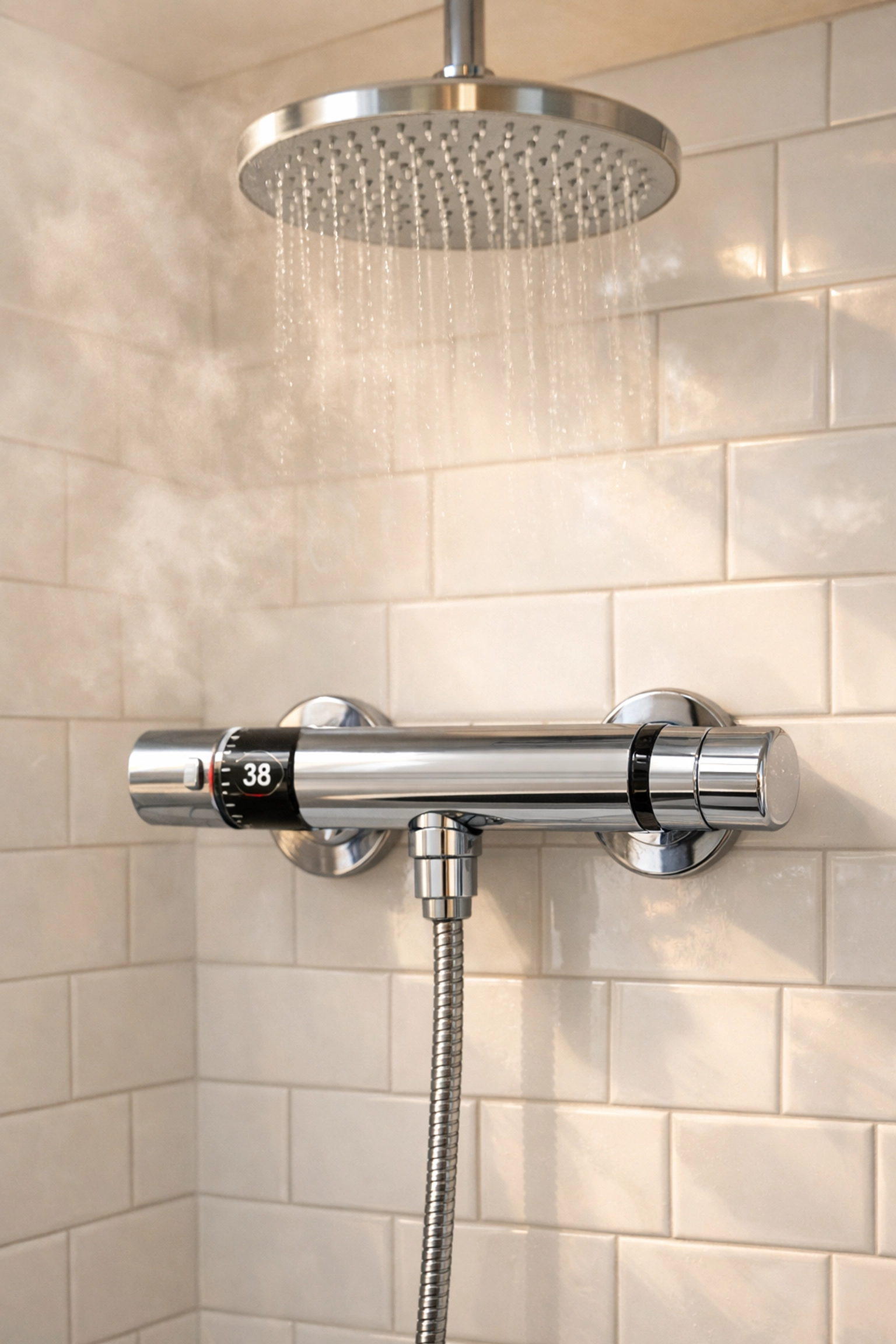
Consider installing anti-scald devices. Pressure-balancing valves and thermostatic mixing valves can be installed in your shower to prevent sudden temperature changes. These devices automatically adjust the mix of hot and cold water to maintain a consistent temperature, even when water pressure fluctuates elsewhere in the house.
Another option is a temperature-limiting device that can be installed at the showerhead or faucet. These devices physically prevent water from exceeding a certain temperature.
If you're not comfortable adjusting your water heater or installing new devices, call a plumber. This is an important safety modification that's worth the investment.
Mistake #5: Tolerating High Tub Step-In Heights
That classic tub-shower combo in many homes has a significant design flaw: the high ledge you need to step over to get in and out. For many people, especially those with mobility limitations, arthritis, or balance issues, this represents a genuine fall risk every single day.
The danger comes from several factors working together. You're lifting your leg high, shifting your weight, and stepping onto a potentially slippery surface: all while standing in a confined space. One moment of lost balance, one slip of the foot, and you're at serious risk of injury.
The problem gets worse if you're holding onto towel bars or shower curtain rods for support. These aren't designed to hold body weight and can pull away from the wall when you need them most.
What to do about it:
If replacing your tub isn't an option right now, focus on making the current situation as safe as possible. Install a sturdy grab bar: not a towel bar: on the wall adjacent to where you step in. Make sure it's properly anchored into wall studs, not just drywall.
Consider a transfer bench that spans the edge of the tub. This allows you to sit on the bench outside the tub, swing your legs over, then slide across into the tub while remaining seated. It eliminates the need for that high step entirely.
A shower stool or chair provides a stable place to sit once you're in, reducing the need for balance and stability throughout your shower.
Non-slip strips or a textured bath mat inside the tub provides better traction. The key is making sure whatever you use is securely attached and won't move when wet.
For the long term, if the high step-in is becoming increasingly difficult, it might be time to consider a walk-in shower or a tub with a door. This is a significant modification, but it can dramatically improve safety and independence.
Other Bathroom Safety Issues to Watch For
Beyond these five major mistakes, several other hazards deserve attention:
Poor lighting makes it hard to see potential hazards and judge distances. Install brighter bulbs, add a nightlight for nighttime visits, and make sure light switches are easily accessible from the doorway.
Slippery floors are an obvious but often unaddressed problem. Use bath mats with non-slip backing, and clean up water spills immediately. Consider switching to textured tile or vinyl flooring that provides better traction even when wet.
Clutter and tripping hazards include anything left on the floor: scale, trash can, laundry basket, or bath toys. Keep floors clear and store items properly when not in use.
Loose toilet seats can shift unexpectedly, throwing off your balance. Tighten the bolts that hold the seat to the bowl, or replace the seat if the hardware is stripped.
Hard, sharp edges on vanities, tubs, and toilets can cause serious injury if you fall against them. While you can't eliminate these entirely, being aware of them helps. Consider corner guards on particularly sharp edges if someone in your home is at high risk of falling.
Taking Action on Bathroom Safety
The good news about bathroom safety is that most issues are fixable without major renovations or significant expense. The key is recognizing problems before they cause injuries.
Walk through your bathroom with fresh eyes. Look for the five mistakes we've covered: that wobbly toilet, slow drains, hidden mold, inconsistent water temperature, and difficult tub access. Then expand your inspection to lighting, floor surfaces, and overall organization.
Make a list of what needs attention, prioritize based on risk level, and start addressing issues one at a time. Some fixes you can handle yourself; others might require professional help. Either way, the investment in safety is worth it.
Remember, bathroom safety isn't about living in fear: it's about maintaining your independence and confidence. When your bathroom is truly safe, you can use it without worry, focusing on your daily routine instead of navigating hazards.
Start with one change today. Your future self will thank you for it.

