
Most of us don't think much about our vision until something goes wrong. But here's something that might surprise you: vision problems are one of the leading contributors to falls at home, especially for older adults. Whether it's trouble seeing depth, dealing with poor lighting, or adjusting to new glasses, our eyes play a much bigger role in keeping us steady than we often realize.
If you're caring for an aging parent or just want to make your own home safer, understanding the connection between vision and falls is essential. Let's walk through ten important things every family should know.
1. Vision Changes Happen Gradually: And Dangerously
Here's the tricky part about vision loss: it usually happens so slowly that we don't notice it. Your mom might not realize she's having trouble judging distances or seeing edges clearly. She's just adapted without knowing it.
Common age-related vision changes include reduced depth perception, decreased peripheral vision, and difficulty adjusting to different light levels. These changes can make it harder to spot that single step down into the living room or notice a toy left on the floor.
The bottom line? Regular eye exams aren't just about getting the right prescription for reading. They're a critical part of fall prevention. Adults over 65 should have comprehensive eye exams at least once a year, or more often if recommended by their eye doctor.
2. Lighting Matters More Than You Think
Poor lighting is like asking someone to walk through an obstacle course blindfolded. Even with perfect vision, dim hallways and shadowy staircases create serious hazards.
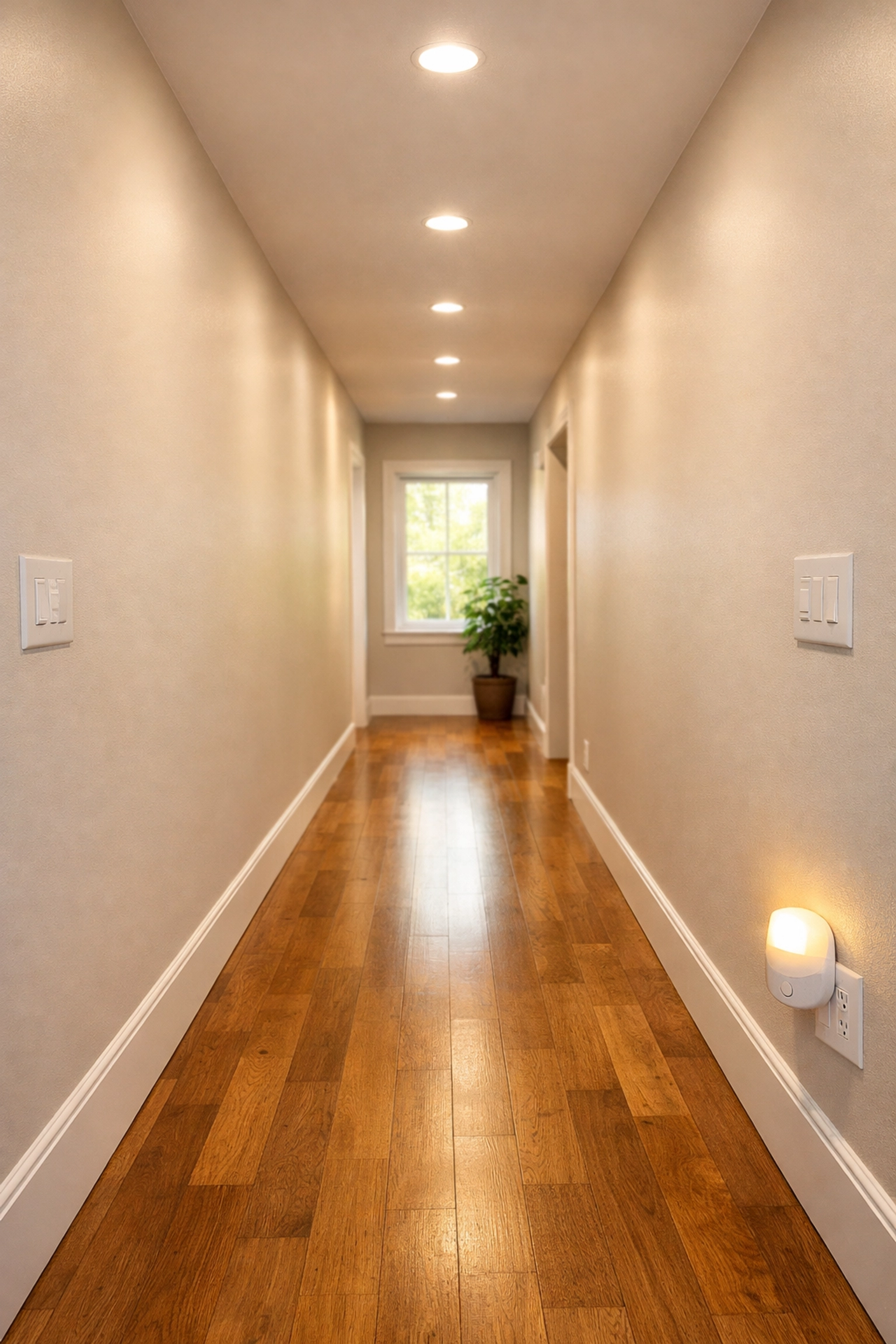
Think about your home's lighting from a new perspective. Those areas you navigate on autopilot probably need more light than you realize. Stairways are particularly dangerous and should have bright, even lighting from top to bottom.
Install light switches at both ends of hallways and stairways so no one has to walk through darkness to find a switch. Motion-activated lights are fantastic for nighttime bathroom trips: they eliminate fumbling for switches when you're groggy and your eyes haven't adjusted to being awake.
Consider the color of your light bulbs too. Warmer lights can create more shadows, while brighter, daylight-spectrum bulbs improve visibility and help with tasks.
3. Glare Is a Hidden Hazard
While we're talking about lighting, let's discuss its troublemaker cousin: glare. Too much light reflecting off shiny surfaces can be just as problematic as too little light.
Glossy floors, large windows without window treatments, and reflective surfaces can create glare that temporarily "blinds" someone or makes it hard to see what's actually ahead. This is especially challenging for people with cataracts.
Use curtains, blinds, or sheer window coverings to soften harsh sunlight. Choose matte finishes instead of high-gloss for floors and countertops when possible. And those decorative mirrors in hallways? They might look nice, but they can create confusing reflections that affect depth perception.
4. Bifocals and Stairs Don't Mix Well
If someone in your home wears bifocals or progressive lenses, they need to be extra careful on stairs. These glasses work great for seeing both near and far, but they can distort depth perception when looking down through the lower portion of the lens.
Many people instinctively tilt their head down when descending stairs, which means they're looking through the reading portion of their glasses. This makes it harder to judge where the next step is.
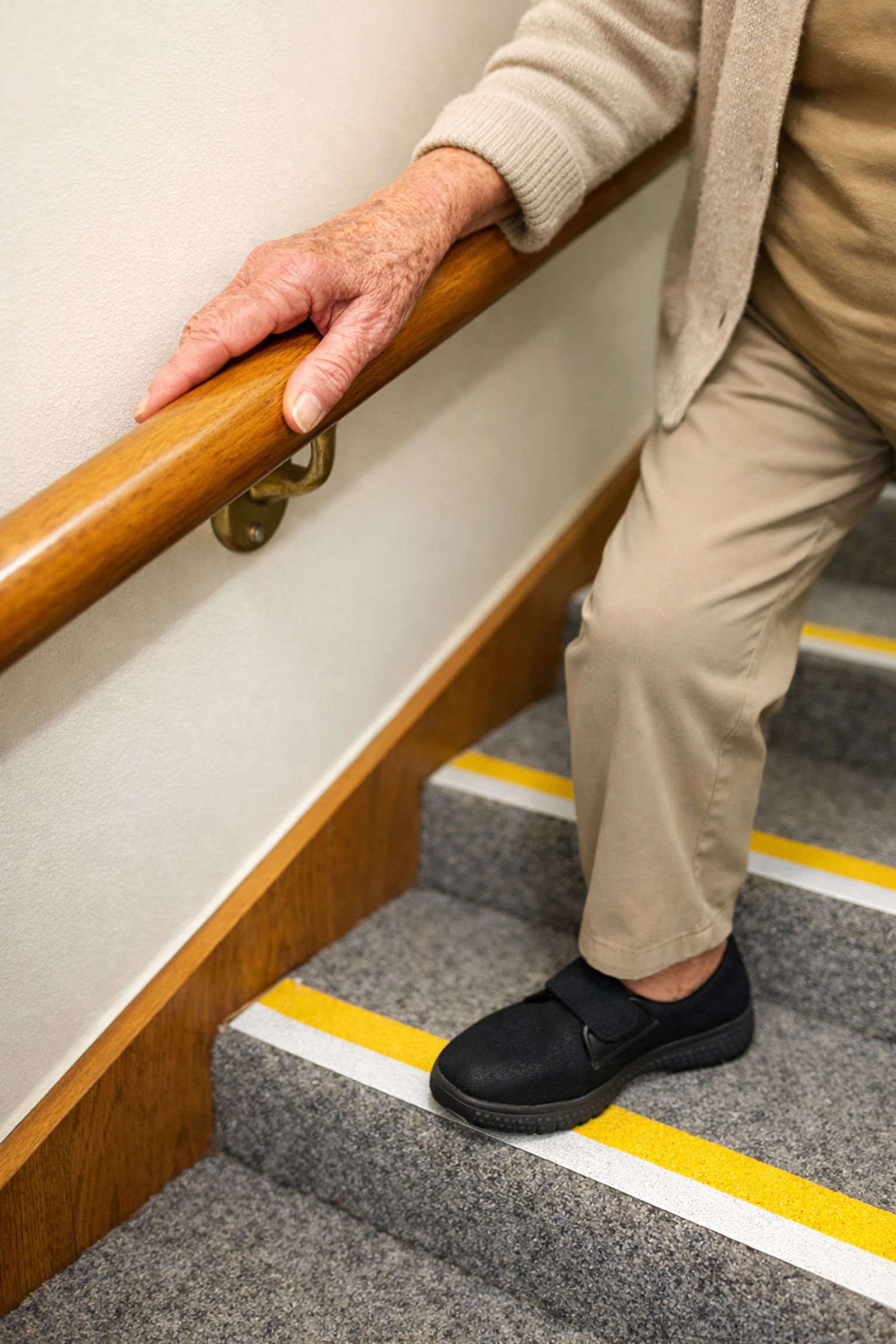
The simple solution? Look straight ahead when using stairs and use the handrail for guidance. Some people find it helpful to have a separate pair of single-vision distance glasses for navigating around the house.
5. Contrast Helps Eyes Identify Hazards
When everything blends together visually, it's harder for the brain to process where one thing ends and another begins. This is why a white step leading to a white floor can be nearly invisible.
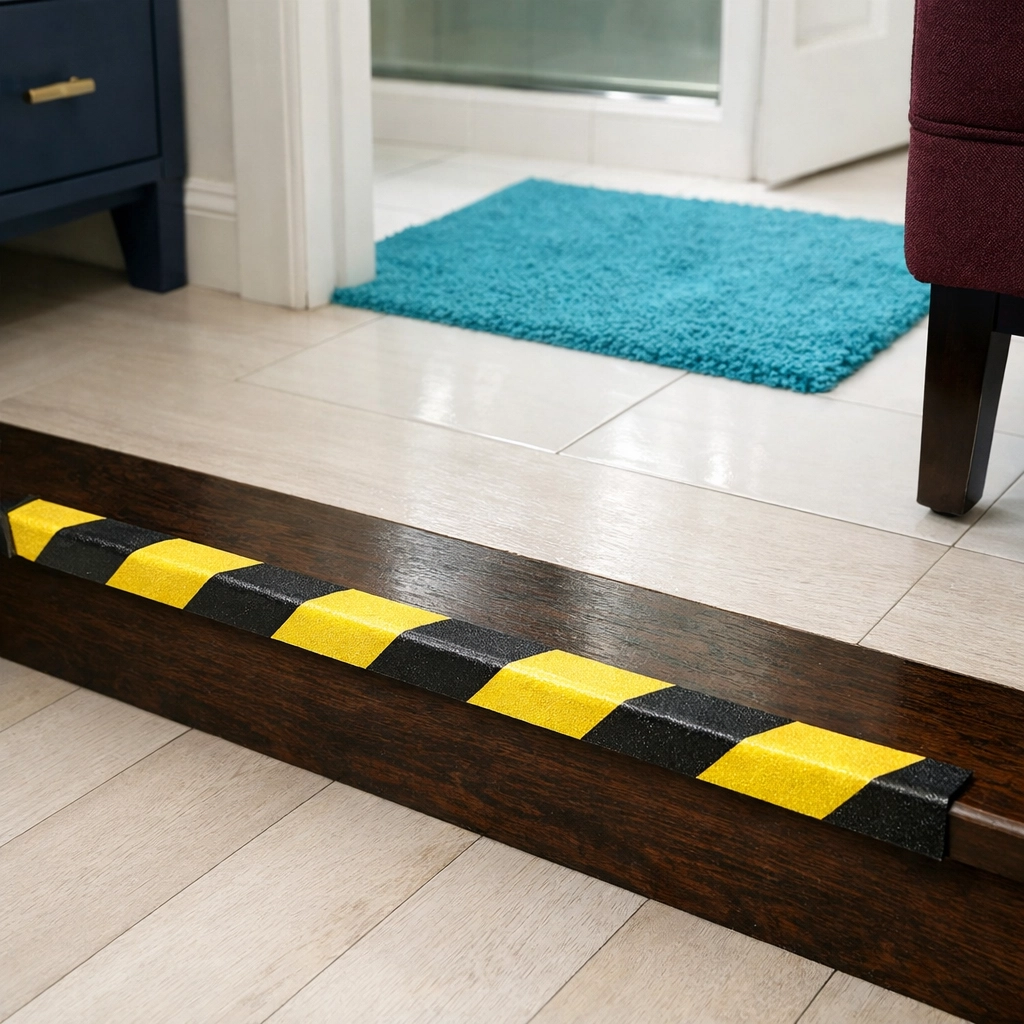
Creating visual contrast is a simple but powerful fall prevention strategy. Use contrasting colors to mark the edges of steps: a strip of colored tape on each step edge can make a huge difference. Choose bath mats in colors that contrast with the floor. Make sure doorways, furniture edges, and changes in floor level are clearly visible.
For those with vision impairments, high-contrast environments aren't just helpful: they're essential for navigating safely. Think about adding contrasting paint colors between walls and floors, or using furniture that stands out against the background.
6. Transitioning Between Light Levels Takes Time
Ever walked from bright sunshine into a dark room and felt momentarily blind? That adaptation period is totally normal, but it gets longer as we age.
The problem is that many falls happen during these transition moments. Walking from a bright porch into a dim entryway, or stepping from a well-lit kitchen into a darker hallway, creates temporary vulnerability.
Minimize dramatic lighting changes throughout your home. Use gradually dimming lights instead of creating stark transitions. Install nightlights in bathrooms so the change from bedroom darkness isn't so jarring. Give eyes time to adjust before moving forward in a new lighting environment.
7. Peripheral Vision Loss Creates Blind Spots
Many people focus on central vision: what's right in front of them: but peripheral vision is crucial for detecting obstacles and hazards at the edges of our visual field.
Conditions like glaucoma can gradually steal peripheral vision, creating blind spots where hazards can hide. Someone might look straight ahead and not notice the ottoman jutting into their path or the door that's halfway open.
This is where home layout becomes important. Keep pathways wide and clear. Avoid placing furniture or objects near walking paths where they might not be noticed until it's too late. Remove or secure area rugs, especially those at the edges of rooms where they're less likely to be in direct line of sight.
8. Medical Conditions Affecting Vision Need Attention
Several common medical conditions directly impact vision and increase fall risk. Cataracts cloud the lens of the eye, reducing clarity and making it harder to see in low light. Macular degeneration affects central vision. Diabetic retinopathy can cause vision loss if blood sugar isn't well controlled.
If your family member has any of these conditions, work closely with their eye doctor to manage them. Many vision problems can be treated or at least slowed with proper medical care. Cataract surgery, for example, can dramatically improve vision and reduce fall risk.
Don't assume vision loss is just "part of getting older" that must be accepted. Many causes of vision impairment are treatable when caught early.
9. Clear Pathways Are Non-Negotiable
Even perfect vision won't help if the path is cluttered. Electrical cords, pet toys, newspapers, shoes, and general household items create tripping hazards that are even more dangerous when combined with vision problems.
Walk through your home and look at every pathway with fresh eyes. Are there cords running across walkways? Piles of mail on the stairs? Throw rugs that could catch a toe?
Create a "clear path policy" in your home. Everything should have a proper place, and walking paths should be completely clear at all times. This is especially important in high-traffic areas like hallways, bathrooms, and the path from bedroom to bathroom that might be traveled at night.
Pay special attention to stairs: nothing should ever be stored on steps, even temporarily.
10. Visual Cues and Markers Provide Guidance
The final piece of the puzzle is using visual cues to guide safe movement through your home. This is especially helpful for anyone with vision challenges or cognitive changes that affect spatial awareness.
Mark changes in floor level with colored tape or paint. Use bright, contrasting colors for important features like light switches, handrails, and door handles. Consider adding tactile markers: like textured tape: on stair edges that can be felt with the foot.
For those with dementia or memory challenges, visual cues become even more important. Clear signage, contrasting toilet seats, and well-marked bathroom fixtures help with navigation and reduce confusion that can lead to falls.
Creating a Vision-Safe Home
The connection between vision and falls isn't always obvious, but it's undeniably important. The good news is that many vision-related fall hazards can be addressed with simple, practical changes.
Start with a comprehensive eye exam and make sure prescriptions are current. Then walk through your home: or better yet, ask someone else to do it with fresh eyes: and identify lighting problems, glare sources, and areas where contrast could be improved.
Remember that fall prevention isn't about wrapping your loved ones in bubble wrap or removing all independence. It's about creating an environment where they can move confidently and safely. Good vision and a vision-friendly home work together to make that possible.
These changes benefit everyone in the household, not just those with vision challenges. Better lighting, clear pathways, and good contrast make homes safer and more comfortable for people of all ages. Start with one or two changes today, and build from there. Your family's safety is worth the effort.

