
One of the most significant decisions many seniors and their families face is whether to continue living independently at home or transition to an assisted living community. It's a deeply personal choice that involves weighing factors like health, safety, social connections, finances, and the desire for independence. There's no one-size-fits-all answer, and what works for one person may not work for another.
The good news is that you don't have to make this decision hastily or based on fear. Understanding the pros and cons of each option: and the role that fall prevention and home modifications can play: gives you the information you need to make a choice that supports your well-being and quality of life.
What Does Living Independently Mean?
Living independently, often called "aging in place," means continuing to live in your own home as you get older. For many seniors, this is the preferred option. Your home is where your memories live, where you feel most comfortable, and where you've built your routines over the years.
Independent living doesn't necessarily mean doing everything alone. It means maintaining control over your daily life while accessing support when you need it. This might include:
- Hiring occasional help for housekeeping or yard work
- Using grocery delivery services
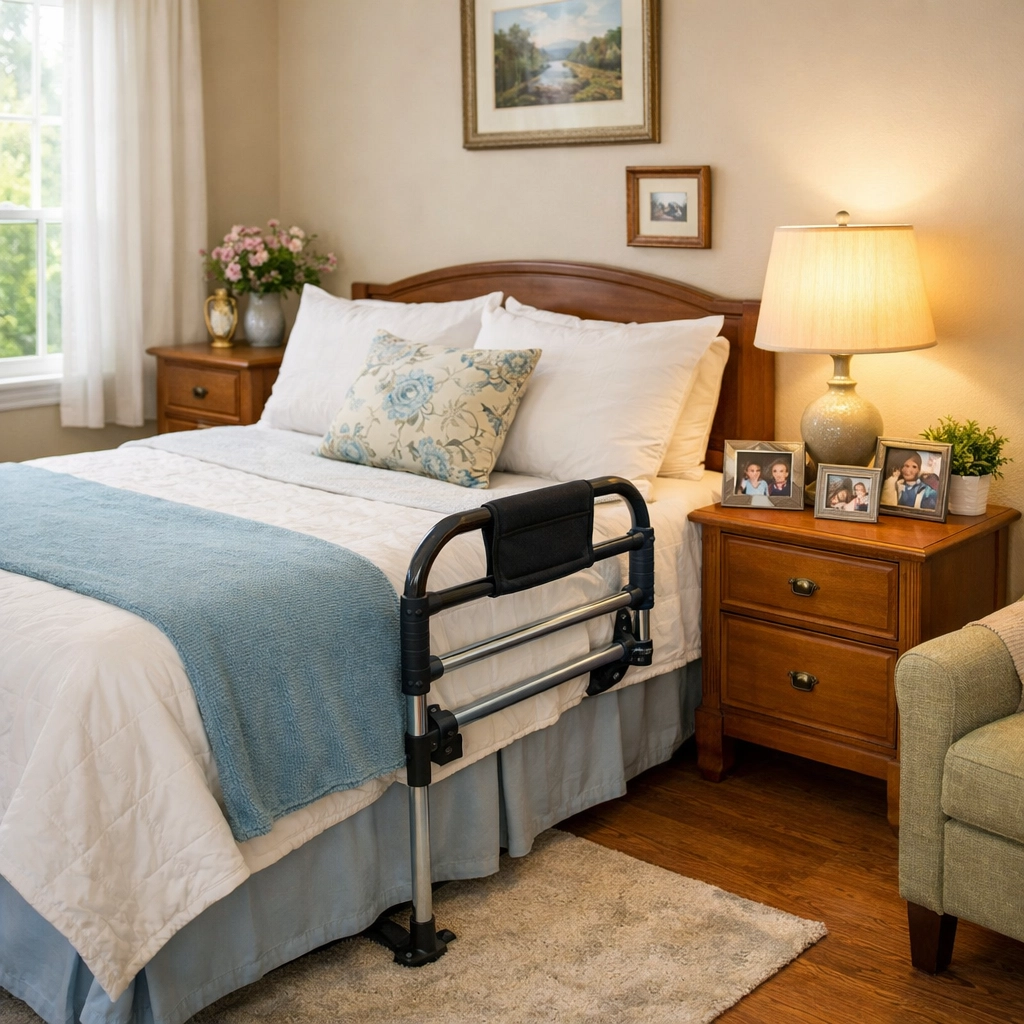
- Installing safety equipment like grab bars or bed rails
- Arranging transportation for medical appointments
- Staying connected with family, friends, and neighbors
The key is that you're still the decision-maker. You choose when to wake up, what to eat, how to spend your day, and who visits your home.

Understanding Assisted Living Communities
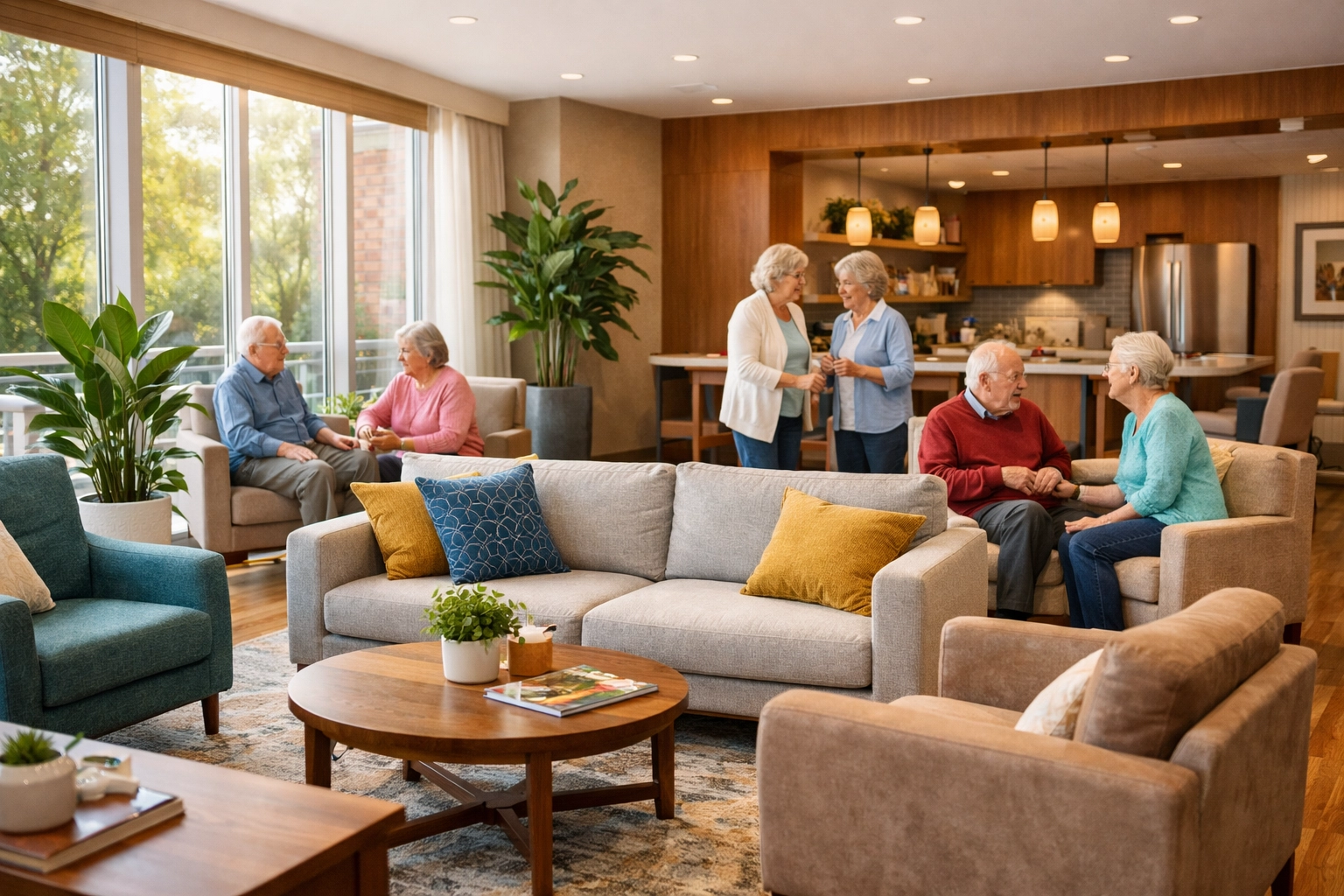
Assisted living facilities provide a middle ground between complete independence and full nursing care. These communities offer private or semi-private apartments along with services designed to help residents with daily activities.
In assisted living, you'll typically have access to:
- 24-hour staff availability for emergencies
- Assistance with bathing, dressing, and grooming
- Medication management and reminders
- Prepared meals in communal dining rooms
- Housekeeping and laundry services
- Social activities and planned events
- Transportation for errands and appointments
Residents maintain their own living space and can often bring familiar furniture and belongings. The level of care is personalized based on each person's needs, which can increase over time as those needs change.
The Pros of Living Independently at Home
Comfort and Familiarity
There's something irreplaceable about staying in the home you know. Your kitchen is organized exactly how you like it. You know which floorboard creaks and where the morning sunlight hits. This familiarity reduces stress and helps you maintain your routines.
Cost Savings
For many people, staying home is significantly more affordable than assisted living. Monthly costs for assisted living typically range from $3,000 to $6,000 or more, depending on location and level of care. If your home is paid off, your housing costs are limited to taxes, insurance, utilities, and maintenance.
Complete Independence
You set your own schedule. You decide what to eat and when. You control who enters your space and when. This autonomy is deeply important to many seniors and contributes significantly to quality of life.
Pet Companionship
If you have pets, staying home means they remain part of your daily life without restrictions that some facilities might impose.
Community Connections
Your neighbors, local shops, religious community, and familiar surroundings keep you connected to the life you've built over the years.
The Cons of Living Independently at Home
Safety Concerns
Falls are the leading cause of injury among seniors, and many occur at home. Bathrooms, stairs, and even familiar furniture can become hazards as mobility changes. Without someone nearby to help immediately, a fall can have serious consequences.
Home Maintenance Burden
Keeping up with yard work, repairs, snow removal, and cleaning becomes more challenging over time. These tasks can be physically demanding and expensive to outsource.
Social Isolation
If you don't make deliberate efforts to stay connected, it's easy to become isolated at home. This isolation can affect both mental and physical health, particularly if mobility issues make it harder to get out.
Emergency Response Delays
If something goes wrong: a fall, a medical emergency, or even a home safety issue like a gas leak: response time depends on when someone realizes you need help.
Limited Healthcare Access
You need to arrange and travel to all medical appointments, which can be challenging if you're not driving or if health issues make leaving home difficult.
The Pros of Assisted Living
24/7 Safety and Support
Staff members are always available to respond to emergencies. If you fall or feel unwell, help arrives quickly. This peace of mind benefits both residents and their families.
Built-In Social Opportunities
Assisted living communities organize regular activities, meals, and events that make social connection easy and natural. You don't have to plan outings or worry about transportation: opportunities to engage are built into the environment.
Simplified Daily Life
Meals, housekeeping, laundry, and maintenance are handled for you. This frees up energy for activities you actually enjoy rather than chores you must complete.
Access to Healthcare
Many communities have relationships with healthcare providers or offer on-site services. Medication management ensures you take the right medications at the right times.
Continuum of Care
If your health needs change, many communities can increase your level of support without requiring you to move to a completely different location.
The Cons of Assisted Living
Higher Costs
Assisted living represents a significant monthly expense. While some costs may be covered by long-term care insurance or veteran's benefits, many families pay out of pocket.
Less Privacy and Control
You'll have scheduled meal times, organized activities, and staff entering your space regularly. Some people find this structure comforting, while others experience it as a loss of independence.
Adjustment Period
Leaving your home and adapting to a new environment takes time. You're building new routines, getting to know new people, and learning to navigate an unfamiliar space.
Quality Varies
Not all assisted living facilities offer the same level of care, cleanliness, staffing, or resident satisfaction. Researching and visiting multiple communities is essential.
Potential Sense of Loss
Some people experience grief when leaving their home, neighborhood, and the life stage it represents.
How Fall Prevention Changes the Equation
Here's where the decision gets interesting: proper fall prevention equipment and home modifications can significantly extend your ability to live independently and safely at home.
Falls are the primary reason many seniors transition to assisted living. But many falls are preventable through:
Strategic Equipment Placement
- Bed rails for safe transfers in and out of bed
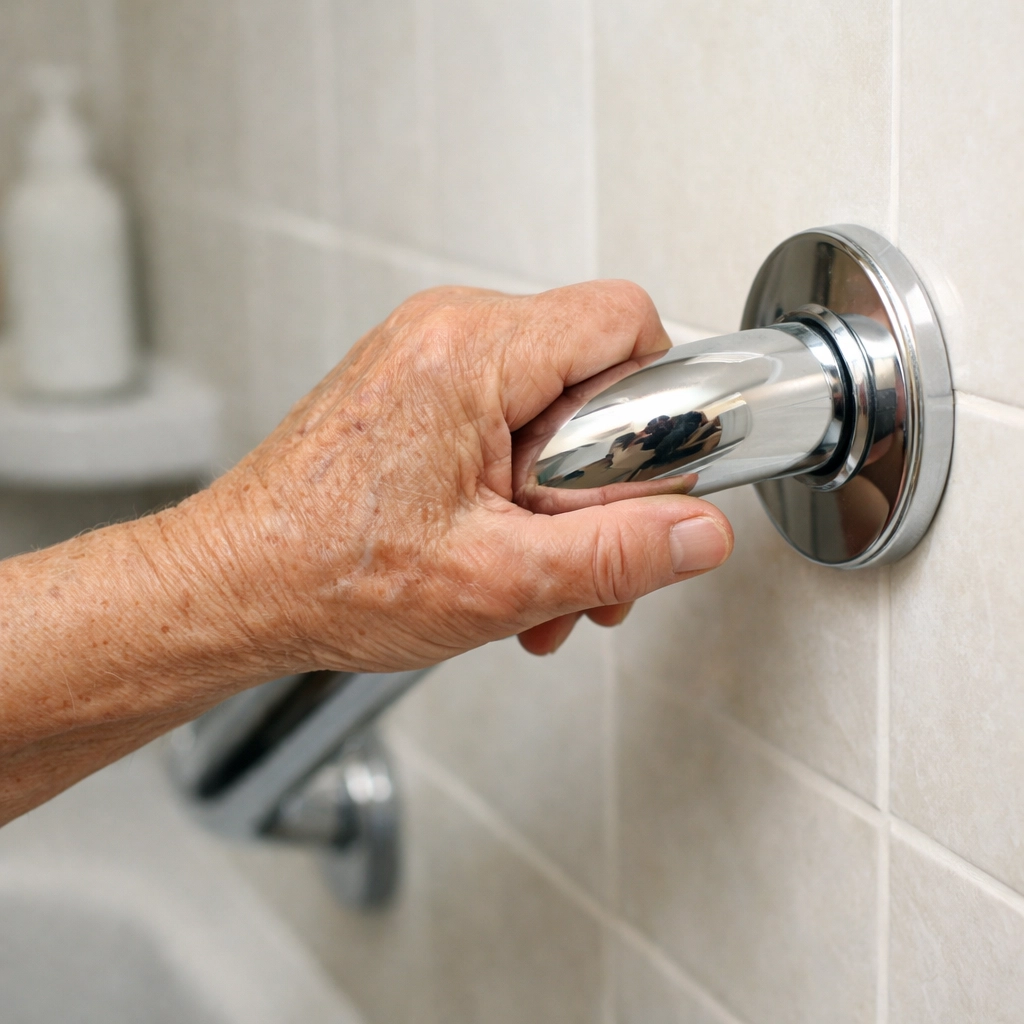
- Grab bars in bathrooms near toilets and in showers
- Transfer poles for support when standing from chairs
- Non-slip mats and adequate lighting throughout the home
Environmental Modifications
- Removing tripping hazards like loose rugs or clutter
- Improving lighting, especially in hallways and stairs
- Arranging furniture to create clear walking paths
- Installing handrails on both sides of staircases
Strength and Balance Work
Regular exercise that focuses on leg strength, balance, and flexibility reduces fall risk and increases confidence in daily movement.
When you address fall risks proactively, you remove one of the biggest threats to aging in place successfully. This doesn't mean you'll never need assisted living: but it may mean you can delay that transition for months or even years.

Social Connection in Both Settings
Loneliness and social isolation are significant health risks for seniors, comparable to smoking or obesity in their impact on wellbeing. How you maintain social connections matters just as much as where you live.
At Home
Staying socially active at home requires intention and effort:
- Regular phone calls or video chats with family and friends
- Participation in community groups, classes, or religious services
- Inviting people to your home
- Using senior centers for activities and meals
- Volunteering if you're able
The advantage is that these connections are often deeper and more established. The challenge is that maintaining them requires energy and transportation.
In Assisted Living
Social opportunities are built into the environment:
- Daily activities and events
- Communal meals where you'll see the same people regularly
- Shared spaces that encourage casual interaction
- Transportation for group outings
The advantage is convenience and constant availability. The challenge is that these connections are new, and building meaningful relationships takes time.
Finding Your Right Balance
The decision between independent living and assisted living isn't always permanent or all-or-nothing. Many people find creative middle paths:
Hybrid Approaches
- Living at home with regular in-home care services
- Attending adult day programs while living independently
- Moving to independent living communities that offer social activities without personal care
- Using respite stays at assisted living facilities to trial the environment
Timing Considerations
The best time to move to assisted living varies for each person. Generally, consider it when:
- Daily activities like bathing, dressing, or managing medications become consistently difficult
- Safety concerns outweigh the benefits of remaining home
- Social isolation is affecting mental health
- Family caregivers are experiencing burnout
- Home maintenance becomes overwhelming or unaffordable
However, waiting until a crisis forces the decision often leads to less-than-ideal outcomes. Planning ahead while you still have options gives you more control.
Making the Decision
Start by asking yourself honest questions:
About Safety
- Can you safely navigate your home, especially stairs and bathrooms?
- Do you feel confident moving around at night?
- Have you fallen recently, or do you fear falling?
- Could fall prevention equipment address your safety concerns?
About Daily Living
- Are you managing meals, medications, and hygiene independently?
- Is housework and home maintenance becoming overwhelming?
- Do you have reliable help when you need it?
About Social Life
- Do you have regular meaningful interactions with others?
- Do you feel lonely or isolated?
- Can you access social opportunities independently?
About Future Needs
- Is your health stable, improving, or declining?
- What will you need in six months? A year?
- Would home modifications support aging in place?
Talk with your doctor about your specific situation. Consult with family members who may be providing support or concerned about your wellbeing. Consider consulting with an occupational therapist who can assess your home for safety and suggest modifications.
Moving Forward With Confidence
Whether you choose to age in place with appropriate safety measures or transition to assisted living, the goal is the same: maintaining your quality of life, safety, and sense of dignity. Neither choice is inherently better: the right answer depends on your unique circumstances, values, and needs.
If you're leaning toward staying home, invest in fall prevention now. Don't wait until after a fall to make your home safer. If you're considering assisted living, visit multiple communities, talk with residents, and ask detailed questions about care, costs, and quality of life.
Remember that circumstances change, and so can your living situation. Making a choice today doesn't lock you into it forever. What matters most is that you're making an informed decision based on realistic assessment rather than fear, and that you're setting yourself up for the safest, most fulfilling life possible.

