
Falls are not an inevitable part of aging, but they do become more common as we get older. Understanding why this happens can help you take meaningful steps to reduce your risk and maintain your independence for years to come.
The Numbers Tell an Important Story
If you're over 65, you're not alone in thinking about fall prevention. Research shows that up to 35% of older adults experience a significant fall each year. For those over 70, that number climbs to nearly 45%.
These aren't just statistics. They represent real people who want to stay active, independent, and safe in their own homes. The good news is that most falls are preventable when you understand the contributing factors and take practical action.
Why Our Bodies Change Over Time
As we age, multiple body systems that keep us balanced and stable begin to change. This isn't about weakness or failure, it's simply part of the aging process. But knowing what's happening helps us respond appropriately.
Strength and Muscle Changes
After age 30, most people experience a gradual decline in strength and endurance, typically about 10% per decade. This affects how we walk, how quickly we can catch ourselves if we stumble, and how easily we can recover from a trip or slip.
Sarcopenia, the medical term for age-related muscle loss, becomes more pronounced if we've been hospitalized, dealt with illness, or haven't maintained adequate nutrition. Our legs and core muscles, which are essential for balance, can weaken without us fully realizing it.
Vision and Sensory Changes
Vision plays a critical role in preventing falls. As we age, several vision-related changes occur:
- Visual acuity declines, making it harder to see clearly
- Contrast sensitivity decreases, making it difficult to distinguish where one surface ends and another begins
- Depth perception weakens, affecting our ability to judge distances and heights
- Dark adaptation slows, meaning our eyes take longer to adjust when moving between light and dark spaces
Hearing loss also contributes to fall risk. While it might seem unrelated, our hearing actually helps us maintain spatial awareness and balance. When hearing declines, we lose some of this environmental feedback.
Our proprioception, the body's internal sense of where we are in space, also diminishes with age. This means we may not notice uneven surfaces or shifts in our footing as quickly as we once did.
Medical Conditions That Increase Fall Risk
Certain health conditions significantly impact balance and stability. These conditions don't guarantee you'll fall, but they do mean extra attention to prevention is worthwhile.
Common Conditions to Be Aware Of
Several medical conditions increase fall risk:
- Diabetes can affect nerve function in the feet and legs
- Cardiovascular disease may cause dizziness or lightheadedness
- Arthritis limits mobility and can make movements less predictable
- Neurological conditions like Parkinson's disease affect coordination
- Osteoporosis doesn't cause falls but makes injuries from falls more serious
- Thyroid problems can affect energy levels and muscle function
- Cognitive impairment or dementia can reduce hazard awareness
If you have any of these conditions, it doesn't mean you can't stay safe. It simply means working closely with your healthcare provider to manage them effectively becomes even more important.
The Medication Connection
One of the most overlooked contributors to falls is medication. Many drugs commonly prescribed to older adults can affect balance, coordination, or alertness.
Psychotropic medications, including sedatives, hypnotics, antipsychotics, and antidepressants, are particularly associated with increased fall risk. Medications for sleep problems, high blood pressure, diabetes, and heart conditions can also make people feel unsteady or lightheaded.
This doesn't mean these medications are bad or should be stopped. Many are essential for managing serious health conditions. But it does mean having an honest conversation with your doctor about your complete medication list and any concerns about balance or dizziness.
The Multifactorial Reality of Falls
Here's something important to understand: falls rarely happen because of just one thing.
Instead, they typically result from a combination of long-term factors (like weakened muscles or reduced vision) meeting short-term situational factors (like rushing to answer the phone or stepping on an unexpected obstacle).
This is actually encouraging news. It means that addressing even one or two risk factors can significantly reduce your overall fall risk, even if you can't eliminate every factor.
What You Can Do: Practical Prevention Strategies
Now let's focus on actionable steps you can take to reduce your fall risk. These aren't theoretical suggestions: they're practical changes that make a real difference.
Make Your Home Environment Safer
Your home should support your safety, not work against it. Consider these modifications:
Lighting: Ensure every room, hallway, and stairway has adequate lighting. Night lights in bedrooms, bathrooms, and hallways can prevent nighttime falls. Make sure light switches are easy to reach before entering dark rooms.
Remove Tripping Hazards: Walk through your home and identify potential hazards. Throw rugs are common culprits: either remove them or secure them with non-slip backing. Keep electrical cords against walls, not across walking paths. Clear clutter from floors and stairs.
Address Uneven Surfaces: Fix loose floorboards, uneven thresholds, or any surfaces that could catch a foot. If you have area rugs, ensure they lie flat without curled edges.
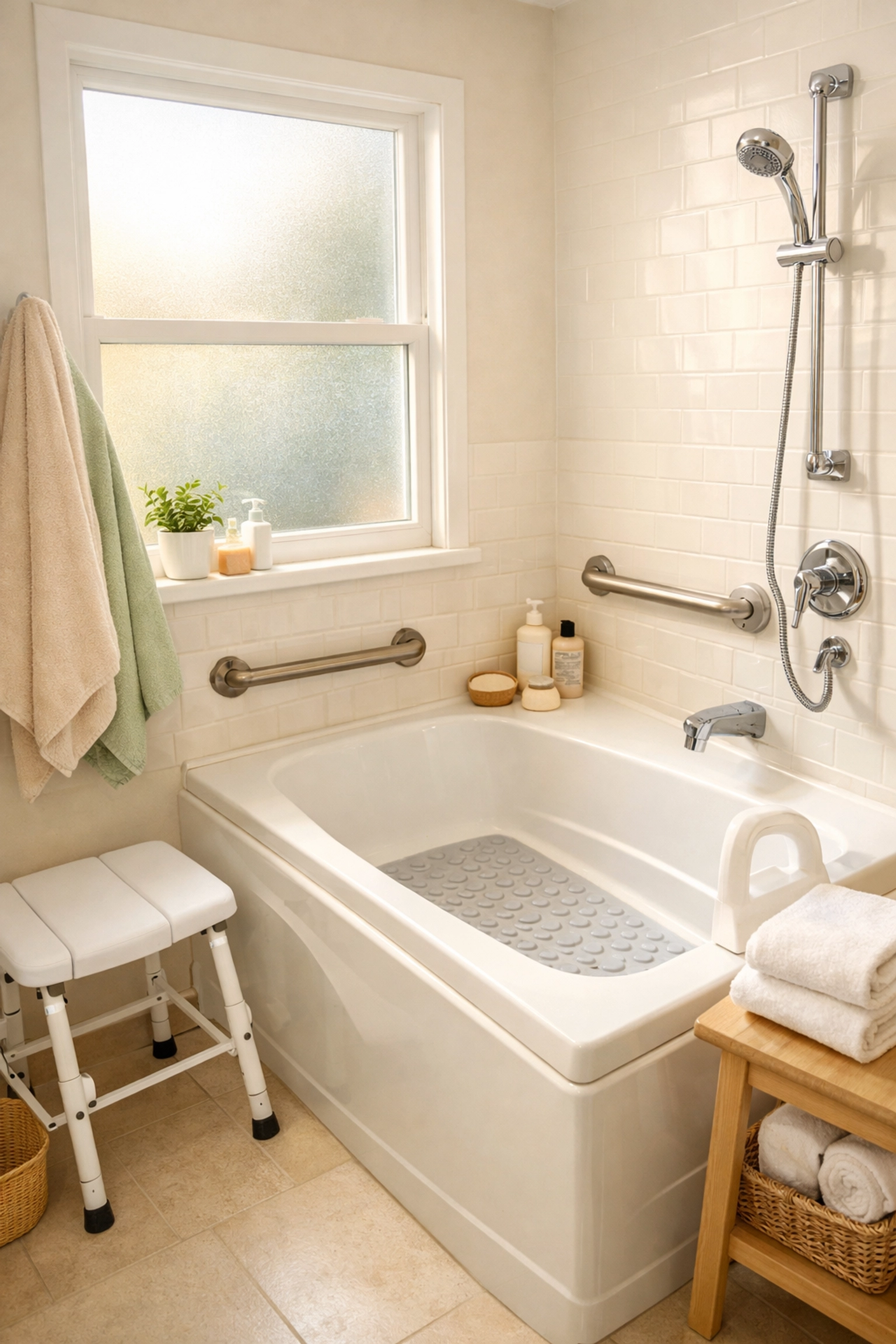
Bathroom Safety: Bathrooms are high-risk areas due to slippery surfaces and frequent use. Non-slip mats in the tub and shower make a significant difference.
Pay Attention to Footwear
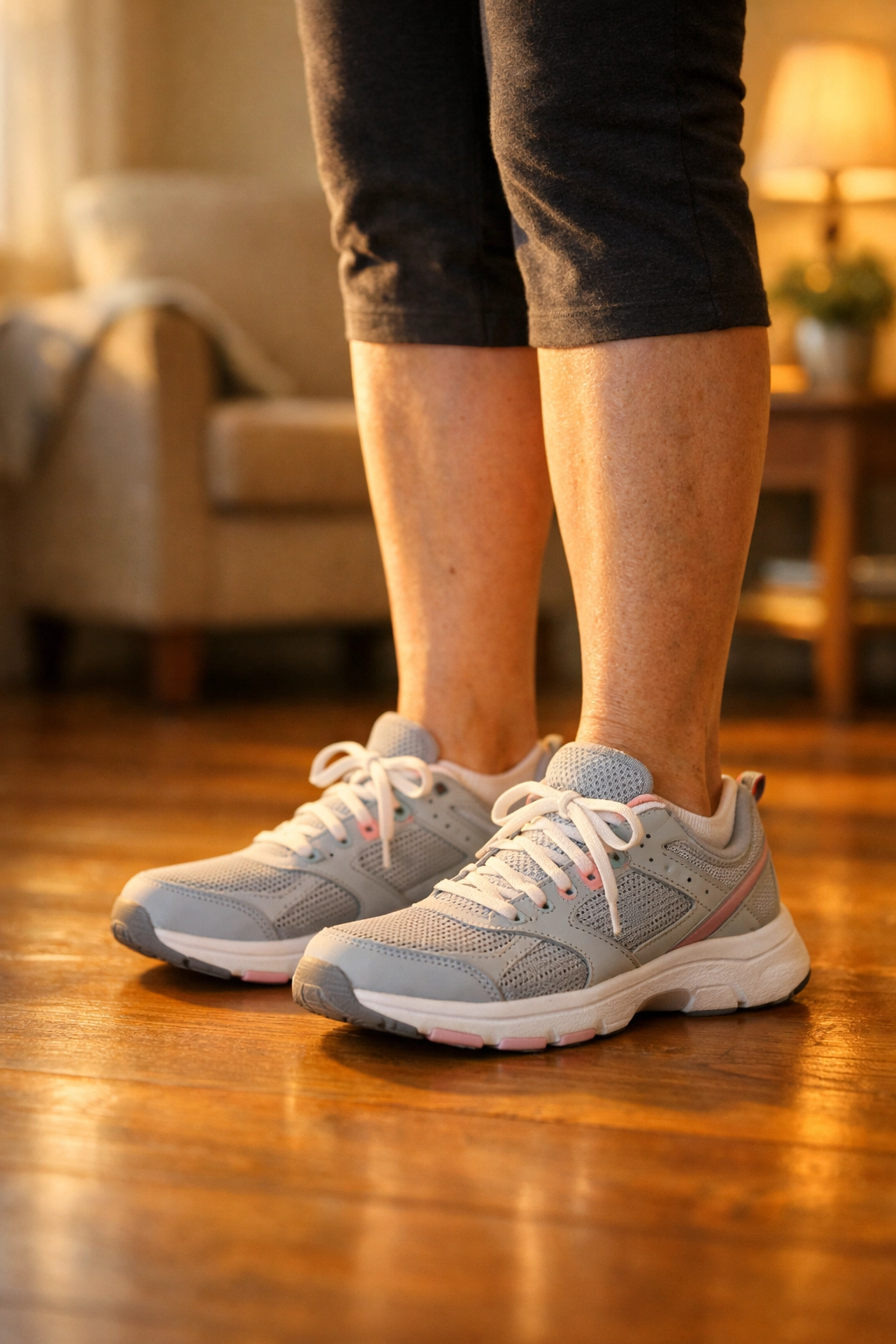
What you wear on your feet matters more than you might think. Shoes with low heels and slip-resistant soles provide the best stability.
Walking barefoot, in socks, or in slippers is considerably more dangerous than wearing proper footwear, even inside your home. Slippers often lack adequate support and can slide on smooth floors.
Maintain Your Vision and Hearing
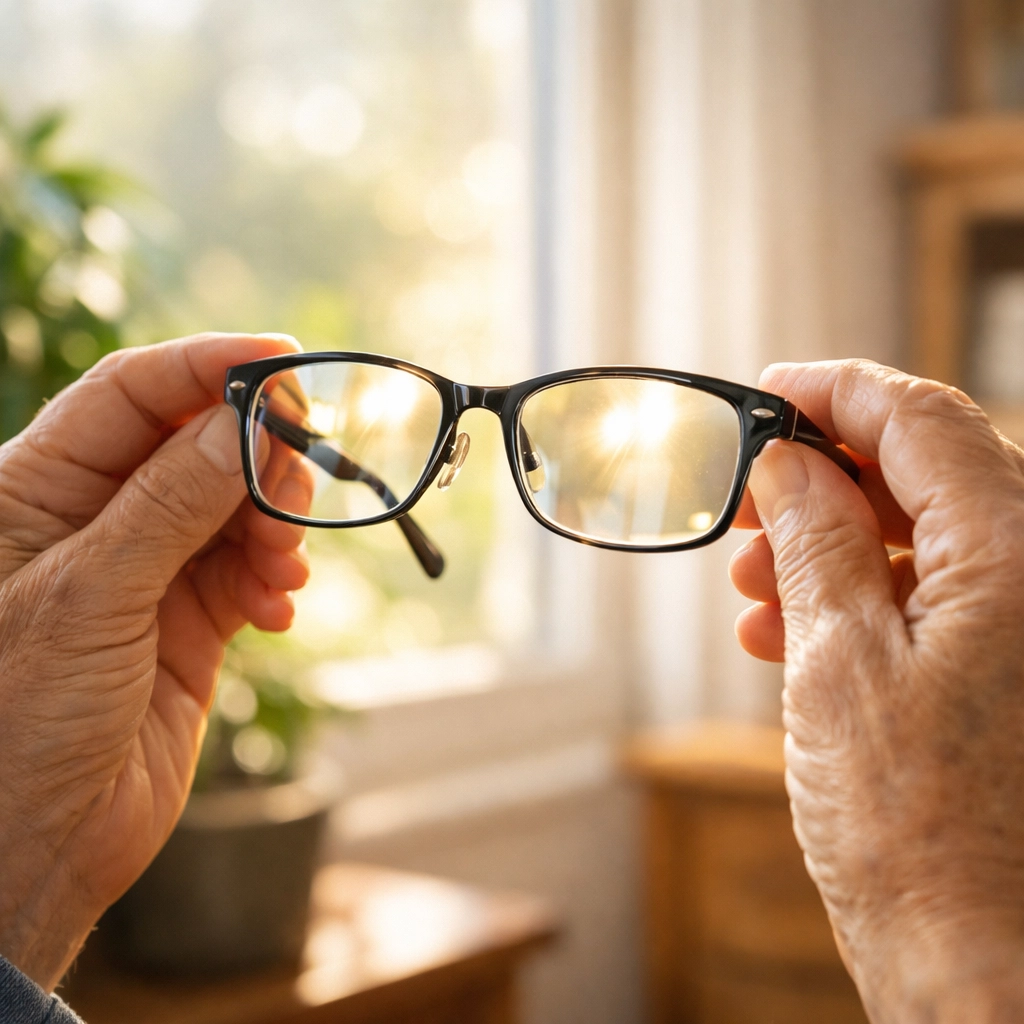
Regular eye exams should be non-negotiable as you age. Many vision problems develop gradually, and you might not notice the decline until it becomes significant.
Cataracts, glaucoma, and macular degeneration all affect fall risk. Corrective surgery or updated prescriptions for glasses or contacts can dramatically improve safety.
Similarly, if you've noticed hearing changes, have your hearing evaluated. Hearing aids don't just help with communication: they can improve your overall stability and awareness of your environment.
Stay Physically Active
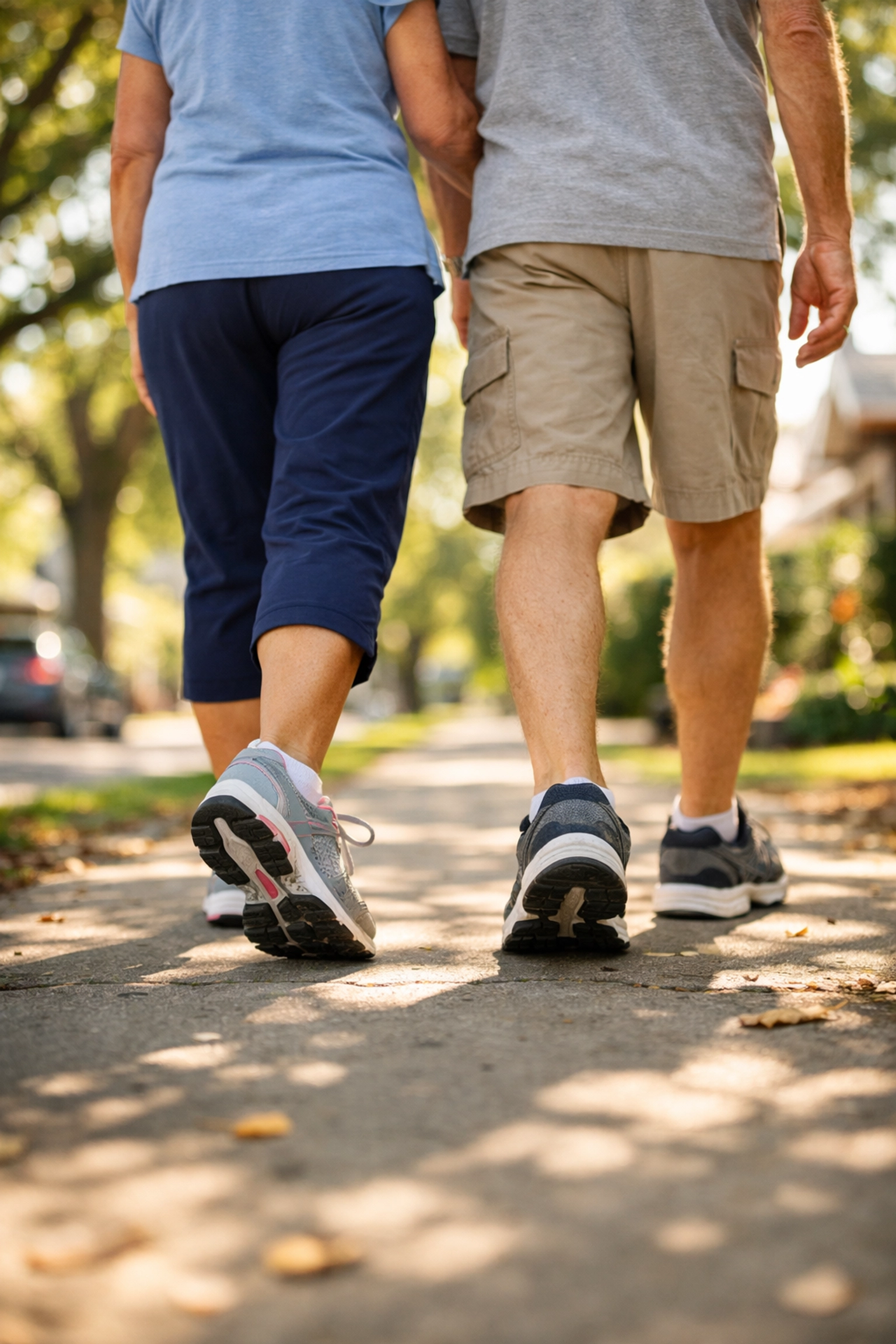
Physical activity is one of the most powerful fall prevention tools available. Regular movement keeps muscles strong, joints flexible, and balance systems sharp.
You don't need intense gym workouts. Everyday activities count significantly:
- Cleaning your home
- Yardwork and gardening
- Walking around your neighborhood
- Grocery shopping
- Playing with grandchildren
The key is consistency. Regular activity maintains the strength and function that prevent falls. Even gentle exercises like standing up from a chair repeatedly or walking heel-to-toe down a hallway can build balance and leg strength.
Focus on Nutrition
What you eat affects your fall risk more than many people realize. Adequate nutrition keeps muscles strong and bones healthy.
Vitamin D deserves special attention. Vitamin D deficiency is common in older adults and is associated with both increased fall risk and weaker bones. Your doctor can check your vitamin D levels and recommend supplementation if needed.
Overall caloric intake matters too. Unintentional weight loss or inadequate nutrition can accelerate muscle loss and increase fall risk.
Work With Your Healthcare Team
Your healthcare providers are essential partners in fall prevention. Schedule a conversation specifically about fall risk if you haven't already.
Medication Review: Ask your doctor or pharmacist to review all your medications: prescription and over-the-counter. Discuss whether any might affect your balance or alertness, and whether alternatives or dosage adjustments might help.
Manage Chronic Conditions: Work with your healthcare team to keep conditions like diabetes, high blood pressure, and heart disease well-managed. Better control of these conditions often means fewer symptoms that could contribute to falls.
Balance and Gait Assessment: Ask for a professional assessment of your balance and walking pattern. Physical therapists can identify specific issues and provide targeted exercises to address them.
Building Your Personal Fall Prevention Plan
Fall prevention isn't about doing everything perfectly. It's about making steady, practical improvements that reduce your risk over time.
Start by identifying which factors apply most to your situation. Do you take medications that might affect balance? Is your home lighting adequate? Have you had your vision checked recently? Has your strength or balance noticeably changed?
Choose one or two areas to address first. Maybe that means scheduling an eye exam and adding night lights to your hallway. Or perhaps it means talking with your doctor about your medications and starting a simple daily walking routine.
As those changes become routine, add another improvement. This gradual approach is much more sustainable than trying to overhaul everything at once.
The Bottom Line
Falls become more common with age because of changes in our bodies, accumulating health conditions, and the medications we take to manage those conditions. But this doesn't mean falls are inevitable or uncontrollable.
Understanding why falls increase gives you the power to take specific, effective action. Environmental modifications, proper footwear, vision care, physical activity, good nutrition, and medical management all work together to keep you safe and independent.
The goal isn't to eliminate all risk: that's neither possible nor necessary. The goal is to reduce risk to a level that lets you continue living confidently in your own home, doing the activities you enjoy, for as long as possible.
Every small step you take toward fall prevention is an investment in your independence and quality of life. Start with what feels manageable, and build from there.

