
Maintaining independence is a priority for almost everyone as they age. For many, a walker is the key that unlocks the door to continued mobility, allowing for trips to the grocery store, walks in the park, or simply moving safely from the bedroom to the kitchen. However, just because a walker is a common sight doesn't mean it’s always being used correctly.
In my years of working with mobility aids, I’ve seen that a walker is only as helpful as the technique behind it. When used improperly, a walker can actually increase the risk of a fall rather than prevent one. It’s a tool, and like any tool: whether it’s a hammer or a high-end kitchen appliance: there is a learning curve.
If you or a loved one are using a walker, it’s worth taking a moment to audit your habits. Here are the seven most common mistakes people make with their walkers and, more importantly, the simple fixes to keep you moving safely.
1. Setting the Wrong Height
This is perhaps the most common issue I see. A walker that is too high or too low doesn't just feel "off": it actively compromises your balance and puts unnecessary strain on your body.
If the handles are too high, your elbows will be bent too sharply, and your shoulders will be pushed up toward your ears. This leads to neck and shoulder pain and prevents you from putting your full weight through your arms if you trip. If the handles are too low, you’ll find yourself hunching over. This forward-leaning posture shifts your center of gravity too far forward, making you much more likely to tip.
The Fix:
To find the "Goldilocks" height, stand as straight as you comfortably can with your arms hanging naturally at your sides. The handgrips of the walker should align with the crease on the inside of your wrist. When you place your hands on the grips, your elbows should have a slight, comfortable bend: usually about 15 to 20 degrees. This angle allows for the best leverage and support.

2. Walking "Inside" the Frame (or Too Far Behind It)
There is a sweet spot for where your body should be in relation to the walker. Many people make the mistake of stepping too far into the frame of the walker, effectively trying to walk "inside" it. This can cause you to kick the front bar or lose your balance backward.
On the flip side, some users push the walker far out in front of them and then "chase" it. This creates a gap between you and your support system, leaving you vulnerable in the moments when the walker is rolling away from you.
The Fix:
Think of the walker as a protective bubble, but one you stay just on the edge of. Your feet should generally stay aligned with the back legs of the walker. As you move, you push the walker forward a short distance, then step into it: not through it. Your torso should stay relatively upright, and you should feel like the walker is an extension of your own personal space, not a separate object you are chasing down the hallway.
3. The "Cross-Over" Turn
Turning is statistically one of the most dangerous maneuvers for walker users. Research in nursing home settings has shown that a significant percentage of falls occur when a person crosses one leg over the other while trying to change direction.
When you cross your legs, your base of support becomes extremely narrow. If you lose your balance at that exact millisecond, there is nowhere for your foot to go to catch you. It’s a recipe for a trip-and-fall incident.
The Fix:
The "pie-step" method is the safest way to turn. Instead of twisting your body or crossing your legs, take small, deliberate steps in a semi-circle. Move the walker a few inches in the direction you want to go, then move your feet to match it. Keep your feet shoulder-width apart at all times. It might take a few extra seconds to complete a 180-degree turn, but those extra seconds are an investment in your safety.

4. Looking Down at Your Feet
It is a natural instinct to look down when we are worried about tripping. We want to see every rug edge, every stray toy, and every transition in the flooring. However, staring at your feet while using a walker actually makes you less stable.
When your gaze is fixed downward, your head: which is quite heavy: pulls your posture forward. This suppresses your "proprioception," which is your body’s internal sense of where it is in space. Furthermore, if you are looking at your feet, you aren't looking at what’s five feet in front of you, like a pet running across the room or a door swinging open.
The Fix:
Practice looking ahead. Try to keep your eyes focused about 10 to 20 feet in front of you. This allows your peripheral vision to handle the floor immediately in front of you while your main focus identifies upcoming hazards. Keeping your head up also helps maintain a straight spine, which improves your overall balance and lung capacity.
5. Pulling on the Walker to Stand Up
This is a dangerous habit that often happens unconsciously. When rising from a chair or a sofa, many people reach forward, grab the handles of the walker, and pull themselves up.
Walkers are designed to support downward pressure, not horizontal pulling. If you pull on the walker, it can easily tip backward toward you, or the wheels (if it has them) can roll out from under you, leaving you falling backward into the seat: or worse, onto the floor.
The Fix:
Always push up from the surface you are sitting on. Place your hands on the armrests of the chair or the firm surface of the bed. Lean your nose over your toes, and use your legs and arms to push upward. Once you are fully upright and have your balance, then reach forward and place your hands on the walker grips.

6. Forgetting the Brakes (The "Roll-Away")
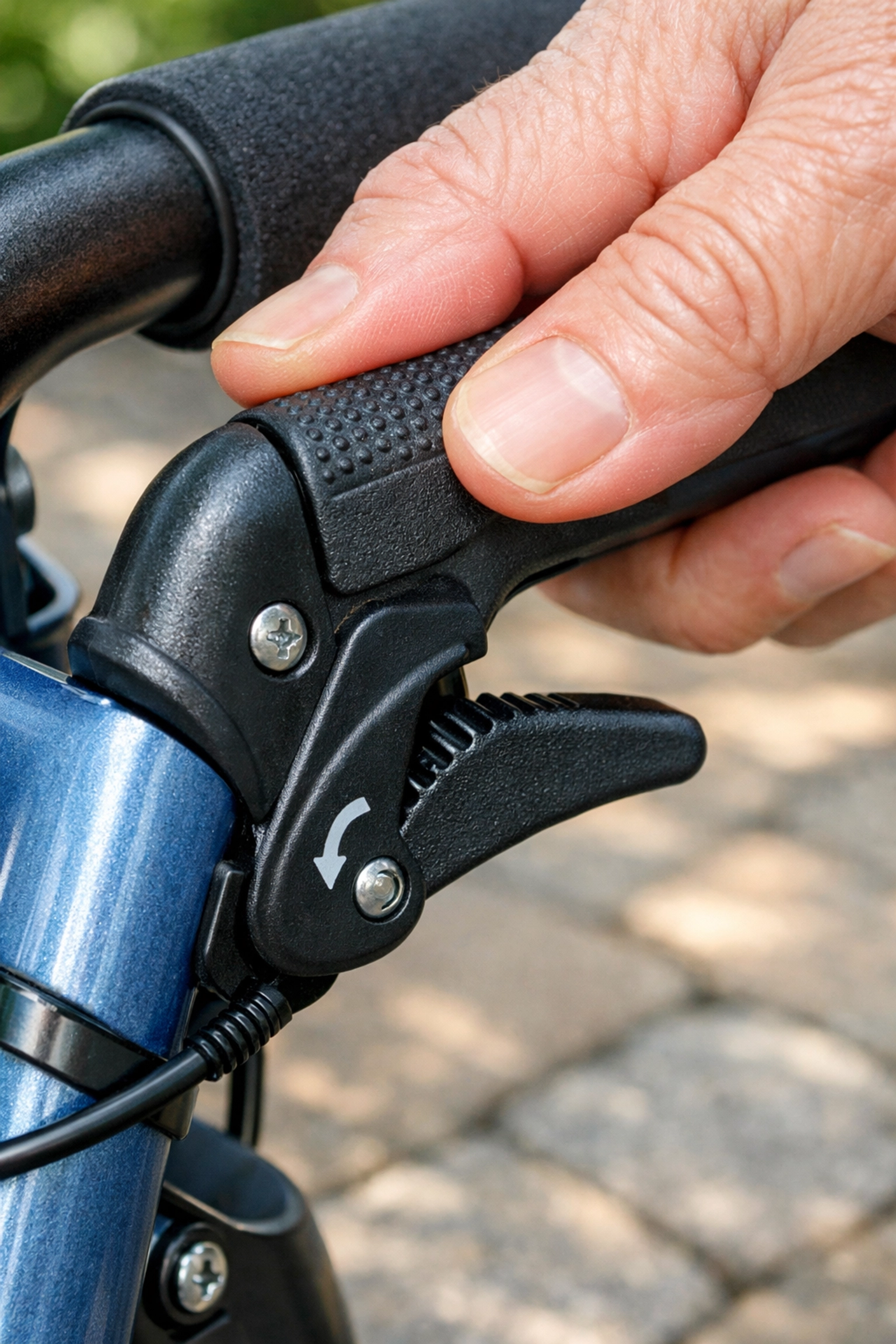
If you use a rollator (a walker with four wheels and a seat), the brakes are your best friend. A common mistake is failing to engage the parking brakes before sitting down on the walker’s seat or before standing up from it.
I have seen many instances where a person goes to sit on their rollator, and as their weight shifts, the walker rolls backward. Because the user is already in the process of sitting, they cannot catch themselves, leading to a hard fall.
The Fix:
Make it a hard and fast rule: if your feet aren't moving, the brakes are on. Whenever you stop to talk to someone, whenever you prepare to sit, and especially when you are transitionng from sitting to standing, click those brakes into the locked position. Most rollators allow you to push the brake levers down until they "click" into a locked state. Get into the habit of hearing that click every single time you stop.
7. Using the Wrong Walker for the Environment
Not all walkers are created equal. Using a standard walker (no wheels) on a long outdoor trek can be exhausting because you have to lift the device with every step. Conversely, using a heavy, wide rollator in a tiny bathroom with tight corners can lead to getting stuck or tripping over the frame.
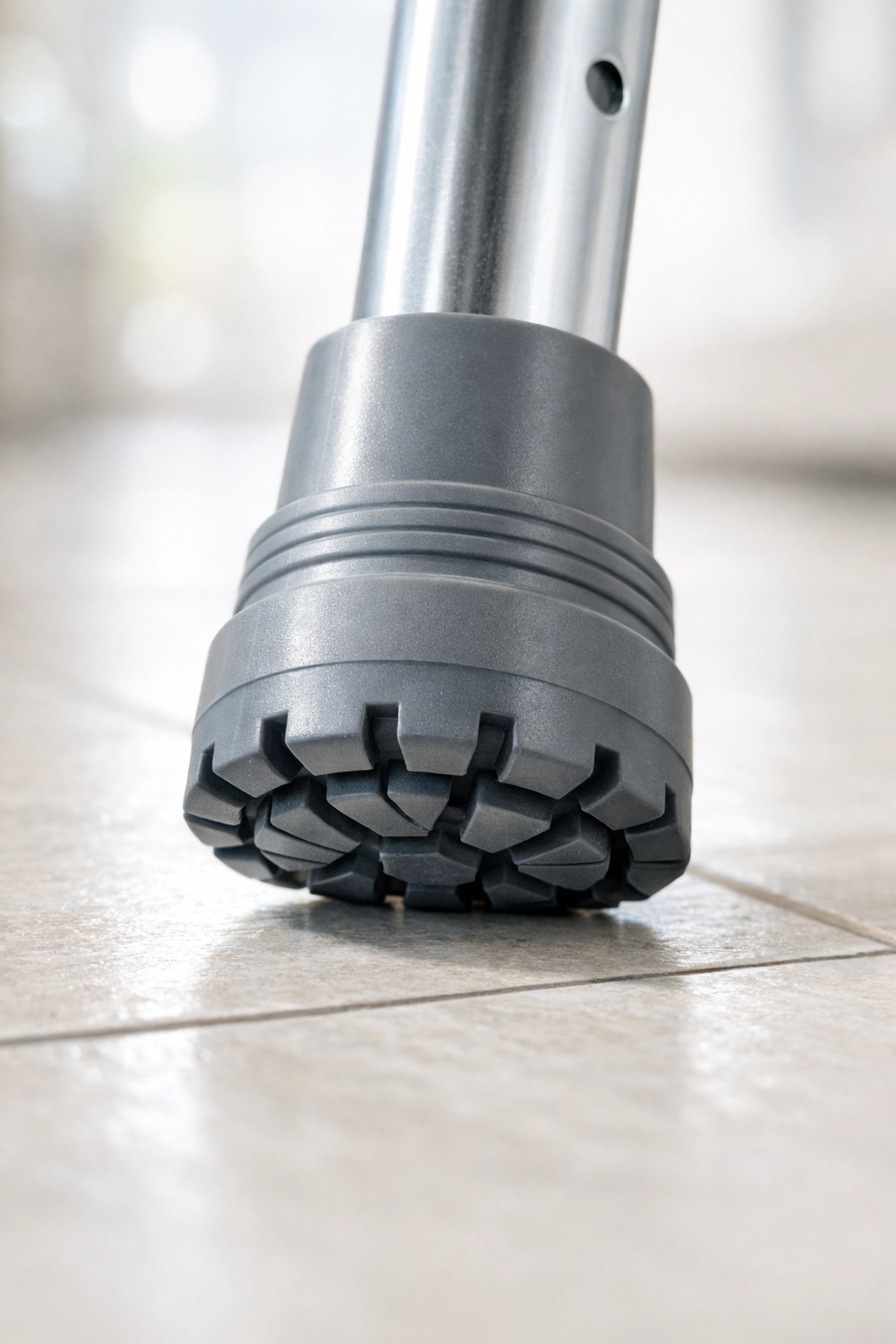
Another common mistake is "hand-me-down" walkers. While the sentiment is kind, a walker borrowed from a neighbor might not be rated for your weight or might have worn-out rubber tips that have lost their grip.
The Fix:
Ensure your walker matches your lifestyle. If you have significant balance issues, a standard walker or a front-wheeled walker provides more stability because it won't "run away" from you. If you are more mobile but need a place to rest during long walks, a rollator is often the better choice.
Check the condition of your equipment regularly. The rubber tips on the bottom of a walker are like tires on a car; they wear down over time. If the rubber looks smooth or uneven, it’s time to replace the tips. They are inexpensive and can be found at most pharmacies.
A Note on Maintenance and Professional Guidance
Beyond these seven mistakes, general maintenance plays a huge role in safety. Every few weeks, do a quick "safety check" on your walker:
- Are the handgrips tight, or do they slide around?
- Are the folding mechanisms clicking securely into place?
- If you have wheels, are they wobbling or squeaking?
- Are the brakes responsive, or do they feel loose?
If you find that you are still struggling with your walker despite fixing these mistakes, it may be time to consult a professional. A physical therapist (PT) is an expert in gait and mobility. They can provide a personalized assessment to ensure you are using the right device for your specific physical needs. Sometimes, a few sessions with a PT can provide the confidence and technique needed to turn a walker from a "clunky necessity" into a true tool for freedom.
Final Thoughts
Using a walker is a skill. It’s not something we are born knowing how to do, and it’s perfectly normal to need a little practice. By focusing on your posture, being mindful during turns, and respecting the mechanics of the device, you can significantly reduce your risk of injury.
The goal of any mobility aid is to keep you engaged with the world around you. By avoiding these common pitfalls, you aren't just using a walker: you’re mastering it. Stay upright, stay safe, and keep moving forward.

