
Transfer poles are one of the most versatile pieces of safety equipment you can have in your home. These floor-to-ceiling poles provide sturdy support for standing, sitting, and moving around: no drilling, no permanent installation required. But like any safety device, they only work properly when used correctly.
Unfortunately, many people make simple mistakes that reduce the effectiveness of their transfer poles or even create new safety risks. The good news? Most of these mistakes are easy to fix once you know what to look for.
Let's walk through the seven most common transfer pole mistakes and how to correct them.
Mistake #1: Installing at the Wrong Height
This is probably the most common error, and it's an easy one to make. Many people think they should extend a transfer pole until it "feels tight" between the floor and ceiling. But what feels tight to you might not be secure enough to support your weight safely.
Transfer poles work through tension: they need to be compressed firmly between two solid surfaces. If the pole isn't extended enough, it can slip or shift under pressure. If it's overextended, you risk damaging your ceiling or creating stress points that could cause failure.
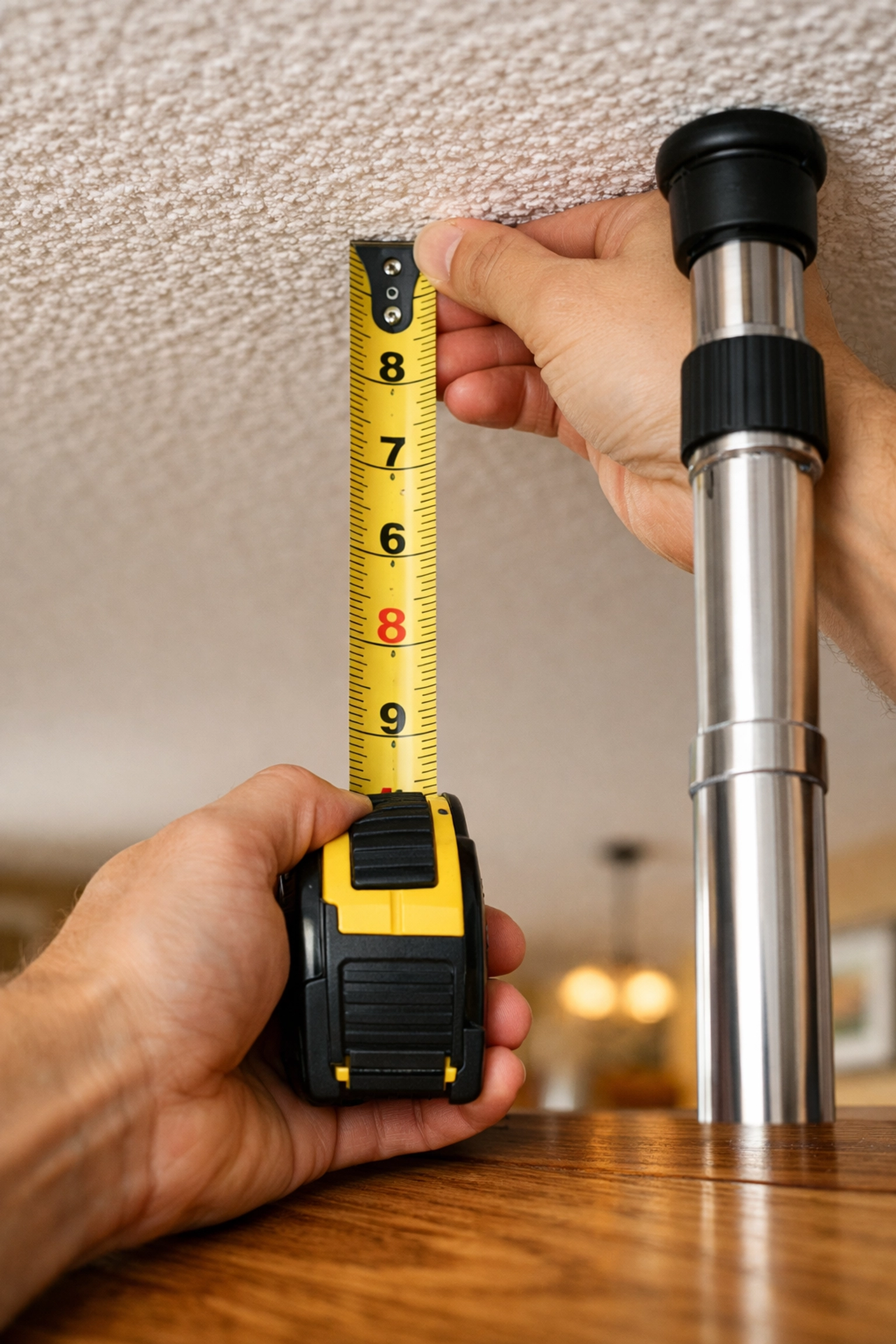
How to fix it: Follow the manufacturer's specific installation instructions. Most transfer poles have clear height requirements and tension specifications. Generally, you'll want to extend the pole until it's snug, then give it an additional quarter to half turn to create proper compression. Test it by applying your full weight from different angles before relying on it.
Check the pole weekly for the first month after installation. Ceilings and floors can settle slightly, and you may need to readjust the tension. After that, monthly checks are usually sufficient.
Mistake #2: Choosing the Wrong Location
Where you place your transfer pole matters just as much as how you install it. Many people put poles in convenient spots without considering whether those locations will actually be helpful: or safe.
Common location mistakes include placing poles too far from where you need support, positioning them where they create obstacles in walking paths, or installing them in areas with inadequate ceiling structure.
How to fix it: Think through your daily routine and identify where you most need support. Common high-value locations include:
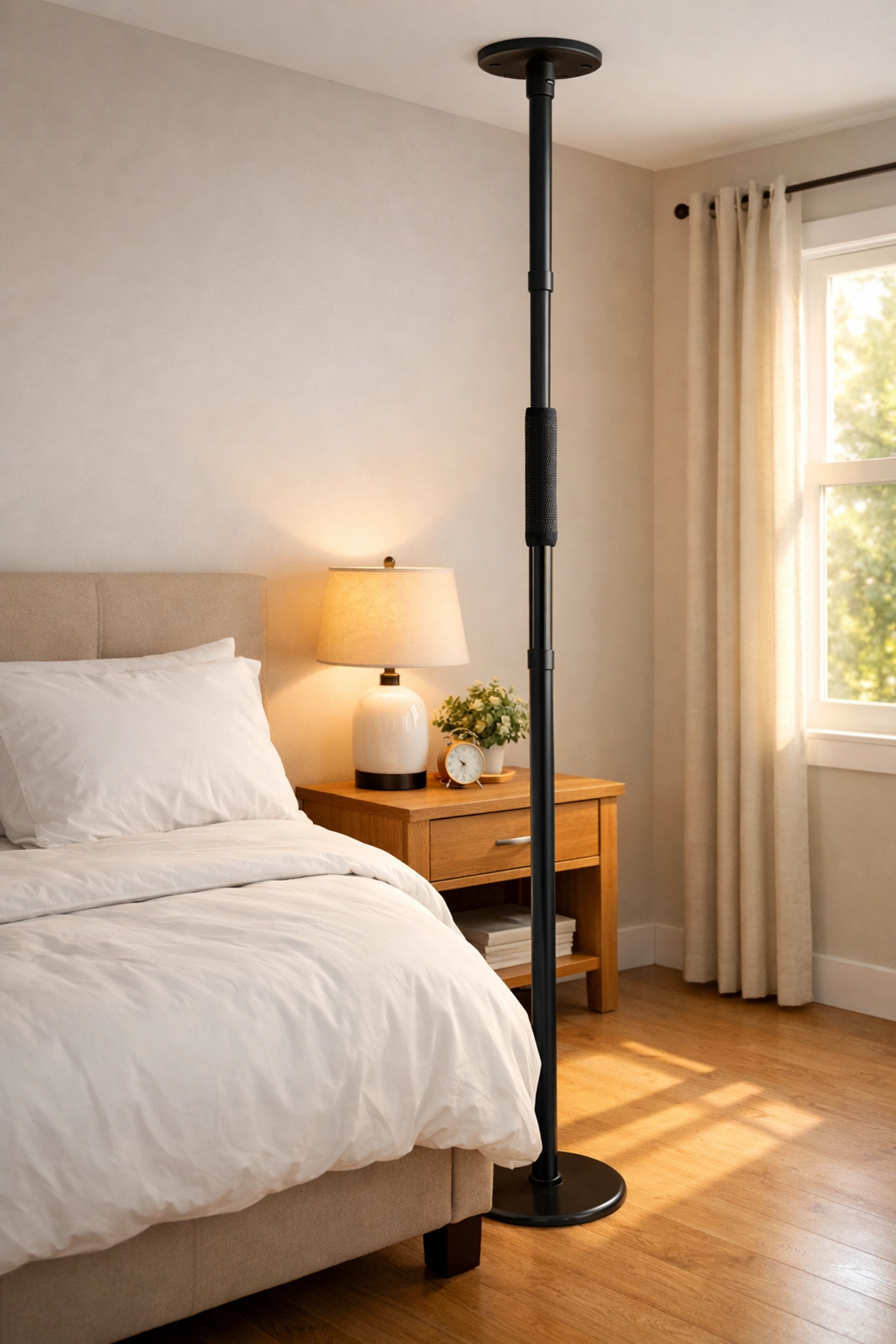
- Next to the bed for sitting up and standing
- Near the toilet for safe transfers
- Beside a favorite chair
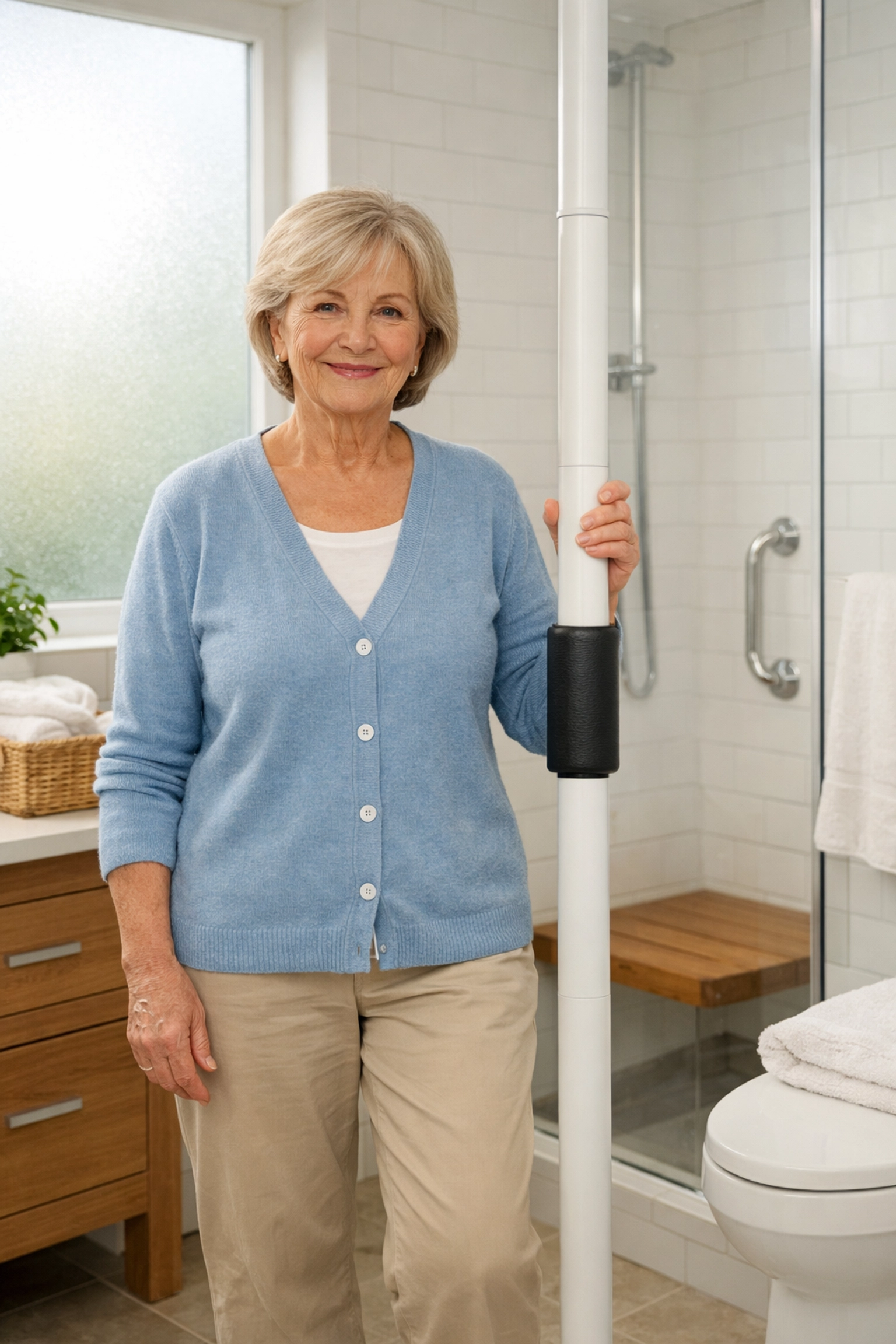
- In the shower or bath area (if your pole is rated for wet environments)
- Near the entry door where you put on and remove shoes
Before installation, walk through the movement you'll be making. Stand where you'll stand, reach where you'll reach. Make sure the pole will be within comfortable arm's reach without requiring you to lean or stretch awkwardly.
Also verify that you're installing on solid surfaces. You need a structural ceiling joist above and solid flooring below: not just drywall or subflooring.
Mistake #3: Ignoring Weight Capacity Ratings
Not all transfer poles are created equal. Standard models typically support 300 pounds, while bariatric versions can handle 400 pounds or more. Using a pole rated below your weight isn't just ineffective: it's dangerous.
But weight capacity isn't just about your body weight. You need to factor in the dynamic forces created when you pull yourself up, catch yourself from a stumble, or shift your full weight suddenly onto the pole.
How to fix it: Always choose a transfer pole rated for at least 50-75 pounds above your body weight. This safety margin accounts for dynamic loading and gives you confidence that the pole will support you in any situation.
If you're near the upper limit of a standard pole, consider a bariatric model. If multiple people in your household will use the pole, base your selection on the heaviest user's needs.
Review the weight capacity annually or whenever your circumstances change. Weight fluctuations, whether gain or loss, may require reassessing your equipment.
Mistake #4: Neglecting Regular Maintenance
Transfer poles seem simple: just a pole between the floor and ceiling. But they still require regular attention to stay safe and functional. Many people install them and then forget about them for months or years.
Over time, tension can loosen, rubber pads can wear down, connections can work loose, and the pole itself can develop wear patterns or damage. These changes happen gradually, so you might not notice until there's a problem.
How to fix it: Create a simple monthly maintenance routine:
Check the tension by firmly grasping the pole and trying to rotate it. It should feel solid with no movement or give.
Inspect the ceiling and floor plates for any signs of damage, cracking in the ceiling, or compression marks in the floor.
Look for any bending, denting, or deformation in the pole itself.
Ensure all connections are tight and secure if you have a multi-piece pole.
Wipe down the pole to remove oils, dust, or residue that could make it slippery.
Mark your calendar or set a phone reminder so maintenance becomes a habit. It only takes five minutes but can prevent serious safety issues.
Mistake #5: Using Poor Grip Technique
How you hold and use your transfer pole matters enormously. Many people grasp it loosely, use only one hand when two would be safer, or pull at awkward angles that reduce stability.
Poor technique doesn't just make the pole less helpful: it can actually increase your fall risk by giving you a false sense of security or pulling you off balance.

How to fix it: Practice proper transfer pole technique:
Use a firm, full-hand grip around the pole. Your thumb should wrap around to meet your fingers.
When standing from sitting, use both hands at different heights on the pole for better leverage and balance.
Pull straight up rather than at an angle. Sideways forces are more likely to cause slippage.
Move your hands up the pole as you rise rather than keeping them in one position and pulling your body up.
When sitting down, use the pole for controlled descent rather than dropping quickly.
If you're recovering from surgery or dealing with specific mobility challenges, ask a physical therapist to observe your technique and suggest improvements. What seems natural isn't always safest.
Mistake #6: Failing to Adjust for Changing Needs
Your mobility and strength aren't static. They fluctuate with illness, recovery, medication changes, and natural aging. A transfer pole setup that worked perfectly last year might not meet your needs today.
Many people stick with their original configuration even when it becomes less helpful or more difficult to use. They might need a different grip accessory, a different pole location, or even an additional pole in another room.
How to fix it: Reassess your transfer pole setup at least twice a year or whenever you experience:
A change in mobility or balance
Recovery from surgery or illness
Changes in medication that affect balance or strength
A close call or near-fall
New difficulty with movements that used to be easy
Consider whether accessories like crossbars, curved grips, or additional hand holds would make the pole more useful. These attachments can provide support for different movements and positions.
Don't be reluctant to add a second or third pole in other locations if your needs expand. Most people who start with one transfer pole eventually add others as they discover how helpful they are.
Mistake #7: Not Involving Family or Caregivers
Transfer poles work best when everyone in the household understands how to use them and why they're important. But many people treat their mobility equipment as private, not discussing it with family members or caregivers.
This creates several problems. Family members might not know how to encourage proper use, might accidentally adjust or move the pole, or might not understand when something needs attention.
How to fix it: Make transfer pole education a family affair:
Show family members and caregivers where your poles are located and why you chose those spots.
Demonstrate proper technique so they can remind you if they notice unsafe practices.
Explain the maintenance routine so they can help with checks or remind you if you forget.
Discuss what to do if the pole seems loose or unstable: should they help you adjust it or call for professional assessment?
If you have home health aides or cleaning services, make sure they know not to hang things on the pole, use it to move furniture, or adjust it in any way.
Having a support team that understands your safety equipment makes everything work better and gives everyone peace of mind.
Moving Forward Safely
Transfer poles are remarkably effective safety tools when used correctly. By avoiding these seven common mistakes, you'll get maximum benefit from your equipment and significantly reduce your fall risk.
Remember that using a transfer pole isn't a sign of weakness: it's a smart strategy for maintaining independence and staying safe in your own home. The goal isn't to avoid using assistance; it's to use the right assistance in the right way.
Start today by reviewing your current transfer pole setup against this list. Check the installation, verify the location, test the tension, and practice your technique. Make maintenance a regular habit rather than an afterthought.
If you're not sure whether your setup is optimal, consider scheduling a home safety assessment with an occupational therapist. These professionals can evaluate your entire living space and make specific recommendations for your situation.
Your safety is worth a few minutes of attention and adjustment. With proper installation, maintenance, and technique, your transfer pole will provide reliable support for years to come.

