
When it comes to maintaining independence at home, few tools are as versatile as the transfer pole. These floor-to-ceiling support beams offer a sturdy handhold exactly where you need it: whether that is beside the bed, next to a favorite recliner, or in the bathroom. Because they rely on tension rather than permanent wall fixtures, they are a favorite for renters and those who aren't ready to commit to drilling into their studs.
However, because transfer poles look relatively simple to install and use, it is easy to overlook the small details that ensure they remain safe. A transfer pole that isn't set up correctly or used properly can provide a false sense of security, leading to slips or even the pole itself shifting during a transition.
If you are a caregiver or someone using a transfer pole to stay mobile, it is important to recognize common pitfalls. Here are seven mistakes people often make with transfer poles and, more importantly, how you can fix them to stay safe.
1. Skipping the Manufacturer’s Manual
It is a common habit: we open a box, see a few metal tubes, and think, "I can figure this out." With a transfer pole, this is a dangerous gamble. While the concept of a tension-mounted pole is straightforward, the specific engineering varies significantly between brands.
One of the most frequent errors occurs during the assembly of the internal "jack" mechanism. If the pole is assembled out of order or if the internal springs aren't seated correctly, the pole may feel tight at first but can lose tension over time. Furthermore, repeatedly puncturing or scratching the pole by mispositioning the adjustment pins can weaken the metal or alter the shape of the tube, potentially voiding the warranty and compromising the structural integrity.
The Fix: Take ten minutes to read the manual from start to finish before you even take the pieces out of the plastic. Pay close attention to the specific torque requirements for any screws and the order in which the top and bottom plates should be aligned.
2. Positioning the Pole on Unstable Flooring
A transfer pole is only as stable as the surfaces it is pressed against. A common mistake is placing the base of the pole on top of a plush rug, a loose throw carpet, or uneven tile.
When a pole is tightened onto a carpet with a thick pad, the carpet fibers compress over time. What felt like a rock-solid installation on Tuesday might become wobbly by Friday as the carpet settles. Similarly, placing the base across a grout line in a bathroom or on a slanted floor can cause the baseplate to "walk" or slide when lateral pressure is applied (like when someone leans their full weight against the pole to stand up).
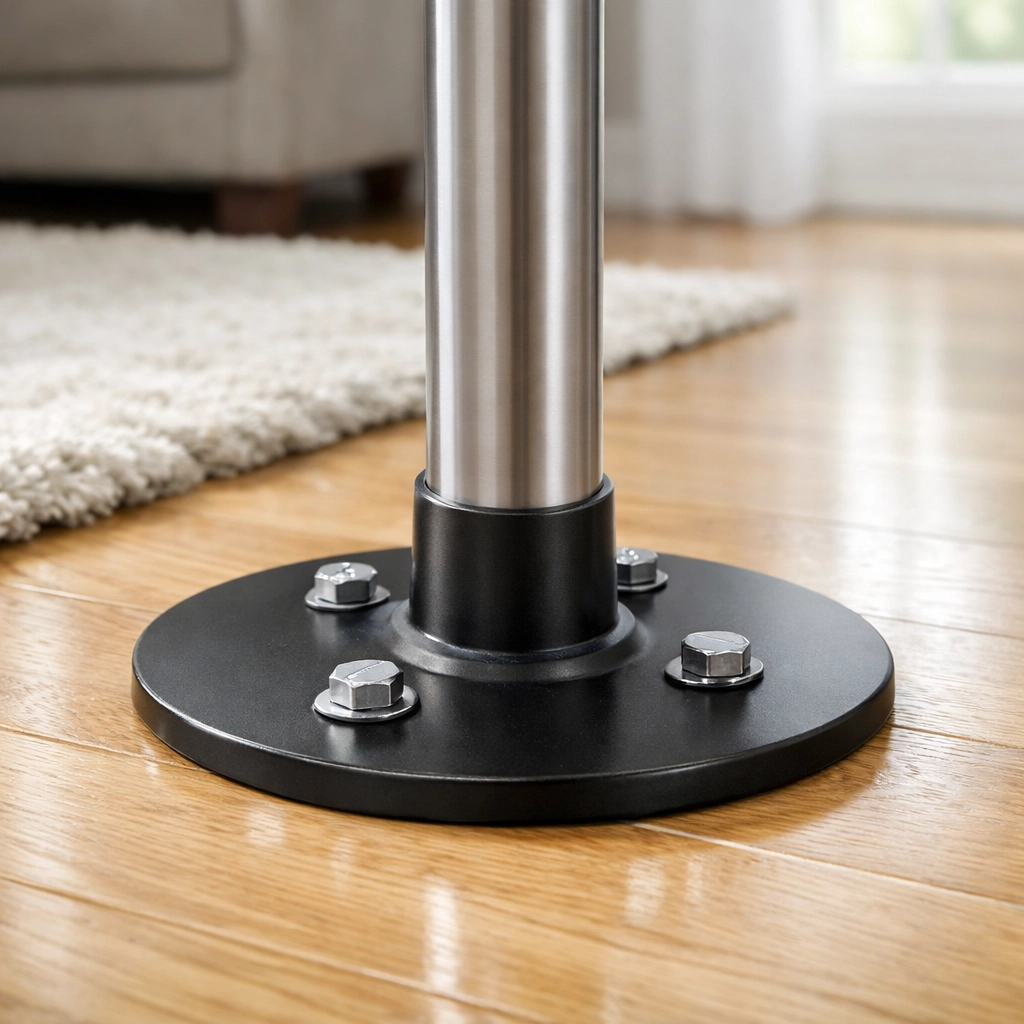
The Fix: Always install the pole on a hard, flat, and stable surface. If you must install it in a carpeted room, you may need to check the tension more frequently or consider a model specifically designed with a larger baseplate to distribute the pressure. Ensure the base is completely flush with the floor, with no furniture legs or clutter obstructing the contact area.
3. The "Overtightening" Trap
It is a natural instinct to think that "tighter is better." If you want the pole to hold your weight, you might be tempted to crank the tension adjustment as far as it will go. However, overtightening can lead to several problems.
First, it can cause structural damage to your home. Most residential ceilings are made of drywall (gypsum board), which is relatively fragile. Overtightening can crack the drywall or even pop the nails out of the ceiling joists. Second, excessive pressure can strain the threaded rod inside the pole, potentially stripping the threads and making it impossible to adjust or remove later.
The Fix: Tighten the pole until it is snug and does not move when you give it a firm shake at chest height. Most manufacturers provide a specific "click" mechanism or a visual indicator to show when the correct tension is reached. If the pole shifts when you test it, check your alignment rather than simply tightening it further.
4. Ignoring Ceiling Joists and Height Limits
Not all ceilings are created equal. A transfer pole works by creating a "sandwich" effect between the floor and the ceiling. If the top plate of the pole is pressing against a hollow section of the ceiling (the space between the wooden beams or joists), there is a high risk of the plate punching through the drywall when weight is applied.
Additionally, many people forget to measure their ceiling height before purchasing. While many poles are adjustable, they have strict minimums and maximums. Using an extension piece that isn't approved by the manufacturer or trying to "stretch" a pole to fit a vaulted ceiling can lead to a catastrophic failure.
The Fix: Use a stud finder to locate the ceiling joists. The top plate of the transfer pole should ideally span across at least one joist (and preferably two if the plate is long enough). If you have a vaulted or angled ceiling, you must use a specialized "slanted ceiling" adapter designed specifically for your model of pole. Never attempt to use a standard flat-top pole on an angle.
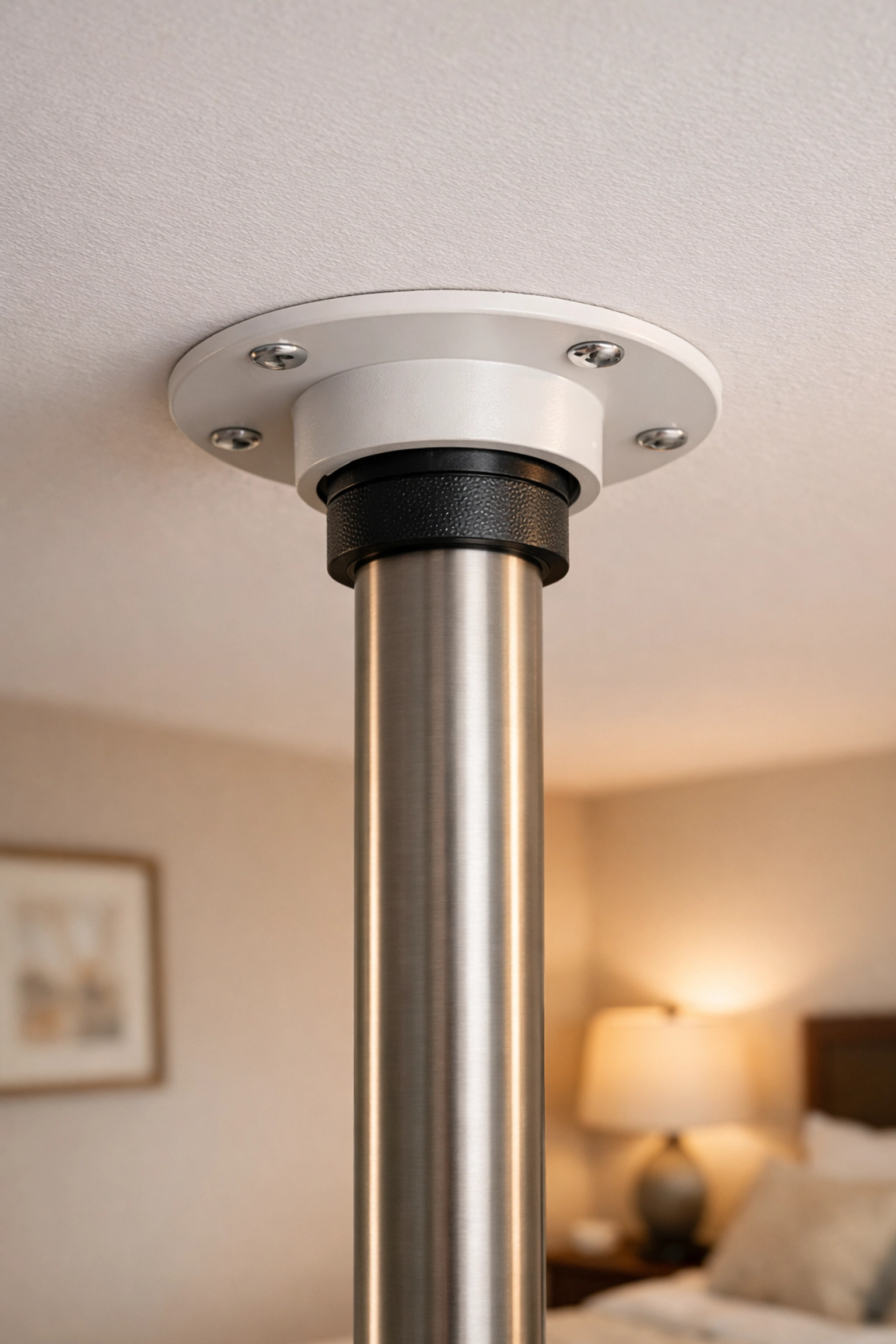
5. The "Set It and Forget It" Mentality
Once a transfer pole is installed, it often becomes part of the furniture. We stop thinking about it: until it moves. House structures are dynamic; they shift with the seasons, and wood expands and contracts with changes in humidity. These subtle movements can cause a tension-mounted pole to lose its grip over several months.
Furthermore, the act of using the pole creates micro-vibrations. Over hundreds of uses, these vibrations can slightly loosen the tensioning nut.
The Fix: Establish a "Maintenance Monday" routine. Once a week (or at least once a month), give the pole a firm tug. Check the top and bottom plates to ensure they haven't shifted. If the pole feels even slightly loose, re-tension it according to the manual. It only takes thirty seconds, but it can prevent a fall.
6. Not Assessing the User's Physical and Cognitive Readiness
A transfer pole is a tool, and like any tool, it requires a certain level of skill to use safely. A common mistake is assuming that because a pole is there, the user will instinctively know how to use it correctly.
If a person has significant hand weakness or arthritis, they may not be able to maintain a secure grip on the metal pole, especially if their hands are sweaty or if the pole is cold. On the cognitive side, individuals with advanced dementia may become confused by the pole's presence or try to use it for tasks it wasn't intended for, such as hanging clothes or leaning on it at an unsafe angle.
The Fix: Before relying on a pole for safety, have a physical therapist observe the user. Ensure the user has the grip strength to hold the pole firmly. If the metal is too slick, you can add non-slip grip tape or a foam cover (if approved by the manufacturer). Always practice "shadowing" the user for the first several days to ensure they are grabbing the pole at a safe height and not pulling it toward themselves at an extreme angle.

7. Failing to Adapt for Heavy Equipment
In many cases, a transfer pole is used in conjunction with a wheelchair or a power scooter. A major mistake is failing to account for the weight and force of these devices. A power wheelchair can weigh between 150 and 400 pounds. If a user accidentally bumps the pole with a moving power chair, the lateral force is much higher than a human simply leaning on it.
Standard tension-mounted poles are designed for vertical weight support and moderate lateral leaning. They are not designed to withstand a "collision" from a heavy motorized vehicle.
The Fix: If the pole is being used in a high-traffic area for a power wheelchair, it is highly recommended to use the "permanent" mounting option. Most quality transfer poles come with holes in the base and top plates that allow you to screw them directly into the floor and the ceiling joists. While this makes the pole less "portable," it adds a critical layer of safety for users of heavy mobility equipment.
Safe Usage Tips for Every Day
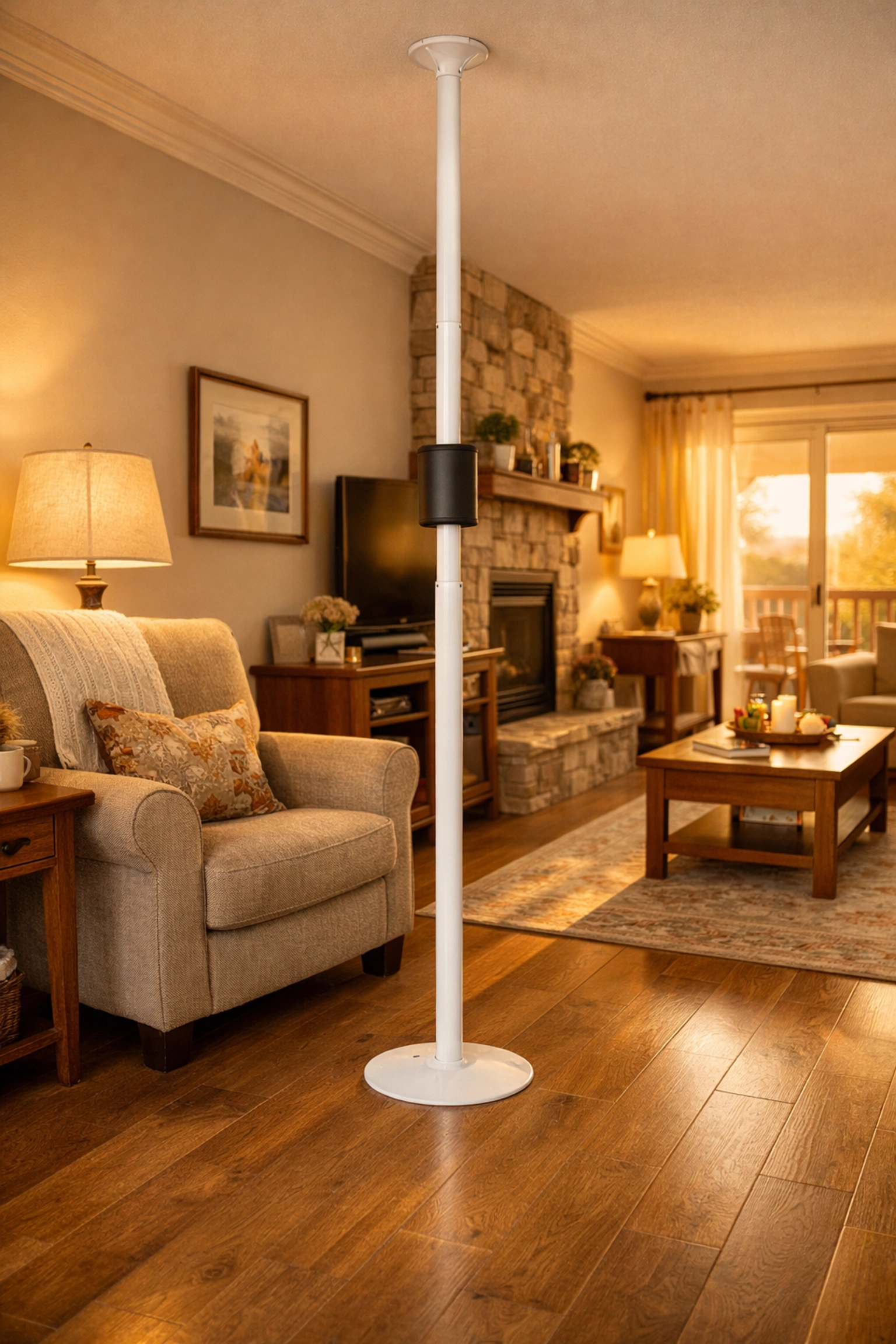
Beyond avoiding these seven mistakes, safe transfer pole use is about habit. Here are a few "golden rules" to keep in mind:
- Hand Placement: Always encourage the user to place their hands at roughly shoulder height. Grabbing the pole too high can make it "top-heavy" and unstable, while grabbing it too low provides poor leverage for standing.
- Clear the Area: Ensure the area around the base of the pole is clear of clutter. If a user trips on a stray slipper while reaching for the pole, the pole itself might become a secondary hazard.
- Lighting: Ensure the pole is visible at night. Adding a small piece of glow-in-the-dark tape at eye level can help a senior find the support they need during those midnight trips to the bathroom.
When to Consider a Different Solution
While transfer poles are excellent, they aren't the right solution for every home. If your ceiling is made of acoustic "popcorn" tiles or is a "drop" ceiling (like those found in some basements), a tension pole cannot be safely installed without significant modifications. In these cases, wall-mounted grab bars or floor-mounted assist rails that don't rely on ceiling tension are much safer alternatives.
Creating a safe home environment is a journey of constant adjustment. By avoiding these common installation and usage mistakes, you can ensure that the transfer pole remains a reliable "partner" in your or your loved one's daily mobility. Remember, the goal is not just to have the equipment in the room, but to have it installed and used in a way that truly minimizes the risk of a fall.
Take the time today to go over to your transfer pole and give it a "wiggle test." If it moves, or if you realize it’s sitting on a rug, take the time to fix it. That small effort is the foundation of fall prevention.

