
Stairs are often the most functional part of a home, connecting our living spaces and providing the structure we need to move through our day. However, for many of us, they also represent the most significant challenge to staying safe at home. As we age, or as we care for those who are aging, the way we interact with our staircases needs to change.
At Fall Guys Products, we spend a lot of time thinking about how to make homes feel like a sanctuary rather than a series of obstacles. My name is Brian Kerr, and over the years, I’ve seen that most accidents on stairs don’t happen because of a single catastrophic failure. Instead, they happen because of small, overlooked habits and minor environmental issues that add up over time.
The good news is that most stair-related risks are fixable. By identifying these seven common mistakes and implementing practical solutions, you can significantly increase the safety of your home and maintain your independence for years to come.
1. The "Hurry Sickness": Rushing Up and Down
We live in a fast-paced world, and that urgency often follows us right to the foot of the stairs. Whether it’s a ringing phone, a doorbell, or just the habit of moving quickly, rushing is the primary cause of missteps. When we hurry, our center of gravity shifts too far forward or backward, and our brain doesn't have enough time to process the exact position of our feet.
How to Fix It:
The solution here is behavioral. Practice "mindful climbing." This means making the stairs your sole focus while you are on them.
- One step at a time: Avoid the temptation to take steps two at a time or to move with a "galloping" rhythm.
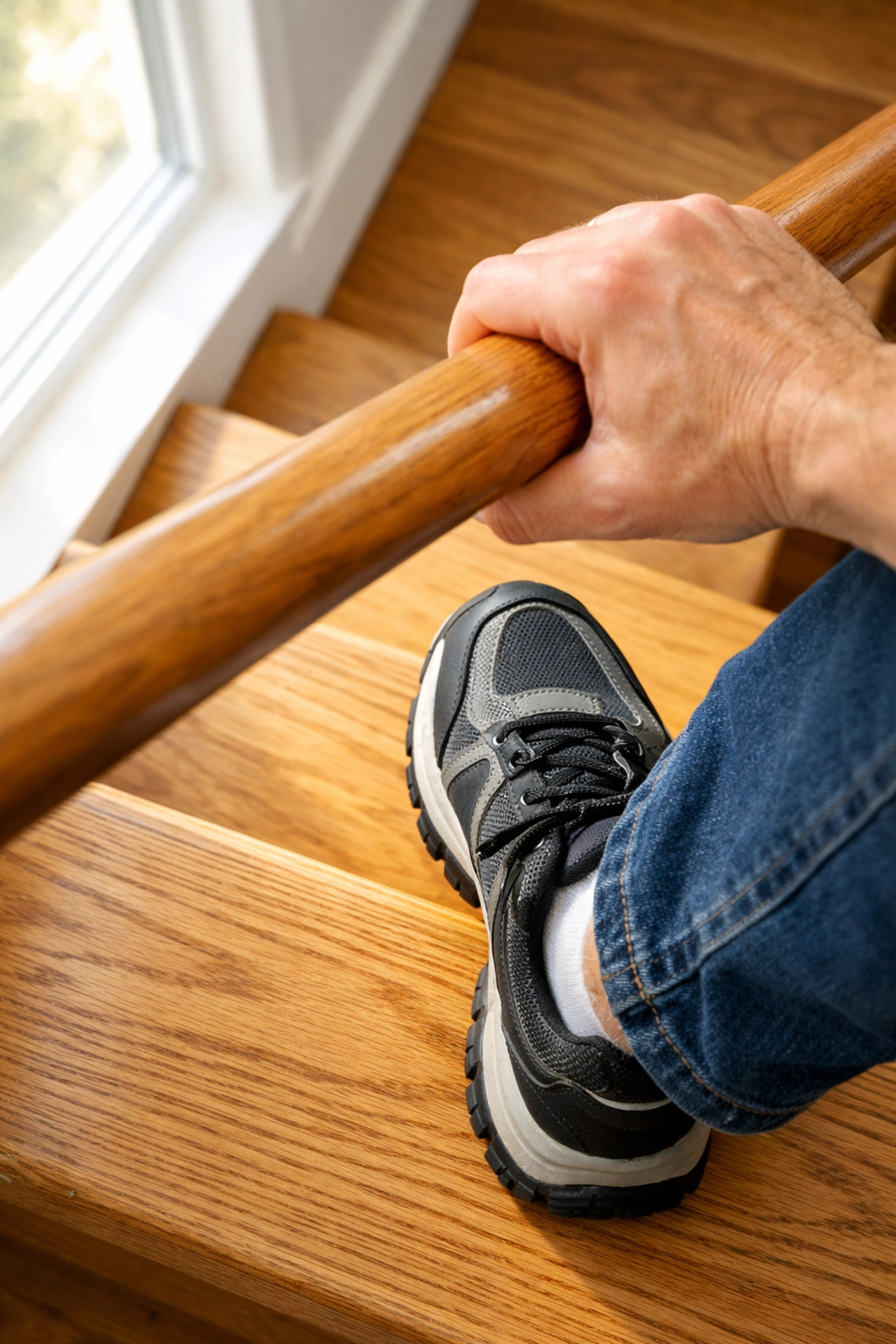
- The Three-Point Rule: Always try to have three points of contact with the staircase: two feet and one hand on the rail, or two hands and one foot.
- Pause at the top and bottom: Before you begin your ascent or descent, take a breath and ensure you are balanced.
2. Neglecting the "Power" of Handrails
Many homes have handrails that are more decorative than functional. You might have a rail that is too thick to wrap your hand around, or perhaps it’s only on one side of a wide staircase. Some people avoid using the handrail entirely because they feel they "don't need it yet."
The mistake isn't just not having a rail; it’s having a rail that doesn't allow for a "power grip." A power grip is when your fingers can completely encircle the rail, allowing you to use your arm strength to stabilize yourself if you trip.
How to Fix It:
- Check the Diameter: A safe handrail should be rounded and between 1.25 and 2 inches in diameter. If your current rail is a wide "bread-loaf" style that you can only pinch with your fingertips, it’s time to consider an upgrade or an auxiliary rail.
- Install Dual Rails: Ideally, stairs should have handrails on both sides. This provides balance for both sides of the body and is especially helpful if one side of your body is weaker than the other.
- Extend the Rail: Ensure the handrail extends past the top and bottom steps. Many falls occur on the transition from the floor to the first step because the support ends too early.
3. Treating the Stairs Like a Storage Unit
It starts innocently enough. You have a pair of shoes that needs to go upstairs, or a library book that needs to go back, so you set it on the bottom step to take "on the next trip." This "stair storage" creates a massive tripping hazard, especially in low light or when you are carrying something else.
How to Fix It:
- The Zero-Object Policy: Establish a strict rule that nothing is ever allowed to sit on the steps. Not for a minute, not for an hour.
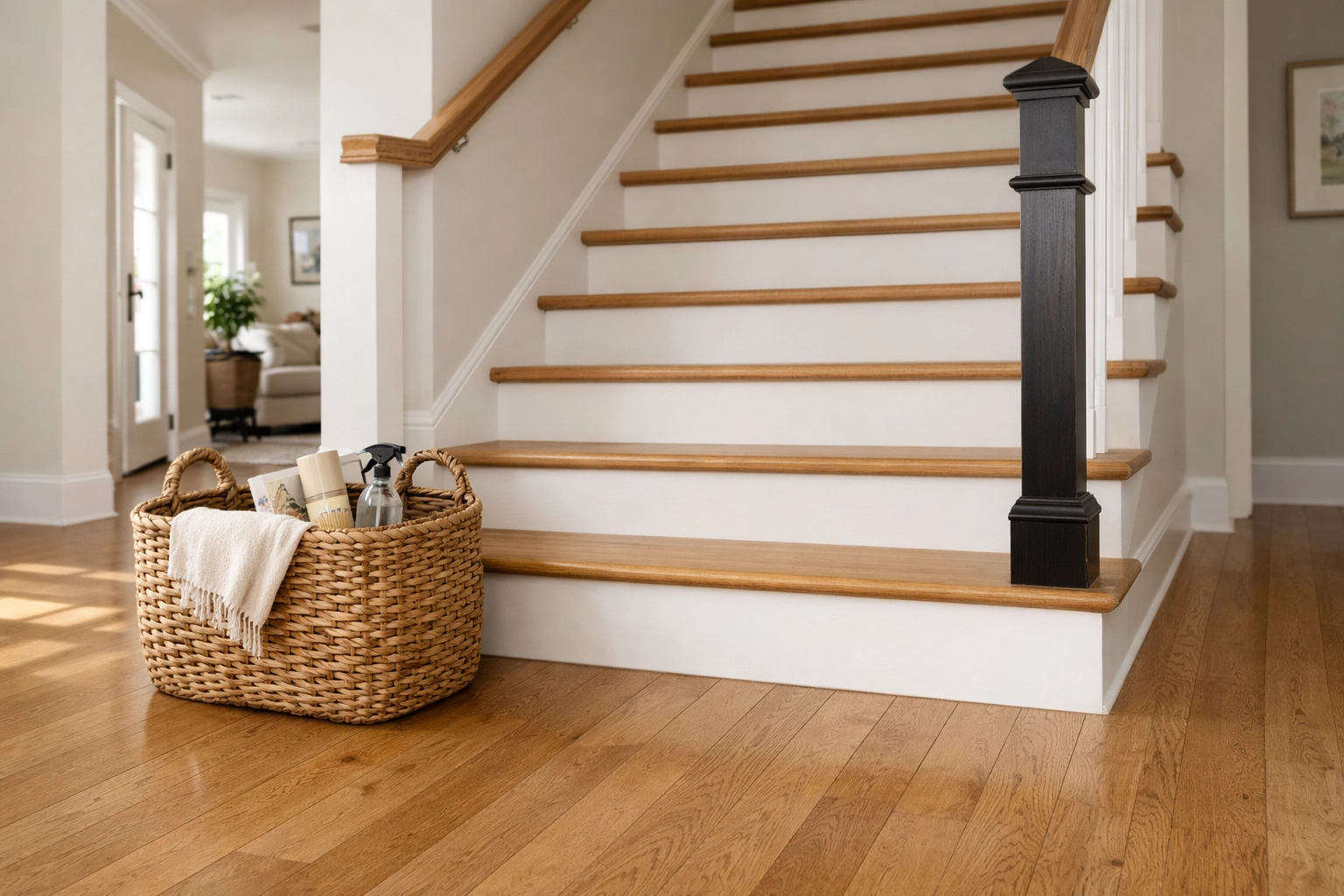
- Use Stair Baskets: If you like the efficiency of gathering items to move them all at once, place a dedicated "stair basket" on the floor next to the bottom and top of the stairs. This keeps the walkway clear while still allowing you to organize your home.
- Clear the Landings: It’s not just the steps themselves; the landings at the top and bottom must be clear of rugs, small furniture, or decor that could catch a toe.
4. Inconsistent Step Dimensions
Our brains are incredible at pattern recognition. When we walk up a flight of stairs, our muscles "memorize" the height (riser) and depth (tread) of the first few steps. This is called proprioceptive memory. If one step in the middle of the flight is even half an inch taller or shorter than the others, your foot won't land where your brain expects it to, leading to a stumble.
Older homes are notorious for "the odd step out," often due to settling or poor original construction.
How to Fix It:
- Measure Your Stairs: Use a tape measure to check the height and depth of every single step. The standard should be a riser height of about 7 inches and a tread depth of 11 inches.
- Highlight the Transitions: If you have an inconsistent step that you cannot easily rebuild, use a high-contrast anti-slip strip or a different color of paint on the edge of that specific step to alert your brain to the change.
- Consult a Professional: If the stairs are significantly warped or uneven, it may be a structural issue that requires a carpenter or a contractor to level them out.
5. Living in the Shadows: Poor Lighting
Stairs are often located in hallways or corners of the house that don't get much natural light. Many people rely on a single overhead light at the top of the stairs, which creates long shadows over the treads. If you can’t clearly see where the edge of the step ends, you are much more likely to misplace your foot.
How to Fix It:
- Dual-Switch Systems: Ensure there are light switches at both the top and the bottom of the stairs so you never have to climb or descend in the dark.
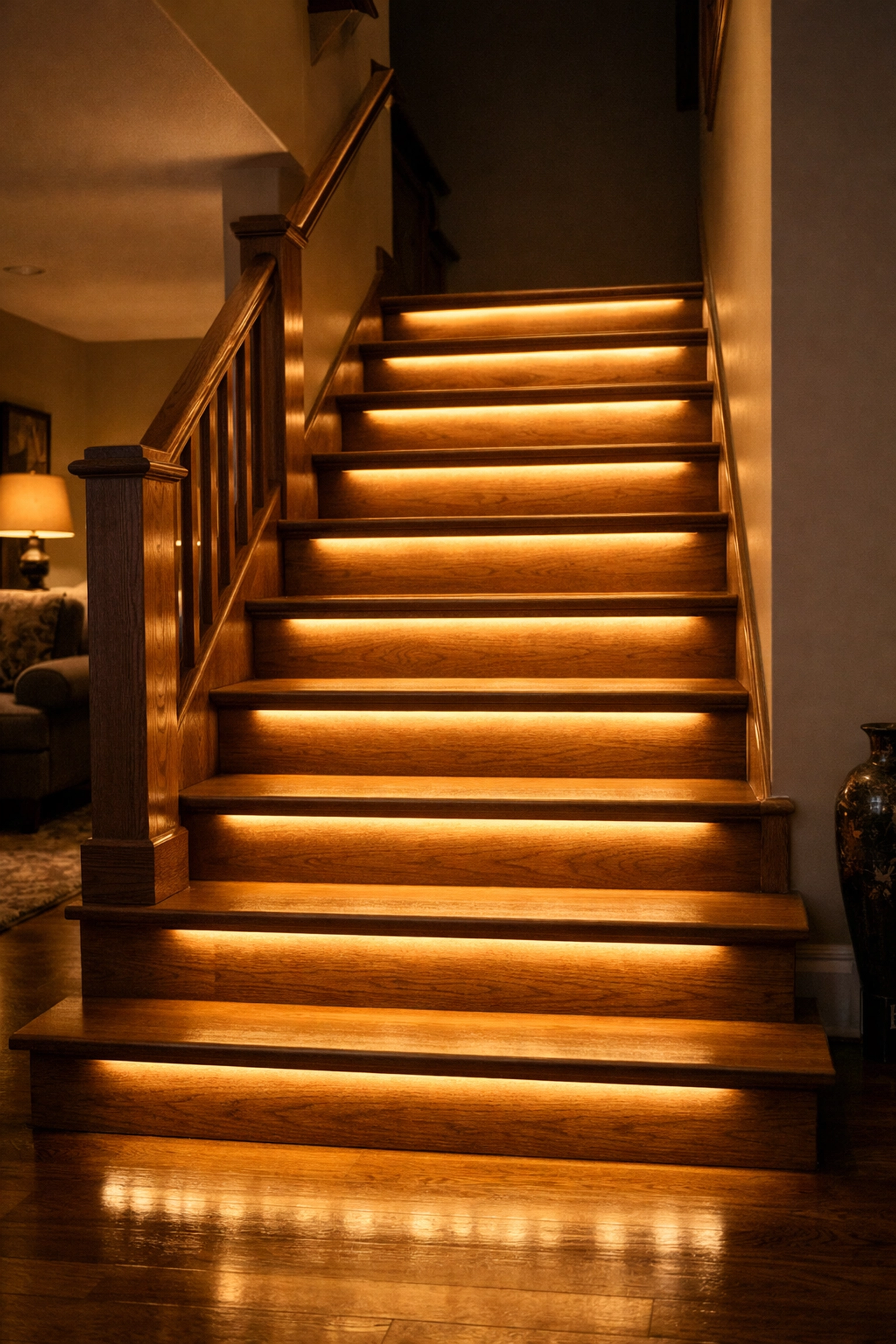
- Motion-Activated LED Strips: Modern LED technology allows for thin, battery-operated light strips that can be placed under the lip of each tread or along the baseboard. These can be set to turn on automatically when they sense movement.
- High-Contrast Edges: If your stairs are dark wood or carpeted in a solid color, the edges of the steps can "blend" together. Applying a strip of white or glow-in-the-dark tape to the edge of each step provides the visual cue needed to navigate safely.
6. The Danger of the "Socks-Only" Approach
We often prioritize comfort at home, which frequently means walking around in socks or loose-fitting slippers. On smooth hardwood or polished stone stairs, socks act like little skis. They provide zero traction, making a slip almost inevitable if your balance wavers even slightly.
How to Fix It:
- Proper Footwear: Wear sturdy, well-fitting shoes with non-slip rubber soles, even inside the house. If you prefer not to wear shoes, look for "grip socks" with rubberized treads on the bottom, though shoes are always the safer choice.
- Add Traction to Treads: If you have bare wood or tile stairs, consider adding transparent anti-slip adhesive strips. They provide the necessary "bite" for your feet without ruining the aesthetic of your flooring.
- Low-Pile Carpeting: If your stairs are carpeted, ensure the carpet is a low-pile, tightly woven variety. Deep, plush carpet can actually hide the edge of the step and cause your foot to slide.
7. Ignoring the Signs of Wear and Tear
Stairs undergo a lot of stress. Over time, wood can warp, nails can work their way loose, and carpet can become unglued. A "squeak" isn't just an annoying noise; it’s often a sign that a tread is no longer securely fastened to the stringer. A loose carpet runner can bunch up, creating a hidden bump that catches your heel.
How to Fix It:
- The Monthly Inspection: Once a month, walk slowly up and down your stairs specifically looking for problems. Look for loose handrails (give them a firm shake), frayed carpet edges, or "give" in the wooden treads.
- Secure the Handrails: Most handrails are held into the wall studs with brackets. If the rail feels wobbly, the screws may have loosened. Tighten them immediately, or move the bracket to a fresh piece of wood if the holes have stripped.
- Professional Assessment: Sometimes, a fresh set of eyes is the best tool. Having a physical therapist or a home safety expert perform a mobility assessment can help identify risks you've become "blind" to because you see them every day.
Building a Culture of Safety
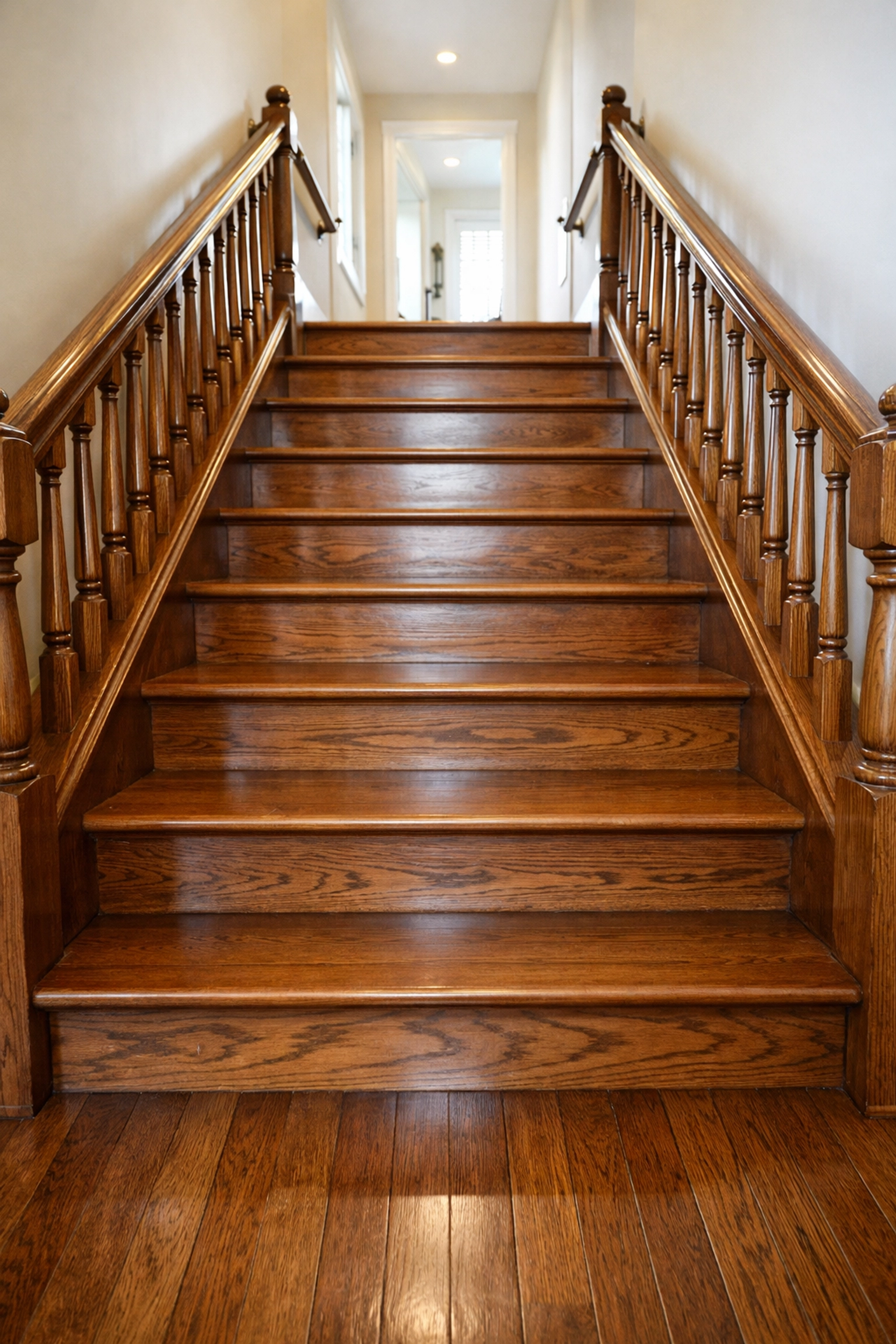
At the end of the day, stair safety is about more than just hardware and carpentry; it’s about a shift in mindset. It’s about admitting that our needs change and that our homes should adapt to support us.
When we talk about fall prevention, it’s easy to get bogged down in the "what ifs." But I like to look at it differently. Every safety measure you take: every light you install, every handrail you tighten: is an investment in your future freedom. It’s about making sure that you can continue to enjoy every level of your home with confidence and peace of mind.
If you’re caring for a loved one, involve them in this process. Don't just "fix" the stairs; explain why the changes are being made. When everyone in the household understands the importance of a clear, well-lit, and sturdy staircase, the home becomes a much safer place for everyone.
Remember, you don't have to fix everything in a single day. Start with the easiest habit to change: stopping the "stair storage": and work your way through the list. Your future self will thank you for the care you take today.

