
Stairs are one of those things we don’t really think about until they become a challenge. For most of our lives, we fly up and down them without a second thought. But as we get older, or as we care for aging loved ones, the staircase changes from a simple architectural feature into a significant focal point for home safety.
The statistics are clear: the majority of falls in the home happen on the stairs. However, a fall isn't usually the result of a single "oops" moment. It’s often the culmination of small, overlooked mistakes in how the stairs are designed, maintained, or used.
At Fall Guys Products, we spend a lot of time thinking about how to make homes safer and more accessible. I’ve seen hundreds of staircases, and most of them share the same few hidden risks. The good news? Most of these are easy to fix. Here are the seven most common mistakes people make with stair safety and, more importantly, how you can fix them today.
1. Underestimating the Power of Lighting
Most people have a light at the top of the stairs and a light at the bottom. You flip the switch, and you think you’re good to go. But standard overhead lighting often creates a subtle but dangerous problem: shadows.
When a light source is positioned directly above you, your body or the stair nosing (the edge of the step) can cast shadows over the tread below. This hides the exact location of the edge of the step. For someone with changing vision or depth perception, that shadow can make it look like the step is further away or closer than it actually is.
How to fix it:
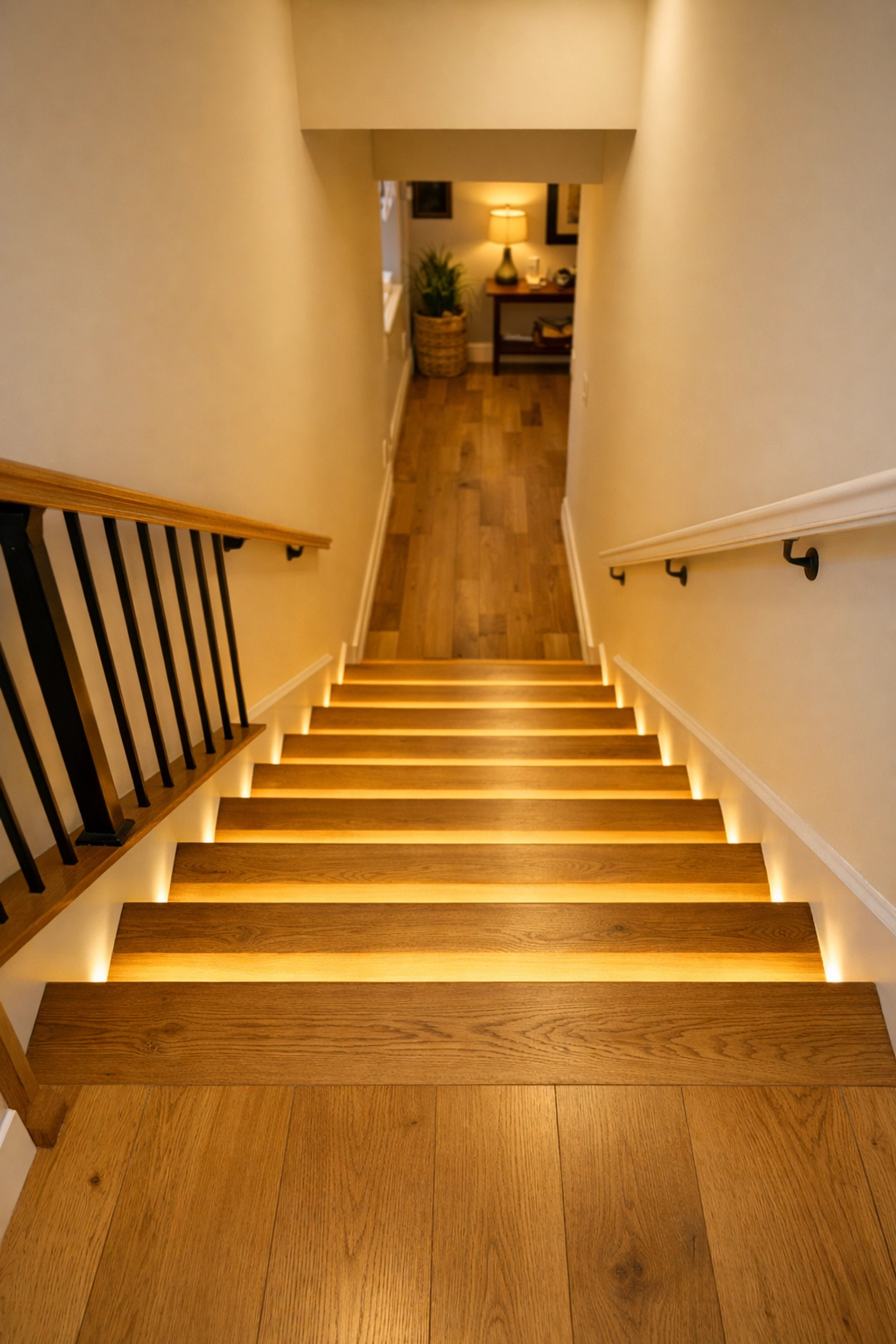
First, ensure you are using high-lumen bulbs that offer "daylight" or "cool white" tones rather than warm, dim yellow light. You want high contrast. Second, consider installing motion-activated LED strip lighting under the lip of each tread or along the baseboards. This illuminates the actual walking surface rather than just the air above it. Finally, make sure there are switches at both the top and the bottom of the flight. No one should ever have to navigate a single step in the dark to reach a light switch.
2. Choosing "Pretty" Over "Grippy"
We all love the look of polished hardwood or elegant tile. They are staple features in many beautiful homes. However, from a safety perspective, a polished wooden staircase is essentially a slide waiting to happen. This is especially true if you are walking in socks or smooth-soled slippers.
Even carpet can be a mistake if it’s the wrong kind. Deep, plush pile carpeting might feel great underfoot, but it can actually "round off" the edge of the stairs, making the target for your foot smaller and less stable.
How to fix it:
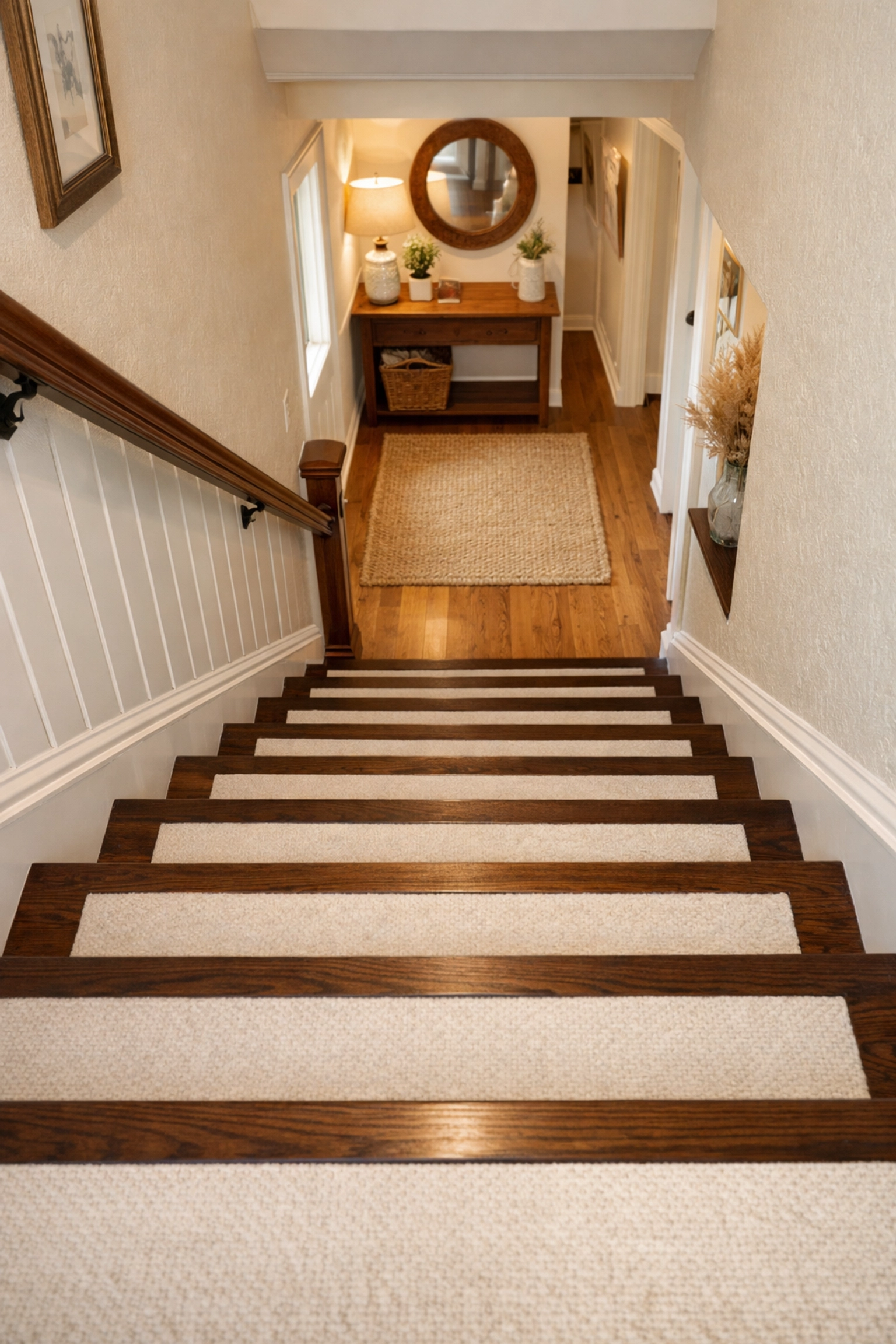
If you have wooden or tile stairs, you don't necessarily have to cover them in industrial-grade rubber, but you do need friction. Clear anti-slip adhesive strips are a great middle ground: they provide grip without hiding the wood grain. If you prefer carpet, choose a low-pile, tightly woven commercial grade. This ensures the edge of the step remains sharp and defined, providing a stable platform for your heel and mid-foot.
3. The "One-Sided" Handrail Habit
Most building codes require at least one handrail. Because of this, many homes have a beautiful railing on one side and a blank wall on the other. This is a mistake for two reasons.
First, many people have a "strong side" and a "weak side" due to previous injuries, arthritis, or stroke. If the railing is only on their weak side, they aren't getting the support they need. Second, having two handrails allows you to use both arms to stabilize your core, significantly reducing the demand on your knees and hips.
How to fix it:
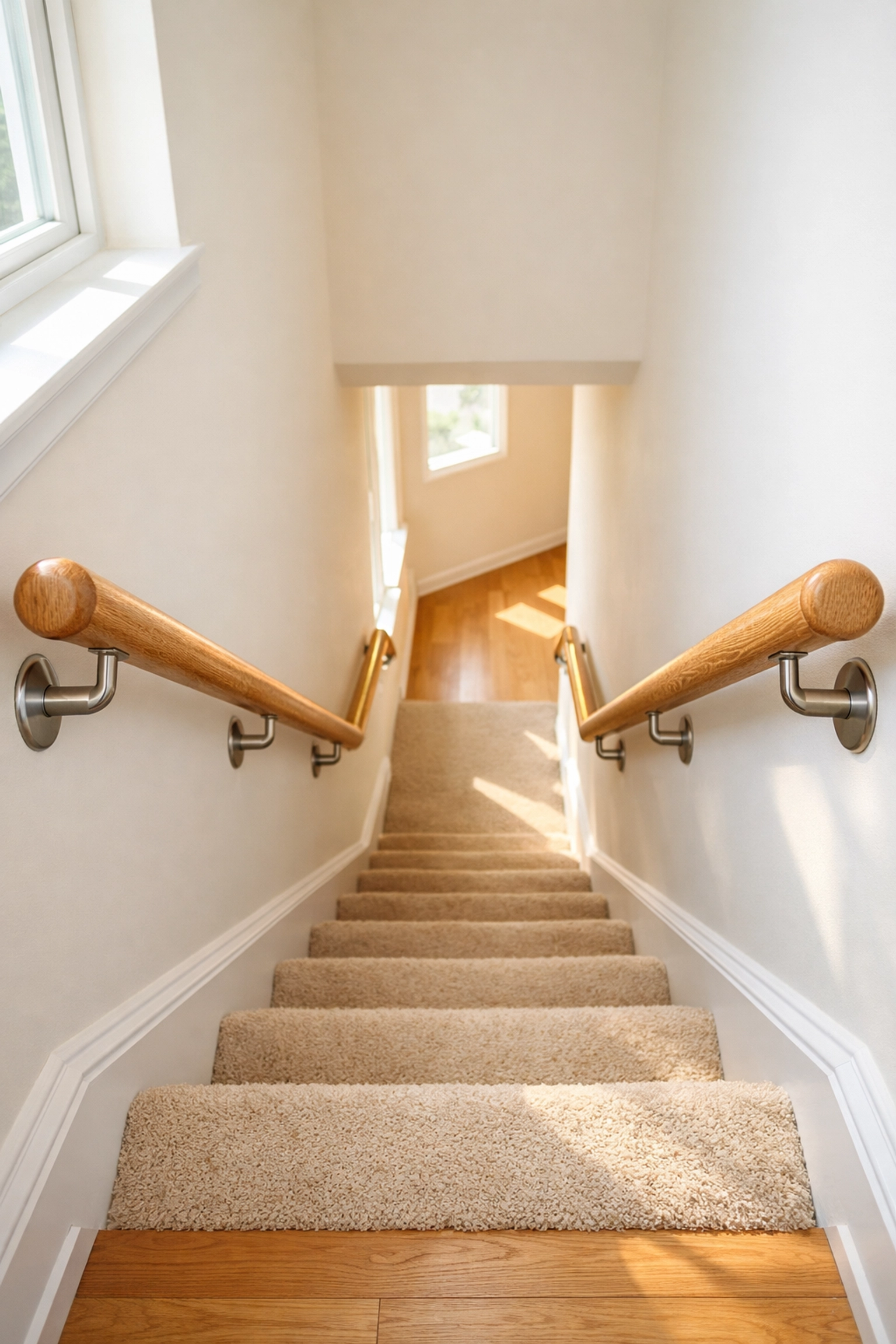
Install a second handrail. It doesn’t have to be a major construction project. A simple, wall-mounted wooden or metal rail can be anchored into the studs on the "blank" wall. Ensure the rail is "globular": meaning it’s round and easy to wrap your hand entirely around. Decorative, wide, flat railings look nice, but they are hard to grip firmly if you actually start to lose your balance.
4. Neglecting the "Bottom-of-Flight Illusion"
There is a very specific phenomenon in home safety called the bottom-of-flight illusion. This happens when the floor at the bottom of the stairs has the same color or pattern as the stair treads themselves. As you descend, the last step can visually "blend" into the floor.
Many falls happen because a person thinks they’ve reached the floor when they actually have one more step to go. They "overstep," landing hard on their heel on the flat floor, which can cause a jar to the spine or a loss of balance.
How to fix it:
Create visual contrast. You can do this by using a different colored rug at the bottom of the stairs or by applying a strip of high-contrast tape to the edge of the very last step. You want the brain to receive a clear signal that says, "This is the last transition." If your stairs are dark wood, a white or yellow strip on the edge of the last tread can be a literal lifesaver.
5. Using the Stairs as a Temporary "Staging Area"
We’ve all done it. You have a pile of mail, a pair of shoes, or a basket of laundry that needs to go upstairs, so you set it on the bottom two steps to "take up next time."
This is one of the most dangerous habits you can have. Even if you think you’ll remember it’s there, your brain often goes into "autopilot" when using the stairs. A small object like a shoe or a loose envelope can cause a slip or trip that is nearly impossible to recover from mid-flight.
How to fix it:
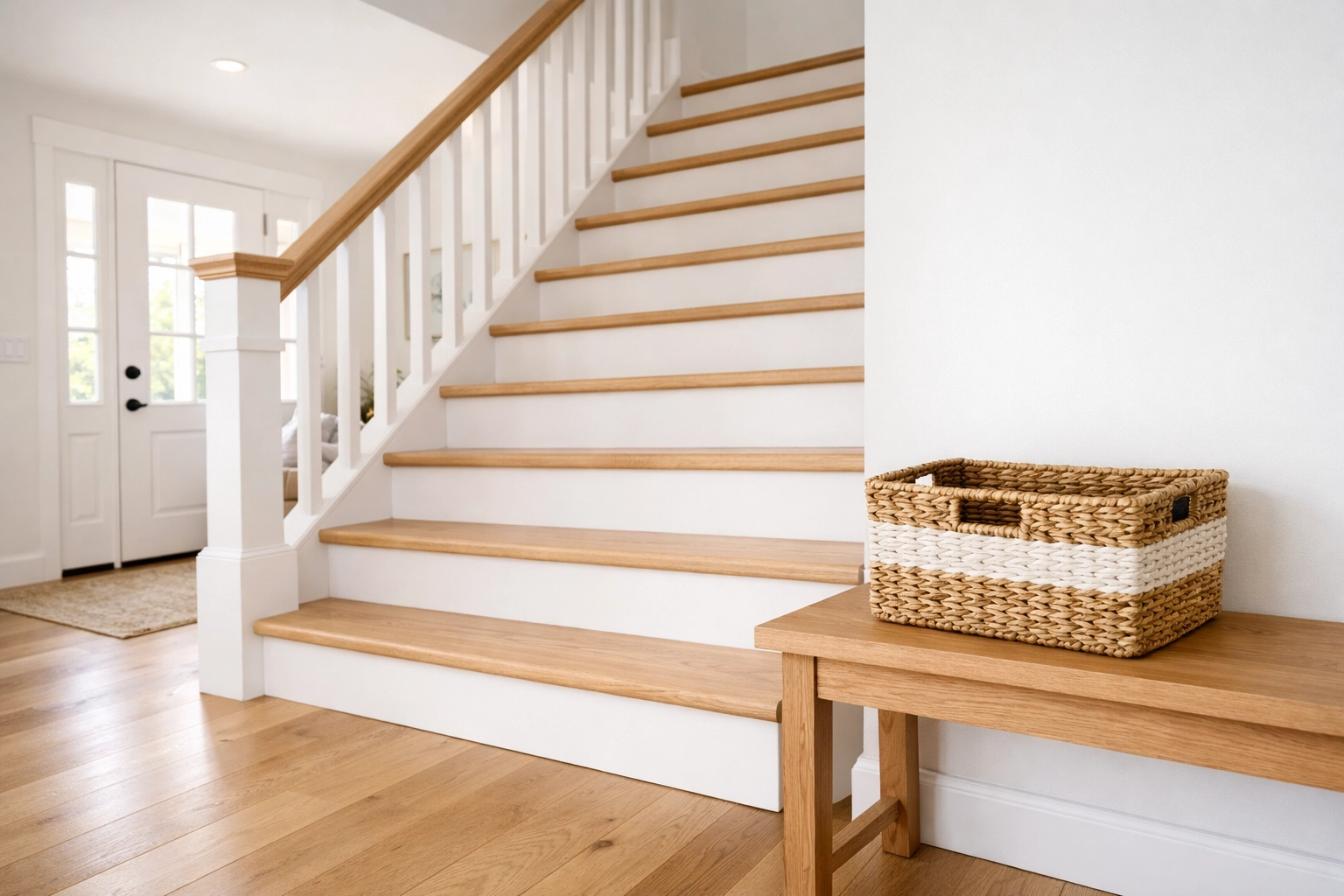
Adopt a "Zero Tolerance" policy for stair clutter. If something needs to go up, it either goes up immediately or stays on a table nearby. If you find it hard to carry items while holding the railing, consider installing a small "stair basket" with handles that you only move when you have a free hand and are feeling steady, or better yet, ask someone else to carry it for you.
6. Ignoring the "Nosing" and Tread Consistency
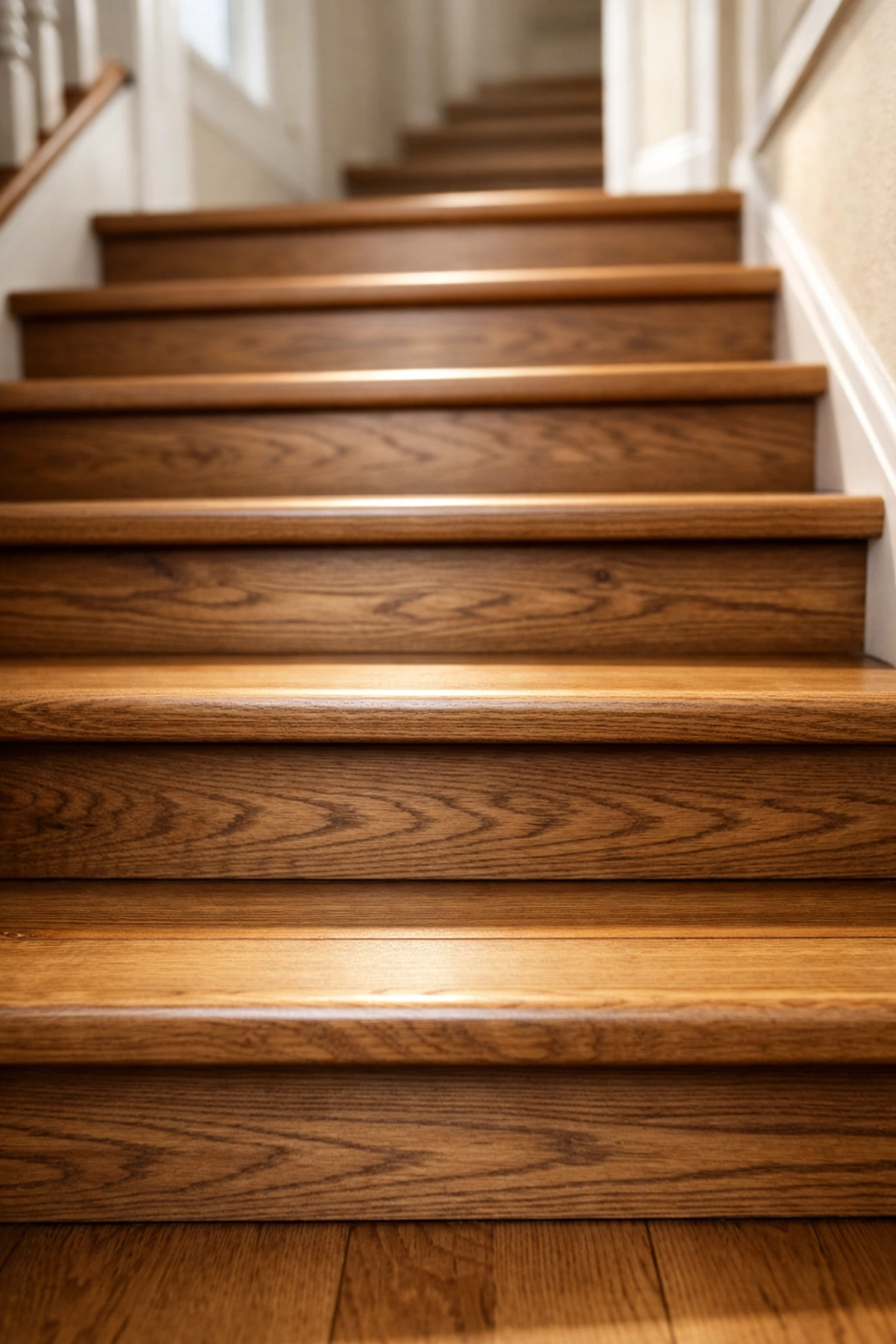
In older homes especially, stairs can settle. Sometimes one step is a quarter-inch taller than the others, or the "nosing" (the part that hangs over) has become loose or rounded off.
The human brain is incredible at mapping patterns. Within two steps, your brain has already calculated exactly how high it needs to lift your foot for the rest of the flight. If the fourth step is even slightly different in height from the third, you are likely to catch your toe on the edge.
How to fix it:
Do a "stair audit." Take a ruler and measure the height (rise) and depth (run) of every single step. If you find inconsistencies, it may be time to have a carpenter level them out. Also, check for loose floorboards or creaks. A loose board isn't just a noise; it’s a shifting platform that can cause a stumble. Secure any loose treads with wood screws (not nails, which can pull out over time).
7. The "Bifocal" Blunder
This mistake isn't about the stairs themselves, but how we look at them. Many people who wear bifocals or trifocals experience a "blur zone" when they look down through the bottom of their lenses. When you are standing at the top of a staircase and look down to see where to put your foot, the bottom part of your glasses (the reading portion) makes the stairs look blurry or distorted.
This distortion messes with your depth perception, making it difficult to judge exactly where the edge of the tread is.
How to fix it:
If you have a history of falls or feel dizzy on the stairs, talk to your optometrist about "single-vision" glasses specifically for walking and distance. Many seniors find that having a pair of glasses just for moving around the house: without the reading segment: makes navigating stairs feel much more secure. At the very least, practice the habit of tucking your chin down so you are looking through the top (distance) part of your lenses when navigating the stairs.
Building a Culture of Stair Safety
Making these changes isn't about admitting "weakness": it's about smart home management. We winterize our cars and we check the batteries in our smoke detectors. Auditing our stairs is just another part of responsible homeownership.
When you fix these seven mistakes, you aren't just preventing a fall; you’re preserving your independence. A staircase shouldn’t be a source of anxiety. With the right lighting, solid handrails, and a bit of environmental awareness, you can keep your home safe and accessible for years to come.
Take a look at your stairs today. Which of these seven things could you improve? Start with the lighting: it’s the easiest fix: and work your way down the list. Your future self will thank you for the extra bit of stability and peace of mind.

