
Stairs are often the most daunting part of a home for anyone concerned about mobility. Whether you are aging in place, recovering from a procedure, or helping a loved one stay safe, the staircase is usually the primary focus of a home safety assessment. And for good reason: stair-related falls are significantly more likely to cause serious injury compared to falls on level ground.
The reality is that most staircases in residential homes aren't designed with maximum safety in mind. They are designed for aesthetics or to meet the bare minimum of building codes from decades ago. Over time, we also develop habits that make these transit points even riskier.
At Fall Guys Products, we believe that education is the first step toward a safer home. By identifying common mistakes and applying practical, simple fixes, you can transform a high-risk area into a secure path. Here are seven of the most common mistakes people make with stair safety and, more importantly, how you can fix them.
1. Relying on "Mood Lighting" or Dim Hallways
One of the most frequent mistakes we see is inadequate lighting. Many homes have a single light fixture at the top of the stairs that casts a long shadow over the bottom steps. In other cases, the light is so dim that the edges of the steps: known as the "nosing": become a blur.
When you can't clearly see where one step ends and the next begins, your brain has to guess. This leads to "over-stepping" or "under-stepping," both of which can cause a loss of balance.
The Fix: Brighter Bulbs and Better Placement
You don't necessarily need an electrician to fix this. First, check your bulbs. Switching to high-lumen LED bulbs can instantly brighten the area. Aim for "daylight" or "cool white" tones rather than "warm" yellow tones, as they provide better contrast.
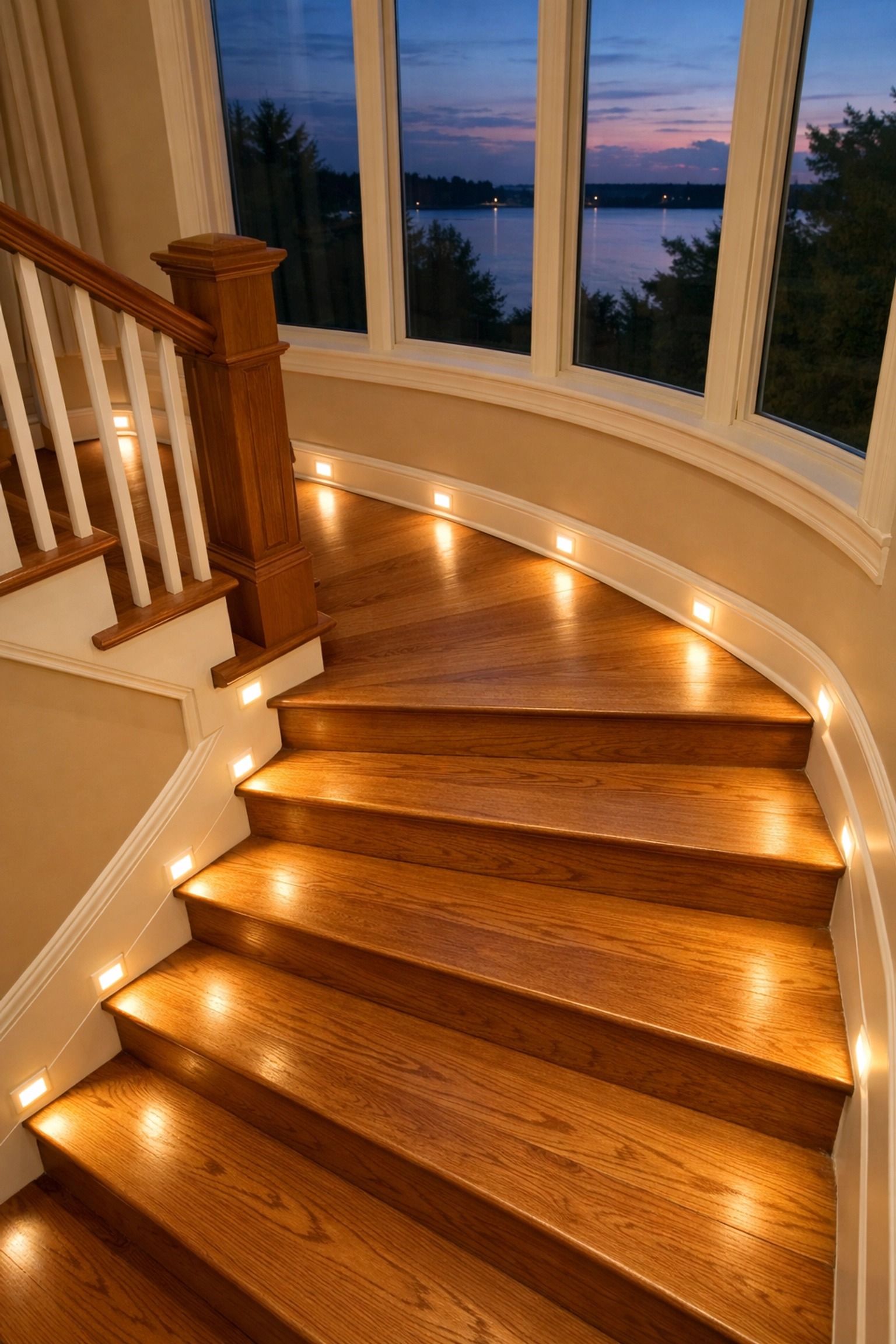
Consider adding motion-activated LED strips or "puck" lights along the baseboards of the staircase. These light up the actual walking surface as you approach, ensuring every tread is visible. Most importantly, ensure there is a light switch at both the top and the bottom of the stairs so you never have to navigate the steps in the dark to reach a switch.
2. Prioritizing Aesthetics Over Handrail Functionality
In many homes, handrails are treated like furniture. They might be beautifully carved, oversized, or made of a slippery, high-gloss wood. While they look great in a foyer, they often fail the most important safety test: the "Power Grip."
A common mistake is having a handrail that is too wide or too ornate to wrap your hand completely around. If you begin to slip, a "pinch grip" (just using your fingers) is rarely strong enough to stop a fall. You need a rail that allows your fingers to meet your thumb.
The Fix: Install Code-Compliant, "Graspable" Rails
A safe handrail should be rounded and have a diameter between 1.25 and 2 inches. This size allows for a secure, wrap-around grip. If your current rail is too bulky, you don't necessarily have to tear it out. You can often install a secondary, slimmer "handrail" slightly below the decorative one.
Additionally, many homes only have a rail on one side. For maximum safety, especially for those with weakness on one side of the body, handrails should be installed on both sides of the staircase. This allows for a "two-point contact" system where you can stabilize yourself from both directions.
3. Using the Stairs as a "Temporary" Storage Unit
We’ve all done it: we place a stack of books, a pair of shoes, or a basket of laundry on the bottom steps, intending to take them up on the next trip. This is perhaps the most dangerous habit a household can have.
Stairs are narrow by design. Any object placed on a tread reduces the amount of space your foot has to land safely. Even a small item can cause a trip, and in a split second, a minor stumble becomes a major fall because there is nowhere to "recover" your footing on a vertical incline.
The Fix: The "Clear Path" Policy
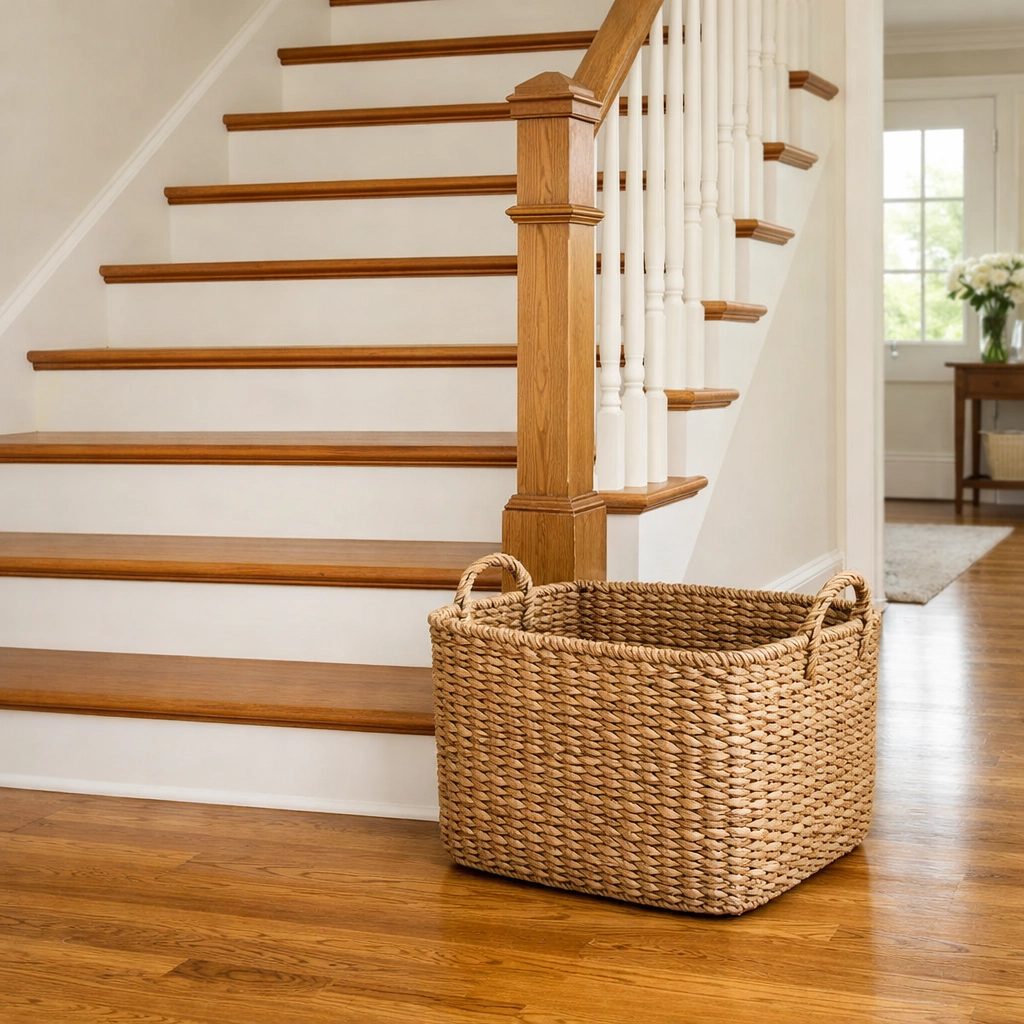
Adopt a strict "nothing on the stairs" rule. If items need to go up or down, place them in a dedicated "stair basket" located at least three feet away from the first step.
If you find it difficult to carry items while using the stairs, do not try to "juggle" them. Carrying a heavy laundry basket blocks your view of your feet and prevents you from using the handrail. Instead, consider using a small backpack to transport items up and down, keeping both of your hands free to grip the rails.
4. Rushing and "Multitasking" on the Descent
The majority of stair falls occur while going down the stairs rather than up. This is often due to gravity and the fact that we tend to rush when descending. Whether it’s answering a ringing phone or rushing to get the door, speed is the enemy of stability.
When you rush, your center of gravity moves forward, making it harder for your core muscles to stabilize you if you catch a toe or miss a step.
The Fix: Mindfulness and the "One Step at a Time" Rule
Treat the stairs like a focused activity, not a transition. Pause at the top of the stairs before you begin your descent. Ensure your feet are firmly planted and your hand is on the rail.
If you have balance issues or joint pain, use the "step-to" pattern. This means placing both feet on a single step before moving to the next one, rather than alternating feet (the "step-over-step" pattern). It may take longer, but it significantly reduces the amount of time you spend balancing on just one leg.
5. Wearing Improper Footwear (or Just Socks)
Walking on wooden or tiled stairs in just socks is one of the leading causes of slips in the home. Socks provide almost zero traction on smooth surfaces, essentially turning your staircase into a slide. On the other hand, loose-fitting slippers or high heels can also be treacherous, as they can catch on the edge of a step or slide off the foot.
The Fix: Non-Slip Footwear Only
Always wear shoes with rubber soles and good "grip" when using the stairs. If you prefer to be shoeless indoors, invest in high-quality "grip socks" that have rubberized patterns on the bottom, or better yet, a pair of supportive indoor-only sneakers.
Check the tread on your shoes regularly. Just like car tires, the soles of your shoes can wear down over time, losing the friction needed to keep you steady on smooth stair treads.
6. Neglecting Routine Stair Maintenance
Staircases are under constant stress. Over time, wood can warp, nails can loosen, and carpet can become un-tacked. A common mistake is ignoring that "squeak" or a slight "give" in a tread.
A loose tread is a moving target. If the surface shifts even half an inch under your weight, it can throw off your balance. Similarly, worn-out carpet can become slippery or develop "bunches" that act as trip hazards.
The Fix: The Monthly Stair Check
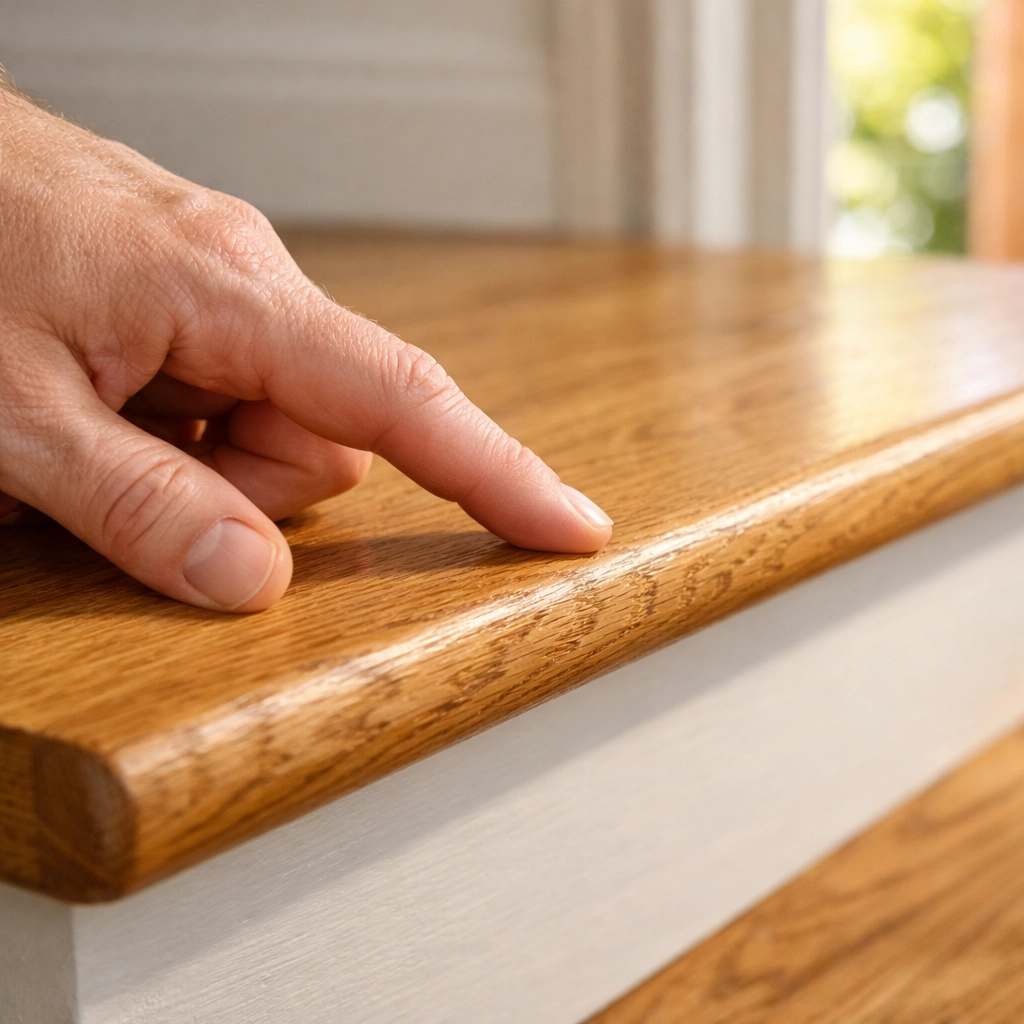
Once a month, do a quick "maintenance walk." Step firmly on the center and the edges of every tread. Listen for creaks and feel for any wobbling.
- Loose Treads: Secure them with wood screws (not nails, which can pull out again) driven into the stringers.
- Carpet: If you have carpeted stairs, ensure the carpet is pulled tight and securely fastened at every corner. If the carpet is "balding" or smooth, it may be time to replace it with a more textured, slip-resistant material.
- Outdoor Stairs: Check for moss, ice, or loose gravel, which can act like ball bearings under your feet.
7. Ignoring the "Bottom-of-Flight Illusion"
In many architectural designs, the flooring of the hallway matches the material of the stairs perfectly. While this looks seamless, it creates a dangerous optical illusion. As you descend, the last step can blend into the floor, making it look like you’ve reached the bottom when you actually have one more step to go.
Thinking you are on flat ground when you are actually stepping down several inches is a recipe for a jarring fall or a twisted ankle.
The Fix: Create Visual Contrast
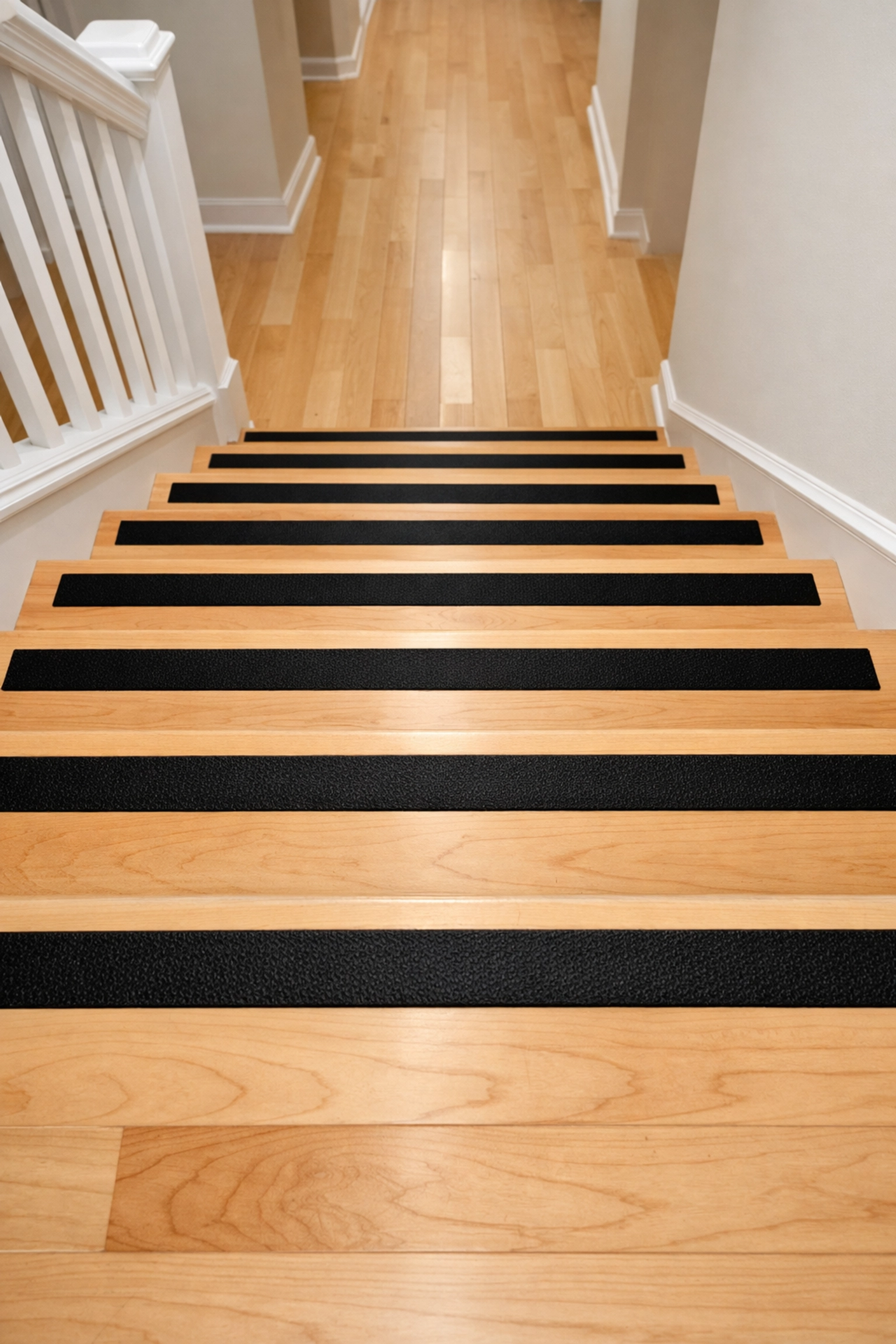
The best way to fix this is through "visual cueing." You want the edge of each step: especially the first and last ones: to stand out.
You can apply a strip of high-contrast anti-slip tape to the edge of each step. For example, if you have dark wood stairs, a light-colored or reflective strip at the edge will clearly define where the step ends. This helps your depth perception and ensures you know exactly where the floor begins.
A Note on Professional Assessments
While many of these fixes are DIY-friendly, stair safety is a complex field. Sometimes the issue isn't just the stairs themselves, but how a person’s specific mobility challenges interact with those stairs.
If you or a loved one are experiencing frequent "near misses" or feel a sense of anxiety when approaching the staircase, it may be time for a professional mobility assessment. A physical therapist or a certified aging-in-place specialist can provide tailored recommendations, such as the best height for handrails based on your stature or exercises to improve the "stair-climbing" muscles in your legs.
Building a Safer Environment
Stair safety isn't about one single "magic" product; it’s about a combination of environment, habit, and maintenance. By brightening the lights, clearing the clutter, and ensuring your handrails are actually functional, you significantly lower the risk of an accident.
Your home should be a place of comfort and security. Taking the time to address these seven common mistakes is a proactive, empowering way to ensure that you: and everyone who visits your home: can move between floors with confidence. Remember, the goal is not just to prevent falls, but to maintain the independence that comes with being able to navigate every inch of your home safely.

