
Stairs are often the most daunting part of a home for seniors and their families. While they represent the freedom to move between floors and access the full extent of a house, they also present a significant risk if they aren't managed correctly. Most people assume that stair safety is just about moving slowly, but the reality is much more complex. Often, it’s the small, overlooked habits or environmental factors that lead to a slip or a fall.
At Fall Guys Products, we believe that understanding the "why" behind fall risks is the first step toward reclaiming confidence in your home. Let’s take a deep dive into the seven most common mistakes people make with stair safety and, more importantly, how you can fix them today.
1. Underestimating the Power of Light
It sounds simple, but poor lighting is one of the primary culprits behind stair-related accidents. As we age, our eyes require significantly more light to see clearly: sometimes three to four times more than they did in our younger years. When a stairwell is dim, the edges of the steps blur together, making it nearly impossible to judge depth correctly.
The Mistake: Relying on a single, low-wattage bulb at the top of the landing or, worse, navigating the stairs in the dark because "you know where the steps are." Shadows cast by poor lighting can also create illusions of depth where none exists.
The Fix: You want to aim for uniform, bright light from the top to the bottom. Replace old bulbs with high-lumen LED versions that offer a "daylight" or "cool white" tone, which provides better contrast than warm, yellow light.
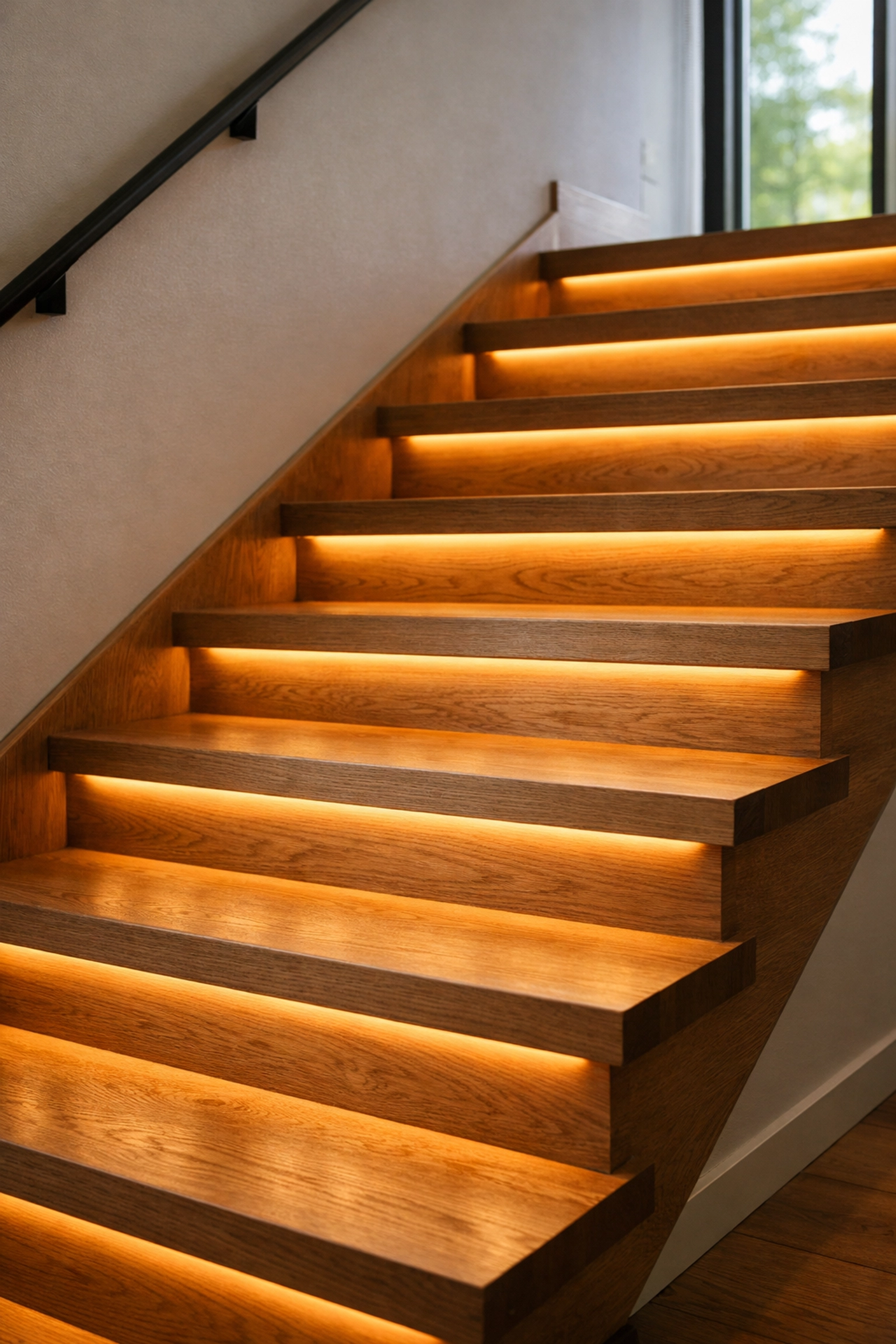
Consider installing motion-sensor lighting. These are excellent because they require no manual switching; as soon as you approach the stairs, the path is illuminated. For an added layer of safety, battery-operated LED strip lights can be placed under the lip of each tread to define exactly where the step ends.
2. Using Handrails as Decoration, Not Support
Many homes feature handrails that were chosen for their architectural beauty rather than their functionality. A handrail that is too thick to wrap your hand around or one that is too ornate to provide a steady grip isn't doing its job.
The Mistake: Using a "pinch grip" (just using your fingers) on a wide, flat wooden rail or relying on a rail that is loose or stops before the final step. If the rail doesn't run the full length of the staircase, you are most vulnerable at the very moment you are transitioning to a flat surface.
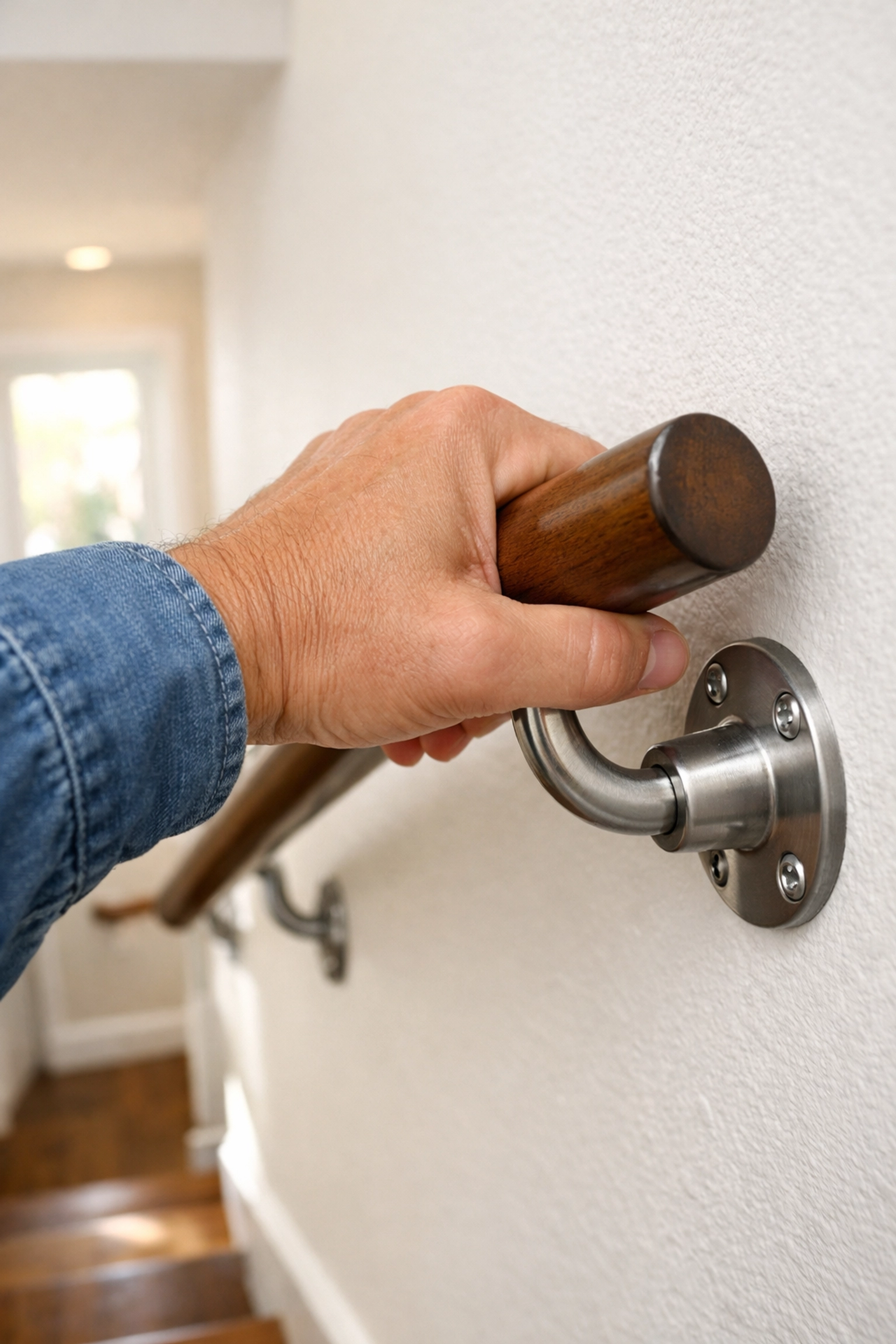
The Fix: A safe handrail should allow for a "power grip," where your thumb and fingers can completely encircle the rail. Ideally, handrails should be installed on both sides of the stairs. This provides balanced support and is particularly helpful for individuals who may have weakness on one side of their body due to a past injury or stroke.
Ensure the rail extends at least 12 inches beyond the top and bottom steps. This gives you a "lead-in" and "lead-out" area, allowing you to establish your balance before you start climbing or descending.
3. Prioritizing Aesthetics Over Traction
Polished hardwood and high-gloss tile are beautiful, but on a staircase, they can be as slippery as ice. This risk is magnified if you are wearing socks, slippers with smooth soles, or even some types of athletic shoes.
The Mistake: Leaving stairs "naked" to show off the wood grain. While visually appealing, the friction coefficient on these surfaces is incredibly low. Even a tiny bit of moisture or a stray piece of paper can cause a foot to slide out from under you.
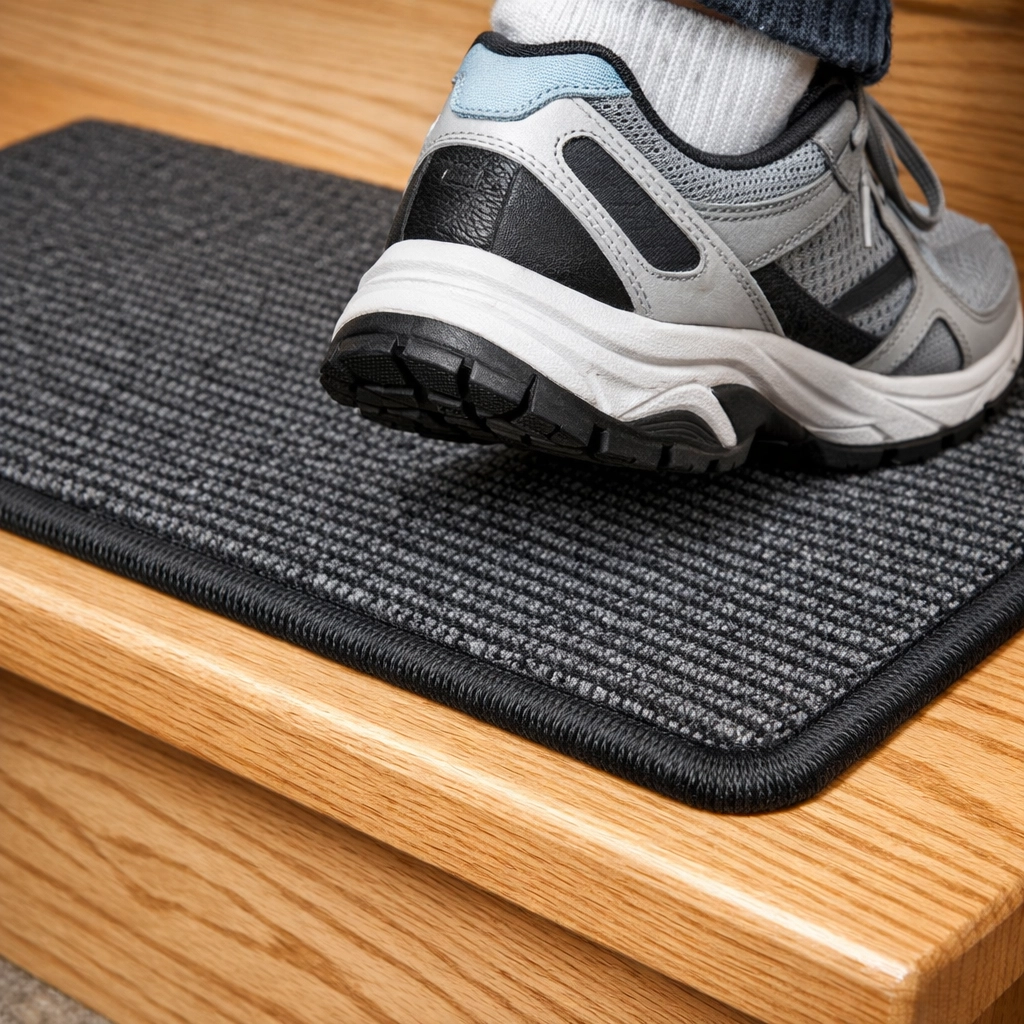
The Fix: You don't have to cover your entire staircase in thick carpet, which can sometimes be a trip hazard itself if it becomes loose. Instead, look into high-traction solutions. Non-slip transparent adhesive strips offer a compromise between safety and aesthetics, providing grip without hiding the wood.
Alternatively, low-profile carpet treads can be secured to each step. If you prefer a more permanent solution, there are anti-slip coatings and paints that contain a fine grit to increase friction. Regardless of the method, the goal is to ensure your foot stays exactly where you place it.
4. Using the Stairs as a Temporary Storage Unit
We’ve all done it: we have a pile of mail, a pair of shoes, or a basket of laundry that needs to go upstairs, so we set it on the bottom two steps to "take up on the next trip." This creates a psychological and physical hazard.
The Mistake: Treating the stairs as a staging area for clutter. Even if you think you’ll remember the item is there, it’s easy to get distracted. Clutter forces you to change your gait, perhaps stepping wider or shorter than usual, which throws off your center of gravity.
The Fix: Adopt a "clear stairs" policy. Nothing should ever be placed on the steps, even for a moment. If you find yourself needing to transport items between floors, consider using a dedicated "stair basket" that sits at the landing (not on the steps) or, better yet, ask a family member or caregiver to assist with moving heavier items. Keeping the path completely clear ensures that your only focus is on your movement.
5. The "Rushing" Habit
In our fast-paced world, we often feel the need to hurry. Maybe the phone is ringing in the other room, or there’s a knock at the front door. This internal pressure to move quickly is a major risk factor for falls.
The Mistake: Moving at a pace that exceeds your reaction time. When we rush, we tend to take shallower breaths and look further ahead rather than focusing on the step we are currently on. This leads to "overstepping" or "missing" a tread entirely.
The Fix: Practice the "Three-Point Contact" rule. This means that at any given time, you should have either two feet and one hand, or two hands and one foot, in firm contact with the stairs and rails.
Take a breath before you start your ascent or descent. Tell yourself that the phone call or the door can wait. It is much better to miss a call than to risk a fall. If you feel tired or winded, stop on a landing (if available) and rest until your breathing is steady.
6. Ignoring the "Small" Structural Noises
A creak here or a slight wobble there might seem like "house character," but in reality, these are early warning signs of structural fatigue.
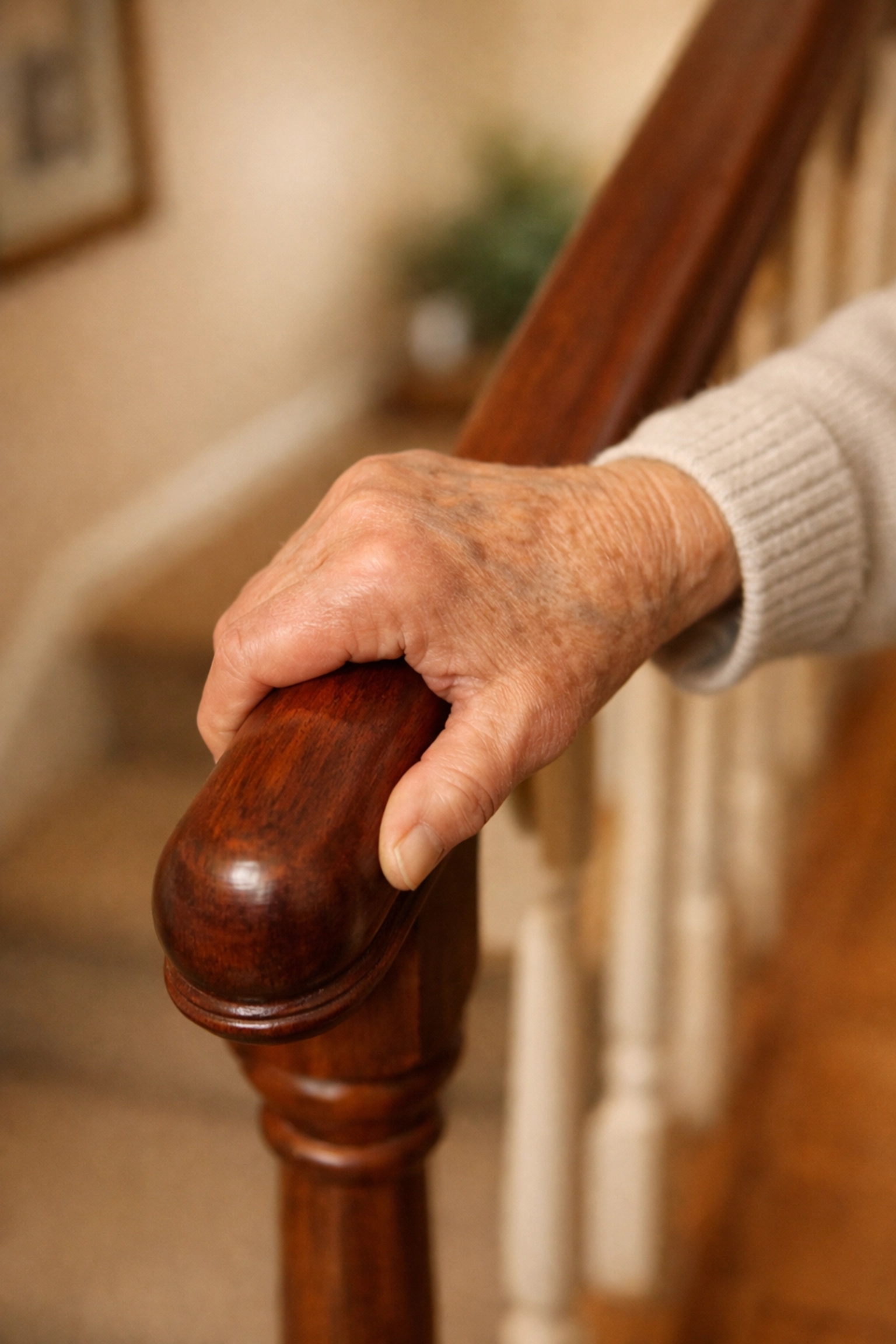
The Mistake: Ignoring loose treads or a handrail that has a slight "give" when you lean on it. Over time, the screws and nails holding your staircase together can loosen due to changes in humidity and the repeated stress of weight.
The Fix: Conduct a monthly "stair audit." Walk the stairs and specifically look for any movement in the treads. Check the "nosing" (the edge of the step) to ensure it isn't cracked or splintering. Most importantly, grab your handrail and give it a firm shake. It should feel like it is part of the wall itself. If there is any movement, it needs to be tightened or reinforced immediately. Secure treads with specialized floor screws to eliminate "bounce" and squeaks.
7. The Bottom-of-Flight Illusion
One of the most common places for a fall to occur is actually at the very bottom of the staircase. This is often due to a phenomenon where the last step blends into the floor of the landing, making it look like the stairs have ended when there is actually one more step to go.
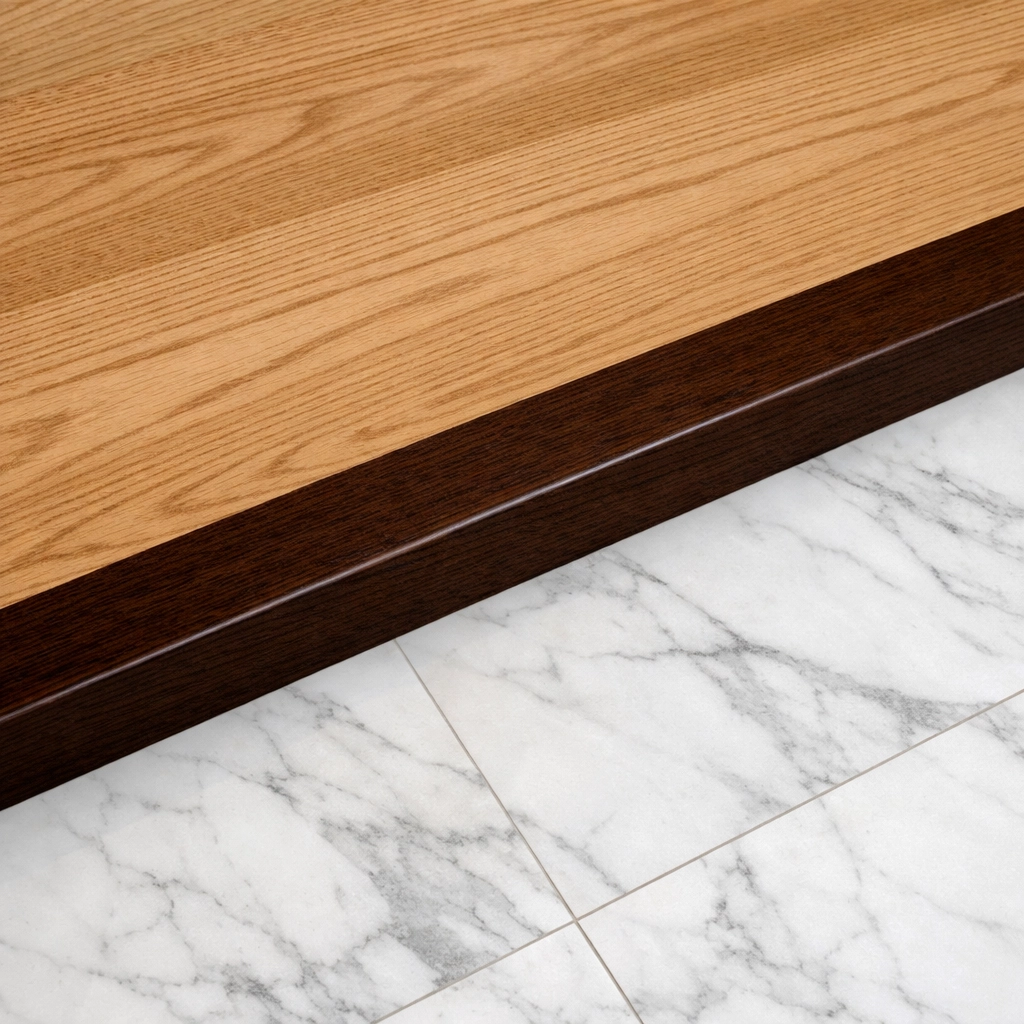
The Mistake: Misjudging the distance to the floor. If the flooring on your stairs matches the flooring in your hallway, the edges become invisible in your peripheral vision. This results in the "step into thin air" feeling, which often leads to a jolting impact on the knees or a complete loss of balance.
The Fix: Create visual contrast. You want the edge of the final step to "pop" so your brain can easily identify it. You can do this by using a different colored tread on the bottom step or by applying a strip of high-contrast tape (like a bright yellow or a stark white) across the edge of the last tread. This simple visual cue tells your nervous system exactly when it’s time to transition to flat ground.
Beyond the Physical: The Role of Vision and Footwear
While fixing the environment is crucial, stair safety is also about how we interact with that environment. Two often-overlooked factors are your vision and what you are wearing on your feet.
The Bifocal Challenge
If you wear bifocals or progressive lenses, stairs can be tricky. These lenses are designed so the bottom portion is for reading (close-up vision). When you look down at your feet to see the stairs, you are looking through the reading portion of the lens, which can make the steps appear blurry or distorted.
If this is a challenge for you, talk to your optometrist. Many seniors find it helpful to have a dedicated pair of "single vision" glasses for walking around the house and navigating stairs. This ensures that the ground remains in sharp focus.
The Footwear Factor
Footwear is your primary interface with the stairs. Walking in socks is one of the most dangerous things you can do on uncarpeted stairs. Conversely, heavy boots or loose-fitting slippers can catch on the nosing of the step.
The safest option is a sturdy, well-fitting shoe with a thin, non-slip sole. A thin sole allows you to "feel" the edge of the step better than a thick, cushioned sole would. If you prefer not to wear shoes in the house, look for specialized "grip socks" that have rubberized patterns on the bottom, though a firm shoe is always the gold standard for stability.
Creating a Safer Daily Routine
Correcting these seven mistakes will significantly lower the risk of a fall, but safety is also a mindset.
- Plan your trips: Try to minimize how many times a day you need to use the stairs. If you can move your daily essentials to the ground floor, it reduces the frequency of exposure to the risk.
- Keep your hands free: If you need to carry something, try to keep one hand firmly on the rail. Use a small backpack or a cross-body bag to carry items so your hands remain available for support.
- Strength and Balance: Stair climbing itself is a great workout, but it requires leg strength and balance. Simple exercises like heel-to-toe walks or standing on one leg (while holding onto a counter) can help keep your muscles primed for the stairs.
Stair safety doesn't have to be an overwhelming project. By addressing these common mistakes: lighting, handrails, traction, clutter, speed, maintenance, and visual contrast: you can transform a high-risk area into a manageable part of your home.
Your home should be a place where you feel secure and empowered. Taking the time to evaluate your stairs through these lenses isn't just about preventing accidents; it's about preserving your independence and peace of mind for years to come.

