
When we think about our homes, we think about comfort, memories, and safety. For many seniors, the goal is "aging in place": staying in the familiar environment they love for as long as possible. It is a wonderful goal, and one that is entirely achievable with the right approach.
However, as our physical needs change, the environments that once felt perfectly safe can start to present hidden challenges. Often, these aren't massive structural issues, but small, everyday things that go unnoticed until a close call occurs. As a caregiver or a senior living independently, it is easy to overlook these details because we see them every single day.
The good news is that home safety isn't about a total renovation or losing independence. It’s about making smart, strategic adjustments that actually empower you to move more freely. Here are seven common mistakes people make with senior home safety and the practical, reassuring ways to fix them.
1. Underestimating the Danger of "Decorative" Rugs
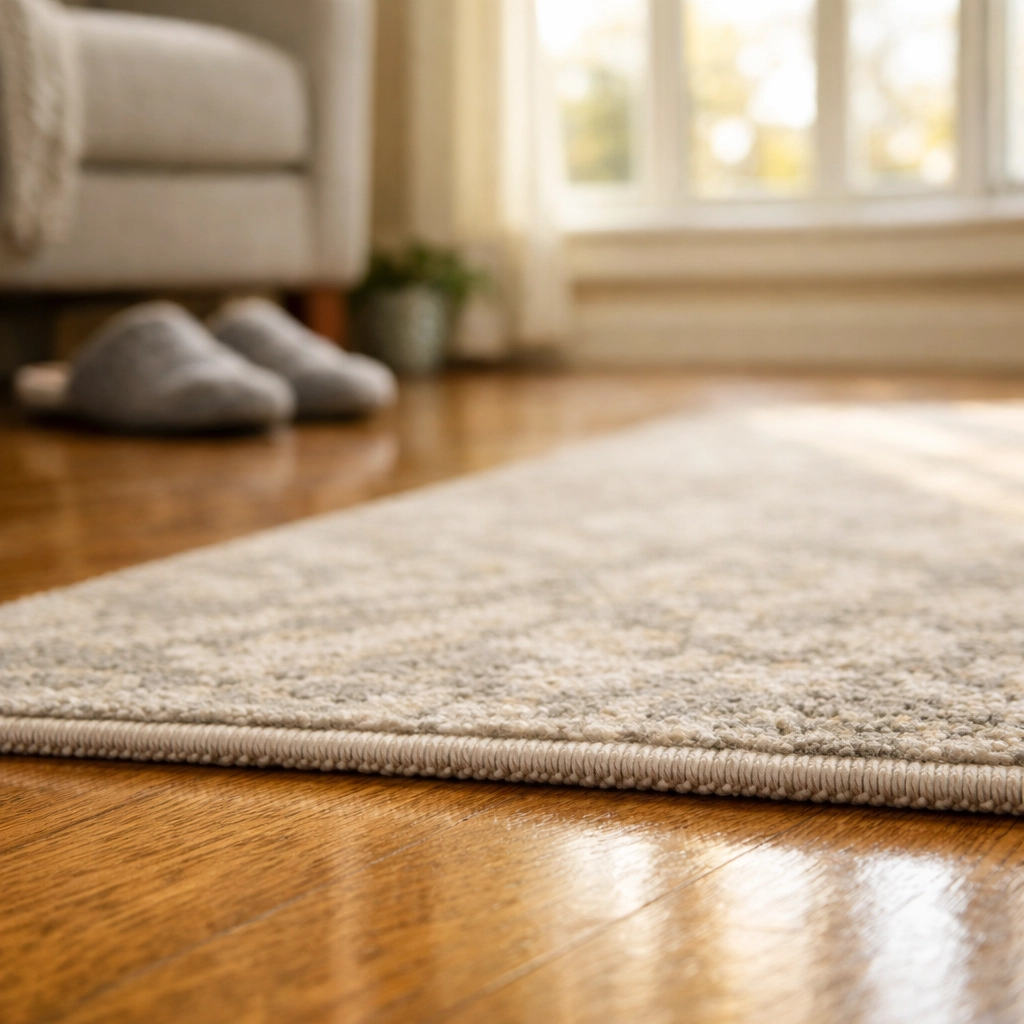
We all have them: that beautiful Persian rug in the hallway or the cozy mat in front of the kitchen sink. They add character to a room, but they are one of the most common causes of falls in the home.
The mistake here is twofold. First, rug edges often curl up over time, creating a "lip" that is easy to catch a toe on, especially if someone has a shuffling gait. Second, rugs without proper backing can slide across hardwood or tile like a sled on ice.
How to fix it:
The safest option is to remove area rugs and throw rugs entirely, especially in high-traffic hallways. If you aren't ready to part with them, you must secure them. Use high-quality, non-slip rug pads or double-sided carpet tape to ensure the rug is essentially "bonded" to the floor. Check the edges weekly to make sure they aren't fraying or lifting.
2. Neglecting the Connection Between Nutrition and Balance
It might seem strange to see "diet" on a home safety list, but physical safety is deeply tied to physical strength. A common mistake is focusing entirely on the environment while ignoring the person living in it.
When seniors experience poor nutrition: specifically a lack of protein or hydration: they lose muscle mass (a condition called sarcopenia). This leads to weakness in the legs and core, which are the very muscles required to maintain balance and recover from a slight trip. Dehydration can also cause dizziness or "orthostatic hypotension": that lightheaded feeling you get when standing up too quickly.
How to fix it:
Focus on a diet rich in lean proteins, calcium, and Vitamin D to support bone density and muscle health. Encourage consistent hydration throughout the day rather than drinking large amounts all at once. If preparing meals has become a chore, consider a meal delivery service or batch-cooking with family members to ensure balanced nutrition is always available.
3. Treating Bathroom Safety as "Optional"
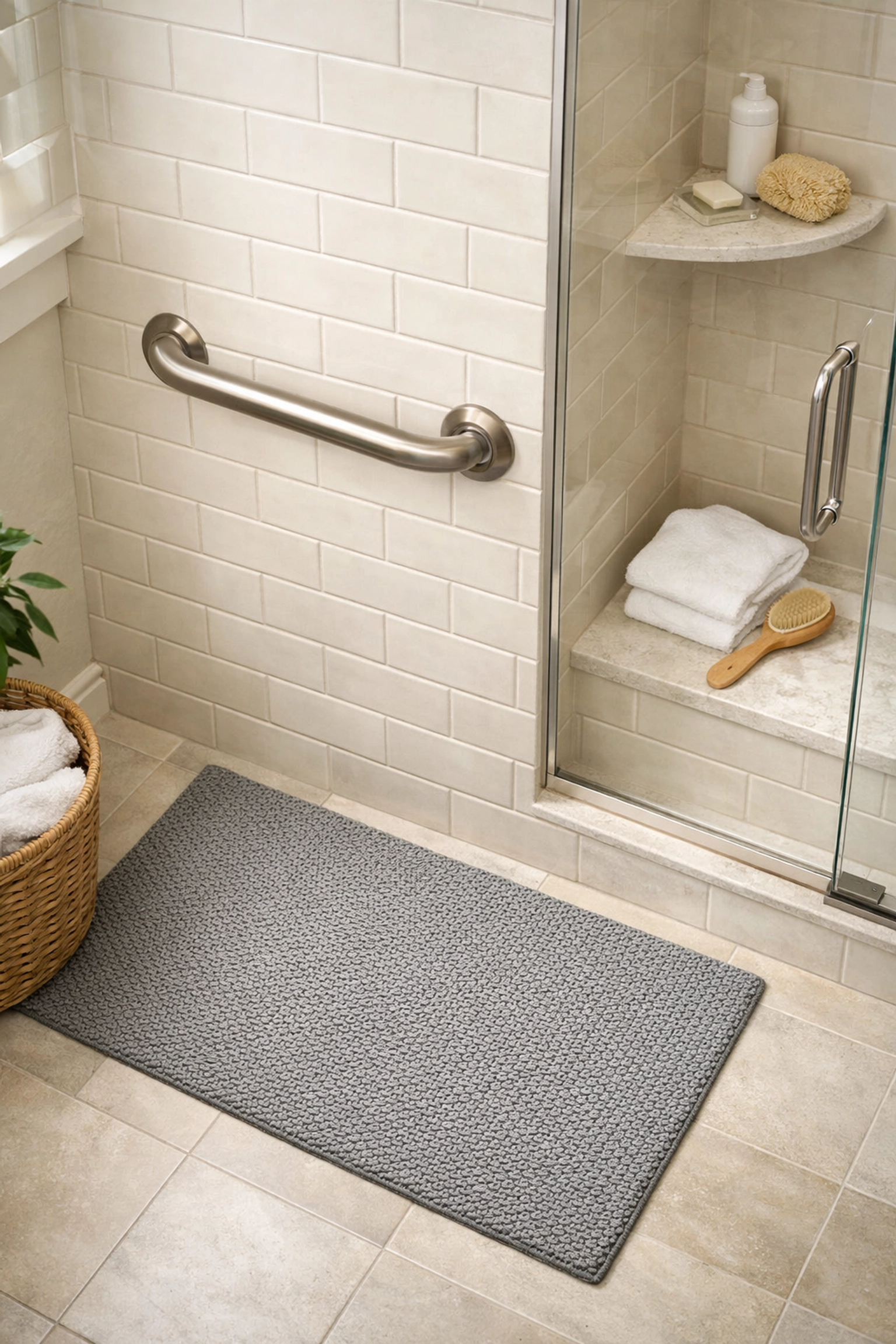
The bathroom is statistically the most dangerous room in the house. The combination of hard surfaces, water, and tight spaces creates a high-risk environment. The mistake many make is waiting for a fall to happen before installing safety equipment. Many seniors resist grab bars because they feel "clinical," but modern designs are much more integrated and subtle.
How to fix it:
Install permanent grab bars: not the suction cup variety, which can fail: near the toilet and inside the shower or tub. Add non-slip mats or adhesive strips to the floor of the shower. If getting in and out of the tub is becoming a struggle, a walk-in shower or a sturdy shower chair can provide a much safer experience. A raised toilet seat can also reduce the strain on knees and hips, making the transition from sitting to standing much safer.
4. Letting the "Lived-In" Look Turn into Clutter
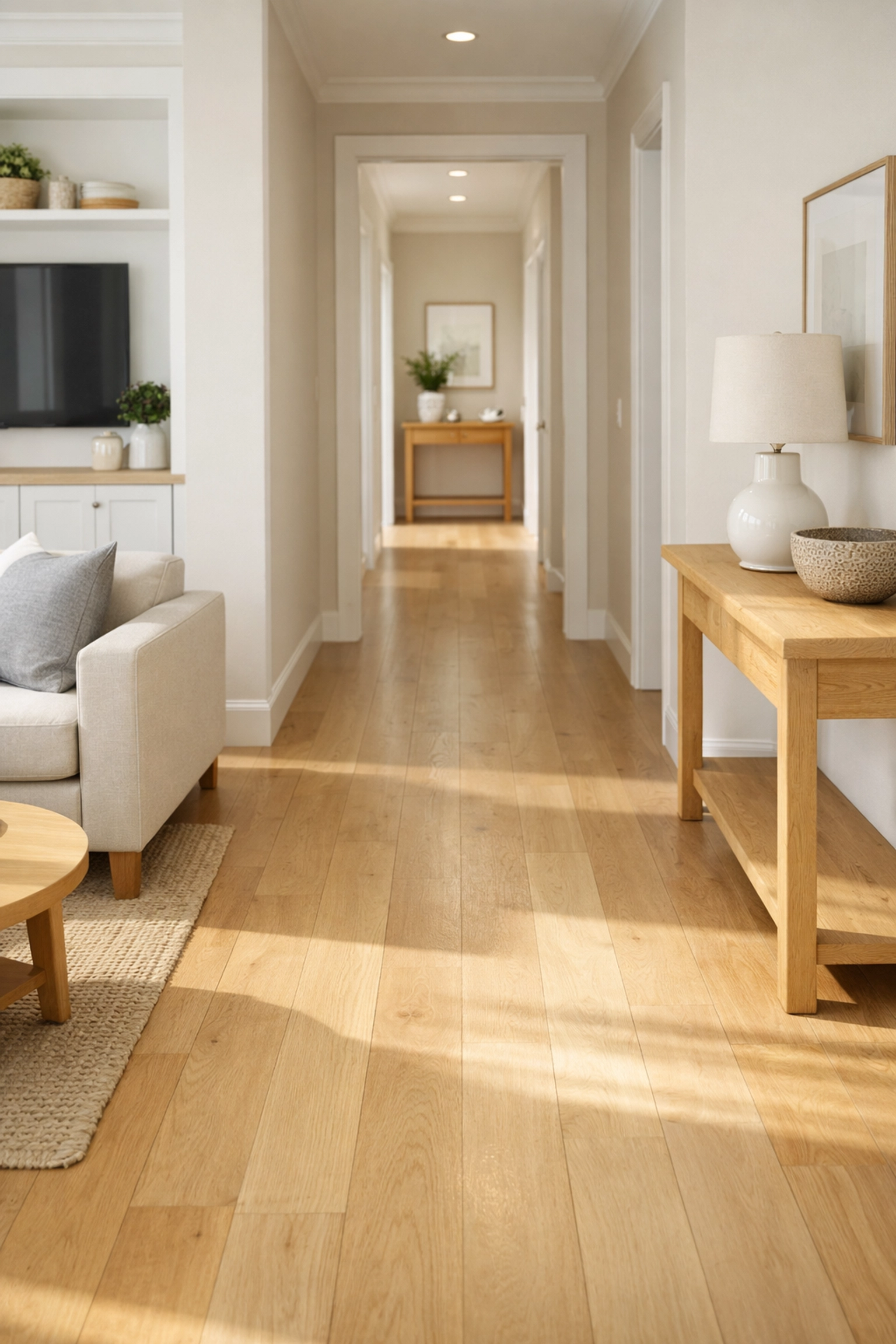
Over the years, we collect things. Stacks of magazines, shoes left by the door, or baskets of knitting supplies on the floor. In a household with younger adults, these are minor annoyances. For a senior, these are major hazards.
Clutter narrows the "walking path." If you have to turn sideways or sidestep an object to move through a room, the risk of a fall increases significantly. This is especially true if someone uses a cane or walker, which requires a wider, clear path to function correctly.
How to fix it:
Walk through the home with a critical eye. Are the "natural" paths between the bedroom, bathroom, and kitchen wide and clear? Aim for a path width of at least 32 to 36 inches. Remove furniture that sticks out into walkways and keep the floor absolutely clear of small objects. Remember: if it’s on the floor, it’s a potential trip hazard.
5. Ignoring "Shadow Zones" and Poor Lighting
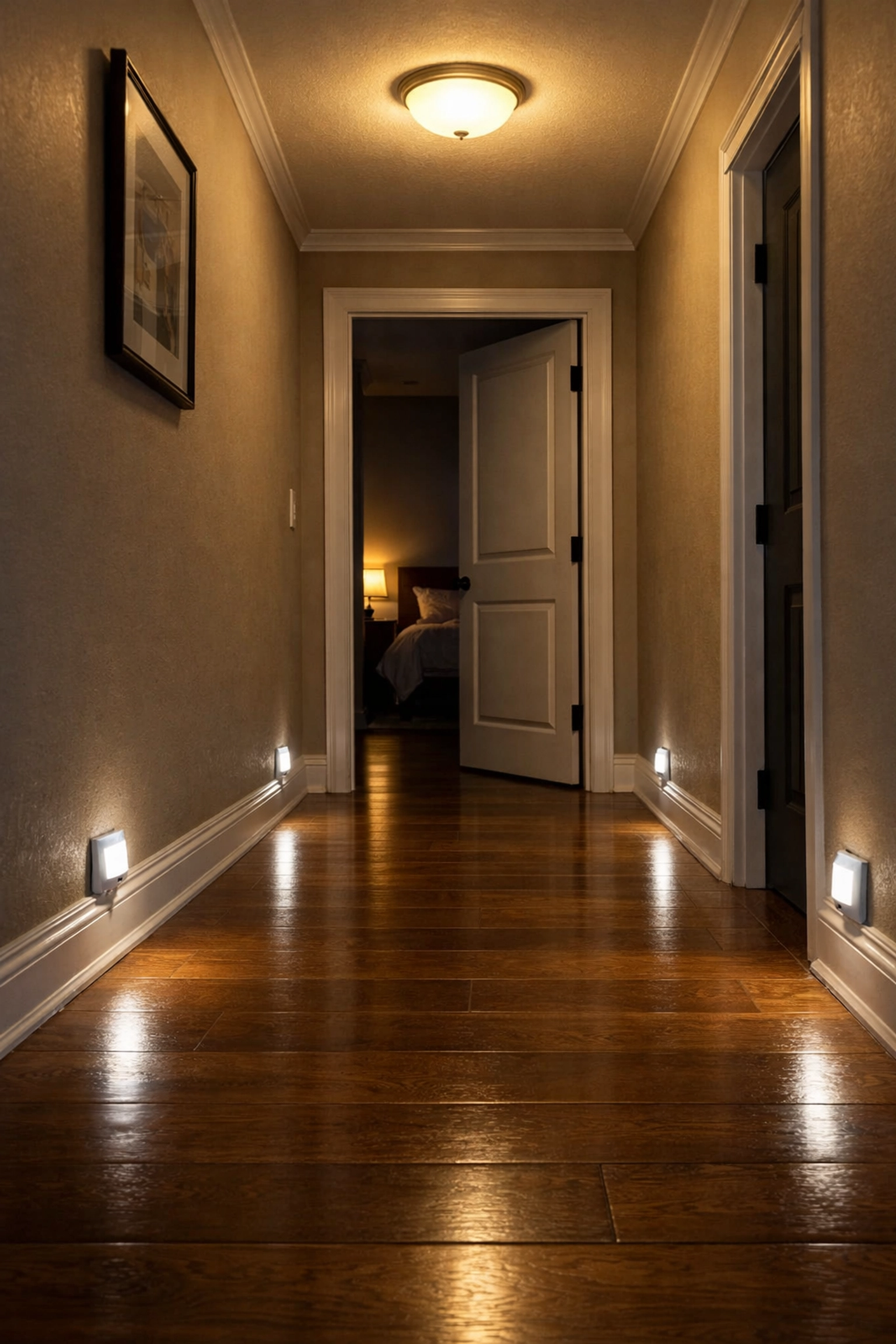
Our eyesight naturally changes as we age. We need more light to see clearly, and our eyes take longer to adjust when moving from a bright room to a dark one. The mistake is relying on the same lighting setup that worked twenty years ago. Dim hallways and "shadow zones" between rooms are where accidents often happen, especially during middle-of-the-night trips to the bathroom.
How to fix it:
Increase the wattage of bulbs (within the fixture's safety limits) and switch to "daylight" or "cool white" LED bulbs, which provide better contrast than warm yellow bulbs. Install motion-activated nightlights in the hallways, bathroom, and bedroom. These are inexpensive and ensure that no one ever has to fumble for a light switch in the dark.
6. Overlooking Pets as Tripping Hazards
We love our pets; they provide incredible companionship and emotional support. However, they are also unpredictable. A small dog darting underfoot or a cat lounging on a dark carpet in a hallway can easily cause a stumble. Caregivers often overlook this because the pet is a "member of the family," but pet-related falls are a significant concern.
How to fix it:
It’s not about getting rid of pets, but managing them safely. Place a bell on the pet’s collar so their presence is always known. Train dogs not to jump up when greeting people. During high-risk times: like when a senior is carrying a heavy laundry basket or using the stairs: it may be best to have the pet in another room or behind a pet gate to ensure a clear path.
7. Leaving Cords and Electronics Unsecured
In our modern world, we have more gadgets than ever. This means more charging cables, lamp cords, and extension wires. A very common mistake is running an extension cord across a walkway or letting a tangle of wires sit behind a chair where someone might step.
Furthermore, outdated appliances can pose a different kind of safety risk. Aging furnaces, frayed toaster cords, or space heaters without automatic shut-off features are fire hazards that can become deadly if a senior has limited mobility and cannot exit the home quickly.
How to fix it:
Rearrange furniture so that lamps and electronics are close to outlets, eliminating the need for extension cords. If you must have a cord in a walkway, use a heavy-duty cord cover that tapers to the floor to prevent tripping. Have a professional inspect the home's heating system and large appliances annually. Ensure there are working smoke and carbon monoxide detectors on every floor and inside every bedroom.
The Path Forward: A Safety Mindset
Making these changes doesn't have to be overwhelming. You don't have to fix everything by sunset tonight. The best approach is to take it one room at a time. Start with the bathroom, move to the bedroom, and then tackle the living areas.
Home safety is a proactive gift you give to yourself or your loved one. It’s about removing the "what ifs" and replacing them with confidence. When the environment is supportive, seniors can focus on what really matters: enjoying their hobbies, spending time with family, and living life on their own terms.
Remember, the goal is not to live in a "padded cell," but to create a space that respects your mobility and supports your independence. By identifying these seven common mistakes and implementing the fixes, you are creating a foundation for many more safe, happy years at home.
The most important thing to remember is that you are not alone in this. There are professionals, including occupational therapists and home safety experts, who can provide a fresh set of eyes if you aren't sure where to start. A safe home is a happy home, and a few small changes today can make a world of difference for tomorrow.

