
Hi there, I’m Brian Kerr, the founder of Fall Guys Products. When we think about home, we think about comfort, memories, and safety. It is the place where we should feel the most secure. However, for many seniors and those caring for them, the home can secretly harbor a variety of hazards that increase the risk of a fall.
The reality is that most falls don't happen because of a single catastrophic event. They happen because of a combination of small, overlooked details. In my years of working with mobility aids and home safety, I’ve seen the same few mistakes pop up over and over again. The good news? Most of these are incredibly easy to fix.
If you are a caregiver or a senior looking to stay independent in your own home, this guide is for you. Let’s walk through the seven most common mistakes people make with home fall prevention and, more importantly, how to fix them today.
1. Treating Loose Rugs as "Fine for Now"
We all have that one rug. Maybe it’s a beautiful heirloom in the entryway or a soft throw rug in the bathroom that keeps your feet warm on the tile. While they add character to a room, loose rugs are one of the leading causes of trips and falls in the home.
The mistake here is thinking, "I know it’s there, so I’ll just be careful." But fall prevention isn't about being careful when you're focused; it’s about being safe when you’re distracted, tired, or in a rush. A rug that bunches up or has a corner that curls just a few millimeters is enough to catch a toe or a walker wheel.
How to Fix It:
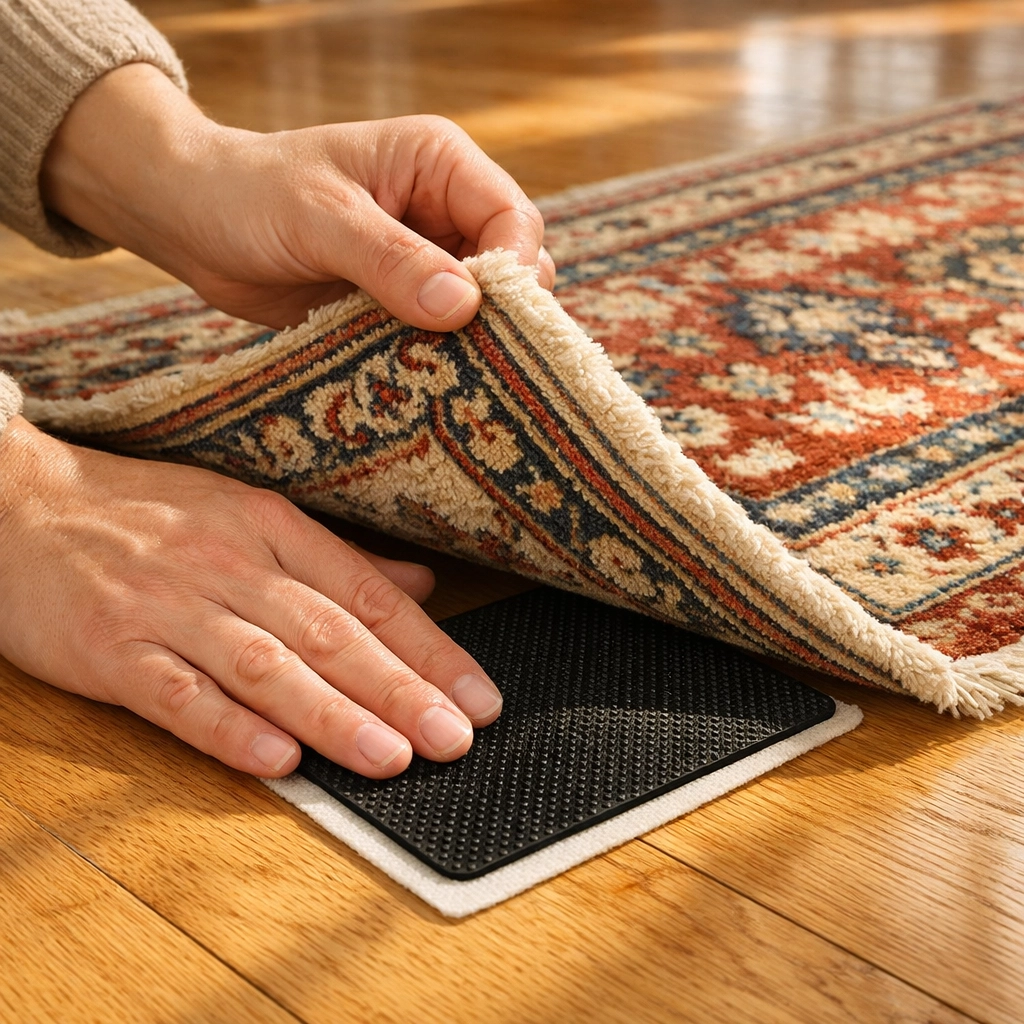
The safest option is always to remove uninstalled rugs entirely. If you aren't ready to say goodbye to them, you must secure them properly. Use high-quality double-faced carpet tape or specialized non-slip rug pads that grip both the rug and the floor. For the bathroom, replace traditional rugs with rubber-backed, non-slip mats that are designed to stay put even when the floor is wet.
2. Overlooking the "Invisible" Clutter in High-Traffic Paths
Clutter is a sneaky hazard. We tend to become "clutter-blind" in our own homes. That stack of magazines by the chair, the charging cord stretching across the floor to the sofa, or the pair of shoes left by the front door become part of the scenery.
For someone with limited mobility or vision changes, these items aren't just messy: they are obstacles. Hallways and transitions between rooms are the most critical areas. If you have to "navigate" around a coffee table or a plant stand every time you go to the kitchen, the risk of a stumble increases significantly.
How to Fix It:
Perform a "walkway audit." Walk through your home as if you are seeing it for the first time. Are the paths at least 32 to 36 inches wide?
- Clear the floors: Move shoes, boxes, and decorative items off the floor and into closets or onto stable shelving.
- Manage cords: Use cord organizers or tape to secure electrical and phone cords along the baseboards, never across a walkway.
- Furniture placement: If a coffee table is in the way, consider moving it to the side or removing it altogether to create a straight, clear path.
3. Underestimating the Power of Good Lighting
As we age, our eyes require more light to see clearly. What feels "cozy" to a younger person can feel dangerously dark to a senior. Dim lighting makes it difficult to see changes in floor height, small objects on the ground, or the exact edge of a step.
A common mistake is having a single light switch at only one end of a long hallway or at the bottom of the stairs. This often leads to people walking through dark areas because they don't want to walk back to turn the light off.
How to Fix It:
The goal is "shadow-free" lighting.
- Brighten up: Swap out old, dim bulbs for brighter LED versions.
- Add switches: If possible, install "three-way" switches at both the top and bottom of stairs and at both ends of hallways.
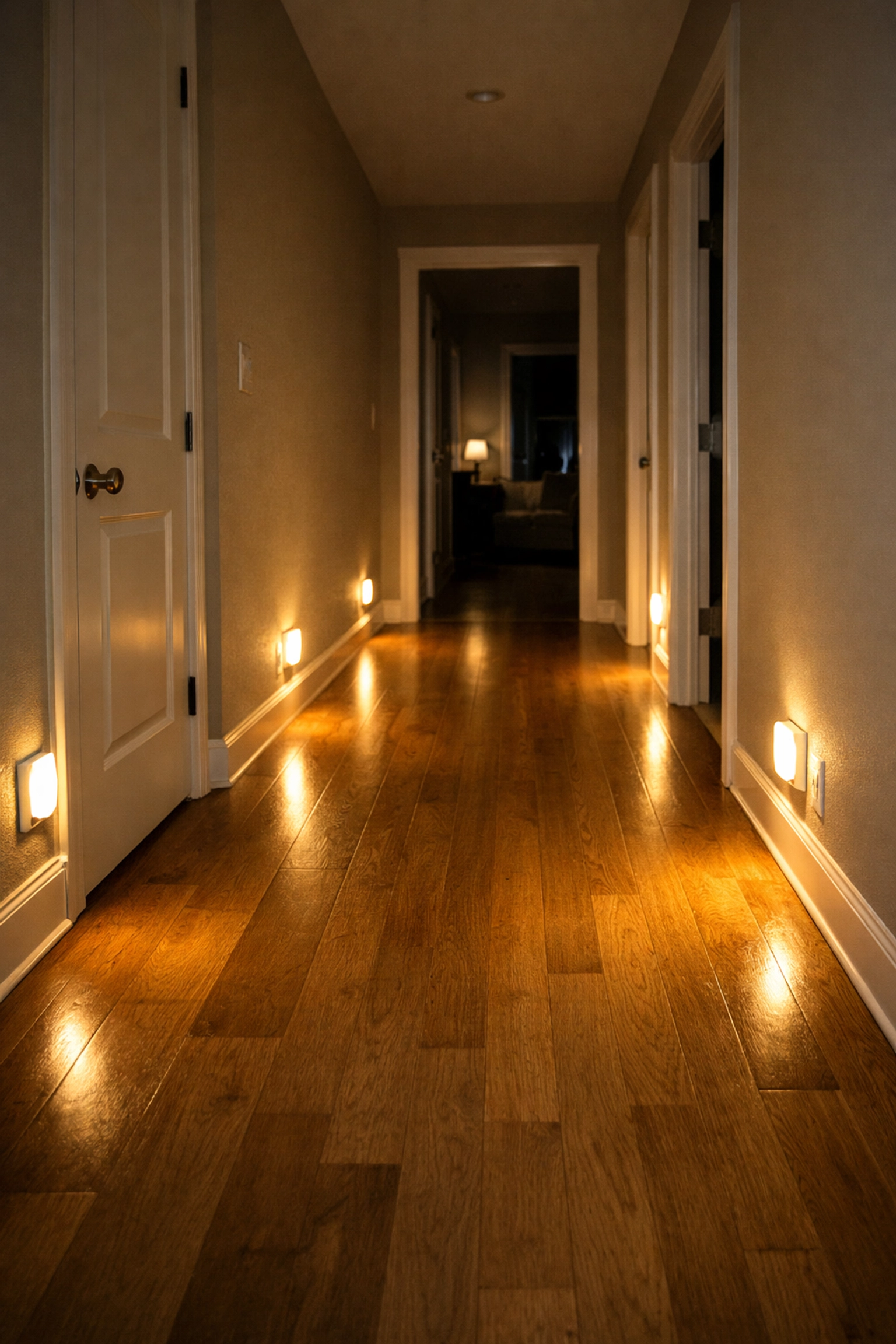
- Automate: Use motion-activated nightlights in the bathroom, bedroom, and hallways. These are inexpensive, plug into any outlet, and ensure you never have to fumble for a switch in the middle of the night.
4. Relying on Towel Racks or Furniture for Balance
When people start to feel a bit unsteady, they instinctively reach out for support. This is a natural reaction, but the mistake is reaching for things that aren't designed to hold human weight.
I often see towel racks in bathrooms that are loose because someone has been using them as a grab bar. Towel racks are held in by small screws and thin brackets; they will pull out of the wall if you put your full weight on them during a slip. Similarly, leaning on a rolling office chair or a light end table for balance is a recipe for disaster.
How to Fix It:
You need designated support structures that are anchored properly.
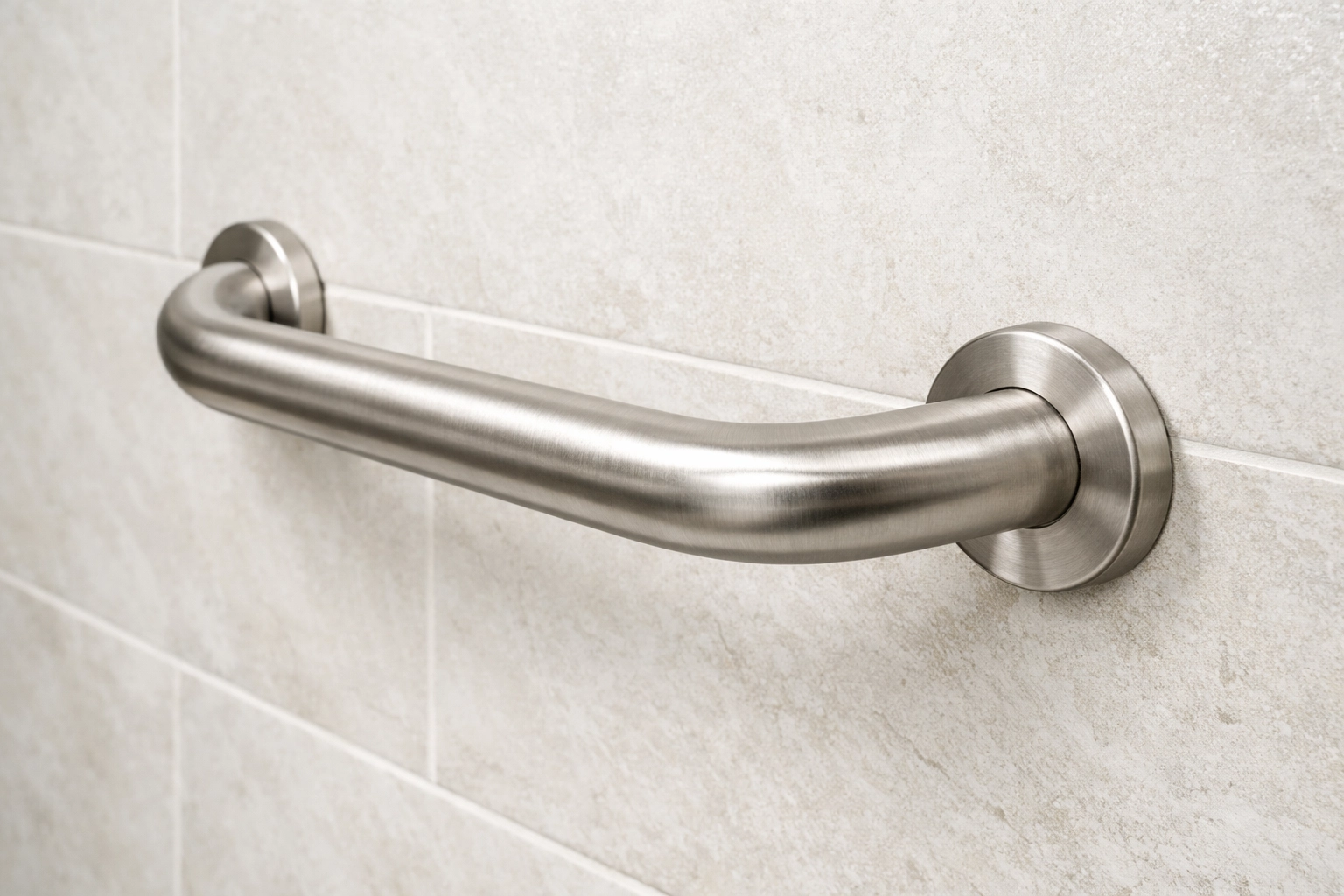
- Professional Grab Bars: Install grab bars near the toilet and both inside and outside the shower. These should be screwed into the wall studs or installed with heavy-duty anchors.
- Handrails: Ensure there are sturdy handrails on both sides of every staircase. They should extend slightly past the top and bottom steps so you have support before you start climbing and after you finish.
- Stability: If you find yourself reaching for furniture, it might be time to discuss a dedicated mobility aid like a walker or a stationary pole system that is designed for weight-bearing.
5. Wearing the Wrong Shoes Indoors
It is tempting to walk around the house in socks, loose-fitting slippers, or even barefoot. However, footwear plays a massive role in balance and stability.
Slippers with no back (slides) can easily slip off, causing you to trip over your own shoe. Socks on hardwood or tile floors offer zero traction, making a slip almost inevitable if you turn too quickly. Even some "comfort" shoes have thick, squishy soles that actually decrease your "proprioception": your body's ability to sense its position in space through your feet.
How to Fix It:
Think of your indoor shoes as safety equipment.
- Supportive Fit: Choose shoes that are closed-toe and have a back. They should fit snugly but comfortably.
- Non-Slip Soles: Look for rubber soles with good grip.
- Indoor Sneakers: Many health professionals recommend having a dedicated pair of "indoor sneakers." They provide the arch support and traction needed for stability without bringing outside dirt into the home.
6. Keeping Daily Essentials on High Shelves
We often store things where they "fit," rather than where they are easiest to reach. If the coffee beans are on the top shelf of the pantry, or the heavy Dutch oven is at the back of a low cabinet, you are forcing yourself into risky movements.
Using a kitchen chair as a makeshift ladder is one of the most dangerous things a senior can do. Even using a standard step stool requires a level of balance that can be tricky. Overreaching can lead to dizziness or a loss of center of gravity.
How to Fix It:
Rearrange your world to fit your "strike zone": the area between your mid-thigh and your shoulders.
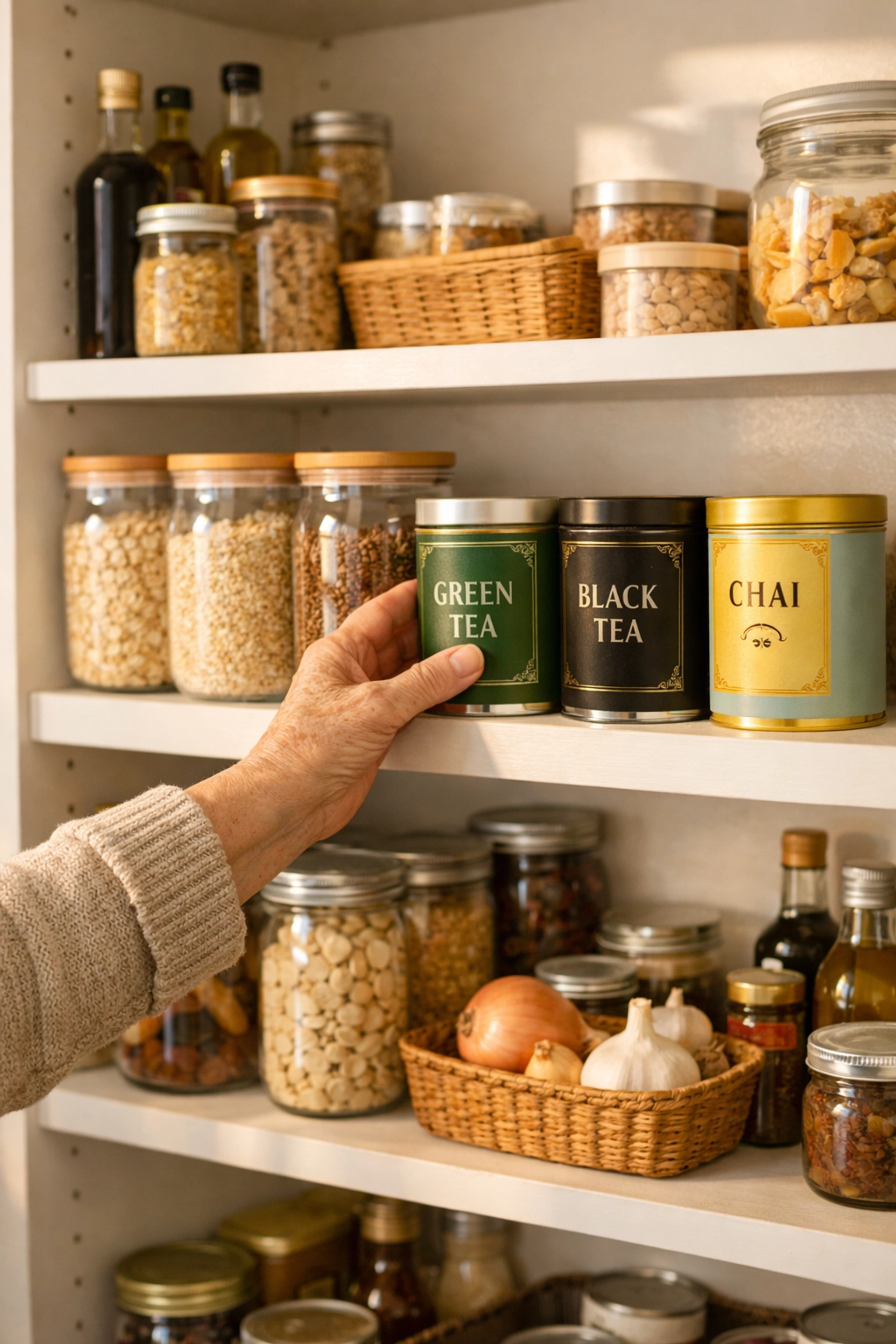
- The Waist-Level Rule: Move frequently used items (plates, mugs, medications, canned goods) to waist-level shelves or countertops.
- Slide-out Shelves: For lower cabinets, consider installing slide-out drawers so you don't have to bend down and reach deep into a dark space.
- Safe Stepping: If you absolutely must reach something higher, use a high-quality step stool with a high guard rail to hold onto. Better yet, wait for a family member or caregiver to help with those rare tasks.
7. Forgetting About Our Four-Legged Friends
We love our pets, but they are a significant tripping hazard. Cats have a habit of darting between legs, and dogs often lie down in the middle of a doorway or hallway. If a pet is small or has a dark coat, they can be nearly invisible in low light.
The mistake isn't having the pet; it's failing to account for their unpredictability. A sudden movement by a dog can startle someone, leading to a loss of balance.
How to Fix It:
- Visibility: Put a brightly colored collar or even a small bell on your pet so you can see and hear them coming.
- Training: Work on "place" commands so the pet stays in a designated area while you are moving through the kitchen with hot food or walking down a hallway.
- Boundaries: Use baby gates to keep pets out of high-risk areas like the stairs or narrow bathrooms when you are using them.
Bonus Mistake: Using an Improperly Adjusted Mobility Aid
If you use a cane or a walker, it is there to help you. But if it isn't adjusted to your specific height, it can actually make you less stable.
If a walker is too high, it puts strain on your shoulders and prevents you from putting your weight through your arms effectively. If it’s too low, it causes you to hunch forward, which shifts your center of gravity too far front and increases the risk of a forward fall.
How to Fix It:
Check the height of your aid. Stand up straight with your arms hanging naturally at your sides. The handle of the cane or walker should line up with the crease of your wrist. When you grip the handle, your elbow should have a slight, comfortable bend (about 15 to 20 degrees). If you aren't sure, ask a physical therapist to check the fit for you.
Taking the First Step Toward a Safer Home
Fall prevention can feel like a daunting task, but you don't have to fix everything in a single day. The best approach is to pick one room: perhaps the bathroom or the bedroom: and address the mistakes there first.
At Fall Guys Products, we believe that staying safe shouldn't mean losing your sense of home. It’s about making smart, reassuring adjustments that give you the confidence to move freely. By fixing these common mistakes, you aren't just preventing a fall; you are protecting your independence and your peace of mind.
Take a look around your living room right now. Is there a cord that needs moving? A rug that needs taping? Start there. Every small change makes your home a significantly safer place to be.

