
Hi there, I’m Brian Kerr, the founder of Fall Guys Products. If you’re reading this, chances are you care deeply about keeping your home: or the home of a loved one: as safe as possible. We often think of our homes as our ultimate sanctuary, the place where we can truly let our guard down. But as we get older, or as we care for someone who is, that sanctuary can start to present some unexpected challenges.
The reality is that most falls don't happen because of a major catastrophe. They happen because of small, overlooked habits and environmental factors that we’ve lived with for years. The good news? Most of these are incredibly easy to fix.
I’ve spent a lot of time looking at how people move through their homes, and I’ve noticed seven common mistakes that pop up time and time again. Let’s walk through them together and talk about how we can make things safer, one room at a time.
1. The "Beautiful" Trap: Loose Throw Rugs
We all love a good rug. They add color, warmth, and a bit of personality to a room. However, in the world of fall prevention, loose throw rugs are often the number one culprit.
The Mistake:
Many people use small rugs in hallways, bathrooms, or right next to the bed without securing them. These rugs can slide out from under you, or worse, the edges can curl up just enough to catch a toe. Even if you’ve walked over that rug a thousand times, all it takes is one slightly heavy footstep or a moment of fatigue for that edge to become a trip hazard.
The Fix:
The safest option is to remove throw rugs entirely. I know that’s a tough pill to swallow if you love your decor, but a clear floor is a safe floor. If you aren't ready to part with them, you must secure them firmly. Use high-quality double-sided rug tape or non-slip rubber backing that covers the entire underside of the rug. Check the edges every week to make sure they aren't starting to "lip" or curl. If they are, it’s time for that rug to find a new home.
2. Living in the Shadows: Inadequate Lighting
As we age, our eyes naturally need more light to see clearly. What felt bright enough twenty years ago might be functionally "dim" today.
The Mistake:
Relying on a single overhead light or small decorative lamps is a common oversight. Many homes have "dead zones": dark patches in hallways or on staircases: where it’s hard to distinguish where a step ends or where an obstacle begins. This is especially dangerous at 2:00 AM when you’re navigating to the bathroom in a sleepy haze.
The Fix:
Upgrade your bulbs to the highest wattage your fixtures safely allow. But don’t stop there. Install motion-activated nightlights along the path from the bedroom to the bathroom and kitchen. These are inexpensive and don't require a call to an electrician.
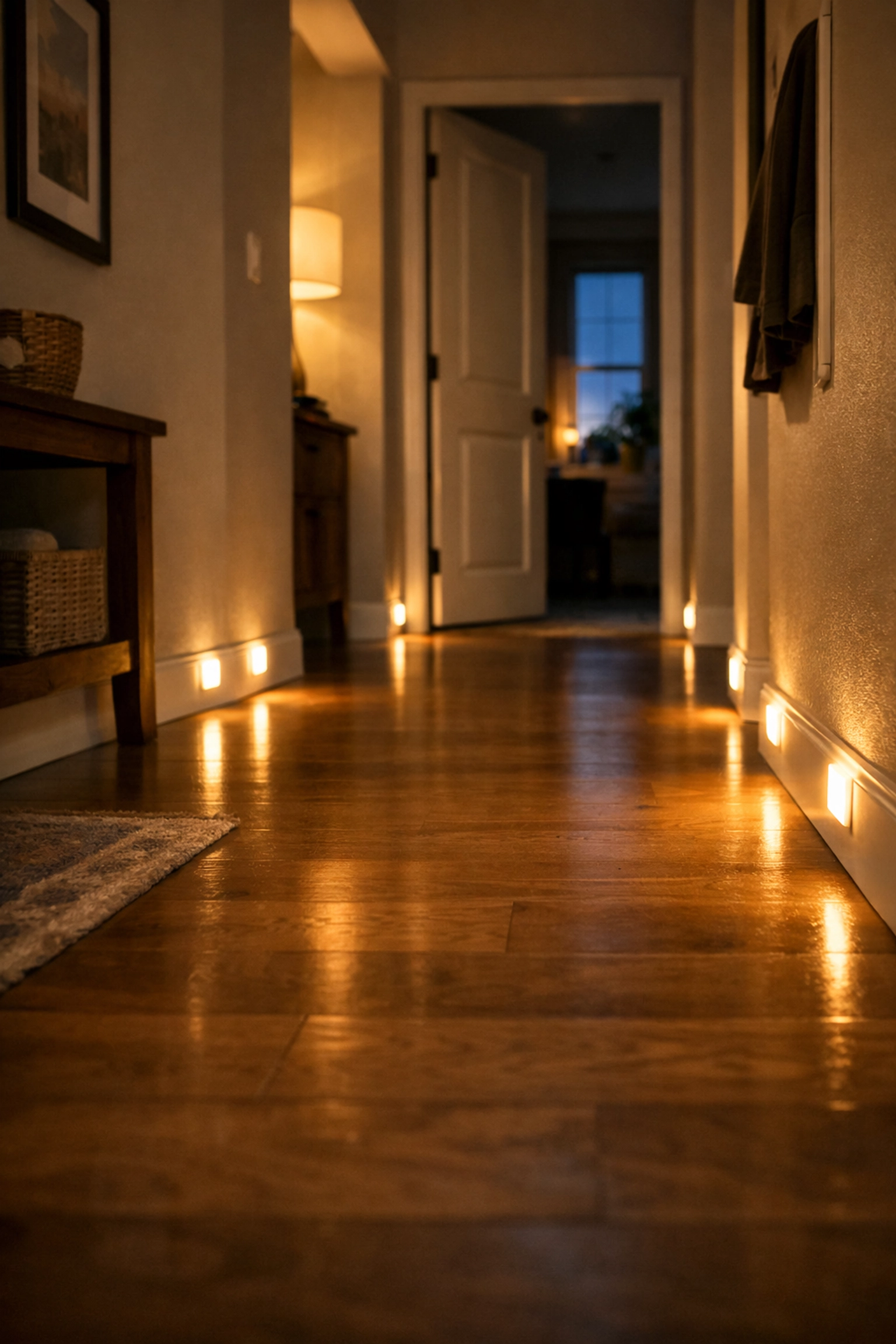
Another great fix is making sure your light switches are accessible. If you have to walk across a dark room to turn on a lamp, the layout is working against you. Consider "clapper" switches or smart bulbs you can control with your voice.
3. The "One-Sided" Support: Missing Handrails
Stairs are naturally the highest-risk area in any multi-level home. Most people recognize this, but the way they address it is often incomplete.
The Mistake:
Many staircases only have a handrail on one side. While this is better than nothing, it forces you to rely on one side of your body for balance. If that side is your "weaker" side, or if you are carrying something in one hand, you’re left without a safety net. Furthermore, many handrails stop a few inches short of the top or bottom step, which is exactly where most people lose their balance.
The Fix:
Ensure you have sturdy handrails on both sides of the stairs. They should extend the full length of the staircase and even a little bit beyond the final step. Take a moment today to walk over to your handrails and give them a good shake. If there is any "give" or wobbling, they need to be tightened or re-anchored into the wall studs immediately. A handrail that comes off the wall when you lean on it is more dangerous than no handrail at all.
4. The "Just for a Second" Clutter
We’ve all done it. You bring the mail in and set it on the bottom step to take up later. Or you leave your shoes right by the door instead of putting them away.
The Mistake:
Clutter in walkways is a "moving target" mistake. Because the objects change, your brain doesn't always register them as a permanent hazard. For someone with slightly decreased peripheral vision or balance issues, a pair of sneakers or a stack of magazines on the floor is a disaster waiting to happen.
The Fix:
Clear the path. Make it a rule that nothing: absolutely nothing: stays on the floor or the stairs. Clear out narrow hallways of decorative plant stands or small tables that take up walking space. If you find yourself constantly navigating around furniture, consider rearranging the room to create wide, straight paths. Think about "waist-level storage." If you use something daily, it should be kept at a height where you don't have to bend down to the floor or reach high above your head to get it.
5. Footwear Fails: The Danger of Slippers
When we’re at home, we want to be comfortable. For many of us, that means kicking off our shoes and sliding into a pair of cozy slippers or just walking in socks.
The Mistake:
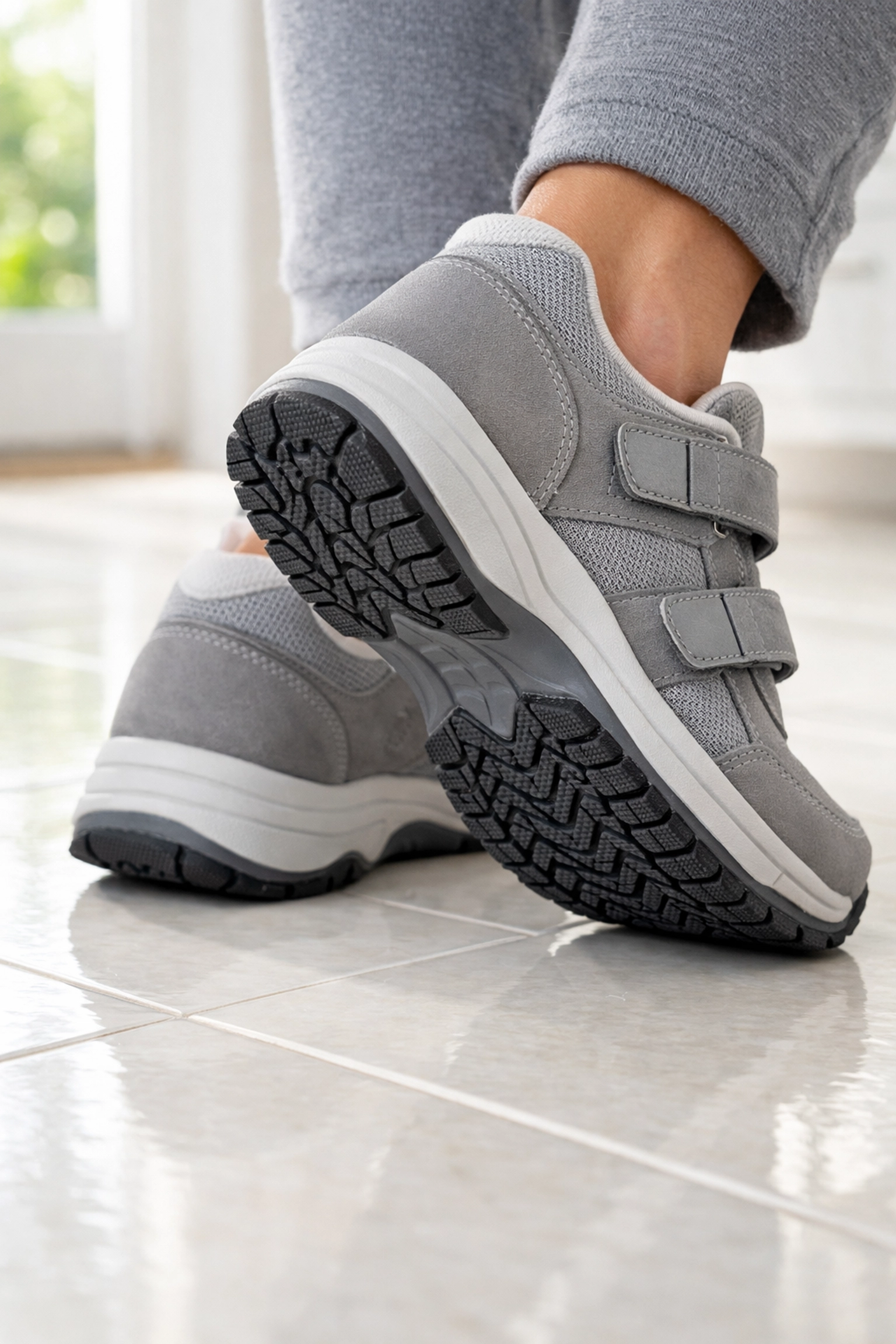
Socks on hardwood or tile are essentially ice skates. Slippers, while comfortable, often lack structure. Backless slippers can easily slide off your foot, causing you to trip over your own footwear. Even worse are slippers with smooth, worn-down soles that offer zero traction on smooth surfaces.
The Fix:
The best indoor footwear is a sturdy, closed-toe shoe with a non-slip rubber sole. Think of them as "house shoes" that stay inside to keep your floors clean. If you absolutely prefer slippers, look for "orthopedic" styles that have a back to hold your heel in place and a grippy bottom. Avoid walking in socks or stockings on uncarpeted floors at all costs.
6. The Bathroom: Towel Racks vs. Grab Bars
The bathroom is statistically the most dangerous room in the house due to slippery surfaces and the physical effort required to sit, stand, and climb in and out of the tub.
The Mistake:
The single most common mistake I see in bathrooms is people using the towel rack for balance. Towel racks are designed to hold a few pounds of fabric; they are not designed to support 150+ pounds of human weight. If you slip and grab a towel rack, it will likely rip right out of the drywall, providing no support and potentially causing a worse fall.
The Fix:
Install actual grab bars. These must be anchored into the wall studs or installed with specialized heavy-duty anchors. You want them near the toilet to help with sitting and standing, and inside the shower or tub area.
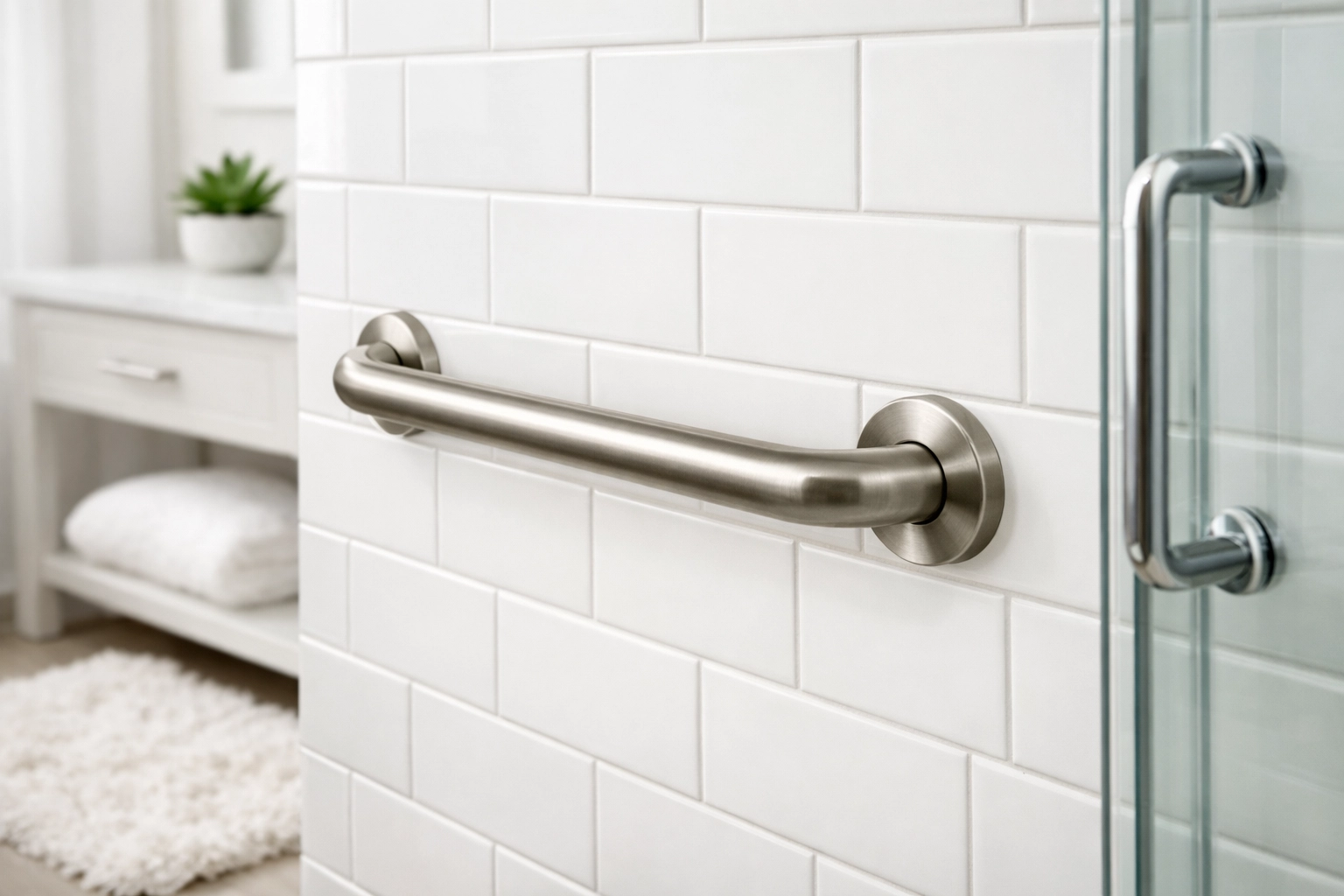
Additionally, look at the floor of your tub. If it feels slick, add a non-slip mat or apply non-slip adhesive strips. A raised toilet seat can also be a game-changer, as it reduces the distance you have to "drop" when sitting down, which keeps you in more control of your movement.
7. The Vertical Stretch: Storing Items Out of Reach
Accessibility is a huge part of fall prevention that often gets ignored until someone gets hurt.
The Mistake:
We often store our "good" china or heavy kitchen appliances on high shelves. When we need them, we reach for a chair or a shaky step stool. Climbing on furniture that isn't meant for climbing is incredibly risky. Even if you use a proper step stool, the act of looking up and reaching high can cause a momentary bout of dizziness or a shift in center of gravity that leads to a fall.
The Fix:
It’s time for a kitchen and closet audit. Anything you use more than once a month should be moved to a "comfort zone": between your hip and shoulder height. Items that are rarely used can go in lower cabinets, provided you have a chair nearby to sit on while you look for them. If you absolutely must reach something high, use a wide-based step stool with a high handle to hold onto. Better yet, wait until a family member or neighbor can help you get it down.
Beyond the Environment: The Human Element
While fixing the "mistakes" in your home environment is a massive step forward, we also have to look at how we take care of ourselves. Fall prevention is a two-way street: a safe home and a strong body.
Strength and Balance
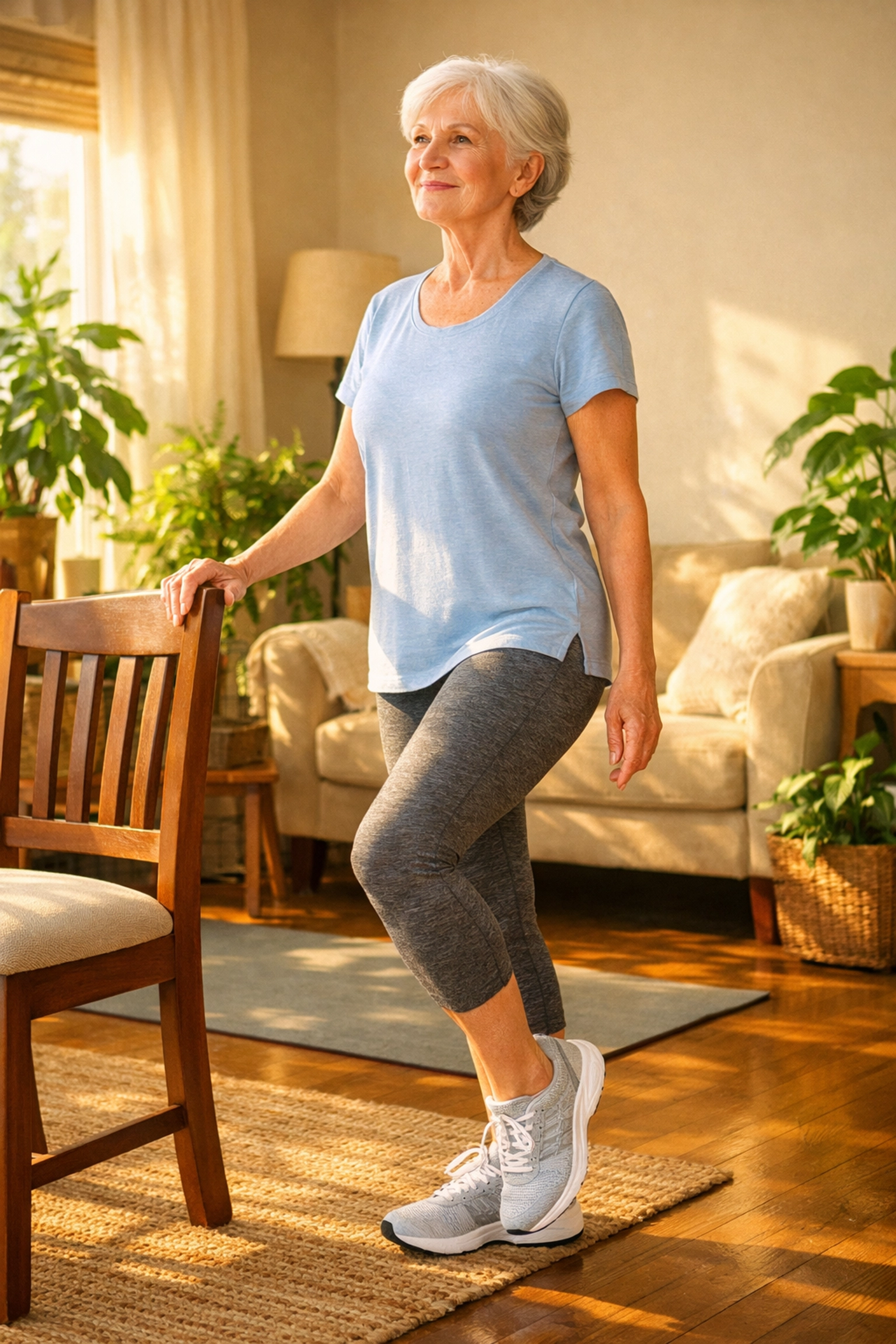
Our muscles can lose tone as we age, but they are also incredibly resilient. Engaging in gentle balance exercises, like Tai Chi or basic leg lifts, can significantly improve your stability.
Medication Awareness
Did you know that certain combinations of medications can cause dizziness or "orthostatic hypotension"? That’s the fancy term for when your blood pressure drops suddenly when you stand up. If you feel lightheaded when getting out of bed, talk to your doctor. They might be able to adjust your dosage or the timing of your meds to keep you feeling more steady.
Vision Checks
If you can't see the hazard, you can't avoid it. Make sure you’re getting your eyes checked annually. If you wear bifocals or trifocals, be extra careful when walking on stairs, as the different lens sections can sometimes distort your depth perception of the steps.
A Reassuring Path Forward
If this list feels overwhelming, take a deep breath. You don't have to fix everything by sunset tonight. Fall prevention isn't about living in fear; it's about making smart, simple adjustments so you can keep living your life with confidence.
Start with one thing. Maybe today you go buy some bright lightbulbs. Tomorrow, maybe you clear that one pile of books off the landing. Next week, you can look into getting some grab bars installed.
Every small change you make is a layer of protection for yourself and your family. Your home should be the place where you feel most at ease. By fixing these common mistakes, you’re making sure it stays that way for years to come. Stay safe, stay active, and remember that we’re all in this together.

