
When we think about home, we think about comfort, safety, and independence. It is the place where we know every corner, every creak in the floorboard, and exactly how many steps it takes to get from the bedroom to the kitchen. However, that very familiarity can sometimes lead to a bit of "safety blindness." We stop seeing the little hazards that have been there for years, and we start to assume that because we haven't tripped yet, we never will.
The reality is that home is where the majority of falls occur for seniors. Most of the time, these aren't caused by a single dramatic event, but rather by a combination of small, overlooked environmental factors and habits. The good news is that most of these risks are entirely fixable. You don't need a total home renovation to make a significant impact on your safety.
By identifying and correcting common mistakes, you can transform your living space into a supportive environment that promotes mobility rather than hindering it. Here are seven common mistakes people make with home fall prevention and, more importantly, how you can fix them today.
1. Choosing Aesthetics Over Anchors: The Danger of Throw Rugs
We all love a good area rug. They add warmth to a room, muffle sound, and pull the décor together. But in the world of fall prevention, throw rugs are often considered the "number one enemy."
The mistake here is twofold. First, rugs often have edges that curl up over time, creating a "lip" that is easy to catch a toe on. Second, rugs placed on top of hardwood or tile can slide unexpectedly when stepped on, acting like a banana peel in a cartoon. Even if you feel steady on your feet, a rug that shifts just an inch can be enough to throw off your center of gravity.
How to Fix It
The safest option is to remove throw rugs and small area rugs entirely. Bare floors: as long as they aren't slippery: are much safer for someone using a walker, a cane, or even just navigating with a slightly different gait.
If you aren't ready to part with your rugs, you must secure them properly. Use double-sided rug tape or non-slip silicone pads that cover the entire underside of the rug, not just the corners. Ensure the transition from the floor to the rug is as flat as possible. If a rug is frayed or the edges refuse to stay down, it’s time to retire it.
2. Living in the Shadows: Inadequate Lighting
As we age, our eyes require more light to see clearly. What felt "bright enough" ten years ago might actually be dim and hazy now. Many homes have "dead zones": hallways, entryways, or staircases where the light doesn't quite reach.
The mistake is assuming that because you "know the way," you don't need to see the floor. When you move through a dimly lit room, your brain has to work harder to map your surroundings, which slows down your reaction time if you do stumble.
How to Fix It
Start by upgrading your light bulbs. Swapping old incandescent bulbs for brighter, "daylight" LED bulbs can make a world of difference. Next, look at your pathways.
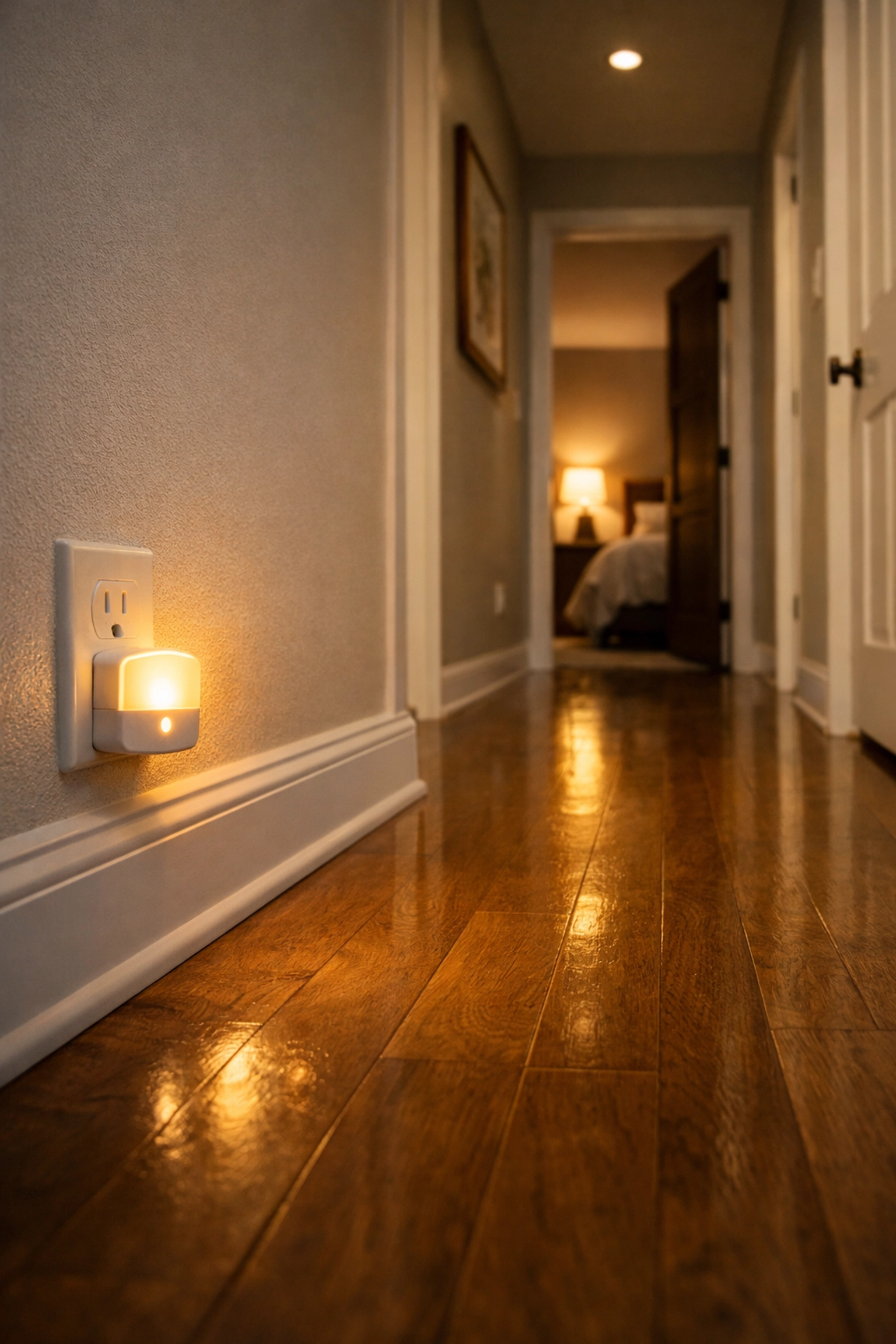
- Nightlights: Place motion-activated nightlights in the bathroom, hallways, and the bedroom. This ensures that if you need to get up in the middle of the night, the path is illuminated without you having to fumble for a switch.
- Switches: Ensure there are light switches at both the top and bottom of every staircase.
- Glare: While you want brightness, you want to avoid glare. Use shades or frosted bulbs to ensure the light is even and doesn't create confusing reflections on polished floors.
3. The "I'll Move It Later" Habit: Clutter in Walkways
Clutter is a slow creep. It starts with a stack of magazines on the floor next to the chair, a pair of shoes kicked off by the door, or a shopping bag left in the hallway. We tell ourselves we’ll move it later, but these items quickly become invisible to us.
The mistake here is treating walkways like storage spaces. For someone with mobility challenges, a clear "runway" is essential. Having to "slalom" through furniture or step over objects increases the risk of a trip significantly.
How to Fix It
Adopt a "clear floor" policy. Walk through your home and look specifically at the paths you take most often.
- Furniture Placement: Ensure there is a wide, clear path (at least 32 to 36 inches) between furniture pieces.
- Cord Management: Use cord organizers or tape to secure electrical cords along the baseboards so they don't cross walking paths.
- Storage: Move frequently used items to waist-level shelves. If you have to reach high or bend low to get something, you're more likely to lose your balance.
4. Treating Grab Bars as "Optional"
There is an old stigma that grab bars make a home look like a hospital. Because of this, many people wait until after a fall to install them. This is perhaps the most dangerous mistake of all.
The bathroom is the most hazardous room in the house because of the combination of water, hard surfaces, and the physical transitions required (stepping into a tub or sitting down on a toilet). Using a towel rack or a sink edge for balance is a recipe for disaster; these items are not designed to support human weight.
How to Fix It
Think of grab bars as "stability insurance."
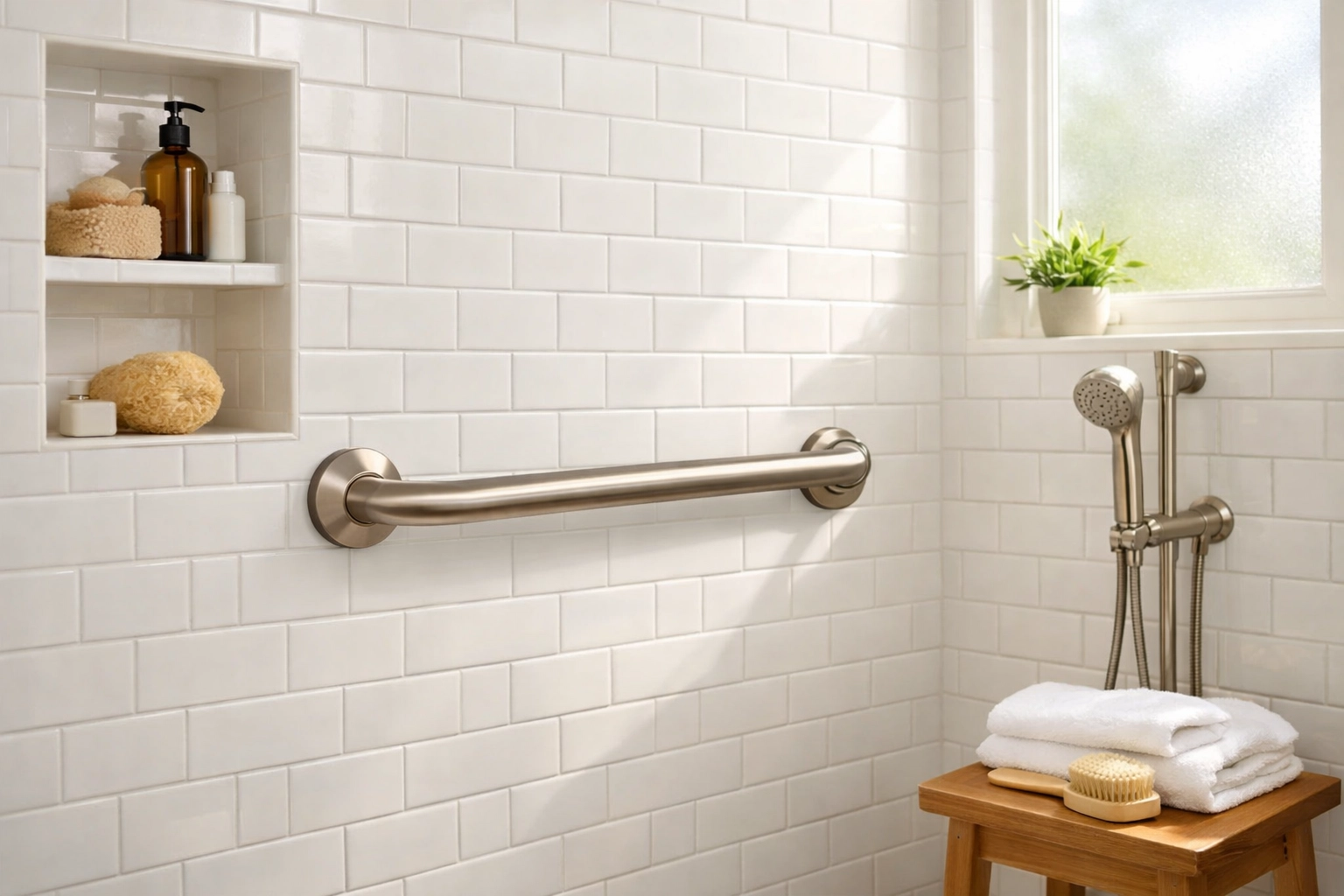
- Professional Installation: Grab bars must be anchored into wall studs to be safe. Suction-cup versions are generally not recommended for full body weight support.
- Key Locations: You need a bar inside the shower or tub, one to help with the "step-over" into the tub, and one near the toilet.
- Modern Designs: Modern grab bars come in various finishes like brushed nickel or oil-rubbed bronze, allowing them to blend into your bathroom décor while providing essential safety.
5. Ignoring the "Small" Floor Repairs
A loose floorboard, a slightly turned-up piece of linoleum, or a transition strip between the kitchen and dining room that has come loose might seem like minor annoyances.
The mistake is underestimating how a difference of just a quarter-inch in floor height can cause a trip. As we age, our "toe clearance" (how high we lift our feet when we walk) often decreases. What a younger person would naturally step over, a senior might catch their foot on.
How to Fix It
Do a "floor audit." Walk through your home wearing thin socks; you’ll be able to feel irregularities that your shoes might mask.
- Secure Transitions: Ensure the metal or wood strips between different types of flooring are screwed down tight.
- Repair Damage: If you have carpet, look for ripples or "bunches." These can be stretched and re-tacked by a professional.
- Non-Slip Solutions: In high-moisture areas like the kitchen or entryway, consider applying non-slip coatings or adhesive strips to the floor.
6. Wearing "Comfortable" (But Unsafe) Footwear
We all have that favorite pair of loose, fleece-lined slippers. They feel great, but they are often one of the biggest contributors to falls at home.
The mistake is wearing footwear that lacks a "back" (like clogs or flip-flops) or has smooth, slippery soles. When a shoe doesn't move with your foot, your gait changes to keep the shoe on. This often results in shuffling, which is a major risk factor for tripping. Additionally, walking in socks on smooth wood or tile is incredibly dangerous.
How to Fix It
Inside the house, you should wear shoes that are as supportive as the ones you wear outside.
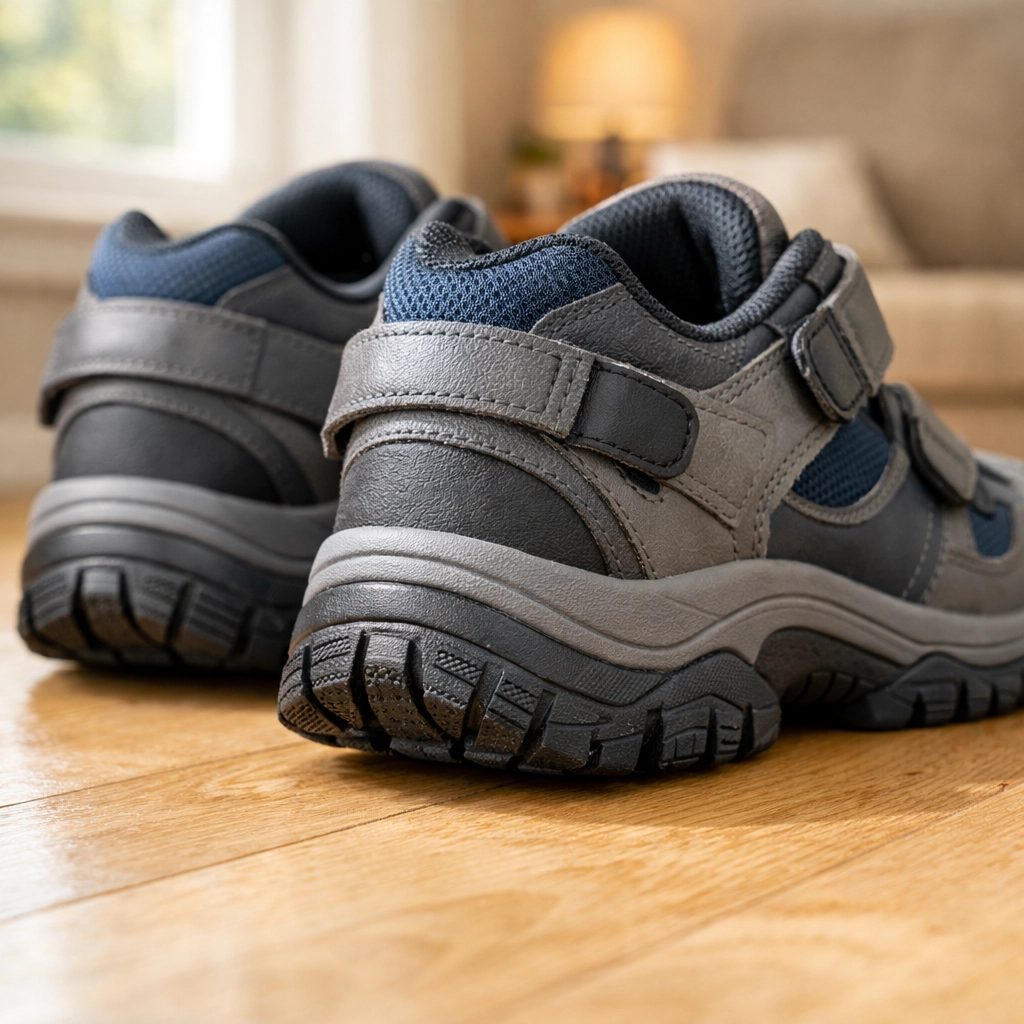
- The Fit: Look for shoes with a firm heel counter (the back of the shoe) and adjustable fasteners like Velcro or laces.
- The Sole: Choose a non-slip rubber sole with a decent grip. Avoid overly thick "maximalist" soles that might make you feel disconnected from the ground.
- The "No Socks" Rule: Never walk on hard floors in just socks or stockings unless they have high-grip silicone treads on the bottom.
7. The Kitchen Chair "Ladder" and Overreaching
We’ve all done it: the top shelf has the holiday platter or the spare light bulbs, and instead of finding a step stool, we grab a kitchen chair or stand on our tiptoes.
The mistake is overestimating our reach and balance in the moment. Overreaching shifts your center of gravity outside your base of support. If you're on your tiptoes and you get a small dizzy spell or your foot slips, there is nothing to catch you.
How to Fix It
The fix is about organization and equipment.
- Reorganize: Move your most-used items: the coffee mugs, the daily meds, the favorite skillet: to the "Golden Zone" (between your knees and your shoulders).
- The Right Tools: If you must reach something high, use a dedicated step stool with a high handrail that you can hold onto for balance. Never use a chair, especially one with wheels or a swivel.
- Reach Assist Tools: Consider getting a "reacher" or "grabber" tool. These are great for picking up items off the floor or getting light objects off a shelf without having to strain.
Beyond the Environment: Strength and Balance
While fixing these seven mistakes will make your home significantly safer, the most effective fall prevention strategy is a holistic one. Your environment is the "playing field," but your body is the "player."
Even in a perfectly safe home, a lack of leg strength or poor balance can lead to a fall. Many seniors avoid exercise because they fear it might cause a fall, but the opposite is true. Gentle, consistent movement: such as Tai Chi, chair yoga, or simple heel-to-toe walks: builds the "proprioception" (your body’s awareness of where it is in space) that keeps you upright.

Making a Plan
Fall prevention doesn't have to happen all at once. It can feel overwhelming to look at a whole house and see nothing but hazards. Start small.
Pick one room this weekend: perhaps the bathroom or the bedroom: and apply these fixes. Clear the floor, check the lights, and look at the rugs. Once that room is secure, move to the next.
Remember, the goal isn't just to "prevent a fall." The goal is to give you the confidence to move freely in your own home. When you know your environment is supportive and safe, you can focus on the things that actually matter: enjoying your space, your hobbies, and your family.
Safety isn't about restriction; it's about creating the foundation for a long, independent, and active life. Take a look around your living room right now. What's one small thing you can change to make your tomorrow a little bit safer?

