
Hi, I’m Brian Kerr, the founder of Fall Guys Products. Over the years, I’ve spent a lot of time talking to families, caregivers, and seniors about one of the most pressing concerns in the home: safety. When we think about "aging in place," we often focus on the big things, like remodeling a kitchen or installing a ramp. But in my experience, it’s rarely the big, obvious things that cause a fall. Usually, it’s a collection of small, overlooked habits and household setups that slowly increase the risk until a trip or slip becomes inevitable.
Fall prevention isn't about living in a padded room. It’s about creating an environment that supports your independence rather than working against it. If you’re a caregiver or a senior looking to make your home safer, you’ve probably already taken some steps. But are you making these common mistakes?
Let’s look at seven of the most frequent errors I see in home fall prevention and, more importantly, how we can fix them together.
1. The "Sentimental" Rug Trap
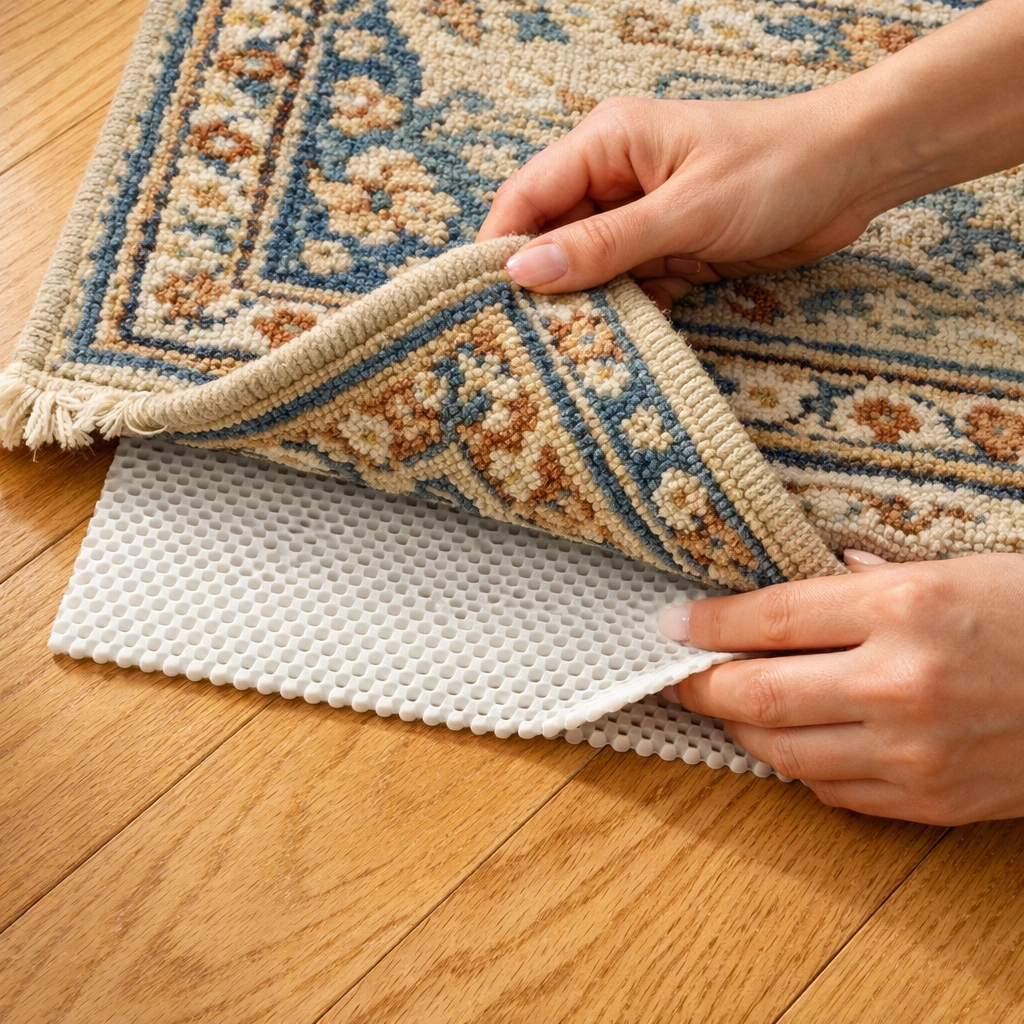
We all have them: the beautiful Persian rug in the hallway, the cozy throw rug by the kitchen sink, or the small mat in the bathroom that matches the towels perfectly. These items add warmth and character to a home, which makes them very hard to part with. However, unsecured rugs are statistically one of the most common tripping hazards in the house.
The mistake here isn't just having a rug; it’s assuming that because it hasn’t caused a problem yet, it won't. As we age, our gait changes. We tend to lift our feet less and shuffle more. A rug edge that sits just half an inch off the floor becomes a literal wall for a foot that doesn't clear the ground.
How to Fix It
The safest option is to remove throw rugs entirely, especially in high-traffic hallways and transitions between rooms. If you or your loved one aren't ready to let them go, you must secure them properly. Use high-quality, non-slip rug pads that cover the entire underside of the rug. For the edges, use double-sided carpet tape to ensure they are flush with the floor. If a rug is frayed or has curled corners that won't stay down, it’s time to retire it.
2. Prioritizing Comfort Over Footwear Function
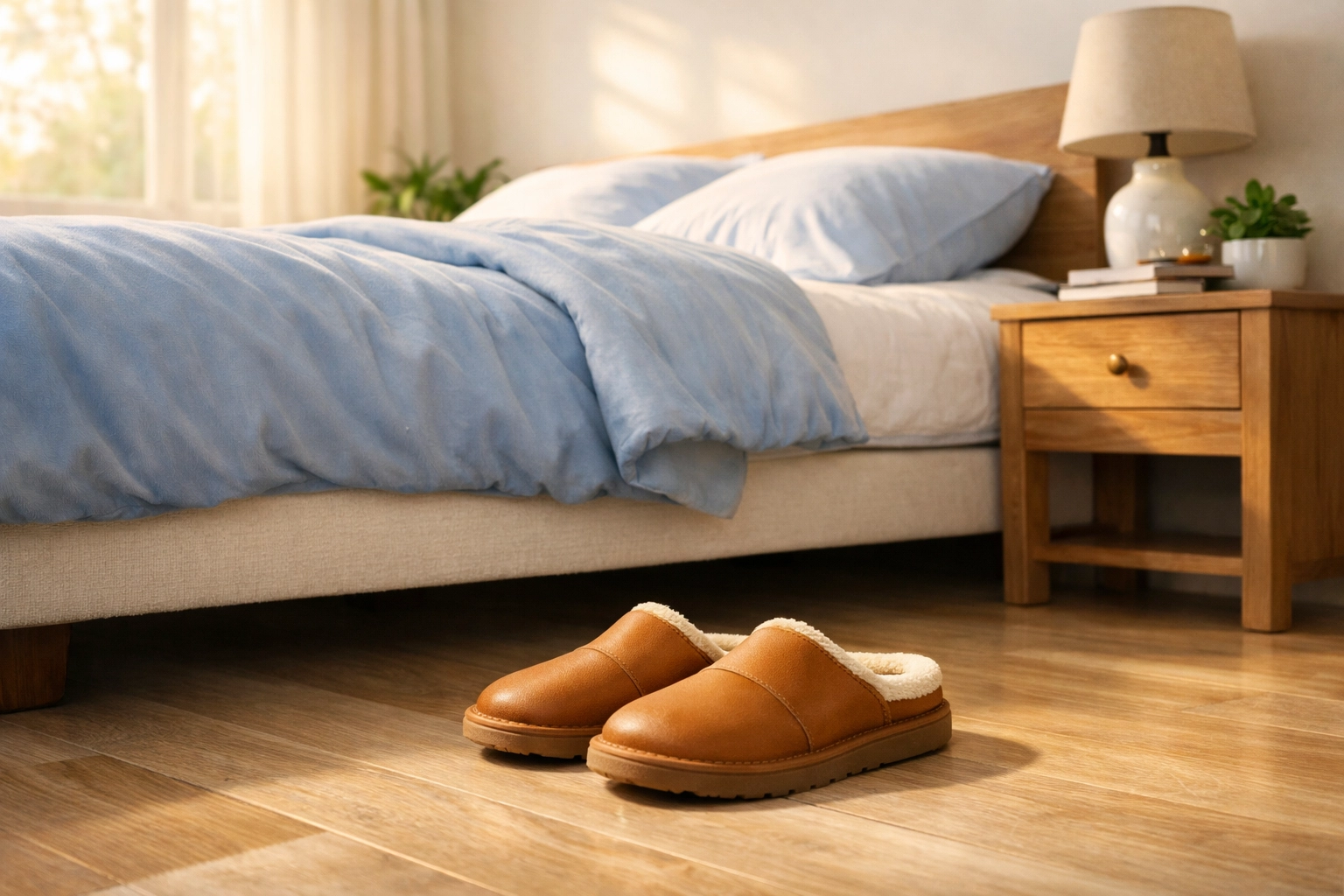
It is incredibly tempting to walk around the house in socks or loose, plush slippers. After a long day, they feel great. However, "floppy" footwear is a major contributor to falls. Socks offer zero traction on hardwood or tile, and backless slippers can easily slide off the heel, causing a person to stumble while trying to "catch" the shoe with their toes.
I often see people wearing slippers that have lost their tread or are two sizes too big. This lack of stability means your muscles have to work harder just to keep you upright, leading to fatigue and an increased risk of a stumble.
How to Fix It
Think of footwear as a piece of safety equipment. The best indoor footwear is a sturdy shoe with a rubber, non-slip sole and a closed back. Athletic shoes or canvas shoes with Velcro or laces are ideal because they stay snug to the foot. If slippers are a must, look for "house shoes" that have a firm sole and a back that secures the heel. Avoid walking in socks or stockings on smooth floors at all costs.
3. The "Hidden" Cable Crisis
In our modern world, we are surrounded by technology. Lamps, chargers, televisions, and medical equipment all require power, which means we have wires everywhere. A very common mistake is running an extension cord across a walkway or leaving a phone charger dangling near the bedside.
We often think, "I'll just remember it's there," but at 2:00 AM when you're headed to the bathroom in a daze, memory isn't going to save you. These thin, often dark-colored wires are nearly invisible in low light and are perfectly designed to catch a toe or the tip of a cane.
How to Fix It
Clear the paths. This is a non-negotiable rule. All electrical cords should be routed along the baseboards and secured with cord clips or tape. If you must run a cord across an area where people walk, use a heavy-duty cord cover that creates a smooth, sloped "mini-ramp" rather than a sharp trip hazard. Better yet, hire an electrician to add an outlet where you need it most. It’s a small investment that pays off in significant peace of mind.
4. Treating Towel Racks Like Support Bars
This is perhaps the most dangerous mistake on this list because it involves a false sense of security. In the bathroom, people often reach out for the nearest sturdy-looking object to help them stand up from the toilet or step out of the shower. Frequently, that object is a towel rack.
The problem is that towel racks are designed to hold the weight of a damp towel (perhaps two or three pounds), not a human being (150 to 250 pounds). They are usually screwed into drywall or thin wood, and under the pressure of a person’s weight, they can: and will: pull right out of the wall.
How to Fix It
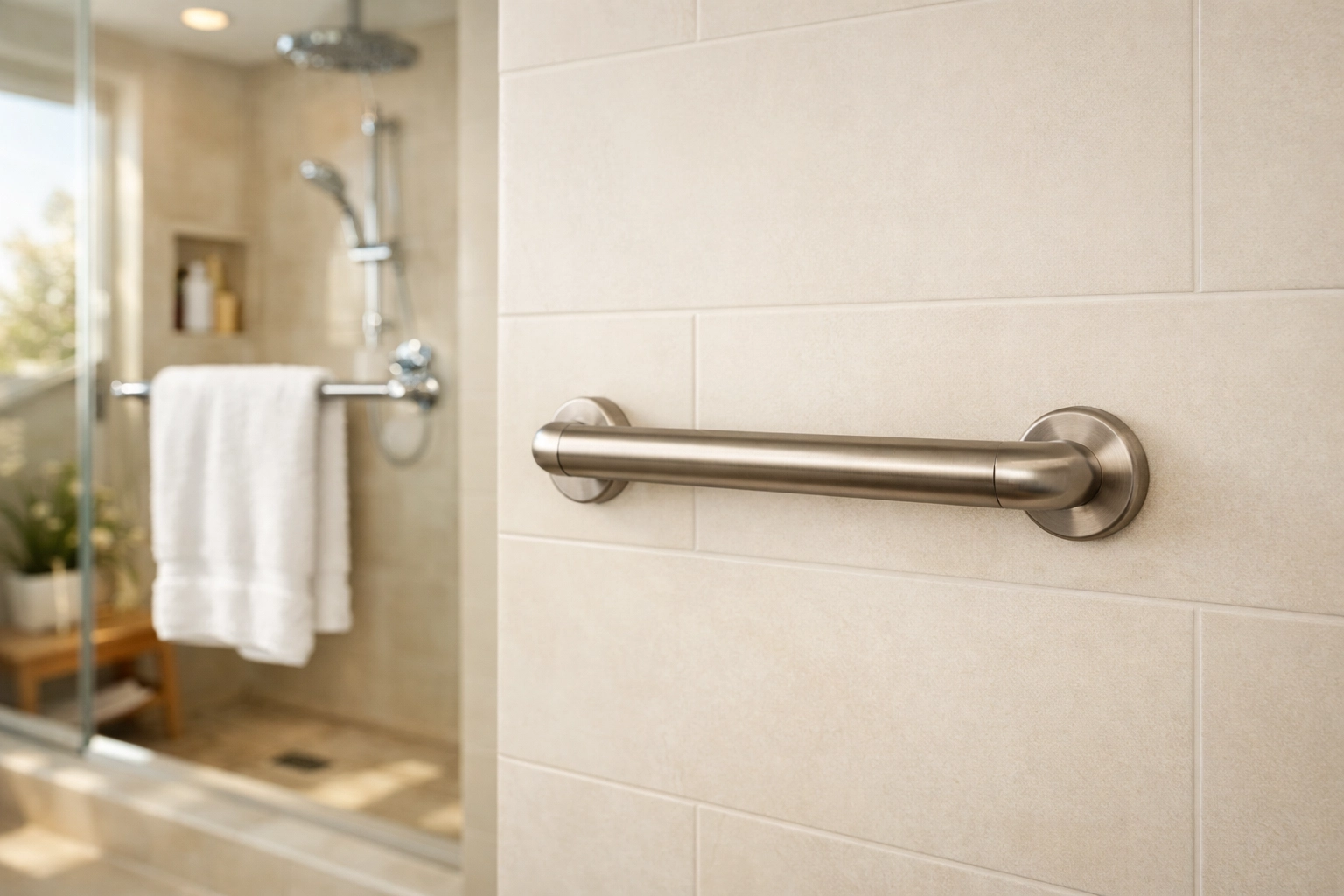
The fix is straightforward: replace the "placeholders" with real support. Install wall-mounted grab bars that are rated for weight-bearing. These must be anchored into the wall studs to be effective. If you aren't handy with a drill, this is a job for a professional. Having a dedicated, rock-solid point of contact in the bathroom can prevent the most common types of slips.
5. Underestimating the Power of Light
As we get older, our eyes require significantly more light to see clearly and process depth perception. What feels "bright enough" to a 30-year-old can feel like a dim cave to someone in their 70s or 80s. Many homes are filled with "pockets of darkness": shadowy hallways, dim corners in the bedroom, or stairwells with a single, weak bulb at the top.
The mistake is relying on manual light switches. If you have to walk across a dark room to turn on a lamp, you are at risk for the entire duration of that walk.
How to Fix It
Lighting should be automatic and abundant. Install motion-sensor nightlights in every hallway, bathroom, and bedroom. These are inexpensive and plug directly into your outlets. For stairways, ensure there are switches at both the top and bottom, and consider adding LED strip lighting along the baseboards or the underside of handrails. Replacing old incandescent bulbs with high-lumen LED bulbs (which stay cool and last years) can instantly brighten a home without increasing the electric bill.
6. Living with the "Low-Bed" Problem
A bed that is too low is a hidden struggle for many seniors. When a mattress is low to the ground, it requires a significant amount of lower-body strength and "rocking" momentum to stand up. This rocking motion can cause a person to lose their balance the moment they reach a standing position, leading to a fall back onto the bed or, worse, onto the floor.
Conversely, a bed that is too high: where the person’s feet don't touch the floor when they sit on the edge: is also a risk, as it makes the transition to standing unstable.
How to Fix It
The "Goldilocks" height for a bed is usually when the top of the mattress sits just above the crease of the knee when you are standing. This allows you to sit down and stand up with your feet firmly planted, using your leg muscles efficiently without needing to lunge forward. You can adjust bed height using bed risers (if it’s too low) or by choosing a different box spring or mattress thickness.
7. The "Clutter Creep" and Reach Issues
We all collect things. Books, magazines, decorative items, and "stuff" that just doesn't have a home yet. Over time, this clutter begins to narrow our walking paths. If you have to turn sideways to get through a doorway or navigate a zig-zag path through the living room, your risk of a fall increases exponentially.
Furthermore, many people keep frequently used items on high shelves or tucked away in low cupboards. Reaching up high can cause dizziness or loss of balance, and bending down low can make it difficult to get back up.
How to Fix It
Clear the "flight path." Ensure that all major walkways in the home are at least 36 inches wide and completely free of obstacles. This includes small furniture like plant stands or decorative baskets. Next, reorganize your most-used items. Kitchen plates, medications, the TV remote, and daily shoes should all live between hip and chest height. If you don't have to reach or bend, you stay on your center of gravity.
The Role of Mindset in Prevention
Beyond the physical changes to the home, there’s a mental component to fall prevention that I think is just as important. Many people view these changes as "giving in" to old age. I prefer to think of it as "optimizing for your current life."
A fall can be a life-changing event, but it is not an inevitable part of getting older. By identifying these seven mistakes and taking small, manageable steps to fix them, you are taking control. You are ensuring that your home remains a place of comfort and safety, rather than a place of hazards.
It’s also important to remember that fall prevention is a team effort. If you’re a caregiver, approach these changes with empathy. Instead of saying "We have to move this rug because you might fall," try "Let's clear some space so it's easier and more comfortable for you to get around."
Final Thoughts
Correcting these mistakes doesn't require a massive renovation or a huge budget. Most of them: like fixing the lighting, securing a rug, or moving a power cord: can be done in a single afternoon.
At Fall Guys Products, our goal has always been to provide the knowledge and the reassurance that safety is within reach. We believe that everyone deserves to move through their own home with confidence. Take a walk through your house today with "fresh eyes." Look for the rugs, the slippers, the dark corners, and the low beds. By fixing these seven common mistakes, you aren’t just preventing a fall; you’re protecting your independence for years to come.

